
Hard Boiled Eggs
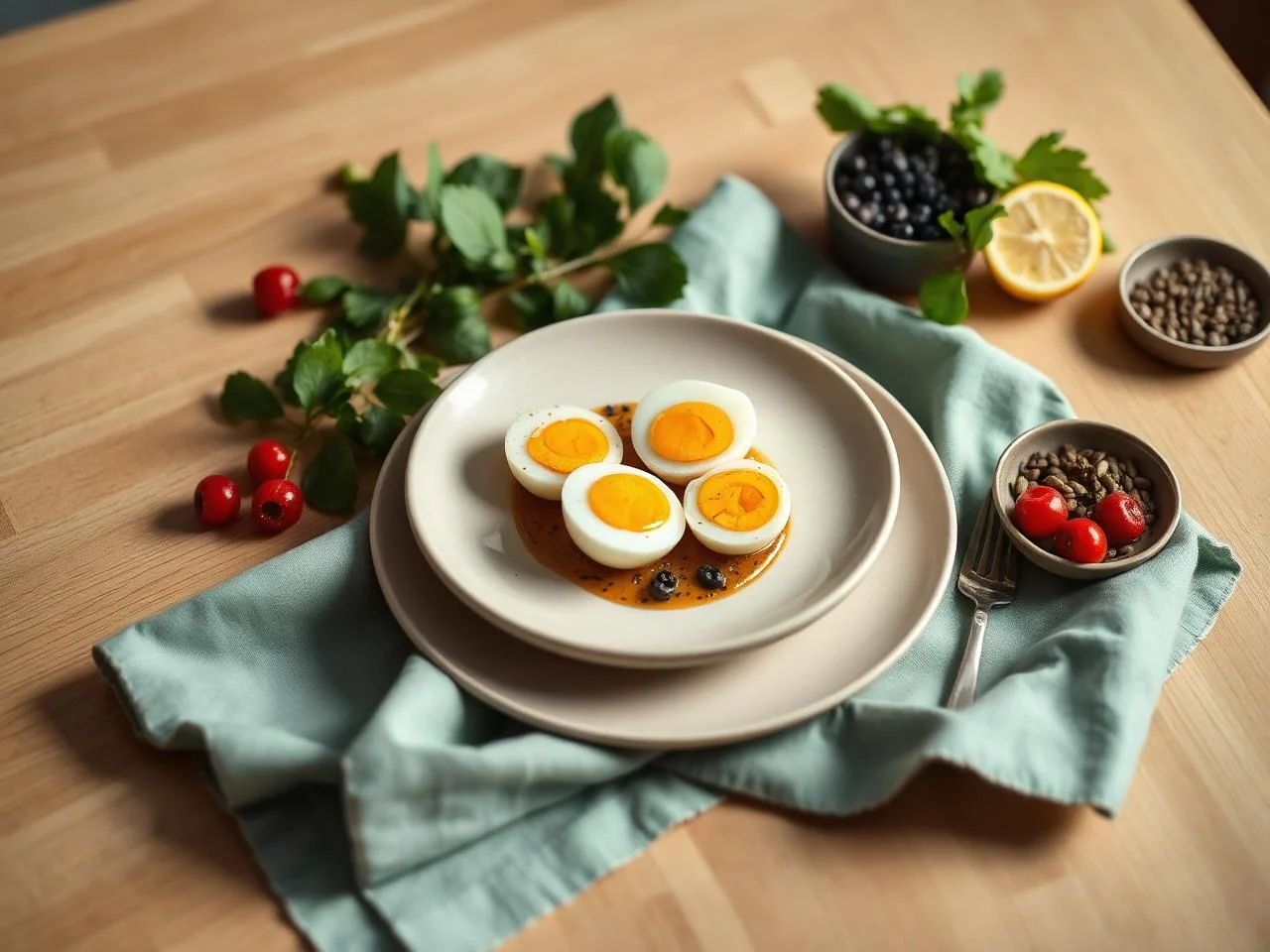
I still remember the first time I made hard boiled eggs in my kitchen. It was a simple yet satisfying experience that has stayed with me to this day. There's something special about cooking eggs to perfection, and I'm excited to share my technique with you.
Hard boiled eggs are a great snack or addition to any meal. They're easy to make, nutritious, and can be seasoned in a variety of ways to suit your taste. Whether you're looking for a quick breakfast on-the-go or a healthy snack to curb your hunger, hard boiled eggs are an excellent choice.
One of the best things about hard boiled eggs is their versatility. You can enjoy them on their own, sliced and added to salads, or used as a topping for soups and other dishes. They're also a great source of protein, making them an excellent option for those looking to boost their protein intake.
In this recipe, I'll show you how to make perfect hard boiled eggs every time. With a few simple steps and some basic ingredients, you'll be enjoying delicious hard boiled eggs in no time. So let's get started!
As a registered dietitian and home cook, I'm passionate about sharing healthy and delicious recipes with others. I believe that cooking should be fun and accessible, and that everyone deserves to enjoy nutritious and tasty meals. With this recipe, I hope to inspire you to get into the kitchen and start cooking your own hard boiled eggs.
Why You’ll Love This Recipe
- Hard boiled eggs are a convenient and healthy snack that can be taken on-the-go.
- They're an excellent source of protein and can be enjoyed as part of a balanced diet.
- Hard boiled eggs are easy to make and require minimal ingredients and equipment.
- They can be seasoned in a variety of ways to suit your taste preferences.
- Hard boiled eggs are a great addition to salads, soups, and other dishes.
- They're a versatile ingredient that can be used in a variety of recipes.
- Hard boiled eggs are a cost-effective and budget-friendly snack option.
Why This Recipe Works
So, what makes this recipe for hard boiled eggs so special? The key is in the cooking technique. By using a combination of cold water and gentle heat, we can cook the eggs slowly and evenly, resulting in a perfectly cooked egg with a creamy yolk and a firm white.
The other important factor is the timing. By cooking the eggs for the right amount of time, we can ensure that they're cooked through but still retain their moisture and flavor. This is especially important when it comes to hard boiled eggs, as overcooking can result in a dry and rubbery texture.
Finally, the seasoning is also important. By adding a pinch of salt and pepper to the water, we can enhance the flavor of the eggs and bring out their natural sweetness. This is a simple but effective way to add depth and complexity to the dish without overpowering the delicate flavor of the eggs.
Ingredients You’ll Need
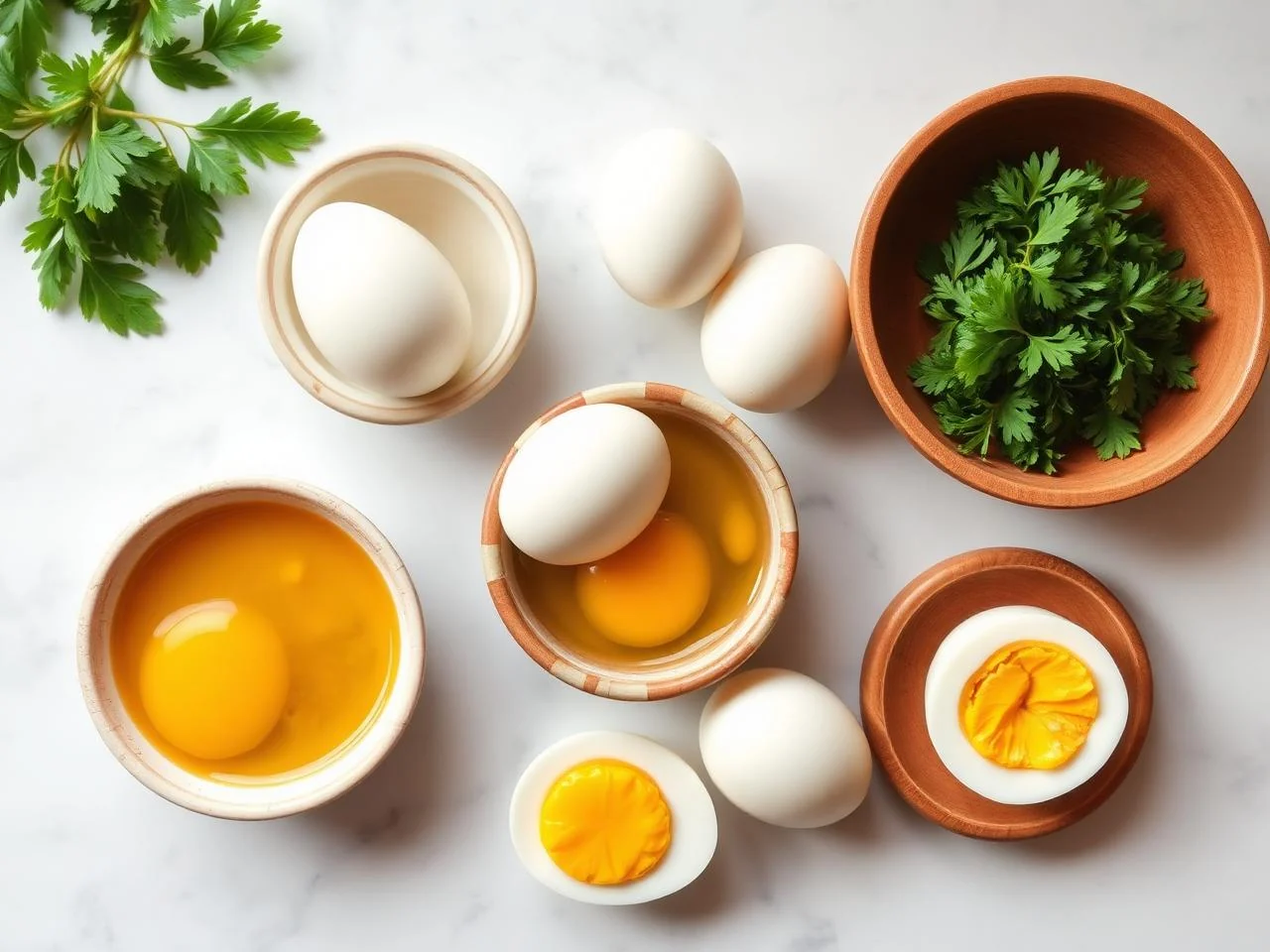
To make perfect hard boiled eggs, you'll need just a few simple ingredients. The most important ingredient is, of course, the eggs themselves. You'll also need some water, salt, and pepper to season the eggs. That's it! With these basic ingredients, you can create a delicious and nutritious snack that's perfect for any time of day.
When it comes to choosing eggs, it's best to opt for fresh, high-quality eggs from a reputable source. You can use any type of egg you like, but keep in mind that larger eggs will take longer to cook than smaller ones.
- 6 large eggsFresh, high-quality eggs are essential for making perfect hard boiled eggs. Choose eggs that are clean and free of cracks, and opt for organic or free-range eggs if possible.
- 1 quart (4 cups) waterUse cold water to cook the eggs, as this will help them cook slowly and evenly. You can also add ice to the water if you want to cook the eggs even more slowly.
- 1 tsp saltSalt is added to the water to season the eggs and help them cook more evenly. You can adjust the amount of salt to taste, but keep in mind that too much salt can make the eggs taste bitter.
- 1/2 tsp black pepperBlack pepper is added to the water to season the eggs and add flavor. You can also add other seasonings to the water, such as garlic or herbs, to give the eggs more flavor.
- 1 tbsp white vinegarWhite vinegar is added to the water to help the eggs cook more evenly and to make them easier to peel. The acid in the vinegar helps to break down the eggs' natural proteins and makes them easier to remove from the shell.
- 1 tsp baking sodaBaking soda is added to the water to help the eggs cook more evenly and to make them easier to peel. The baking soda helps to raise the pH of the water, which makes it easier for the eggs to cook evenly and to remove from the shell.
Equipment You’ll Need
How to Make Hard Boiled Eggs
- 1Place the eggs in a single layer at the bottom of a large pot. This will help the eggs cook evenly and prevent them from cracking.
- 2Add enough cold water to the pot to cover the eggs by about an inch. This will help the eggs cook slowly and evenly, and will also make them easier to peel.
- 3Add the salt, pepper, white vinegar, and baking soda to the water. Stir the water gently to distribute the seasonings evenly.
- 4Place the pot over high heat and bring the water to a boil. This should take about 5-7 minutes, depending on the size of the pot and the heat of the stove.
- 5Once the water has reached a boil, reduce the heat to a simmer and let the eggs cook for 12-15 minutes. This will cook the eggs through but still leave the yolks slightly runny.
- 6After 12-15 minutes, remove the pot from the heat and immediately transfer the eggs to a bowl of ice water to stop the cooking process. This will help the eggs cool down quickly and make them easier to peel.
- 7Let the eggs sit in the ice water for 5-10 minutes, or until they have cooled to room temperature. This will help the eggs cool down slowly and evenly, and will also make them easier to peel.
- 8Once the eggs have cooled, crack them gently and peel off the shells. This should be easy to do, thanks to the acid in the vinegar and the baking soda in the water.
- 9Rinse the peeled eggs with cold water to remove any remaining bits of shell or egg white. This will help the eggs look clean and appetizing, and will also make them easier to store.
- 10Store the cooked eggs in an airtight container in the fridge for up to a week. This will keep the eggs fresh and make them easy to grab and go for a quick snack or meal.
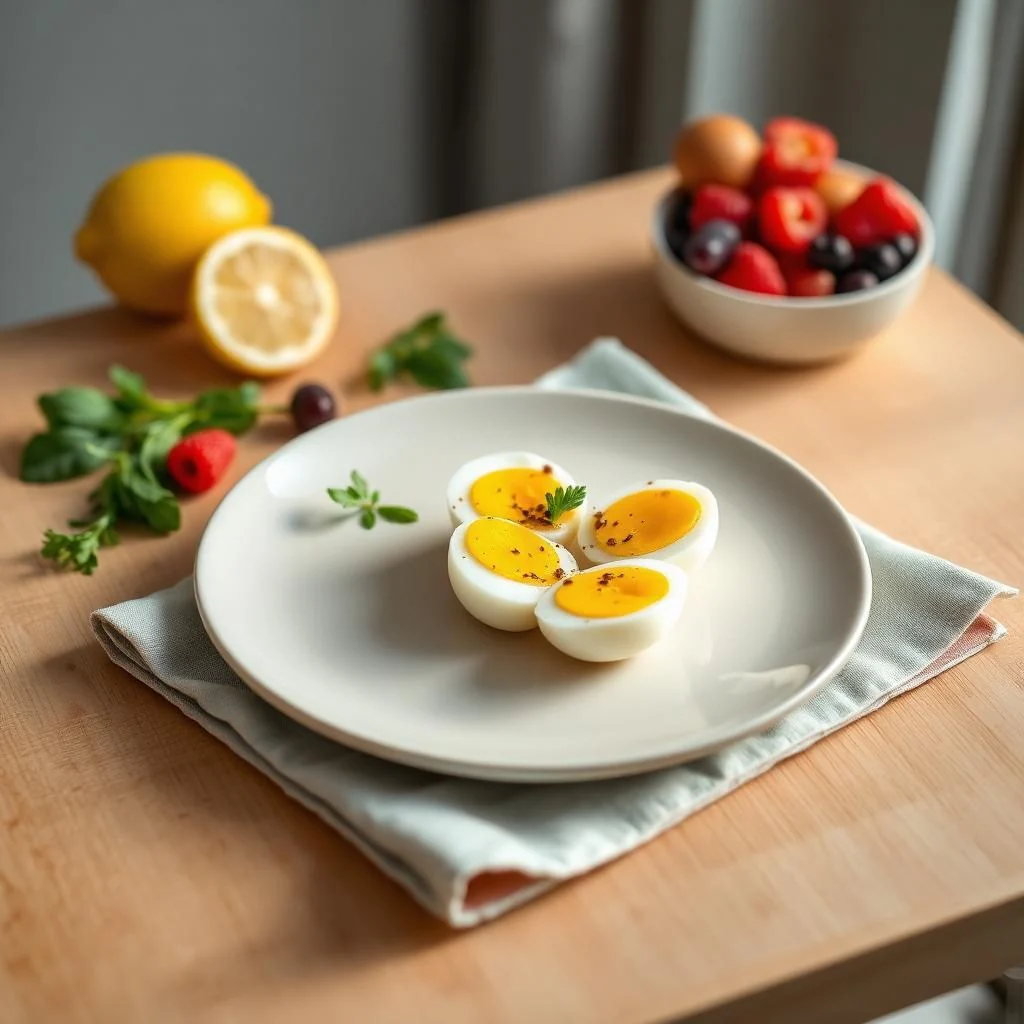
- 11To serve, slice the eggs in half lengthwise and sprinkle with salt and pepper to taste. You can also add other seasonings or toppings to the eggs, such as chopped herbs or grated cheese.
Expert Tips
- Use old eggs for hard boiling, as they will be easier to peel. Fresh eggs can be more difficult to peel, as the membrane between the egg white and the shell is stronger.
- Add a tablespoon of white vinegar to the water to help the eggs peel more easily. The acid in the vinegar will help break down the proteins in the egg white and make the eggs easier to remove from the shell.
- Use a timer to ensure the eggs are cooked for the right amount of time. This will help the eggs cook evenly and prevent them from becoming overcooked or undercooked.
- Shock the eggs in an ice bath after cooking to stop the cooking process. This will help the eggs cool down quickly and make them easier to peel.
- Store hard boiled eggs in the fridge for up to a week. This will keep the eggs fresh and make them easy to grab and go for a quick snack or meal.
- Slice hard boiled eggs in half lengthwise for a pretty presentation. This will also make the eggs easier to eat and more enjoyable to serve.
Common Mistakes to Avoid
- Overcooking the eggs, which can make them dry and rubbery. To avoid this, use a timer and check the eggs frequently to ensure they are cooked to the right doneness.
- Not using enough water, which can cause the eggs to cook unevenly. Make sure to use enough water to cover the eggs by about an inch.
- Not shocking the eggs in an ice bath after cooking, which can cause them to continue cooking and become overcooked. This will help the eggs cool down quickly and make them easier to peel.
- Not storing the eggs properly, which can cause them to spoil. Make sure to store the eggs in an airtight container in the fridge and keep them refrigerated at a temperature of 40°F (4°C) or below.
- Not peeling the eggs carefully, which can cause them to break or become misshapen. To avoid this, peel the eggs gently and carefully, starting at the large end of the egg.
Variations and Substitutions
- Add some diced veggies, such as bell peppers or carrots, to the eggs for added flavor and nutrition. This will add some color and texture to the dish and make it more interesting.
- Use different seasonings, such as smoked paprika or garlic powder, to give the eggs a unique flavor. This will add some depth and complexity to the dish and make it more enjoyable to eat.
- Add some cheese, such as cheddar or feta, to the eggs for an extra burst of flavor. This will add some richness and creaminess to the dish and make it more satisfying.
- Use different types of eggs, such as duck or quail eggs, for a unique twist on the classic hard boiled egg. This will add some variety and interest to the dish and make it more exciting.
- Add some heat, such as diced jalapenos or hot sauce, to the eggs for an extra kick. This will add some spice and excitement to the dish and make it more enjoyable to eat.
What to Serve With Hard Boiled Eggs
Hard boiled eggs are a versatile ingredient that can be used in a variety of dishes. They're great as a snack on their own, or added to salads, soups, and other recipes. You can also use them as a topping for dishes like rice bowls or noodle dishes.
Some ideas for using hard boiled eggs include:
Adding them to a salad with mixed greens, cherry tomatoes, and a vinaigrette dressing.
Using them as a topping for a bowl of soup, such as a creamy tomato soup or a spicy black bean soup.
Adding them to a rice bowl with roasted vegetables and a drizzle of soy sauce.
Using them as a topping for a noodle dish, such as a stir-fry or a bowl of ramen.
Make-Ahead, Storage, Freezing and Reheating
Hard boiled eggs can be stored in the fridge for up to a week. To store them, simply place the cooled eggs in an airtight container and refrigerate them at a temperature of 40°F (4°C) or below.
It's also possible to freeze hard boiled eggs, although the texture and flavor may be affected. To freeze them, simply place the cooled eggs in a single layer in a freezer-safe bag or container and store them in the freezer at 0°F (-18°C) or below.
When you're ready to eat the eggs, simply thaw them in the fridge or at room temperature. You can also reheat them in the microwave or on the stovetop, although be careful not to overcook them.
Some tips for storing hard boiled eggs include:
Using an airtight container to keep the eggs fresh and prevent them from absorbing odors from other foods in the fridge.
Keeping the eggs refrigerated at a consistent temperature to prevent bacterial growth and foodborne illness.
Labeling the container with the date the eggs were cooked, so you can keep track of how long they've been stored.
Frequently Asked Questions
How long do hard boiled eggs last in the fridge?
Hard boiled eggs can be stored in the fridge for up to a week. To store them, simply place the cooled eggs in an airtight container and refrigerate them at a temperature of 40°F (4°C) or below.
Can I freeze hard boiled eggs?
Yes, you can freeze hard boiled eggs, although the texture and flavor may be affected. To freeze them, simply place the cooled eggs in a single layer in a freezer-safe bag or container and store them in the freezer at 0°F (-18°C) or below.
How do I reheat hard boiled eggs?
You can reheat hard boiled eggs in the microwave or on the stovetop. Simply place the egg in the microwave for 10-15 seconds, or heat it in a pan of simmering water for 1-2 minutes.
Can I use old eggs for hard boiling?
Yes, you can use old eggs for hard boiling. In fact, older eggs are often easier to peel than fresh eggs, as the membrane between the egg white and the shell is weaker.
How do I make hard boiled eggs easier to peel?
To make hard boiled eggs easier to peel, try adding a tablespoon of white vinegar to the water when you cook them. The acid in the vinegar will help break down the proteins in the egg white and make the eggs easier to remove from the shell.
Can I add flavorings to the water when I cook hard boiled eggs?
Yes, you can add flavorings to the water when you cook hard boiled eggs. Some ideas include adding diced veggies, such as bell peppers or carrots, or using different seasonings, such as smoked paprika or garlic powder.
How do I store hard boiled eggs?
Hard boiled eggs can be stored in the fridge for up to a week. To store them, simply place the cooled eggs in an airtight container and refrigerate them at a temperature of 40°F (4°C) or below.
Can I use hard boiled eggs in recipes?
Yes, you can use hard boiled eggs in a variety of recipes. Some ideas include adding them to salads, using them as a topping for dishes like rice bowls or noodle dishes, or using them as an ingredient in recipes like deviled eggs or egg salad.
Ingredients
- 6 large eggs
- 1 quart (4 cups) water
- 1 tsp salt
- 1/2 tsp black pepper
- 1 tbsp white vinegar
- 1 tsp baking soda
Instructions
- Place the eggs in a single layer at the bottom of a large pot. This will help the eggs cook evenly and prevent them from cracking.
- Add enough cold water to the pot to cover the eggs by about an inch. This will help the eggs cook slowly and evenly, and will also make them easier to peel.
- Add the salt, pepper, white vinegar, and baking soda to the water. Stir the water gently to distribute the seasonings evenly.
- Place the pot over high heat and bring the water to a boil. This should take about 5-7 minutes, depending on the size of the pot and the heat of the stove.
- Once the water has reached a boil, reduce the heat to a simmer and let the eggs cook for 12-15 minutes. This will cook the eggs through but still leave the yolks slightly runny.
- After 12-15 minutes, remove the pot from the heat and immediately transfer the eggs to a bowl of ice water to stop the cooking process. This will help the eggs cool down quickly and make them easier to peel.
- Let the eggs sit in the ice water for 5-10 minutes, or until they have cooled to room temperature. This will help the eggs cool down slowly and evenly, and will also make them easier to peel.
- Once the eggs have cooled, crack them gently and peel off the shells. This should be easy to do, thanks to the acid in the vinegar and the baking soda in the water.
- Rinse the peeled eggs with cold water to remove any remaining bits of shell or egg white. This will help the eggs look clean and appetizing, and will also make them easier to store.
- Store the cooked eggs in an airtight container in the fridge for up to a week. This will keep the eggs fresh and make them easy to grab and go for a quick snack or meal.
- To serve, slice the eggs in half lengthwise and sprinkle with salt and pepper to taste. You can also add other seasonings or toppings to the eggs, such as chopped herbs or grated cheese.