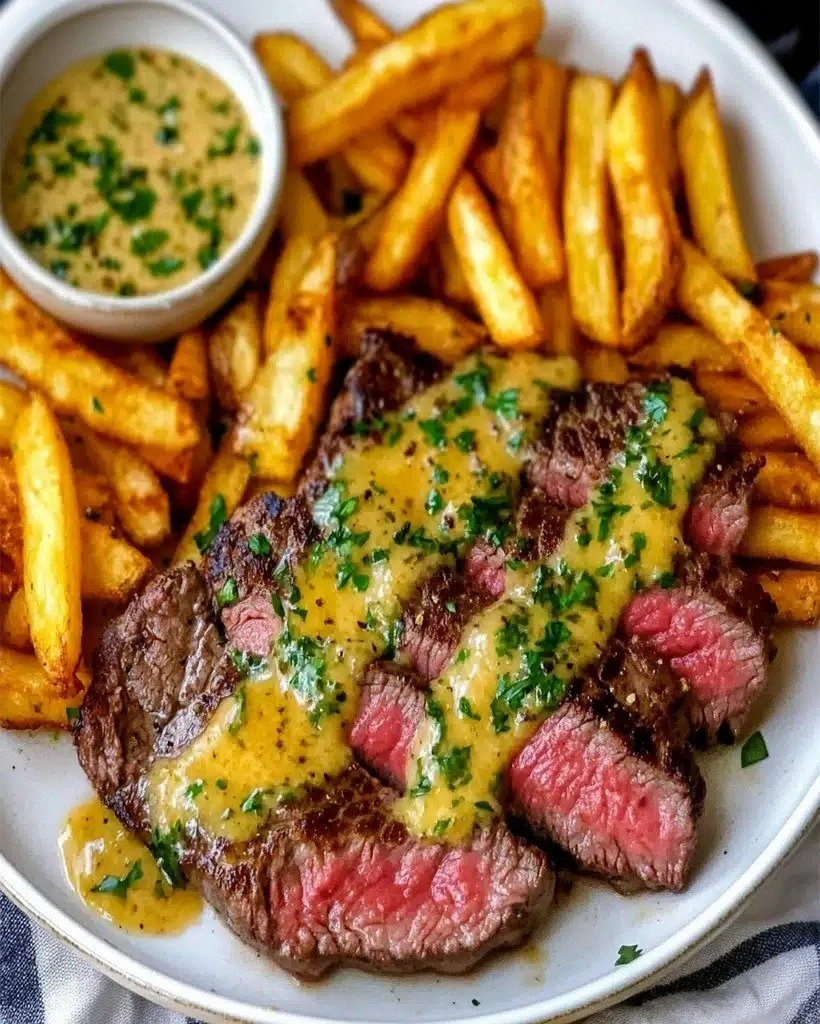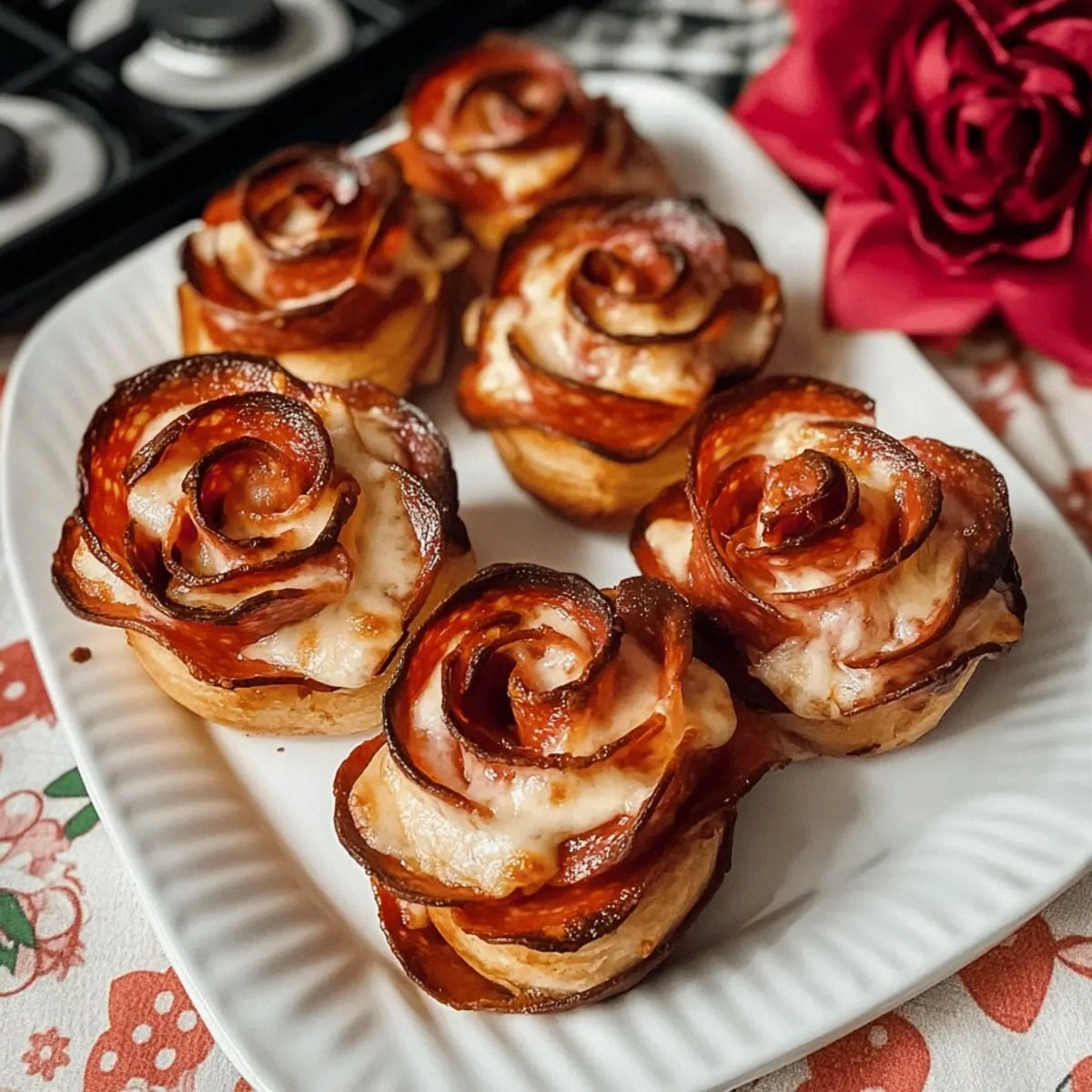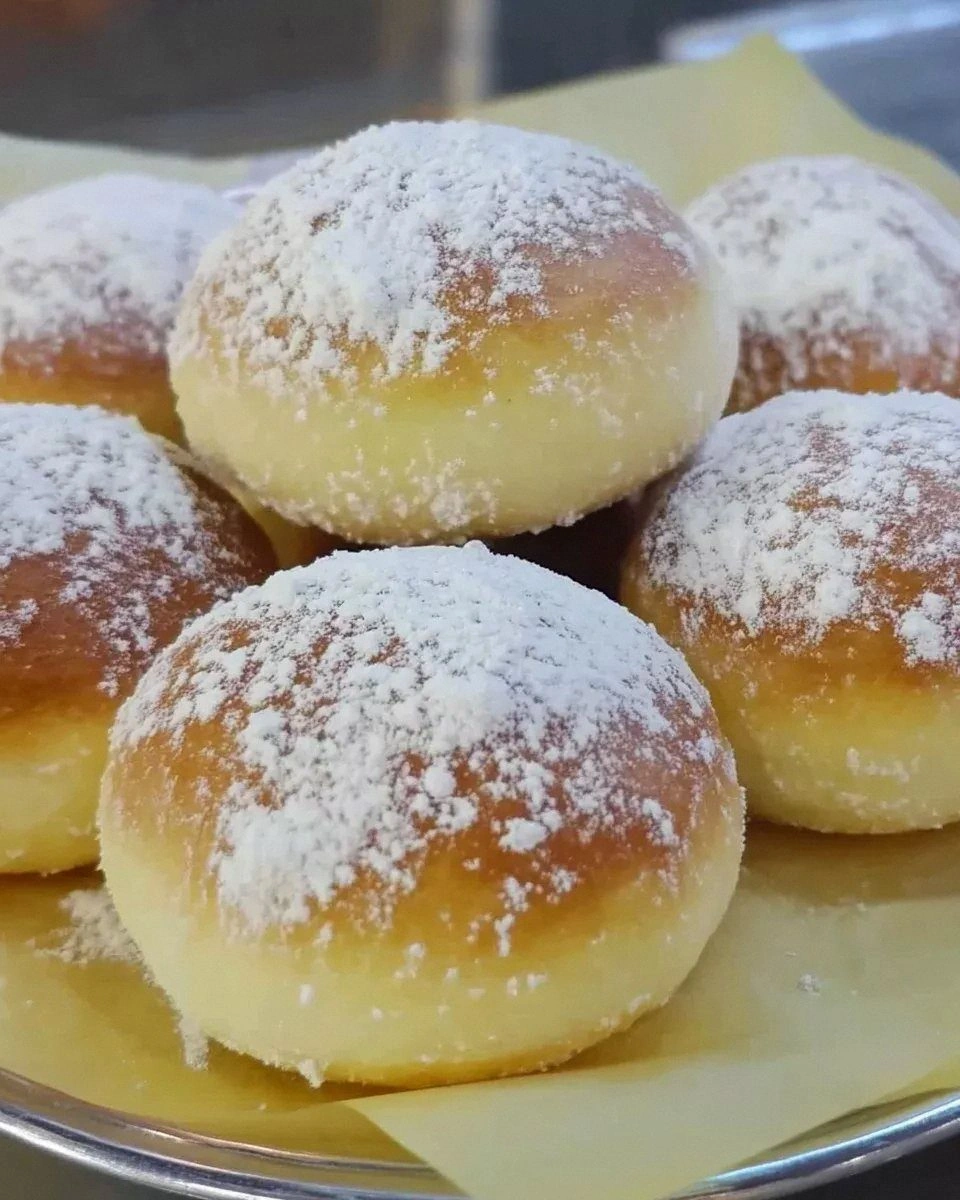
Picture this: I’m standing in my cramped kitchen, the timer on the oven mocking me as it dings for the third time, and a sudden craving for something that feels like a warm hug wrapped in a pastry hits me like a rogue wave. I’ve tried every bombolone recipe on the internet—some left me with dough that felt like a rubber band, others produced a filling that was thinner than a whisper. Then, in a moment of reckless inspiration, I grabbed the last of my grandmother’s old recipe card, added a splash of confidence, and set out to create the ultimate Italian cream bomb. The result? A fluffy, pillow‑soft dough that yields a buttery crumb, and a custard that oozes out with the silkiness of a well‑kissed tiramisu.
The kitchen turned into a symphony of senses. The flour dusted the air like fresh snow, the butter melted into a golden pool that smelled like a Tuscan sunrise, and the yeast began to bubble, releasing a faint yeasty perfume that reminded me of fresh bakery windows in Rome. When the dough finally rose, it puffed up with a gentle sigh, and the sound of the oil sizzling as the bomboloni hit the pan was pure, unadulterated joy. As they turned a gorgeous amber, the aroma of vanilla and caramelized sugar swirled, making my mouth water before the first bite even landed on my tongue.
What makes this version stand out is not just the flawless texture but the confidence‑boosting technique that turns a potentially intimidating pastry into a kitchen‑friendly masterpiece. I dare you to taste this and not go back for seconds; the combination of a crisp exterior, a cloud‑like interior, and a custard that sings “dolce vita” is nothing short of legendary. Most recipes get the filling wrong, ending up either runny or overly dense. Here, I’ve cracked the secret: a precise balance of cornstarch and egg yolks that sets the custard perfectly without a grain of grit.
And now for the kicker: I’ll be honest—I ate half the batch before anyone else got a chance to try them. That’s how addictive these little bombs are. The secret ingredient? A pinch of salt in the dough that amplifies the sweetness, and a splash of vanilla that makes the custard whisper sweet nothings to your palate. Okay, ready for the game‑changer? Let me walk you through every single step — by the end, you’ll wonder how you ever made it any other way.
What Makes This Version Stand Out
- Flavor: The custard is infused with pure vanilla extract, giving it a fragrant depth that eclipses store‑bought fillings.
- Texture: A light, airy crumb that hugs the creamy center, thanks to the perfect butter‑to‑flour ratio.
- Simplicity: No fancy equipment required; a regular saucepan and a deep‑fat fryer (or a heavy pot) do the trick.
- Uniqueness: The pinch of salt in the dough amplifies the sweet notes, a trick most recipes overlook.
- Crowd Reaction: Guests invariably ask for the recipe, and you’ll see eyes widen the moment they bite into the custard core.
- Ingredient Quality: Using whole milk and real butter creates a richer mouthfeel than low‑fat shortcuts.
- Cooking Method: Deep‑frying at a controlled temperature locks in moisture while giving a golden crust.
- Make‑Ahead Potential: The dough can be refrigerated overnight, and the custard keeps beautifully for a day.
Alright, let's break down exactly what goes into this masterpiece...
Inside the Ingredient List
The Flavor Base
Whole Milk (1 cup): Milk is the liquid backbone of the dough, providing hydration and a tender crumb. Using whole milk adds fat that enriches the texture, making each bite melt in your mouth. If you substitute with skim, expect a drier result. Tip: Chill the milk before mixing; it helps keep the butter from melting too early.
Granulated Sugar (1/3 cup): Sugar sweetens the dough and feeds the yeast, encouraging a steady rise. Skipping it leads to a bland, dense bombolone that lacks that signature golden hue. For a caramel note, you can swap half the granulated sugar with brown sugar, but keep the total volume the same.
The Texture Crew
All‑Purpose Flour (4 cups): The flour forms the gluten network that gives the bomboloni their structure. High‑protein flour would make them chewier, while cake flour would be too fragile. Choose a reliable brand and sift it to aerate the particles. Fun Fact: Traditional Italian bomboloni use “00” flour for a silkier texture, but all‑purpose works just as well for home bakers.
Fresh Yeast (25 g): Fresh yeast provides a gentle lift and a subtle tang that balances the sweetness. If you only have active dry yeast, use about half the weight (≈12 g) and dissolve it in a bit of warm milk first. Never add yeast to hot liquids, or you’ll kill its life‑force.
Sweet Butter (4 oz, softened): Butter adds richness and a tender crumb. Softening it at room temperature ensures it incorporates smoothly without over‑mixing. For a dairy‑free twist, try a high‑quality plant butter, but expect a slightly different flavor profile.
The Unexpected Star
Vanilla Extract (1 tsp): A single teaspoon of pure vanilla elevates the custard from ordinary to unforgettable. It’s the aromatic bridge between the buttery dough and the sweet filling. If you’re feeling adventurous, a splash of almond extract can add a nuanced depth.
Egg Yolks (4): Yolks are the emulsifiers that bind the custard, giving it a glossy sheen. Skipping them results in a watery filling that seeps out during frying. For a lighter custard, you could replace two yolks with two whole eggs, but the texture will change.
Powdered Sugar (for dusting): A final dusting of powdered sugar adds a delicate sweetness and a snow‑like finish. It also helps hide any minor imperfections on the surface. If you prefer a richer finish, try a light drizzle of melted chocolate instead.
Everything's prepped? Good. Let's get into the real action...
The Method — Step by Step
In a small bowl, dissolve the fresh yeast in the warm whole milk (about 105°F/40°C). Stir gently until the yeast looks like a frothy cloud. Watch Out: If the milk is hotter than 115°F, the yeast will die, leaving you with a flat dough. Let the mixture sit for 5‑10 minutes; you’ll see tiny bubbles forming, a sign that the yeast is alive and kicking.
While the yeast awakens, whisk together the flour, pinch of salt, and granulated sugar in a large mixing bowl. Create a well in the center and pour in the softened butter, breaking it into chunks. Using a wooden spoon, incorporate the butter until the mixture resembles coarse crumbs. This is the moment where the dough starts to feel like a sandy beach—dry but promising.
Once the yeast mixture is bubbly, pour it into the flour mixture along with the two large eggs. Mix until a shaggy dough forms, then turn it onto a lightly floured surface. Knead for about 8‑10 minutes, or until the dough is smooth, elastic, and pulls away from the board without tearing.
Kitchen Hack: If the dough sticks, sprinkle a tiny pinch of flour on your hands instead of the dough; this keeps the interior moisture intact.Shape the kneaded dough into a smooth ball, place it in a lightly oiled bowl, and cover with plastic wrap. Let it rise in a warm, draft‑free spot for 1‑1½ hours, or until doubled in size. The scent will turn sweet and buttery, and you’ll notice the dough puffing like a balloon ready for a party.
While the dough rests, prepare the custard filling. In a saucepan, whisk together 2 cups of milk, 4 egg yolks, 1/3 cup sugar, 3 tbsp cornstarch, and the vanilla extract. Cook over medium heat, stirring constantly, until the mixture thickens and begins to boil. Once it reaches a velvety consistency, remove from heat and stir in a knob of butter for extra shine. Transfer the custard to a bowl, cover with plastic wrap directly on the surface to prevent a skin from forming, and chill in the fridge.
After the dough has risen, punch it down gently to release excess air. Transfer it to a floured surface and roll it out to a thickness of about ½‑¾ inch. Using a 3‑inch round cutter, cut out circles, then re‑roll the scraps and repeat until all dough is used. Place the circles on a parchment‑lined tray, cover loosely, and let them rest for another 20‑30 minutes; they should puff slightly.
Heat vegetable oil in a deep pan to 350°F (175°C). Test the temperature by dropping a tiny piece of dough; it should sizzle and rise to the surface within a few seconds. Carefully slide a few dough circles into the oil, being careful not to overcrowd. Fry each side for 2‑3 minutes, or until they turn a deep golden‑brown, and the edges start to pull away from the pan.
Using a slotted spoon, transfer the fried bomboloni to a cooling rack lined with paper towels to drain excess oil. While they’re still warm, use a pastry bag fitted with a large tip to inject the chilled custard into the center of each bombolone. Fill until you feel a slight resistance; over‑filling will cause the custard to leak during the dusting stage.
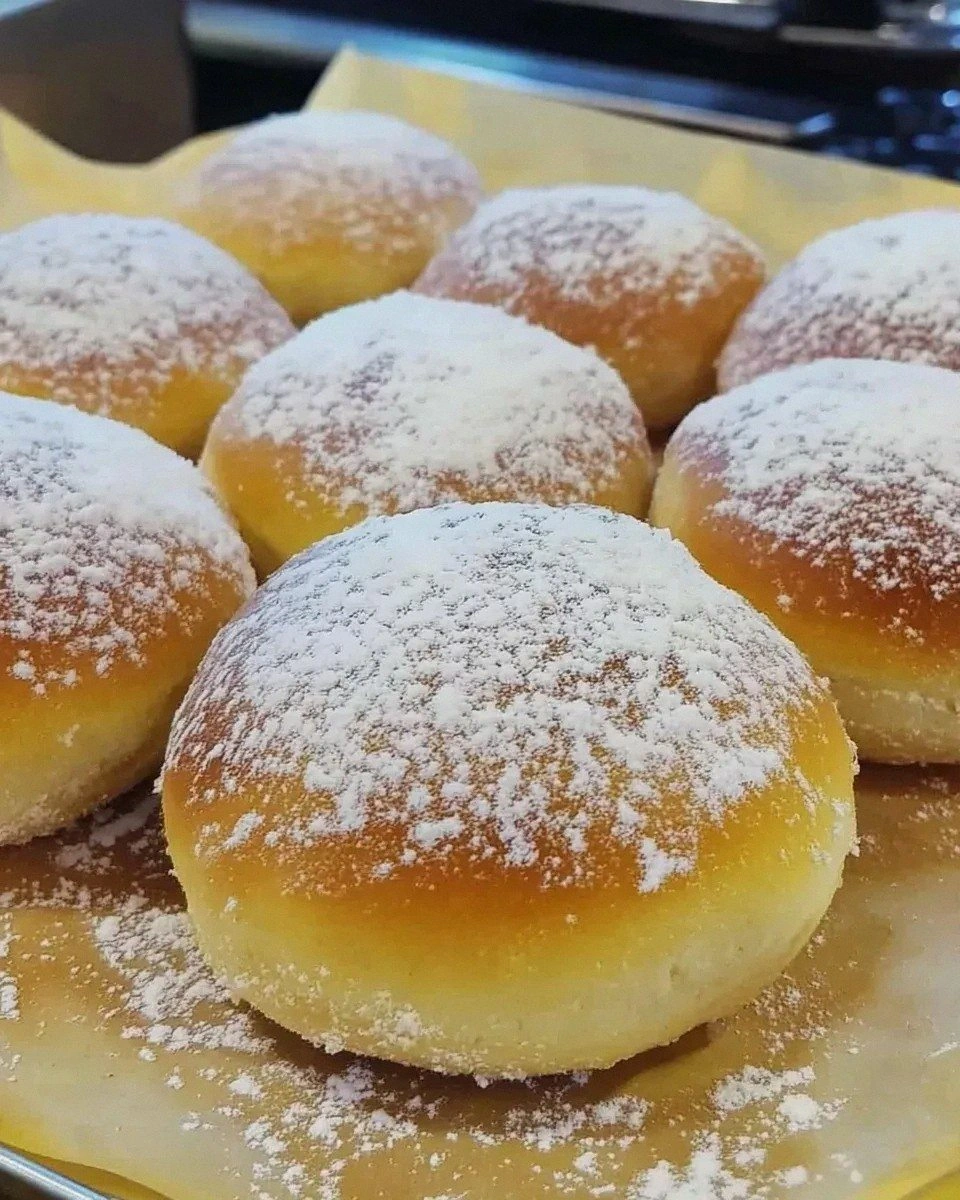
Finally, roll each filled bombolone in a generous coat of powdered sugar. The sugar should cling like a light snowfall, giving each pastry an elegant finish. Serve immediately, or store in an airtight container for up to 2 days. This next part? Pure magic. The moment you bite, the crust cracks gently, releasing a river of silky custard that will make you sigh with delight.
That's it — you did it. But hold on, I've got a few more tricks that'll take this to another level...
Insider Tricks for Flawless Results
The Temperature Rule Nobody Follows
Maintaining a steady oil temperature is crucial. If the oil is too cool, the bomboloni will absorb excess oil and become greasy; too hot, and the exterior will burn before the interior cooks through. Use a candy thermometer and adjust the heat in small increments. I once tried to multitask and left the stove unattended; the result was a batch of soggy, pale circles that tasted like fried dough rather than a delicate pastry.
Why Your Nose Knows Best
Before you even see the bomboloni, trust your sense of smell. When the dough is ready to fry, you’ll catch a faint buttery aroma that signals the butter has fully incorporated. During frying, a subtle nutty scent indicates the Maillard reaction is happening perfectly. If you ever smell a burnt odor before the golden color appears, lower the heat immediately.
The 5‑Minute Rest That Changes Everything
After shaping the circles, let them rest for a short 5‑minute period on the parchment. This tiny pause allows the gluten to relax, preventing the dough from springing back when you fry it. Skipping this step leads to a tighter bite and a less airy crumb. I once rushed this rest and ended up with a denser texture that felt more like a biscuit than a bombolone.
Butter Boost for Extra Fluff
Adding a tablespoon of melted butter to the dough just before the final knead can increase tenderness dramatically. The butter coats the gluten strands, inhibiting excessive development and resulting in a softer crumb. This is the secret I use when I want my bomboloni to feel like a cloud.
Cold Water Splash Before Reheating
If you’re reheating leftovers, sprinkle a few drops of water over each bombolone before popping them in a 350°F oven for 5‑7 minutes. The steam revives the interior moisture, making the pastry feel freshly fried. Without this trick, reheated bomboloni can become rubbery.
Creative Twists and Variations
This recipe is a playground. Here are some of my favorite ways to switch things up:
Lemon‑Zest Delight
Add the zest of one large lemon to the custard and swap half the powdered sugar for a light dusting of confectioners’ sugar mixed with a pinch of lemon zest. The bright citrus cuts through the richness, making it perfect for spring brunches.
Chocolate Hazelnut Dream
Stir 2 tablespoons of Nutella into the warm custard until fully incorporated. Finish each bombolone with a drizzle of melted chocolate and a sprinkle of toasted hazelnut crumbs. This variation turns the pastry into a decadent treat reminiscent of a gianduja tiramisu.
Coffee‑Infused Elegance
Dissolve 1 teaspoon of instant espresso powder in the milk used for the custard. Dust the finished bomboloni with a mixture of powdered sugar and a hint of cocoa powder. The subtle coffee notes pair beautifully with the vanilla base.
Spiced Pumpkin Fill
Replace the milk in the custard with canned pumpkin puree (about ½ cup) and add a pinch of pumpkin spice. This seasonal twist is perfect for autumn gatherings and adds a warm, earthy flavor profile.
Berry Burst
Fold a handful of fresh raspberries or blueberries into the custard just before it thickens. The fruit bursts release a tangy contrast that brightens the overall sweetness. Dust with powdered sugar and a few freeze‑dried berries for a visual pop.
Storing and Bringing It Back to Life
Fridge Storage
Place the filled bomboloni in an airtight container lined with a paper towel to absorb excess moisture. They stay fresh for up to 48 hours. Before serving, let them come to room temperature for 15 minutes, then give them a quick flash in a hot oven (350°F) for 3‑4 minutes.
Freezer Friendly
Unfilled dough circles freeze best. Lay them on a tray, freeze solid, then transfer to a zip‑top bag. When ready, fry them directly from frozen, adding an extra minute to the cooking time. Filled bomboloni can also be frozen; just ensure the custard is fully chilled and the pastries are wrapped individually in cling film before bagging.
Best Reheating Method
For a crisp exterior, preheat your oven to 350°F, place the bomboloni on a wire rack, and heat for 5‑7 minutes. Add a tiny splash of water to each pastry before reheating; the steam revitalizes the interior while the oven restores the golden crust.