I still remember the first time I attempted Thai cooking at home. My tiny apartment kitchen looked like a war zone—lemongrass stalks rolling off the counter, chili paste splattered across my white cabinets like a crime scene, and the smoke detector serenading me with its high-pitched wail. The shrimp? Overcooked rubber bullets. The rice? A gummy, lime-flavored disaster that could've doubled as wallpaper paste. Fast forward through three years of obsessive recipe testing, countless bags of jasmine rice, and enough chilies to make a grown chef weep, and I've finally cracked the code to what I believe is the most addictive weeknight dinner you'll ever make.
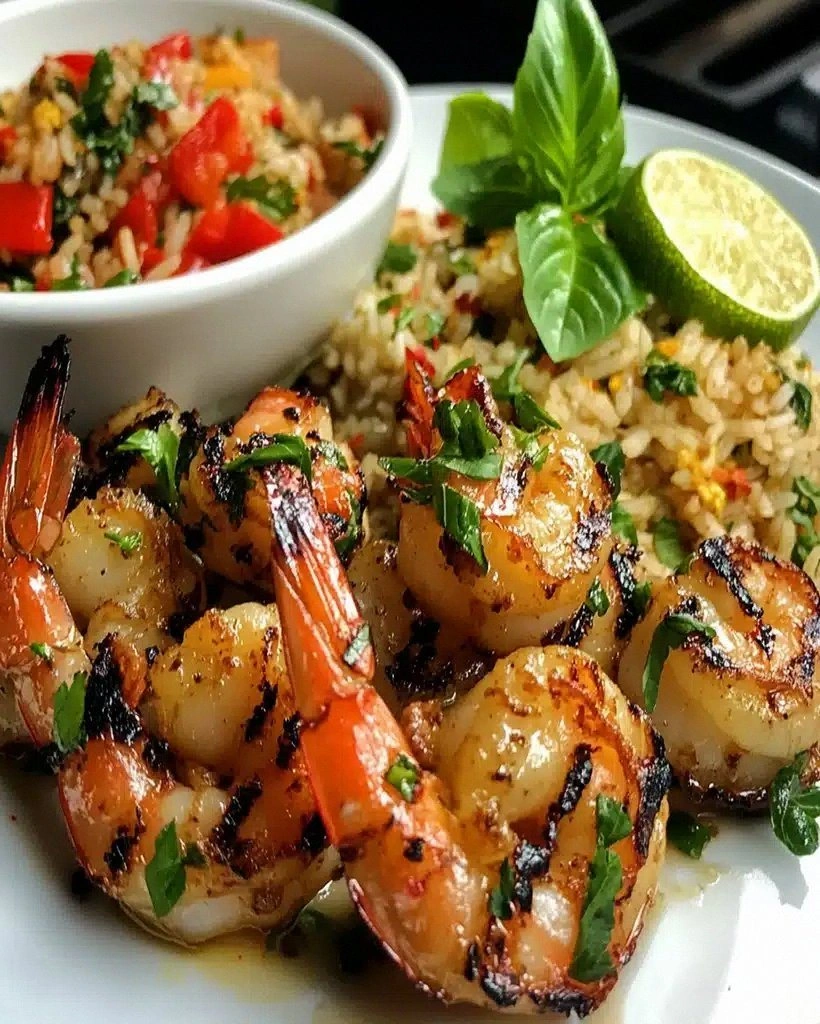
Picture this: plump shrimp marinated in a fiery blend of lemongrass, Thai chilies, and fish sauce, their edges blistering and charring on a screaming-hot grill pan. The aroma that wafts up is pure magic—bright citrus notes dancing with smoky chili heat, underpinned by that unmistakable perfume of fresh lemongrass. Meanwhile, day-old rice sizzles in your wok, each grain getting that perfect fried rice texture—separate, slightly chewy, with those coveted crispy bits that make you fight your dining companions for the bottom of the pan.
But here's where most recipes get it completely wrong. They treat the shrimp and rice as separate entities, never considering how the sweet brininess of perfectly grilled seafood can transform humble fried rice into something transcendent. The secret? That sticky marinade left in the bowl gets scraped right into the rice, carrying all those concentrated flavors into every single grain. It's the kind of kitchen hack that makes you feel like a genius, even though it takes zero effort.
I dare you to taste this dish and not immediately start planning when you can make it again. The combination hits every note you want—spicy, sour, salty, sweet, with that umami depth that makes Thai food so crave-worthy. And the best part? This entire feast comes together in under 45 minutes, making it perfect for those nights when you want restaurant-quality food without changing out of your sweatpants. Let me walk you through every single step—by the end, you'll wonder how you ever made it any other way.
What Makes This Version Stand Out
Lightning-Fast Marinade: While other recipes demand hours of marinating time, we're working smarter, not harder. The acid in lime juice and the natural enzymes in lemongrass work their magic on shrimp in just 20 minutes. Any longer and you risk ceviche-level texture, but hit that sweet spot and you get shrimp that's tender, flavorful, and perfectly cooked.
The Rice Rule: Most fried rice recipes are vague about rice age, but here's the truth—yesterday's rice is non-negotiable. Fresh rice has too much moisture, turning your stir-fry into a mushy mess. Day-old rice from the fridge has the perfect dry texture that lets each grain fry up separately, getting those addictive crispy edges that make restaurant fried rice so good.
Heat Management Mastery: This recipe teaches you the two-zone cooking method that separates home cooks from restaurant chefs. High heat for the shrimp to get that restaurant-quality char, then medium-high for the rice to build layers of flavor without burning. Most people blast everything on high and wonder why half their dinner ends up stuck to the pan.
Flavor Recycling: That marinade you usually throw away? It's liquid gold. We're scraping every last drop into the rice, along with all the concentrated flavors from the grilled shrimp plate. Nothing goes to waste, and everything tastes better for it.
One-Pan Wonder: Despite tasting like you ordered takeout from the best Thai place in town, this entire dish dirties exactly one wok and one bowl. The shrimp grill while the rice waits patiently, then everything comes together in a glorious finale that'll have your neighbors knocking on your door.
Scalable Heat: Love setting your mouth on fire? Double those Thai chilies. Prefer a gentle warmth? Seed the chilies and use half. The recipe flexes to your spice tolerance without losing its soul, making it perfect for families where one person thinks ketchup is spicy and another drinks chili oil like water.
Make-Ahead Magic: The marinade comes together in minutes and keeps for a week in the fridge. Prep it on Sunday and you'll have instant flavor bombs ready whenever the craving strikes. The rice? Make a double batch and freeze portions for emergency fried rice situations.
Inside the Ingredient List
The Flavor Foundation
Lemongrass is the aromatic backbone of this dish, but here's what nobody tells you—only the bottom four inches of the stalk have any real flavor power. The rest is just fibrous greenery that'll give you more dental floss than flavor. Look for stalks that feel heavy for their size, with tight, pale green layers that snap cleanly when bent. If you can't find fresh, the frozen stuff at Asian markets is actually better than the sad, dried-out stalks sitting in regular grocery stores for weeks.
Thai bird's eye chilies bring the heat, but they also contribute a bright, almost fruity note that you can't replicate with jalapeños. These little firecrackers are about ten times hotter than your average supermarket chili, which is why we're using them strategically. Four chilies give you a pleasant burn that builds slowly, leaving your lips tingling but not numb. If you're feeding spice-sensitive souls, swap for serranos and add an extra tablespoon of lime juice to maintain that crucial acid balance.
Fish sauce might just be the most misunderstood ingredient in Western kitchens, and I'm on a mission to convert the skeptics. Yes, it smells like funky seawater straight from the bottle, but something magical happens when it meets heat and lime juice. The pungent aroma transforms into this incredible umami depth that makes everything taste more like itself. Don't you dare substitute soy sauce—it'll throw off the entire salt balance and leave your dish tasting flat and one-dimensional.
The Seafood Stars
Size matters when it comes to shrimp, but bigger isn't always better. Extra-large 16/20 count shrimp hit the sweet spot—they're substantial enough to stay juicy on the grill but cook quickly enough to soak up that lemongrass flavor. Spend the extra money on wild-caught if you can; farm-raised shrimp can taste muddy and have a mushy texture that ruins the whole experience. And please, please don't skip the deveining step. That black vein is the shrimp's digestive tract, and leaving it in gives your dish a gritty texture and off flavor that no amount of chili can hide.
The secret to shrimp that snap when you bite them? A quick saltwater brine for just fifteen minutes before marinating. This seasons them throughout and helps them retain moisture on the grill. Skip this step and you'll get shrimp that taste like rubber bands no matter how perfectly you cook them. Trust me, I learned this the hard way after serving what my friends still call "the shoe leather incident."
The Rice Revolution
Jasmine rice isn't just a fancy name—those long, fragrant grains have the perfect starch content for fried rice. They're naturally drier than short-grain varieties, which means they fry up fluffy and separate instead of clumping together like sushi rice. The floral aroma is subtle but adds another layer of complexity that plain white rice just can't match. If jasmine isn't available, basmati works in a pinch, but avoid anything labeled "sushi rice" unless you want to end up with a starchy brick.
Day-old rice from the fridge is your texture insurance policy. The cold, dry environment helps each grain develop a protective coating of starch that prevents them from absorbing too much oil and turning greasy. If you're starting with fresh rice, spread it on a baking sheet and pop it in the freezer for 30 minutes while you prep everything else. It's not quite the same as overnight rice, but it's infinitely better than trying to fry steaming hot grains straight from the rice cooker.
The Final Flourish
Lime zest might seem like a garnish, but it's actually a crucial flavor component that you can't skip. The oils in the zest contain different compounds than the juice—more floral, less acidic, with hints of pine and eucalyptus. A microplane zester is worth every penny here; you want just the bright green outer layer, not the bitter white pith underneath. One lime gives you enough zest for four batches, so if you're cooking for a crowd, zest all your limes before juicing any of them.
Thai basil brings an anise-like note that ties the whole dish together, but here's the thing—it's completely different from Italian basil. Thai basil has purple stems, smaller leaves, and a spicy kick that regular basil lacks. Can't find it? Mint makes a surprisingly good substitute, giving you that same bright freshness with a different herbal direction. Whatever you do, don't reach for dried herbs—they'll taste like hay and ruin all your hard work.
The Method — Step by Step
- Brine Your Shrimp Like a Pro: Dissolve 2 tablespoons of salt in 2 cups of cold water, then add your peeled and deveined shrimp. Let them swim in this salty spa for exactly 15 minutes while you prep everything else. This seasons them throughout and helps them stay plump on the grill. Don't go longer than 20 minutes or you'll start curing them like ceviche. After brining, drain thoroughly and pat dry with paper towels—excess moisture is the enemy of good grill marks.
- Build Your Flavor Bomb Marinade: In your largest bowl, whisk together minced lemongrass, Thai chilies, fish sauce, lime juice, brown sugar, and a splash of neutral oil. The sugar helps everything caramelize, while the oil prevents the shrimp from sticking to your grill pan. Taste it—yes, it's intense, but that's exactly what you want. The flavors will mellow during cooking, so don't panic if it feels like face-melting heat right now.
- Coat and Conquer: Toss your dried shrimp in the marinade until every piece is slicked with that fragrant mixture. Use your hands here—gloves save your skin from chili burn, but bare hands let you feel when each shrimp is perfectly coated. Set a timer for 20 minutes; any longer and the acid starts breaking down the proteins, giving you mushy seafood. While they marinate, prep your rice and chop your aromatics.
- Heat Your Pan to the Sweet Spot: Place your grill pan or cast-iron skillet over medium-high heat until a drop of water dances and evaporates instantly. You want it hot enough to sear but not so hot that the sugar in your marinade burns. Brush lightly with oil—just enough to prevent sticking, not so much that you're deep-frying. The pan is ready when you can feel the heat radiating up from the surface.
- Sear for Success: Working in batches, lay shrimp in a single layer without crowding. Hear that immediate sizzle? That's the sound of flavor being sealed in. Cook for exactly 2 minutes per side—no more, no less. They're done when they're pink and opaque, with lightly charred edges. Transfer to a plate and resist the urge to eat them all while you cook the rice.
- Start Your Rice Revolution: In the same pan (don't you dare wash it—that fond is flavor gold), add a touch more oil and crank the heat to high. Add your day-old rice, breaking up any clumps with a wooden spoon. Listen for the crackle and pop—that's the sound of each grain getting crispy edges. Keep everything moving for about 3 minutes until the rice is heated through and starting to take on color.
- Build Layers of Flavor: Push the rice to the sides, creating a well in the center. Add beaten eggs here, letting them set for 30 seconds before scrambling and mixing through the rice. This gives you distinct bits of egg throughout instead of just coating everything. Add your aromatics—minced garlic, ginger, and the whites of your scallions—stir-frying until fragrant. Your kitchen should smell incredible right about now.
- The Grand Finale: Pour in any remaining marinade from the shrimp bowl, plus the juices that have collected on the resting plate. This is concentrated flavor liquid, and wasting it should be a crime. Toss everything together until the rice is evenly coated and slightly sticky. Finish with lime zest, Thai basil, and green scallion tops. The heat from the rice will wilt the herbs just enough to release their oils without turning them brown and sad.
That's it—you did it. But hold on, I've got a few more tricks that'll take this to another level...
Insider Tricks for Flawless Results
The Temperature Rule Nobody Follows
Here's the thing about cooking shrimp—they're basically little protein time bombs. Pull them off the heat when they're just barely opaque in the center, around 120°F internal temperature. They'll continue cooking from residual heat, ending up perfectly tender instead of rubbery. I use an instant-read thermometer because I'm not about to gamble with a $15 bag of shrimp. If you don't have one, look for shrimp that form a loose "C" shape—if they're curled into a tight "O," you've gone too far and there's no saving them.
Why Your Nose Knows Best
Your sense of smell is the most underrated kitchen tool you own. When the lemongrass hits hot oil, you should get a bright, citrusy aroma that's almost electric. If it smells flat or musty, your lemongrass is past its prime and you need fresh stalks. The same goes for Thai basil—it should smell like anise and pepper, not like the dried herbs in your spice cabinet. Trust your nose; it's been thousands of years in the making and it's never wrong about freshness.
The 5-Minute Rest That Changes Everything
After you've combined the shrimp and rice, walk away for five minutes. Seriously. This brief rest lets the flavors meld and the temperature equalize. The rice absorbs just enough of those concentrated juices to become even more flavorful, while the shrimp relax and lose that tense, just-cooked texture. Use this time to set the table, open a beer, or just bask in the glory of what you've created. Your patience will be rewarded with a dish that tastes like it's been developing flavors for hours.
The Wok Hei Secret
That elusive wok flavor you get at restaurants? It's called wok hei, and while you can't fully replicate it on a home stove, you can get pretty close. The trick is cooking in small batches and letting the pan recover its heat between additions. When you add the rice, don't stir constantly—let it sit for 30 seconds to develop those slightly charred, smoky bits. This isn't just about heat; it's about the Maillard reaction creating hundreds of new flavor compounds that'll make your taste buds sing.
The Garnish Game-Changer
Don't just throw herbs on top and call it a day. Stack them in layers—some mixed into the hot rice so they wilt and release their oils, some scattered on top for fresh brightness, and a few reserved to add right before serving so you get that pop of color and aroma. The same goes for lime wedges—serve them on the side so people can adjust the acid to their taste. Some like it bright and zingy, others prefer letting the chilies do the talking.
Creative Twists and Variations
This recipe is a playground. Here are some of my favorite ways to switch things up:
Firecracker Chicken Version
Swap the shrimp for bite-sized pieces of chicken thigh, marinated for at least an hour since poultry needs more time to absorb flavors. Grill until the edges are caramelized and the centers hit 165°F. The chicken's richness pairs beautifully with the bright herbs, and you can get away with using less oil since chicken doesn't stick as much as shrimp.
Veggie-Packed Power Rice
Transform this into a vegetarian showstopper by replacing shrimp with cubes of firm tofu that you've pressed and marinated just like the seafood. Add a rainbow of vegetables—bell peppers for sweetness, snap peas for crunch, and maybe some thinly sliced carrots for color. The key is cooking each vegetable separately so they keep their distinct textures and flavors.
Island Style Tropical Heat
Add a can of coconut milk to your marinade for a richer, more tropical version. The coconut's sweetness balances the chilies beautifully, creating this silky sauce that coats everything. Stir in some diced pineapple at the very end for bursts of juicy sweetness that play against the heat. It's like a Thai vacation in a bowl.
Surf and Turf Deluxe
Why choose between land and sea when you can have both? Use half shrimp and half thinly sliced beef or pork. The different proteins bring their own flavors and textures, and the varied cooking times keep things interesting. Just remember to cook them separately since beef needs longer than shrimp.
Breakfast Fried Rice Remix
Morning after a party? Turn this into breakfast by adding a runny fried egg on top and swapping the Thai basil for cilantro. The egg yolk creates this rich sauce when you break it over the spicy rice, and it's honestly better than any hangover cure I've tried. Add some crispy bacon if you're feeling indulgent.
Low-Carb Cauliflower Rice
For those watching carbs, cauliflower rice works surprisingly well here. The trick is roasting it first to drive off moisture, then treating it exactly like regular rice in the stir-fry. It won't have the same chewy texture, but all those Thai flavors translate beautifully. Just reduce the cooking time since cauliflower cooks much faster than rice.
Storing and Bringing It Back to Life
Fridge Storage
Pack leftovers in shallow containers so they cool quickly—deep piles of rice can stay warm enough to grow bacteria in the center. It'll keep for up to four days, though the shrimp are best within the first two. Store the herbs separately if possible; they'll stay green and fresh instead of turning black and slimy. When reheating, add a splash of water and cover loosely to steam the rice back to life.
Freezer Friendly
This dish freezes surprisingly well if you leave out the fresh herbs. Portion it into meal-sized bags, squeeze out the air, and freeze for up to three months. The shrimp texture suffers a bit, but the flavors stay bright. Thaw overnight in the fridge, then reheat in a covered pan with a tablespoon of water. Add fresh herbs right before serving to wake everything up.
Best Reheating Method
Skip the microwave—it turns shrimp into rubber and rice into mush. Instead, reheat in a covered pan over medium heat with a splash of water. The steam will revive the rice without making it greasy, and gentle heat won't overcook the shrimp. Stir occasionally, and when it's hot through, add a squeeze of fresh lime and some new herbs to brighten everything up. It's almost like you just made it.