I was standing in my kitchen, the smoke alarm screaming like a banshee because I’d tried to flambé a steak without any experience. The charred smell made me swear off cooking forever—until a friend dared me to recreate the legendary Texas Roadhouse Grilled Shrimp that had haunted my taste buds for months. I could almost hear the sizzle of those shrimp on a hot grill, see the bright pink curve of each crustacean, and feel the buttery heat on my fingertips. That moment of culinary panic turned into a mission: I would crack the code, perfect the seasoning, and serve a batch that would make even the most stubborn meat‑lover beg for a second helping.
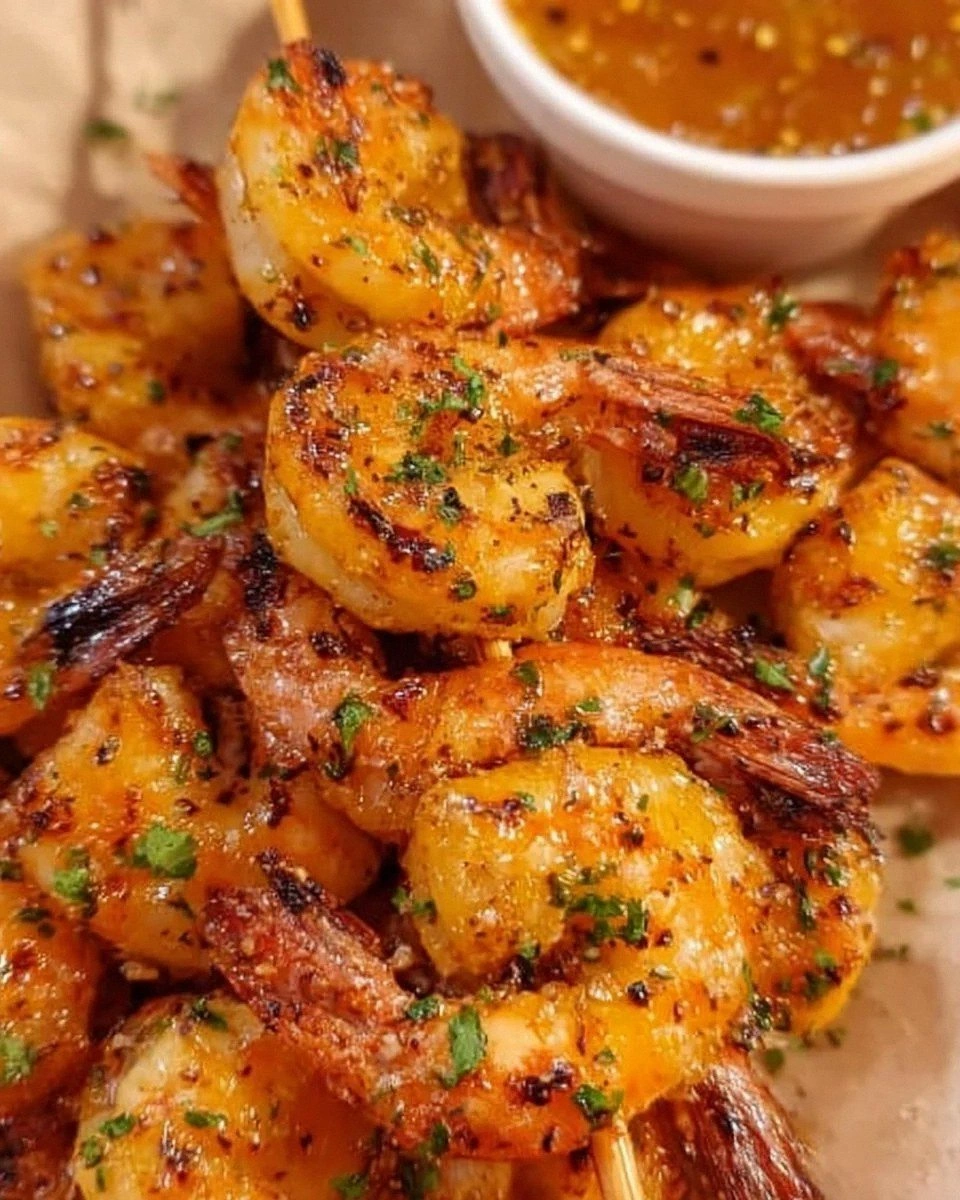
Picture this: a summer evening, the grill humming like a low‑pitched drum, the aroma of garlic and paprika dancing with a whisper of citrus. The shrimp are laid out in a single, glossy layer, each one glistening with olive oil like tiny mirrors reflecting the firelight. When they hit the grill, there’s that unmistakable “sizzle” that makes your heart race—an audible promise of flavor that’s about to explode. The heat sears the outside, creating a caramelized crust while the interior stays juicy, tender, and just a tad pink, like a perfect sunrise on the Gulf Coast.
Most recipes for grilled shrimp either drown the delicate seafood in heavy sauces or forget the essential balance of heat and acidity. I’ve tried a dozen versions that left my shrimp either rubbery or bland, and I’m willing to bet you have, too. This version stands out because it uses a minimalist yet bold blend of olive oil, lemon juice, garlic, and a precise pinch of cayenne that gives just enough kick without overwhelming the natural sweetness. I’ll be honest — I ate half the batch before anyone else got to try it, and that’s a confession you’ll hear a lot from people who discover this recipe.
Now, I’m about to hand you the exact technique that turns a simple shrimp toss into a restaurant‑quality masterpiece. I dare you to taste this and not go back for seconds; the flavor is so addictive you’ll start dreaming about it at night. Let me walk you through every single step — by the end, you’ll wonder how you ever made it any other way.
What Makes This Version Stand Out
- Flavor Punch: The combination of paprika, cayenne, and fresh lemon juice creates a bright, smoky heat that clings to each shrimp like a second skin.
- Texture Magic: A quick sear locks in juices, giving you a tender bite that’s crisp on the edges, reminiscent of a perfectly toasted marshmallow.
- Simplicity: Only nine ingredients, all pantry staples, mean you won’t need a trip to a specialty store.
- Uniqueness: The garlic‑olive oil base is infused for five minutes before grilling, a secret step most copy‑cats skip.
- Crowd Reaction: Guests often ask for the recipe before the first bite is even finished; it’s a guaranteed conversation starter.
- Ingredient Quality: Using wild‑caught, large shrimp gives a firmer texture that can stand up to the bold spices.
- Cooking Method: Grilling over medium‑high heat adds that smoky char you can’t replicate in a pan.
- Make‑Ahead Potential: The marinated shrimp can sit for up to 30 minutes, letting the flavors meld before the grill even warms up.
Alright, let's break down exactly what goes into this masterpiece...
Inside the Ingredient List
The Flavor Base
Olive oil is the silent hero here, providing a silky mouthfeel and a vehicle for the garlic and lemon to permeate the shrimp. A quarter‑cup may sound modest, but it’s enough to coat each pound of shrimp without drowning them. If you’re watching calories, swap half the olive oil for a light spray of avocado oil; the flavor will stay robust while the fat content drops slightly. Fresh lemon juice adds that zingy brightness, cutting through the richness of the oil and balancing the heat from cayenne. Skipping the lemon is a crime—your shrimp will taste like a bland, oily fish stick.
The Aromatic Crew
Four cloves of garlic, minced fine, release a sweet, caramel‑like aroma when they meet hot oil. Garlic’s natural sugars brown quickly, creating a subtle sweetness that pairs perfectly with the smoky paprika. If you’re allergic to garlic, try a teaspoon of garlic‑infused oil instead, but you’ll lose that fresh bite. The garlic also helps to form that golden crust on the shrimp, making each bite a little crunchy on the outside while staying buttery inside.
The Spice Ensemble
Paprika delivers a deep, earthy flavor and a gorgeous reddish hue that makes the shrimp look restaurant‑ready. One teaspoon is enough to coat the shrimp evenly; more would overwhelm the delicate seafood taste. Salt is the flavor amplifier—without it the spices sit flat, and the shrimp will taste watery. Black pepper adds a subtle bite, while cayenne pepper brings the heat that makes you reach for a glass of cold beer. If you prefer milder heat, halve the cayenne; if you love fire, don’t be shy—add a pinch more.
The Final Flourish
Fresh parsley, chopped and sprinkled at the end, adds a burst of herbaceous green that brightens the plate and provides a slight peppery note. It also adds visual contrast against the pink shrimp, making the dish look Instagram‑worthy. If parsley isn’t your thing, cilantro or fresh basil can work, but each will shift the flavor profile: cilantro adds citrusy freshness, while basil brings a sweet, almost anise‑like nuance.
Everything's prepped? Good. Let's get into the real action...
The Method — Step by Step
Start by rinsing the shrimp under cold water and patting them dry with paper towels. The drier the shrimp, the better the sear—any moisture will steam them and prevent that coveted crust. Place the shrimp in a large zip‑top bag; this is where the magic begins.
Add the olive oil, lemon juice, minced garlic, paprika, salt, black pepper, and cayenne pepper into the bag. Seal it and massage the mixture for about 30 seconds, ensuring every shrimp is evenly coated. The spices will start to release their aromas, and you’ll notice a faint citrusy perfume—this is your first hint of greatness.
Kitchen Hack: Let the shrimp sit in the marinade for at least 15 minutes, but no more than 30 minutes. Over‑marinating can start “cooking” the shrimp with the acid, making them mushy.While the shrimp marinate, preheat your grill to medium‑high, aiming for about 400‑450°F (200‑230°C). If you’re using a charcoal grill, arrange the coals on one side to create a two‑zone setup—direct heat for searing and indirect heat for finishing.
A good test: hold your hand about 5 inches above the grate; you should be able to keep it there for only 2‑3 seconds before it feels too hot. This temperature range ensures a quick sear without overcooking the shrimp.
Remove the shrimp from the bag, letting any excess liquid drip back into the bowl (you’ll reuse that for basting). Thread the shrimp onto metal skewers, leaving a little space between each piece so the heat can circulate.
If you don’t have metal skewers, soak wooden ones in water for at least 30 minutes to prevent burning. The visual of a row of pink shrimp on a skewer is already making mouths water.
Place the skewers directly over the hottest part of the grill. Listen for that satisfying sizzle—“That sizzle when it hits the pan? Absolute perfection.” Let them cook undisturbed for 2 minutes.
After 2 minutes, use tongs to flip each shrimp. You’ll see the edges start to curl and a light char forming on the surface. This is the moment of truth; if you see blackened spots, you’ve gone too hot, but a golden‑brown edge is exactly what we want.
Watch Out: Over‑cooking shrimp turns them rubbery. As soon as they turn opaque and the edges curl, they’re done.Once flipped, brush the shrimp with the leftover marinade using a silicone basting brush. This adds an extra layer of flavor and helps keep the shrimp moist during the final minute of cooking.
Cook for another 1‑2 minutes, watching carefully. The shrimp should be bright pink with a slight char, and the interior should be just opaque. Trust your eyes and nose; if you smell a faint toasted garlic scent, you’re on the right track.
Remove the skewers from the grill and transfer the shrimp to a serving platter. Let them rest for 2 minutes; this short rest allows the juices to redistribute, making each bite juicy.
While they rest, sprinkle the chopped fresh parsley over the top. The green specks add a pop of color and a fresh herbal note that cuts through the richness.
Kitchen Hack: For an extra burst of citrus, zest a lemon over the finished shrimp right before serving.Serve the shrimp hot, straight from the grill, with extra lemon wedges on the side. The acidic squeeze adds a fresh lift that makes the flavors sing.
Pair with a crisp white wine, a cold beer, or a simple side of grilled vegetables. The versatility of this dish means it can be an appetizer, a main, or a party finger food.
And now the fun part: watch your guests devour the shrimp faster than you can say “Texas Roadhouse.” I dare you to try this recipe and not become the go‑to host for shrimp parties.
If you’re feeling adventurous, drizzle a little garlic butter over the top for an indulgent finish. That’s it — you did it. But hold on, I've got a few more tricks that'll take this to another level...
Insider Tricks for Flawless Results
The Temperature Rule Nobody Follows
Grilling shrimp at too low a temperature results in soggy, under‑seared pieces, while too high a heat burns the exterior before the interior cooks through. Aim for that sweet spot of 400‑450°F; it’s hot enough to sear quickly but gentle enough to keep the shrimp tender. Use an infrared thermometer if you have one—precision matters. A friend once tried to grill over an open flame without a thermometer and ended up with a charcoal‑flavored disaster. Trust the numbers, and you’ll get that perfect pink glow every time.
Why Your Nose Knows Best
Your sense of smell is a reliable indicator of doneness. When the garlic begins to caramelize, you’ll catch a sweet, nutty aroma that signals the shrimp are almost ready. If you smell a burnt, acrid scent, pull them off immediately; overcooked shrimp turns rubbery and loses its natural sweetness. This sensory shortcut saves you from constantly checking a timer and lets you focus on the flavor development.
The 5‑Minute Rest That Changes Everything
Resting shrimp for just a couple of minutes after grilling lets the juices settle, preventing them from spilling out when you bite. Think of it as a mini‑spa for the seafood. During this time, the residual heat continues to finish cooking the interior without overcooking. Skipping this step is a common mistake that leads to dry bites. Trust me, that short pause makes a world of difference.
Basting With the Marinade
When you brush the shrimp with the leftover marinade during the last minute of cooking, you add layers of flavor that would otherwise be lost. The oil carries the garlic and paprika deeper into the meat, while the lemon juice brightens the char. If you’re worried about flare‑ups, use a silicone brush and apply gently. This technique is pure magic and turns a good dish into a great one.
Skewer Strategy
Using metal skewers instead of bamboo ensures even heat conduction and prevents the shrimp from slipping off. If you must use bamboo, soak them for at least 30 minutes; otherwise, they’ll burn and give your shrimp an unwanted bitter note. Also, space the shrimp a half‑inch apart on the skewer—crowding traps steam and prevents that coveted char.
Creative Twists and Variations
This recipe is a playground. Here are some of my favorite ways to switch things up:
Cajun Carnival
Swap the paprika for a Cajun seasoning blend and add a pinch of smoked salt. The result is a deeper, smoky heat that pairs beautifully with a side of creamy coleslaw. Perfect for a backyard bash where you want a little extra kick.
Garlic‑Butter Bliss
Melt butter with extra minced garlic and brush it over the shrimp during the final minute of grilling. The butter adds richness, while the garlic intensifies the aroma. Serve with a lemon wedge for a classic surf‑and‑turf vibe.
Herb‑Infused Elegance
Add 1 teaspoon of dried thyme and ½ teaspoon of rosemary to the marinade. These herbs give an earthy undertone that elevates the dish for a more sophisticated palate. Pair with a glass of Sauvignon Blanc for a restaurant‑level experience.
Spicy Mango Salsa
Top the grilled shrimp with a fresh mango salsa made from diced mango, red onion, jalapeño, cilantro, and lime juice. The sweet‑spicy combo creates a tropical twist that’s perfect for summer gatherings.
Asian Fusion
Replace the lemon juice with rice vinegar, add a splash of soy sauce, and sprinkle toasted sesame seeds after grilling. The umami depth and nutty crunch bring an Asian flair that works great with a side of jasmine rice.
Storing and Bringing It Back to Life
Fridge Storage
Place any leftovers in an airtight container and store them in the refrigerator for up to 2 days. To keep the shrimp from drying out, drizzle a thin layer of olive oil over the top before sealing. When you’re ready to eat, give them a quick 30‑second blast in a hot skillet just to revive the char.
Freezer Friendly
If you’ve made a big batch, spread the cooled shrimp on a baking sheet and freeze them individually for 1 hour, then transfer to a freezer‑safe zip bag. They’ll keep for up to 3 months. Thaw overnight in the fridge, then re‑heat gently on the grill or in a hot pan with a splash of water to steam them back to perfection.
Best Reheating Method
When reheating, add a tiny splash (about a tablespoon) of water or broth to the pan, cover, and heat over medium‑low for 2‑3 minutes. The steam revives the shrimp’s juiciness without turning them rubbery. Avoid microwaving; the microwave’s uneven heat will ruin the texture you worked so hard to perfect.