It was a Tuesday that turned into a culinary fiasco. I had just pulled a bag of frozen salmon out of the freezer, thinking it would be a quick weeknight dinner, and the moment it hit the pan it started sizzling louder than a fireworks show. The kitchen smelled like a mix of burnt sugar and soy sauce, and I realized I’d forgotten the essential teriyaki sauce. That moment of panic turned into a spark of creativity: what if I could turn that disaster into a bowl that’s as vibrant as a sunrise, as satisfying as a hug, and as Instagram‑worthy as a neon sign? I’m about to show you how.
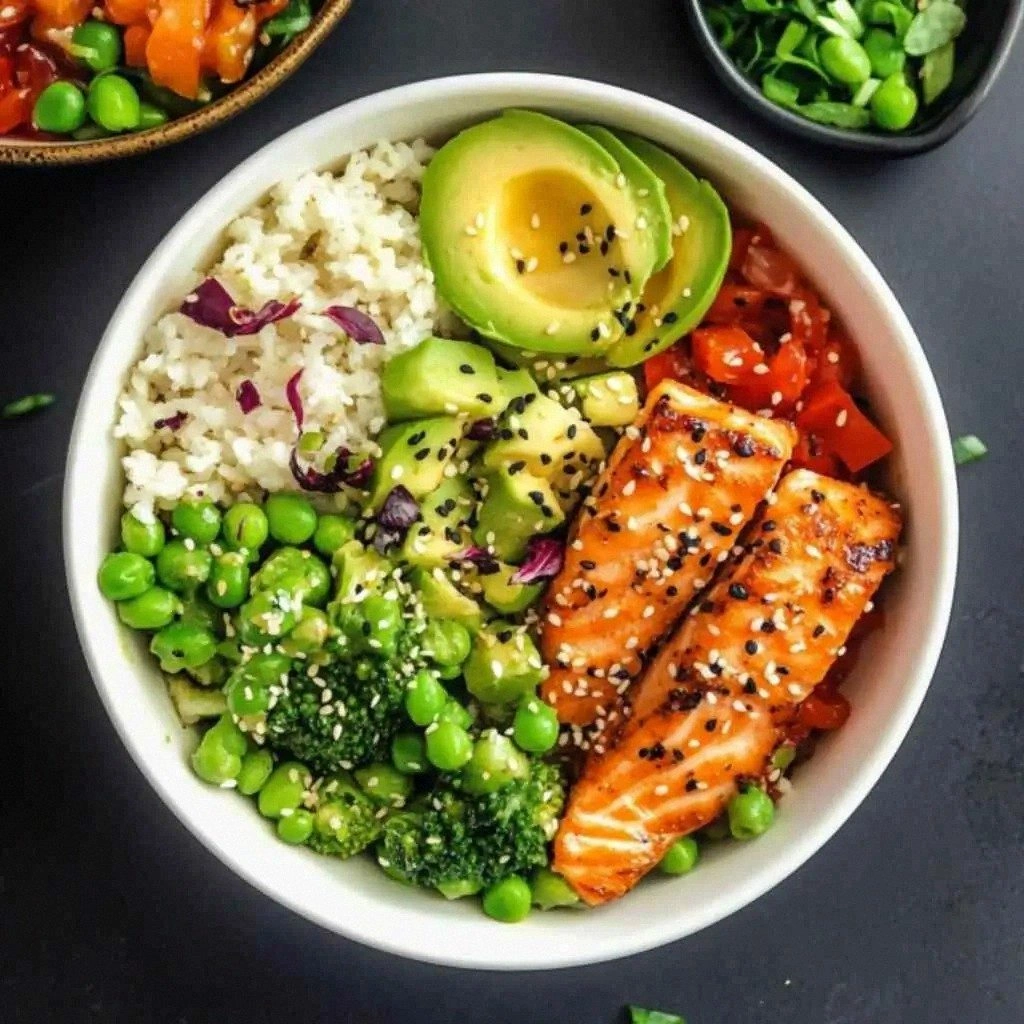
Picture this: a bed of fluffy jasmine rice, a perfectly seared salmon fillet glazed in a glossy teriyaki sauce that coats the flesh like velvet, a rainbow of fresh vegetables that crunch with every bite, and a sprinkle of toasted sesame seeds that adds a subtle nutty crunch. The aroma is a sweet, umami-rich perfume that lingers in the air long after the last bite. The texture is a harmonious blend of tender fish, crisp veggies, and silky sauce. The color palette is a visual feast: golden salmon, emerald cucumber, blush carrot, and bright avocado. And the best part? It’s a single bowl that satisfies every craving in one sitting.
What makes this version stand out is that it’s not just a bowl; it’s a symphony of flavors and textures that dance together. I’ve stripped away the clutter, kept the ingredients fresh, and added a few secret tricks that elevate the dish from ordinary to unforgettable. This isn’t the run‑of‑the‑mill teriyaki bowl you’ll find in a grocery store; it’s a hand‑crafted masterpiece that will have your friends asking for the recipe. I dare you to taste this and not go back for seconds.
I’m going to walk you through every single step, from the first chop to the final drizzle, and by the end, you’ll wonder how you ever made it any other way. Get ready to feel the heat, the crunch, and the sweet finish that will leave your taste buds singing. The next few sections will reveal the secrets that make this bowl the best version you’ll ever make at home.
What Makes This Version Stand Out
- Flavor: The teriyaki glaze is a balance of sweet, salty, and umami that coats every surface of the salmon and rice, creating a mouthwatering finish that lingers.
- Texture: Crisp-edged cucumber, tender avocado, and a slight snap from the edamame provide a delightful contrast to the silky sauce.
- Ingredient Quality: Using fresh, high‑grade salmon and hand‑picked vegetables ensures each bite is bursting with natural flavor.
- Visual Appeal: The bowl is a rainbow of colors that makes the dish as pleasing to the eye as it is to the palate.
- Ease of Prep: The recipe breaks down into clear, manageable steps that even a novice can follow without feeling overwhelmed.
- Make‑Ahead Friendly: The teriyaki sauce can be pre‑made, and the bowl can be assembled in advance for busy weeknights.
- Versatility: Swap out the salmon for tofu or shrimp, and the bowl remains deliciously balanced.
- Health Conscious: Packed with omega‑3s, fiber, and complex carbs, this bowl keeps you full and energized.
Alright, let’s break down exactly what goes into this masterpiece…
Inside the Ingredient List
The Flavor Base
The teriyaki sauce is the heart of this bowl. It’s a simple blend of soy sauce, mirin, honey, rice vinegar, ginger, garlic, and a splash of sesame oil. Each component plays a vital role: soy sauce provides depth, mirin adds sweetness, honey brings caramel notes, and rice vinegar gives a bright lift. Skipping any of these would leave the sauce flat and one‑dimensional. For a gluten‑free twist, swap soy sauce for tamari.
The Texture Crew
Edamame, cucumber, carrots, radishes, and avocado are the crunchy, creamy, and refreshing elements that create a textural tapestry. Edamame offers a pop of protein and a slight nuttiness; cucumber keeps the bowl cool; carrots add earthy sweetness; radishes bring a peppery bite; and avocado delivers silky richness. If you’re short on time, frozen edamame works fine—just steam it briefly. Choosing firm, fresh produce ensures each bite is crisp.
The Unexpected Star
Toasted sesame seeds are the secret sauce that ties everything together. They add a subtle nutty crunch and a burst of aroma that elevates the bowl’s overall profile. Sprinkle them generously before serving. If you’re a sesame lover, you can double the amount for an extra pop.
The Final Flourish
A drizzle of lime juice at the end brightens the dish and cuts through the sweetness of the teriyaki glaze. Scallions add a fresh, oniony note, and a light dusting of toasted sesame oil gives the bowl a glossy sheen. These finishing touches transform a great bowl into an unforgettable meal. If you prefer a more citrusy kick, add a splash of yuzu or orange juice.
Everything’s prepped? Good. Let’s get into the real action…
The Method — Step by Step
- Begin by rinsing the jasmine rice under cold water until the water runs clear. This removes excess starch and keeps the grains fluffy. In a medium saucepan, combine the rinsed rice with 2 cups of water. Bring to a boil, then reduce heat to low, cover, and simmer for 15 minutes. After 15 minutes, remove from heat, cover, and let stand for 10 minutes. Fluff with a fork before serving.
- While the rice cooks, combine soy sauce, mirin, honey, rice vinegar, grated ginger, minced garlic, and sesame oil in a small bowl. Whisk until the honey dissolves and the mixture is smooth. This will be your teriyaki glaze. Keep it aside; you’ll use it to coat the salmon.
- Pat the salmon fillets dry with paper towels to remove excess moisture. This ensures a crisp sear. Season each fillet with a pinch of salt and pepper on both sides. Heat a non‑stick skillet over medium‑high heat and add a teaspoon of sesame oil. When the oil shimmers, place the salmon fillets skin‑side down. Sear for 4–5 minutes until the skin is crisp and the edges start to pull away.
- Flip the salmon fillets gently and pour the teriyaki glaze over the top. Reduce the heat to medium and let the sauce thicken slightly, about 2–3 minutes. The sauce should coat the fish like a glossy coat of honey. Turn the fillets once more to ensure even glazing. This step is the moment of truth; if you walk away from the stove here, the sauce may burn.
- Remove the salmon from the skillet and let it rest on a cutting board for 2 minutes. This allows the juices to redistribute. While it rests, steam the edamame for 3–4 minutes until bright green and tender. Drain and season lightly with salt.
- Slice the cucumber, carrots, and radishes into thin matchsticks or julienne strips. Dice the avocado into cubes. These fresh veggies add crunch and a burst of color to the bowl.
- To assemble the bowl, start with a base of fluffy jasmine rice. Arrange the sliced veggies in a rainbow pattern on top. Place the glazed salmon fillet in the center. Scatter the edamame, avocado cubes, and chopped scallions around. Sprinkle toasted sesame seeds over the entire bowl.
- Finish with a generous drizzle of lime juice and a light drizzle of toasted sesame oil. Toss gently to combine all flavors. Serve immediately, and watch the steam rise like a fragrant cloud. That sizzle when it hits the pan? Absolute perfection.
That’s it — you did it. But hold on, I’ve got a few more tricks that will take this to another level.
Insider Tricks for Flawless Results
The Temperature Rule Nobody Follows
Cooking salmon at the right temperature is crucial. A high heat sears the skin without overcooking the flesh. Aim for medium‑high heat; if the oil starts smoking, lower the heat. A good rule of thumb: the salmon should take 4–5 minutes per side to cook through. If you’re unsure, use a meat thermometer; the internal temperature should reach 145°F (63°C).
Why Your Nose Knows Best
Smell is your best friend when cooking. A sweet, caramelized aroma signals that the teriyaki glaze is ready. If the sauce smells burnt or bitter, it’s overdone. Trust your nose to guide you to the perfect finish. A quick sniff test can save you from a ruined sauce.
The 5‑Minute Rest That Changes Everything
Letting the salmon rest for 2–3 minutes after cooking allows the juices to redistribute, preventing a dry bite. A longer rest can make the fish too soft. This small pause makes a huge difference in texture and flavor. I’ve seen people skip it and end up with a dry, unappetizing fish.
Layering for Visual Impact
When assembling the bowl, layer the ingredients in a way that showcases color. Start with rice, then place veggies in a radial pattern, and finish with the salmon. This not only looks great but also ensures each spoonful has a balanced mix of flavors. If you’re plating for a crowd, this visual trick impresses guests instantly.
Finishing Touches to Elevate Flavor
A splash of lime juice brightens the dish and cuts the sweetness of the teriyaki glaze. Toasted sesame oil adds a nutty aroma, and a sprinkle of scallions gives a fresh, oniony note. These finishing touches transform a good bowl into an unforgettable meal. If you’re feeling adventurous, add a pinch of red pepper flakes for a subtle heat.
Creative Twists and Variations
This recipe is a playground. Here are some of my favorite ways to switch things up:
Spicy Sriracha Twist
Swap the teriyaki glaze for a sriracha‑honey mix. Add a tablespoon of sriracha to the sauce for a fiery kick that balances the sweetness. Perfect for those who love heat.
Coconut Curry Version
Use coconut milk in place of water for the rice, and add a teaspoon of curry powder to the sauce. The result is a creamy, aromatic bowl that feels like a tropical vacation.
Vegan Salmon Substitute
Replace the salmon with marinated tofu cubes or tempeh. Press the tofu to remove excess moisture, then sear until crisp. The tofu absorbs the teriyaki glaze beautifully.
Mediterranean Flair
Add diced tomatoes, olives, and feta cheese. Use a lemon‑herb vinaigrette instead of lime. This variation brings a bright, tangy Mediterranean vibe.
Pineapple Teriyaki
Grill pineapple slices and serve alongside the salmon. The caramelized pineapple adds a tropical sweetness that pairs wonderfully with the teriyaki glaze.
Asian Noodle Bowl
Swap jasmine rice for soba or udon noodles. Toss the noodles with the teriyaki glaze and top with the same fresh veggies. This version is hearty and comforting.
Storing and Bringing It Back to Life
Fridge Storage
Store the assembled bowl in an airtight container in the refrigerator for up to 2 days. Keep the salmon separate from the veggies to maintain freshness. Reheat gently in the microwave for 1–2 minutes, or on the stovetop over low heat.
Freezer Friendly
For longer storage, keep the rice, salmon, and veggies separately in freezer‑proof containers. Freeze for up to 3 months. When ready to serve, thaw overnight in the refrigerator, then reheat as described above.
Best Reheating Method
Add a splash of water or broth before reheating to keep the rice moist. Reheat on low heat, stirring occasionally, until everything is piping hot. This technique ensures the bowl tastes fresh, not soggy.