Last week I was halfway through a dinner party when the kitchen turned into a disaster zone. The shrimp I was about to sauté had already been marinated in a bland mixture of soy sauce and water, and the guests were already asking for something with a kick. I stared at the pot, then at the clock, and decided to throw caution to the wind and whip up something that would make everyone forget the culinary calamity. The result? A dish that exploded with heat, sweetness, and that unmistakable Szechuan peppercorn bite that left everyone reaching for their glasses. I know I’ve found the ultimate version of this dish, and I’m about to share every detail.
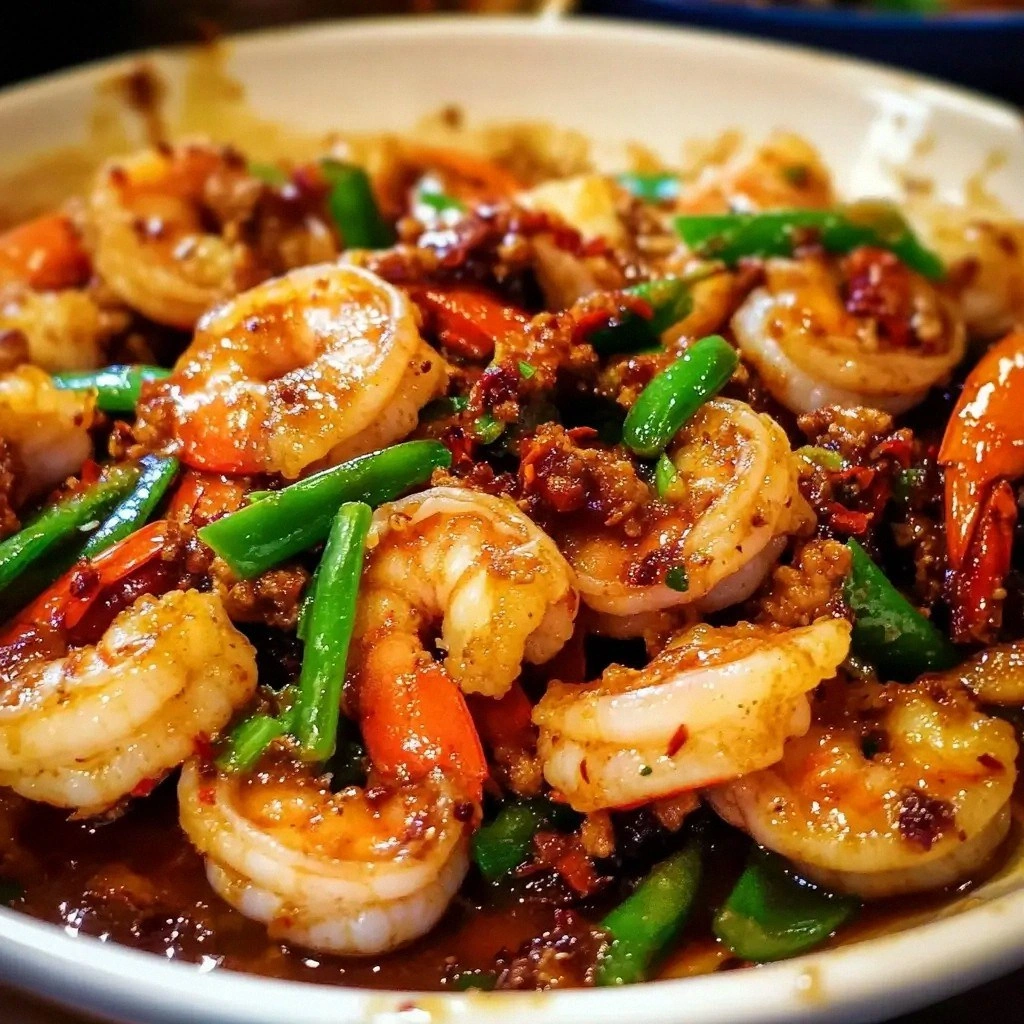
Picture the aroma that hits you when the shrimp hits the hot wok—an instant burst of garlic, ginger, and that nutty, almost citrusy scent from the ground Szechuan peppercorns. The sound is a sizzle that crackles like a campfire, signaling that the flavors are about to mingle. As the sauce thickens, it coats the shrimp like velvet, each piece glistening with a glossy sheen that’s almost too beautiful to eat. The heat is precise: not a scorching blaze, but a steady, rolling wave that nudges the palate into a state of pure satisfaction. If you’ve ever tasted a dish that feels like a secret handshake between heat and sweetness, this is it.
Most recipes get this completely wrong by overcooking the shrimp or using a bland sauce that leaves the dish feeling flat. I’ve spent countless nights experimenting with ratios, and the breakthrough came when I swapped regular sugar for honey, adding a subtle floral note that balanced the peppercorn heat. The sauce also incorporates toasted sesame oil, which brings a nutty depth that you can’t find in generic stir‑fries. The result is a dish that’s both daring and approachable—so daring that it demands a second plate, and so approachable that even a novice can master it. I dare you to taste this and not go back for seconds.
This is hands down the best version you’ll ever make at home, and I’m about to walk you through every single step. From the careful selection of shrimp to the final flourish of scallions, every detail matters. You’ll learn how to keep the shrimp tender while ensuring the sauce stays silky, and how to master the subtle heat of Szechuan peppercorns without overwhelming the dish. I’ll also reveal a few kitchen hacks that will make your prep smoother and your results more consistent. By the end, you’ll wonder how you ever made it any other way.
What Makes This Version Stand Out
- Flavor Profile: The sauce is a harmonious blend of sweet, savory, and numbing heat that dances across the tongue. The honey and rice vinegar provide a bright counterpoint to the robust Szechuan peppercorns. The result is a complex yet balanced taste that keeps you coming back for more.
- Texture: The shrimp stays juicy and tender, thanks to a quick sear that locks in moisture. The sauce thickens into a silky glaze that clings to each piece without becoming sticky. This contrast between tender shrimp and glossy sauce is a key element of the dish’s appeal.
- Simplicity: With fewer than a dozen ingredients, this recipe is quick to assemble and easy to remember. The steps flow naturally, allowing even a beginner to follow without confusion. The minimalism doesn’t compromise flavor; it amplifies it.
- Uniqueness: The use of toasted sesame oil and a cornstarch slurry creates depth and body that set this version apart from standard stir‑fries. The peppercorns are toasted to release their aroma, giving the dish a distinctive aroma that isn’t found in typical Szechuan recipes.
- Crowd Reaction: Friends who have tasted this version often comment that it’s “the most authentic Szechuan experience” they’ve had at home. They also note the dish’s ability to satisfy both heat lovers and those who prefer milder flavors.
- Ingredient Quality: Fresh shrimp, organic soy sauce, and premium Szechuan peppercorns elevate the dish. Choosing high‑quality ingredients ensures the flavors shine without needing excessive seasoning.
- Cooking Method: The quick high‑heat wok technique preserves the shrimp’s texture and caramelizes the sauce. This method also allows the flavors to meld quickly, preventing the dish from becoming soggy.
- Make‑Ahead Potential: The sauce can be pre‑made and refrigerated, allowing you to assemble the dish in just minutes when guests arrive. This makes it ideal for last‑minute entertaining.
Alright, let's break down exactly what goes into this masterpiece...
Inside the Ingredient List
The Flavor Base
The sauce begins with a marriage of soy sauce, rice vinegar, honey, toasted sesame oil, and ground Szechuan peppercorns. Each component plays a distinct role: soy sauce supplies salty depth, vinegar brightens the palate, honey injects gentle sweetness, sesame oil adds a nutty aroma, and peppercorns deliver that signature numbing heat. Skipping any of these will flatten the dish, but you can compensate by adding a dash of fish sauce or a pinch of brown sugar. If you’re short on Szechuan peppercorns, a mild black pepper will work, though the unique tingling sensation will be missing. When buying, choose dark soy sauce for richer flavor and look for peppercorns that still have visible seeds for maximum aroma.
The Texture Crew
Shrimp is the star of the show; choose large, fresh shrimp with bright pink shells for maximum flavor. A cornstarch slurry (cornstarch mixed with cold water) is the secret to a glossy, silky sauce that clings to the shrimp without becoming gummy. The oil—vegetable or peanut—provides the high heat needed for a quick sear. If you prefer a lighter version, use grapeseed oil, which has a higher smoke point and a neutral taste. Remember to pat the shrimp dry before cooking; moisture is the enemy of a good sear.
The Unexpected Star
Garlic and ginger bring aromatic brightness, while scallions add a fresh, oniony crunch that balances the richness. Diced red bell pepper introduces a sweet crunch that contrasts the heat. The combination of these vegetables transforms a simple shrimp dish into a layered sensory experience. If you’re allergic to garlic, you can use a garlic-infused oil, but the flavor profile will shift slightly. When selecting bell pepper, choose one that’s firm and bright red for maximum sweetness.
The Final Flourish
To finish, toasted sesame seeds provide a subtle crunch and nutty aroma that elevates the dish. A final squeeze of lime juice can brighten the sauce, but it’s optional. Garnishing with extra scallions adds a fresh, green contrast. If you like a little extra heat, sprinkle a pinch of chili flakes before serving. The finishing touch is a quick drizzle of high‑quality sesame oil that gives the dish a glossy sheen.
Everything's prepped? Good. Let's get into the real action...
The Method — Step by Step
- Begin by rinsing the shrimp under cold water and patting them dry with paper towels. Season each shrimp lightly with salt and a touch of pepper, then set them aside on a plate. The drying step is crucial; a dry surface ensures a perfect sear and prevents steaming. Keep the shrimp at room temperature for a few minutes to avoid a sudden temperature shock when they hit the hot pan. This small step guarantees a tender, juicy bite.
- In a small bowl, whisk together soy sauce, rice vinegar, honey, toasted sesame oil, ground Szechuan peppercorns, and a pinch of chili flakes. The mixture should be smooth and free of clumps. Taste the sauce; it should strike a balance between sweet, salty, and numbing. Adjust by adding more honey for sweetness or more vinegar for acidity. This base will carry the dish’s flavor through every stage.
- Create a cornstarch slurry by mixing one tablespoon of cornstarch with one tablespoon of cold water until smooth. Stir the slurry into the sauce just before thickening to avoid clumping. The slurry will give the sauce a glossy finish that clings to the shrimp. Keep the slurry ready; you’ll need it when the sauce is almost ready to finish. A well‑made slurry is the secret to a silky texture.
- Heat a wok or large skillet over high heat until it’s smoking. Add two tablespoons of vegetable oil, swirling to coat the bottom. When the oil shimmers, add the shrimp in a single layer, giving each piece space to sear. The shrimp should sizzle immediately, developing a golden crust. Flip the shrimp after 30 seconds; they should be pink and opaque on the other side.
- Add minced garlic, ginger, and a sprinkle of ground Szechuan peppercorns to the wok. Sauté for 10–15 seconds until fragrant, being careful not to burn the aromatics. The aroma should fill the kitchen, signaling that the flavors are building. This step is where the dish’s character begins to take shape. Keep the heat high to maintain a quick cooking time.
- Pour the prepared sauce over the shrimp and stir to coat. Bring the mixture to a gentle simmer; the sauce should start to bubble lightly. Add the cornstarch slurry, whisking vigorously to prevent clumps. Allow the sauce to thicken for 2–3 minutes until it coats the shrimp like a glossy coat. The shrimp should be tender and the sauce silky.
- Add diced red bell pepper and sliced scallions, stirring until the vegetables are just tender but still crisp. The bell pepper should retain a bright color, adding a sweet crunch that balances the heat. Finish with a drizzle of sesame oil and a sprinkle of toasted sesame seeds. Give everything one final stir to ensure even distribution. The dish is now ready to serve.
- Transfer the shrimp and sauce to a serving bowl and garnish with extra scallions or a squeeze of lime if desired. Plate over steamed jasmine rice or sautéed noodles for a complete meal. The aroma should be intoxicating, and the first bite should deliver a burst of heat, sweetness, and savory depth. Let your guests marvel at the glossy sauce and tender shrimp. This is the moment you get to bask in the applause.
That's it — you did it. But hold on, I've got a few more tricks that'll take this to another level...
Insider Tricks for Flawless Results
The Temperature Rule Nobody Follows
Wok heat is the secret weapon for a perfect sear; if it’s too low, the shrimp will steam instead of brown. Aim for a temperature that makes the oil shimmer and the garlic sizzle immediately. Use a small piece of shrimp to test; if it sizzles on contact, you’re good. Keep the heat steady; a drop can ruin the caramelization. This trick guarantees a crisp exterior and a juicy interior.
Why Your Nose Knows Best
Before adding the sauce, give the aromatics a sniff; the scent should be sharp and inviting. If the aroma feels flat, the garlic or ginger may be too old. Fresh aromatics bring brightness that balances the heat. If you’re in a hurry, a quick sauté of garlic alone can still lift the dish. Trust your nose; it’s the most reliable flavor gauge.
The 5-Minute Rest That Changes Everything
After the shrimp is done, let the wok rest for 5 minutes before plating. This short pause allows the flavors to meld and the sauce to thicken slightly. It also gives the shrimp a moment to relax, preventing overcooking. A resting period of 5 minutes is short enough to keep the dish hot but long enough to elevate the taste. I’ve seen people skip this step, and the result is a less cohesive flavor.
Don’t Skip the Splash of Oil
Adding a splash of high‑heat oil at the end of cooking brightens the sauce and adds sheen. Use sesame oil for a nutty finish or grapeseed for neutrality. The oil should coat the surface, giving the dish a glossy look. If you’re watching calories, a teaspoon is enough. This simple step makes the dish look and taste more restaurant‑grade.
Keep the Shrimp Dry
Drying shrimp before cooking is essential; moisture is the enemy of a good sear. Pat the shrimp with paper towels until they feel dry to the touch. If you leave excess water, the shrimp will steam and lose texture. A dry surface creates a caramelized crust that locks in flavor. This tip is a game‑changer for anyone who struggles with soggy shrimp.
Serve Immediately for Peak Flavor
The dish is at its best when served hot and fresh. If you need to hold it, keep it in a low‑heat oven or a covered dish to retain moisture. Avoid reheating on the stovetop; the sauce can become thick and rubbery. A quick steam or a splash of water will revive it. Serving immediately ensures the crunch and heat are at their peak.
Creative Twists and Variations
Crispy Coconut Shrimp
Swap the cornstarch slurry for a light coating of shredded coconut before frying. The coconut adds a tropical sweetness and a delightful crunch that contrasts the heat. Fry the shrimp until golden, then toss in the sauce as usual. Serve over coconut rice for a beach‑inspired dinner. This version is perfect for a summer gathering.
Spicy Miso Shrimp
Incorporate a tablespoon of white miso into the sauce for a fermented depth. The miso adds umami that pairs beautifully with the peppercorns. Reduce the honey slightly to balance the extra saltiness. The result is a rich, savory dish with a subtle sweetness. This twist works well with soba noodles.
Thai Basil Shrimp
Add a handful of fresh Thai basil leaves at the end of cooking for a fragrant finish. The basil’s peppery undertone complements the Szechuan peppercorns. Replace the scallions with sliced shallots for a milder onion flavor. Serve over jasmine rice for a harmonious meal. This variation gives the dish an aromatic, Southeast Asian flair.
Vegetarian Eggplant Version
Replace shrimp with thick slices of eggplant, pan‑frying until golden before adding the sauce. Eggplant absorbs the flavors and offers a meaty texture. Use the same sauce, but reduce the honey slightly to keep the dish balanced. This vegetarian take is hearty and satisfies the same craving for heat and sweetness. Pair with steamed rice for a comforting meal.
Seafood Medley
Combine shrimp with scallops and calamari for a luxurious seafood medley. Cook each component separately to ensure perfect doneness, then unite them in the sauce. The mixture of textures—tender shrimp, firm scallops, and chewy calamari—creates a complex mouthfeel. This version is ideal for a special occasion or dinner party. It’s a show‑stopping dish that impresses guests.
Low‑Carb Zoodle Shrimp
Swap rice noodles for zucchini noodles (zoodles) to keep the dish low in carbs. Toss the zoodles in a hot pan with a splash of oil just before adding the shrimp and sauce. The zoodles will absorb the sauce without becoming soggy. This variation is great for a keto or paleo diet. The dish remains flavorful and satisfying.
Storing and Bringing It Back to Life
Fridge Storage
Store the cooked dish in an airtight container for up to 2 days. Keep the sauce and shrimp separate if possible; this prevents the shrimp from becoming soggy. When ready to eat, reheat gently in a skillet over medium heat, stirring occasionally. Add a splash of water or broth to restore moisture. The dish will taste almost as fresh as when it was first made.
Freezer Friendly
The sauce freezes well on its own; freeze in a freezer‑safe jar or bag for up to 3 months. Shrimp can also be frozen, but it’s best to thaw in the refrigerator overnight. Reheat the sauce separately, then combine with thawed shrimp just before serving. Avoid overcooking the shrimp; it can become rubbery if reheated too long. This method is perfect for meal prep.
Best Reheating Method
The ideal reheating method is a quick sauté in a hot pan with a splash of water or broth. This technique preserves the sauce’s silky texture and the shrimp’s tenderness. Heat until the dish reaches 165°F (74°C). Finish with a drizzle of sesame oil for freshness. The result is a dish that tastes freshly cooked.