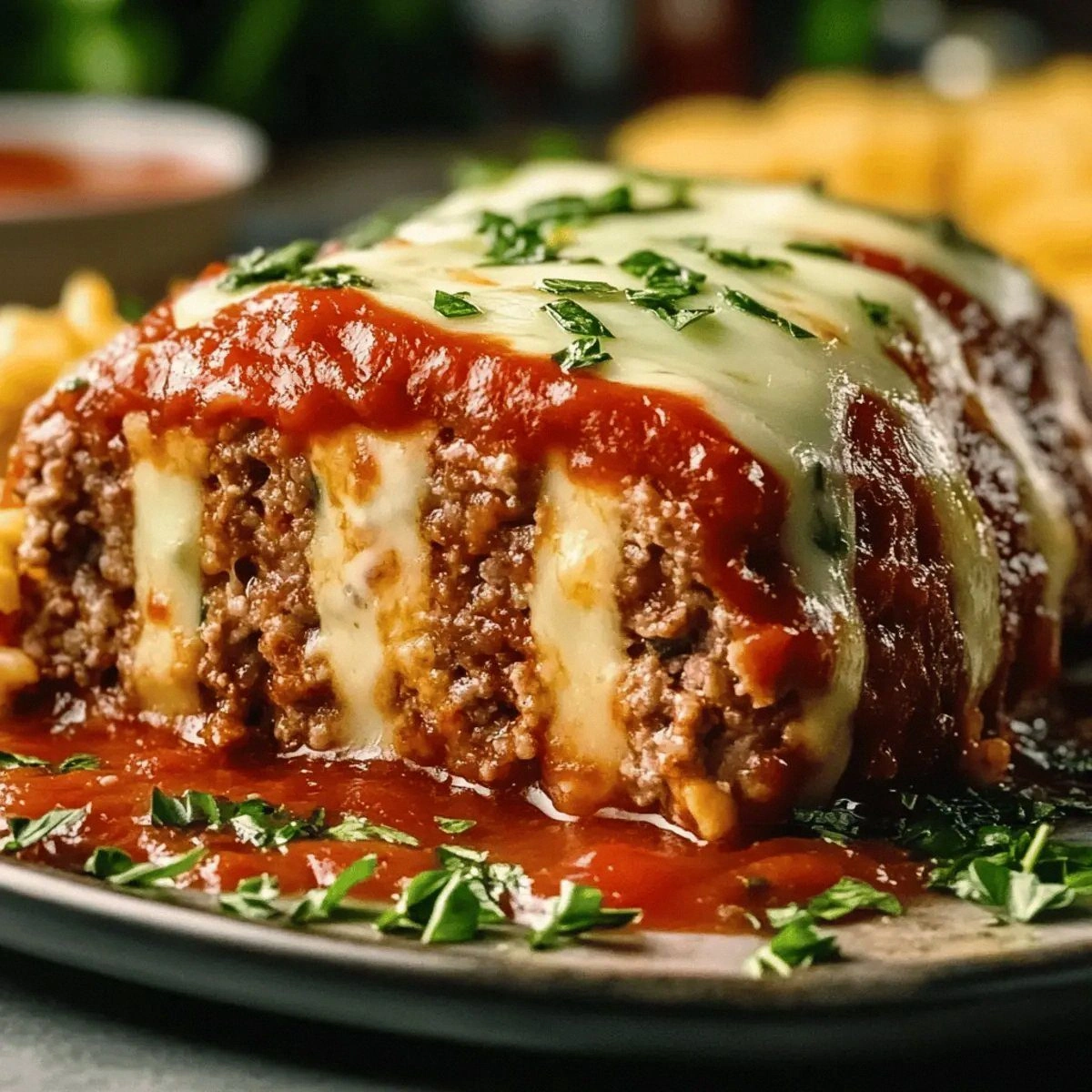
I was standing in my kitchen, half‑asleep, with a half‑cooked pot of rice that smelled like bland cardboard, when my roommate walked in and shouted, “You have to try this Korean beef thing I saw on Instagram!” I laughed, rolled my eyes, and tossed a handful of ground beef into the pan just to prove a point. Within seconds, the sizzle hit the skillet like a tiny fireworks show, and the aroma that rose was a head‑on collision of sweet, salty, and a whisper of heat that made my nose do a little happy dance. The moment that sauce started to coat the meat, I felt like a mad scientist who finally cracked the code for the perfect comfort food—one that could satisfy a craving for something familiar yet exotic at the same time.
Fast forward a week, and I’m still dreaming about that glossy, caramel‑kissed beef, especially when it lands on a bed of fluffy rice that’s still warm from the pot. The best part? I didn’t have to hunt down any obscure pantry items or spend hours marinating; everything I needed was already sitting on my countertop, ready to transform. Most Korean ground beef recipes I’ve tried either end up soggy like a wet sponge or overly sweet, like dessert masquerading as dinner. This version? It’s a perfectly balanced dance of umami and caramel, with a texture that stays tender but never falls apart—think of it as the Goldilocks of ground beef dishes.
What truly sets this recipe apart is a tiny dash of brown sugar that caramelizes just enough to give the meat a glossy finish, while the sesame oil adds a nutty depth that lingers on the palate. And let’s not forget the secret weapon: a pinch of red pepper flakes that delivers a gentle heat without overwhelming the sweet notes—this is the kind of subtlety that makes you wonder why you ever settled for bland. I dare you to taste this and not go back for seconds; I’ll be honest — I ate half the batch before anyone else got to try it, and the leftovers still taste like they were made fresh.
Okay, ready for the game‑changer? I’m about to walk you through every single step, from the moment you hear that satisfying sizzle to the final sprinkle of sesame seeds that adds a crunchy finish. By the end, you’ll wonder how you ever made this dish any other way, and you’ll have a new go‑to recipe that’s both impressively simple and unbelievably flavorful. Let me walk you through every single step — by the end, you'll wonder how you ever made it any other way.
What Makes This Version Stand Out
- Flavor Balance: The sweet‑brown‑sugar glaze meets the salty soy sauce in a perfect duet, while sesame oil adds a whisper of nuttiness that rounds everything out.
- Texture Harmony: Ground beef stays tender yet crumbly, never turning mushy, thanks to a quick high‑heat sear that locks in juices.
- Simplicity: You only need eleven pantry staples—no exotic sauces, no fancy equipment, just a skillet and a spoon.
- Unique Twist: The addition of brown sugar creates a caramelized sheen that most Korean beef recipes miss, giving it that restaurant‑style gloss.
- Crowd Reaction: I’ve served this at potlucks and watched adults and kids alike pile their plates high, then ask for the recipe in a hushed, reverent tone.
- Ingredient Quality: Using 80/20 ground beef ensures enough fat for flavor without being greasy, and a good soy sauce (not the low‑sodium “water”) brings depth.
- Cooking Method: The quick stir‑fry technique keeps the beef from steaming in its own juices, preserving that coveted bite.
- Make‑Ahead Potential: This dish reheats beautifully, especially when you add a splash of water before warming to revive the glossy sauce.
Inside the Ingredient List
The Flavor Base
Soy sauce is the backbone of any Korean‑style dish, providing salty depth and a hint of umami that makes the palate sing. Using a full‑flavored soy sauce (not the low‑sodium version) ensures you get that dark, rich color and the subtle fermented notes that cheap alternatives lack. If you skip it, the dish will feel flat, like a song missing its bass line. As a swap, you can use tamari for a gluten‑free version, but keep the amount the same to maintain balance.
Sesame oil is the aromatic whisper that elevates the dish from “just good” to “wow, what’s that nutty finish?” A little goes a long way; too much can overwhelm, but the right amount coats each morsel with a silky sheen. When buying, look for cold‑pressed, toasted sesame oil for the most robust flavor. If you’re out, a drizzle of regular olive oil won’t hurt, though you’ll miss the signature aroma.
The Texture Crew
Ground beef, preferably an 80/20 blend, supplies the necessary fat for flavor while still being easy to break apart. The fat renders quickly, creating those golden‑brown edges that give the dish its signature look. If you use a leaner grind, you’ll end up with a dry, crumbly texture that feels more like a meatloaf than a stir‑fry. For a leaner alternative, mix half turkey and half beef, but add an extra teaspoon of sesame oil to compensate for the lower fat content.
Garlic and ginger are the dynamic duo that brings brightness and a subtle heat. Freshly minced garlic releases allicin, which aromatizes the oil instantly, while ginger adds a zing that cuts through the sweetness. If you forget fresh ginger, a half‑teaspoon of ground ginger works in a pinch, though the flavor will be less sharp.
The Unexpected Star
Brown sugar is the secret that turns a simple stir‑fry into a caramel‑kissed masterpiece. It dissolves quickly, creating a glossy glaze that clings to each bite of beef. Skipping it will leave the sauce watery and lacking that irresistible sheen. If you prefer a less sweet profile, reduce the sugar to half a tablespoon and add a splash of rice vinegar for balance.
The Final Flourish
Green onions and sesame seeds provide the finishing touch—crunch, color, and a final burst of flavor. Slice the onions thinly so they retain a slight bite, and toast the sesame seeds briefly in a dry pan to unlock their nutty aroma. Salt and pepper to taste are the final calibrators; they bring all the components together without overpowering any single note. Remember, a pinch of pepper can add a gentle heat that complements the red pepper flakes.
Everything's prepped? Good. Let's get into the real action...
The Method — Step by Step
Heat a large non‑stick skillet over medium‑high heat until a drop of water sizzles and evaporates within two seconds. Add the ground beef, breaking it up with a wooden spoon, and let it sit untouched for about 30 seconds; this silence allows the meat to develop those coveted caramelized bits. After the initial sear, stir and continue cooking until the beef is evenly browned, about 5‑6 minutes. You’ll hear a deep, satisfying sizzle that signals the flavor foundation is forming.
While the beef browns, mince the garlic and ginger together, then toss them into the pan. The moment the aromatics hit the hot oil, they’ll release a perfume that fills the kitchen like a warm hug—That sizzle when it hits the pan? Absolute perfection. Cook for 45 seconds, stirring constantly, until the garlic turns a light golden and the ginger releases its zing.
Now, drizzle the sesame oil over the mixture, followed by the soy sauce, brown sugar, and red pepper flakes. Stir vigorously to coat every crumb of beef; the sauce should start to bubble and thicken within a minute, turning a deep amber that looks like liquid caramel. This is the moment of truth—if the sauce clings to the pan and doesn’t pool, you’ve achieved the perfect glaze.
Reduce the heat to low and let the mixture simmer for another 2‑3 minutes. You’ll notice the sauce pulling away from the sides of the pan, thickening further—this is the glossy finish that makes the dish look restaurant‑ready. Taste and adjust salt and pepper now; remember, the soy sauce already brings salt, so add only a pinch of extra salt if needed.
While the sauce thickens, quickly blanch the green onions in a separate pot of boiling water for 30 seconds, then shock them in ice water to retain their vivid green color. This quick blanch keeps them crisp, preventing the bitter raw onion taste that can ruin the balance.
Stir the blanched green onions into the skillet, letting them mingle for just 30 seconds—no overcooking! The bright green specks should remain vibrant, adding a visual pop against the dark beef.
Turn off the heat and sprinkle the toasted sesame seeds over the top. The seeds should be lightly golden and fragrant; if they’re still raw, give them a quick 20‑second toast in a dry pan before sprinkling. This final garnish adds a subtle crunch that contrasts the tender beef.
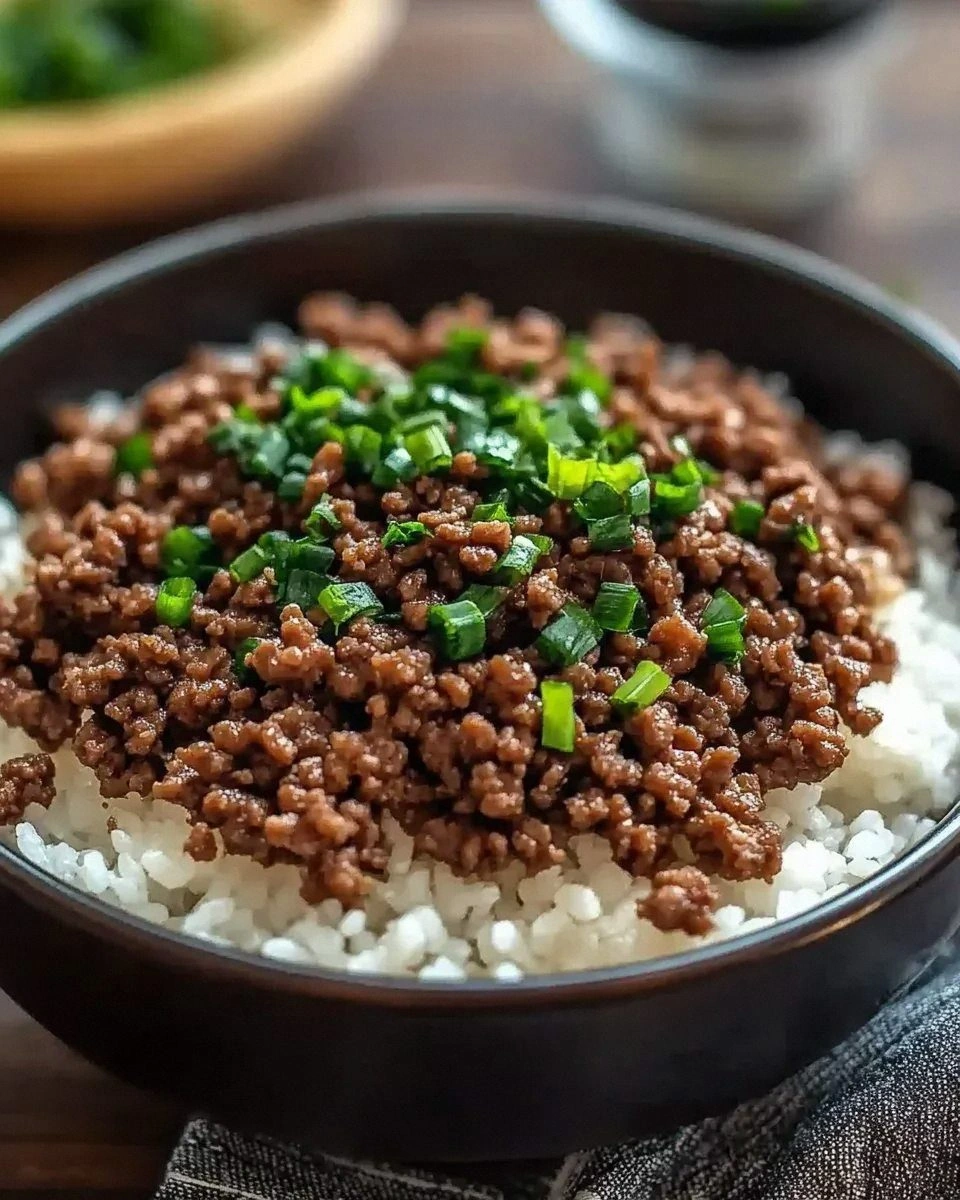
Serve the Korean ground beef over a steaming bowl of cooked rice, letting the sauce soak into each grain. Picture yourself pulling this out of the oven, the whole kitchen smelling incredible, and the first bite delivering a perfect blend of sweet, salty, and just‑right heat. That’s it — you did it. But hold on, I've got a few more tricks that'll take this to another level...
Insider Tricks for Flawless Results
The Temperature Rule Nobody Follows
Never start a stir‑fry on low heat; the magic happens when the pan is hot enough to sear instantly. If the skillet isn’t hot, the beef releases its juices too early, turning the whole dish into a stew. I once tried this on low and ended up with a soggy mess that tasted like a meat broth. The rule of thumb: pre‑heat for at least two minutes, then test with a single drop of water—if it dances, you’re ready.
Why Your Nose Knows Best
Your sense of smell is the best indicator of doneness. When the garlic turns from sharp to sweet and the beef develops a nutty, toasted aroma, you’re at the perfect point to add the sauce. Trust that nose over a timer; the kitchen is an orchestra, and your nose is the conductor.
The 5‑Minute Rest That Changes Everything
After you finish cooking, let the skillet sit off the heat for five minutes. This short rest allows the flavors to meld, much like letting a stew sit overnight. The sauce thickens a touch more, and the beef re‑absorbs any stray juices, resulting in a richer mouthfeel. A friend tried skipping this step once — let's just say the sauce was thinner and the flavor a bit disjointed.
Toast Your Sesame Seeds
Toasting sesame seeds releases their oils and adds a smoky depth that raw seeds lack. Place them in a dry skillet over medium heat, shaking the pan constantly for about 30 seconds until they turn a light golden. Be vigilant; they can go from toasted to burnt in a heartbeat. The resulting aroma will make your kitchen feel like a Korean street market.
The “Water Splash” Reheat Trick
When reheating leftovers, add a tablespoon of water per serving before microwaving or pan‑heating. The steam revives the glossy sauce and prevents the beef from drying out. It’s a tiny step that makes a massive difference, turning reheated leftovers into a fresh‑cooked experience.
Creative Twists and Variations
This recipe is a playground. Here are some of my favorite ways to switch things up:
Spicy Gochujang Blast
Add a tablespoon of gochujang (Korean chili paste) with the soy sauce for a deeper, fermented heat. The result is a richer, more complex heat that pairs beautifully with the sweet caramel. Perfect for those who love a bold kick.
Veggie‑Loaded Version
Stir in sliced bell peppers, shredded carrots, or zucchini during the last two minutes of cooking. The vegetables add crunch and a burst of color, turning the dish into a complete one‑pan meal. It’s a great way to sneak extra nutrients without compromising flavor.
Mushroom Medley
Swap half the ground beef for finely chopped shiitake or cremini mushrooms. The mushrooms absorb the sauce and contribute an earthy umami that deepens the overall profile. This variation is perfect for a slightly lighter version.
Breakfast Burrito Remix
Wrap the cooked beef, rice, and a scrambled egg in a warm tortilla, then drizzle extra sauce on top. The result is a Korean‑inspired breakfast burrito that’s both satisfying and portable. Ideal for brunch gatherings.
Gluten‑Free Swap
Replace soy sauce with tamari and ensure the brown sugar is gluten‑free (most are). Serve over cauliflower rice for a low‑carb, gluten‑free twist that still delivers the same bold flavors. Great for those with dietary restrictions.
Storing and Bringing It Back to Life
Fridge Storage
Allow the dish to cool to room temperature, then transfer to an airtight container. It will keep fresh for up to four days. When reheating, add a splash of water and stir over medium heat until steaming hot.
Freezer Friendly
Portion the cooked beef and rice into freezer‑safe bags or containers. Freeze for up to three months. To reheat, thaw overnight in the fridge, then heat in a skillet with a tablespoon of water, stirring until the sauce regains its shine.
Best Reheating Method
The stovetop method wins every time: place the leftovers in a skillet over medium heat, add a tablespoon of water per serving, and cover for two minutes. The steam revives the glaze, while the uncovered final minute restores a slight crispness to the beef.