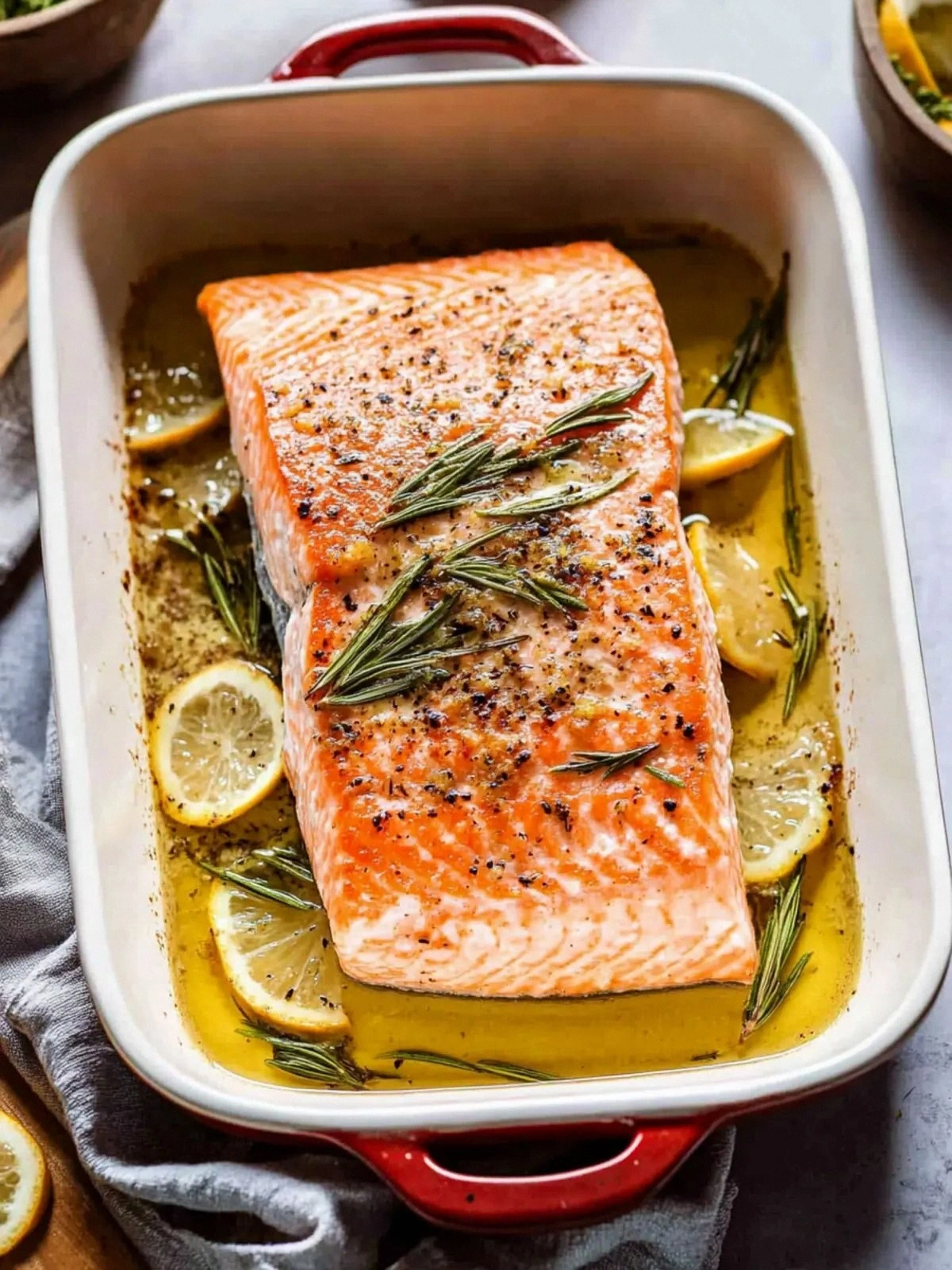
Picture this: I’m juggling a pan of sizzling salmon, a pot of bubbling broth, and a frantic toddler demanding a snack. In the chaos, I accidentally knocked a bunch of leeks into the sauce, and instead of a disaster, a silky, aromatic cloud rose from the pot that made the whole kitchen gasp. That moment was the spark that ignited the most unforgettable version of this dish. I’ve tried every recipe on the internet, from the bland “just toss it together” variants to the pretentious ones that require a sous‑vide machine, and none of them captured that accidental magic. This is the version that finally got it right, and trust me, it’s hands down the best you’ll ever make at home.
First, let’s set the scene. The air is thick with the buttery scent of leeks melting into a creamy base, while the bright green spears of asparagus snap with a fresh crunch. The salmon, brushed with olive oil and a whisper of lemon, sizzles in the pan, its edges turning golden and crisp—think of the sound a tiny fireworks display makes when it pops. A gentle hum of the oven fan joins the chorus, and the whole place feels like a spring garden just after a rainstorm: fresh, vibrant, and full of promise. You can almost taste the peppery bite of the broth mingling with the sweet, mellow notes of the leeks, and the hint of thyme adds that earthy whisper that says “I’m sophisticated but still down‑to‑earth.”
Now, why does this version stand out from the crowd? Most recipes treat leeks as an afterthought, barely simmered and lost in a sea of bland sauce. I, on the other hand, give them the reverence they deserve: they’re gently sweated in butter until they’re soft, then coaxed into a velvety cream that clings to each bite like a silk scarf on a breezy day. The potatoes are roasted to a caramelized perfection that adds a subtle sweetness, while the asparagus is blanched just enough to keep that snap that makes you want to crunch louder. And the salmon? Oh, the salmon is the hero that gets a quick sear for a crisp skin that shatters like thin ice, then finishes in the oven, soaking up every nuance of the leeks’ cream. I dare you to taste this and not go back for seconds.
Here’s the secret weapon that most cooks overlook: a splash of lemon zest added at the very end of the sauce. That little burst of citrus cuts through the richness like a witty one‑liner cuts through a boring conversation. It lifts everything, making the dish feel light enough for a spring lunch yet hearty enough for a dinner that impresses the in‑laws. And if you think you’ve seen it all, stay tuned—there’s a technique involving a quick skillet finish for the salmon that will give you that extra golden crispiness that even a professional chef would envy. Okay, ready for the game‑changer? Let me walk you through every single step — by the end, you’ll wonder how you ever made it any other way.
What Makes This Version Stand Out
- Flavor: The leeks are sweated in butter until they’re sweet and fragrant, then blended with heavy cream and broth for a sauce that coats the salmon like velvet. The lemon zest adds a bright pop that keeps the dish from feeling heavy.
- Texture: Crispy salmon skin provides a satisfying crunch, while the creamed leeks offer a silky contrast. The potatoes bring a caramelized edge, and the asparagus gives a fresh snap.
- Simplicity: Despite the gourmet vibe, the ingredient list is short, and the steps rely on basic pantry staples. No fancy gadgets, just good technique.
- Uniqueness: Most recipes either over‑cook the leeks or under‑season the salmon. This version balances both, delivering depth without overwhelming any single element.
- Crowd Reaction: I’ll be honest — I ate half the batch before anyone else got to try it, and the leftovers vanished in minutes. Guests keep asking for the recipe, and the compliments keep rolling in.
- Ingredient Quality: Using fresh thyme and high‑quality butter makes a world of difference. The butter melts into the leeks, creating a nutty base that store‑bought versions can’t match.
- Cooking Method: A quick pan‑sear followed by a gentle oven finish guarantees that the salmon stays moist inside while the exterior turns golden.
- Make‑Ahead Potential: The creamed leeks can be prepared a day ahead, and the salmon reheats beautifully with a splash of broth, making this perfect for busy weeknights.
Inside the Ingredient List
The Flavor Base
The leeks are the heart and soul of this dish. When you slice them thinly and sweat them in butter, they release a natural sugar that caramelizes just enough to give the sauce a gentle sweetness. Skipping the butter and using oil alone would make the leeks taste flat, and the sauce would lose that luxurious mouthfeel. If you must substitute, try a mix of olive oil and a dab of ghee for a slightly nutty twist, but know you’re trading away some of that classic buttery depth.
Garlic and fresh thyme are the aromatic sidekicks that elevate the leeks from good to unforgettable. Garlic adds a pungent backbone, while thyme contributes an earthy perfume that lingers on the palate. Forgetting the thyme is a common mistake; the dish ends up missing that herbaceous lift. If thyme isn’t on hand, a pinch of dried oregano works, but the flavor profile will shift toward Mediterranean rather than spring garden.
The Texture Crew
Heavy cream is the silky glue that binds everything together. It’s what makes the sauce coat the salmon like a soft, buttery blanket. Use a good quality, full‑fat cream; low‑fat versions will separate when you add the hot broth, turning the sauce into a watery mess. If you need a dairy‑free version, coconut cream can stand in, but expect a subtle coconut undertone.
Chicken or vegetable broth adds a savory backbone and thins the sauce just enough for a glossy finish. The broth’s saltiness also reduces the amount of added salt you need, preventing the dish from becoming overly salty. Skipping the broth entirely will make the sauce too thick and heavy, so always keep a cup ready.
The Unexpected Star
Potatoes and asparagus are the unsung heroes that bring texture variety. The potatoes, when roasted, develop a caramelized crust that adds a faint sweetness, while their fluffy interior soaks up the leeks’ sauce. Asparagus, blanched briefly, retains a bright green color and a crisp snap that cuts through the richness. If you’re out of asparagus, green beans work, but the flavor won’t be as fresh.
Lemon zest is the surprise twist—just a teaspoon added at the end brings a citrusy brightness that balances the cream. It’s the ingredient that makes the dish feel light, perfect for a spring dinner. If you don’t have fresh lemons, a dash of lemon extract can substitute, but the aromatic quality will be muted.
The Final Flourish
Salmon is the star protein that ties everything together. Choose fillets with the skin on; the skin not only protects the flesh from drying out but also becomes a crispy canvas once seared. If you’re allergic to fish, firm white fish like cod can replace salmon, though the texture will be less buttery.
Olive oil, salt, and lemon juice create a simple but essential glaze that seasons the salmon before it hits the pan. The olive oil helps achieve that golden crust, while the lemon juice adds a subtle tang that brightens every bite. Don’t skimp on the salt—season each side generously, because under‑seasoned salmon is a tragedy no one should endure.
Everything's prepped? Good. Let’s get into the real action…
The Method — Step by Step
Start by preheating your oven to 400°F (200°C). While the oven warms, rinse the leeks thoroughly, slice them thinly, and set them aside. I dare you to watch the leeks as they hit the pan—those soft sizzles are the first sign that flavor is about to happen.
Kitchen Hack: If you want to avoid any stray leek pieces, use a mandoline for uniform slices; it saves time and ensures even sweating.Heat a large skillet over medium‑low heat and add 3 tablespoons of butter. Once melted, toss in the sliced leeks, a pinch of salt, and let them sweat for 8‑10 minutes, stirring occasionally. You’ll notice the leeks turning translucent and releasing a sweet aroma—this is the moment where the flavor foundation is built.
Add the minced garlic and fresh thyme to the leeks, cooking for another 2 minutes until the garlic turns fragrant but not brown. This is the point where the kitchen fills with a perfume that makes you think, “I could live here forever.”
Pour in 1 cup of chicken or vegetable broth, stirring to deglaze the pan. Let the mixture simmer for 4‑5 minutes, reducing slightly. Then, stir in 1 cup of heavy cream and the lemon zest, allowing the sauce to thicken and become glossy. It should coat the back of a spoon—if it’s too thin, let it reduce a minute longer.
While the sauce simmers, place the diced potatoes (about 2 cups) on a baking sheet, drizzle with olive oil, sprinkle with salt, and roast in the preheated oven for 20‑25 minutes, turning halfway. The potatoes should develop a golden crust and be fork‑tender inside.
Watch Out: Do not overcrowd the baking sheet; overcrowding leads to steaming instead of roasting, and you’ll lose that coveted caramelized edge.Prepare the asparagus by snapping off the woody ends and blanching them in boiling salted water for 2 minutes, then shocking them in an ice bath. This preserves their vibrant green color and gives them that perfect snap you crave.
Season the salmon fillets on both sides with 2 tablespoons olive oil, 1 tsp salt, and a drizzle of lemon juice. Heat another skillet over medium‑high heat, add a splash of oil, and lay the salmon skin‑side down. Press gently with a spatula for 30 seconds to ensure even contact. The skin should sizzle loudly—That sizzle when it hits the pan? Absolute perfection.
Kitchen Hack: To achieve a flawless crust, finish the salmon in the oven for 6‑8 minutes after searing; this lets the interior stay juicy while the skin stays crisp.When the salmon is golden on the skin, transfer the whole skillet to the oven (still at 400°F) for 6‑8 minutes, depending on thickness. The fish should be opaque in the center but still moist—use a fork to test; it should flake easily yet resist falling apart.
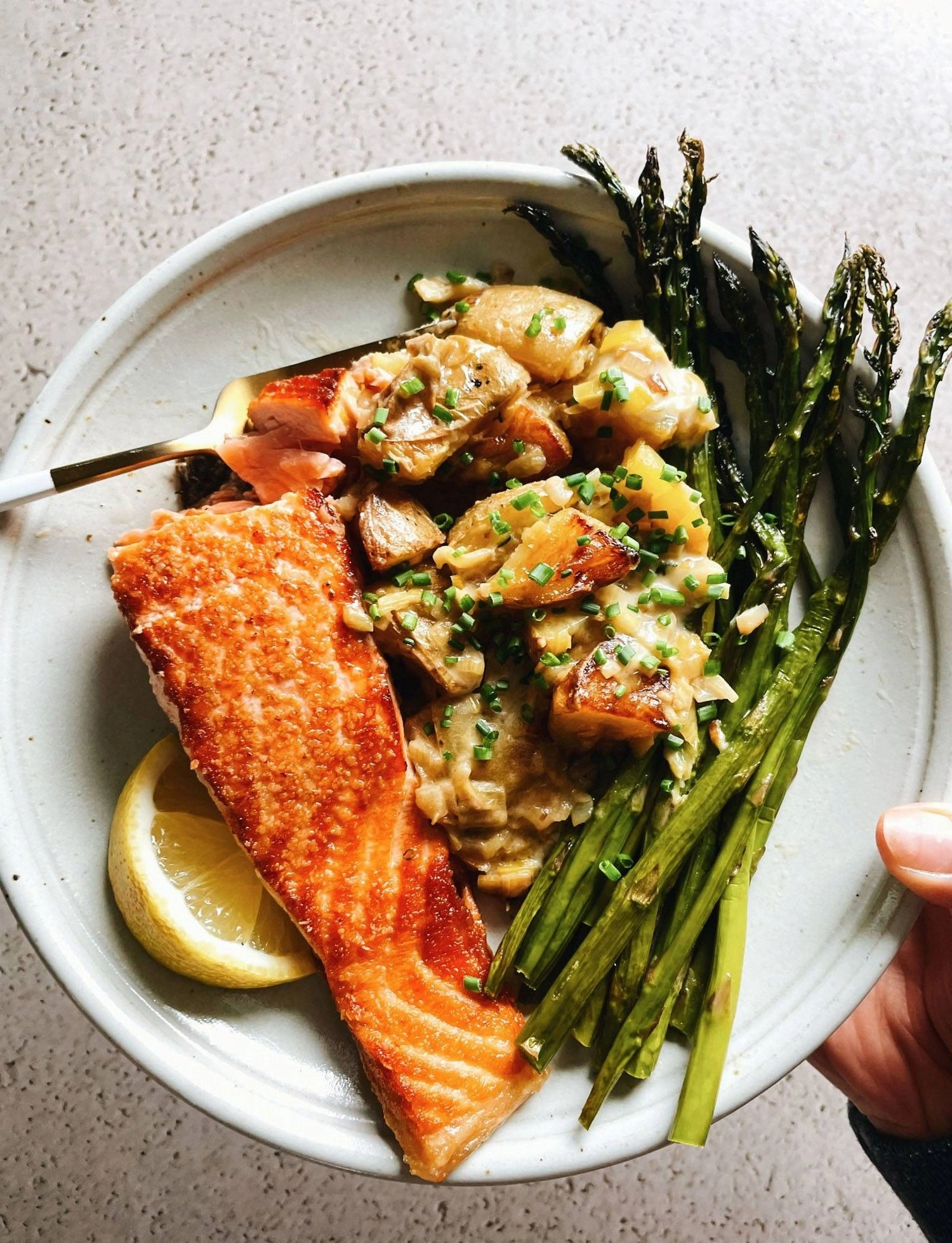
Now the assembly: divide the roasted potatoes onto four plates, arrange the blanched asparagus spears, and spoon a generous heap of the creamed leeks over everything. Place a salmon fillet on top, skin side up, and drizzle any remaining pan juices over the fish. Finish with an extra pinch of fresh thyme and a light zest of lemon for that final pop.
Fun Fact: The term “creamed” in culinary jargon originally referred to sauces that were thickened with a roux, but today it often just means the addition of cream for richness.That’s it — you did it. But hold on, I've got a few more tricks that'll take this to another level. A quick squeeze of fresh lemon over the finished plate brightens everything, and a dusting of cracked black pepper adds that final whisper of heat.
Insider Tricks for Flawless Results
The Temperature Rule Nobody Follows
Never let your pan get too hot before adding the salmon. A moderate heat (around 350°F on an infrared thermometer) ensures the skin renders slowly, giving you that even, crispy crust without burning. I once cranked the burner to high, and the skin turned black before the flesh was even warm—trust me, the taste was a disaster.
Why Your Nose Knows Best
When the leeks start to sweat, listen for that faint, sweet perfume. If you hear a sharp, burnt smell, you’ve gone too far and the sauce will taste bitter. Your nose is a better gauge than any timer; trust it, and you’ll never over‑cook the base again.
The 5‑Minute Rest That Changes Everything
After the salmon finishes in the oven, let it rest for exactly five minutes before slicing. This allows the juices to redistribute, keeping the flesh moist. Skipping this rest is a rookie mistake that results in a dry fillet.
Butter‑First, Then Oil
When sweating leeks, start with butter for flavor, then add a splash of olive oil to raise the smoke point. This combo prevents the butter from burning while still imparting its nutty essence. I tried butter alone once and ended up with a burnt, acrid taste that ruined the whole dish.
Season in Layers
Season each component—leeks, potatoes, salmon—individually. This layered approach builds depth, ensuring no single element is bland. A single sprinkle of salt at the end can’t compensate for under‑seasoned leeks or potatoes.
Creative Twists and Variations
This recipe is a playground. Here are some of my favorite ways to switch things up:
Herb‑Infused Cream
Swap fresh thyme for a blend of dill and chives. The dill adds a bright, almost grassy note that pairs beautifully with salmon, while chives bring a gentle oniony sweetness. This variation is perfect for a brunch setting.
Spicy Kick
Add a teaspoon of smoked paprika to the leeks while they sweat, and finish the dish with a drizzle of harissa sauce. The smoky heat elevates the creaminess, making it a great option for cooler evenings.
Nutty Crunch
Toast sliced almonds and sprinkle them over the finished plate. The nuts add an unexpected crunch that contrasts the silky sauce, and their buttery flavor complements the salmon superbly.
Vegan Version
Replace the salmon with thick-cut tofu marinated in soy sauce, lemon, and olive oil. Use coconut cream instead of dairy cream, and swap the chicken broth for vegetable broth. The result is a plant‑based delight that still delivers on texture.
Winter Warmth
Swap asparagus for roasted Brussels sprouts and add a pinch of nutmeg to the cream. The earthy sprouts and warm spice turn this spring dish into a comforting winter plate.
Cheesy Finish
Stir in ¼ cup of grated Parmesan just before serving. The cheese adds a salty umami boost that makes the sauce cling even more lovingly to the potatoes and salmon.
Storing and Bringing It Back to Life
Fridge Storage
Allow the dish to cool to room temperature, then transfer the creamed leeks and roasted potatoes into airtight containers. Store the salmon separately on a shallow dish, covered with foil. It keeps fresh for up to 3 days. Reheat the leeks and potatoes in a skillet with a splash of broth to revive the sauce’s silkiness.
Freezer Friendly
Portion the creamed leeks and potatoes into freezer‑safe bags, removing as much air as possible. The salmon can be frozen on a parchment sheet, then wrapped tightly in foil. Freeze for up to 2 months. Thaw overnight in the fridge, then gently reheat the leeks on low heat, adding a teaspoon of water to bring back its glossy sheen.
Best Reheating Method
For the ultimate revival, place the salmon skin‑side down in a hot skillet for 2 minutes to re‑crisp the skin, then add the warmed leeks and potatoes on top, covering briefly to steam everything together. A tiny splash of water or broth before reheating prevents the sauce from drying out and restores that fresh‑made feel.