I still remember the morning I ruined my first frittata. The eggs were rubbery, the spinach had turned that unfortunate shade of khaki, and the cheese had separated into an oily mess that looked like something from a horror movie. My brunch guests politely picked at their plates while I mentally planned my escape to a country where frittatas didn't exist. Fast forward three years, and now I'm the friend who gets text messages at 7 AM on Sundays asking for "that frittata that makes people weep with joy." The transformation wasn't magic — it was just stubbornness, dozens of eggs, and a few game-changing techniques that nobody bothered to tell me about.
Picture this: It's Sunday morning, your coffee's brewing, and you're sliding a golden, puffed masterpiece out of the oven. The edges are crispy and caramelized, the center trembles like a custard, and the aroma of eggs, cheese, and herbs wraps around your kitchen like a warm hug. That first bite? The eggs are cloud-soft, the spinach maintains its vibrant green personality, and the feta-mozzarella combo creates these little pockets of salty-creamy heaven that make you close your eyes involuntarily. This isn't just breakfast — it's a power move that says, "Yes, I have my life together, and yes, you can too."
Here's the thing about most frittata recipes: they treat it like an omelet that got lazy, or worse, a quiche without the personality. They'll tell you to just whisk some eggs, throw in vegetables, and bake until done. But that's like saying a symphony is just hitting piano keys until it sounds nice. The difference between a mediocre frittata and one that makes people cancel their brunch reservations lies in understanding the science of eggs, the behavior of greens, and the way cheese melts at different temperatures. Stay with me here — this is worth it.
Let me walk you through every single step — by the end, you'll wonder how you ever made it any other way.
What Makes This Version Stand Out
Texture Control: Most frittatas end up with the consistency of a kitchen sponge, but this one stays custardy and tender thanks to a specific milk-to-egg ratio that I discovered after ruining seventeen frittatas in a single weekend. The secret isn't just the ratio — it's the temperature control and the way we treat the eggs before they even hit the pan. The result is slices that hold their shape but melt on your tongue like a savory crème brûlée.
Spinach That Stays Green: I've seen too many frittatas that look like they were made with seaweed from a swamp. The technique here keeps your spinach bright and fresh-tasting, not like it died a slow death in the oven. We use a quick sauté method that locks in color and flavor, plus a timing trick that prevents the chlorophyll from breaking down into that sad army-green mess.
Cheese Strategy: Using just feta makes it too salty, just mozzarella makes it boring. The combination here creates a flavor symphony — feta brings the tang and salt, mozzarella brings the stretch and comfort. But the real magic is in when we add them, not just what we add. Add them at the wrong time and you get rubbery chunks; add them right and you get these gorgeous melted pockets.
No-Cry Onion Technique: Nobody wants to bite into a crunchy onion in their silky frittata. We use a specific cutting method and cooking sequence that makes the onions practically dissolve while adding depth you can't quite identify but definitely miss when it's gone. It's like having a secret ingredient without the secret ingredient.
Make-Ahead Champion: This frittata tastes even better the next day, which means you can be the friend who shows up to brunch with something spectacular that you made yesterday while everyone else is still in their pajams. It reheats beautifully, travels well, and doesn't suffer from the sad leftover syndrome that kills most egg dishes.
Breakfast, Lunch, and Dinner: Serve it warm for breakfast, room temperature for lunch, or cold straight from the fridge at 2 AM when you're binge-watching and need something substantial. It's the little black dress of the food world — appropriate anywhere, anytime, and always makes you look good.
Alright, let's break down exactly what goes into this masterpiece...
Inside the Ingredient List
The Flavor Base
The eggs aren't just the structure — they're the soul of this dish. Use large eggs (not extra-large, not medium) because the protein ratio is perfect for setting properly without getting rubbery. I learned this the hard way after making what my husband still calls "the bounce test frittata" that could have doubled as a trampoline. The fresher the eggs, the better they'll hold structure and the more golden your frittata will be. If you can get them from a local farm, do it — the yolks are richer, the whites are tighter, and the flavor is like comparing a garden tomato to a supermarket imposter.
Fresh spinach is non-negotiable here. Frozen spinach carries too much water and has that metallic taste that makes people think they hate vegetables. When you're shopping, look for leaves that are perky and bright, not the sad floppy ones that look like they've given up on life. One bunch seems like a lot, but it wilts down to almost nothing, and you want that concentrated green flavor to stand up to the rich eggs and cheese.
The Texture Crew
Feta cheese is your flavor bomb, but not all feta is created equal. Skip the pre-crumbled stuff that's been sitting in a plastic tub for months — it tastes like sadness and sawdust. Buy a block of good feta packed in brine, and crumble it yourself. The texture is creamier, the salt is more balanced, and those little chunks you get are like treasure hunts in every bite. If you can find sheep's milk feta, grab it — it's got this grassy complexity that cow's milk versions just can't match.
Mozzarella might seem boring next to its flashier cousin, but it's the comfort food factor here. Use whole milk mozzarella, not the part-skim stuff that melts into rubber. Fresh mozzarella is too wet for this application — you want the low-moisture shredded kind that melts into stretchy, gooey perfection. The combination of feta and mozzarella gives you both flavor and texture in perfect balance.
The Unexpected Star
Milk is the difference between a frittata that slices cleanly and one that weeps liquid like it's mourning its lost potential. Whole milk, not cream (too rich) and definitely not skim (too watery). The milk lightens the eggs just enough to keep them tender, creates steam for lift, and prevents that dense, omelet-like texture that makes people think they don't like frittatas.
The Final Flourish
Onion and garlic are the aromatics that make people walk into your kitchen and say "what smells so good?" But here's the trick — we're not just throwing them in raw. A slow sauté brings out their natural sweetness, and timing is everything. Too much heat and they turn bitter, too little and they stay crunchy. You want them soft and translucent, practically melting into the background while adding layers of flavor that make people ask for your secret ingredient.
Everything's prepped? Good. Let's get into the real action...
The Method — Step by Step
- Preheat your oven to 375°F (190°C) and position a rack in the center. This temperature is the sweet spot — hot enough to puff the eggs and brown the top, but not so hot that the edges burn before the center sets. While the oven heats, place your eggs (still in their shells) in a bowl of hot tap water for 5 minutes. This isn't just kitchen busywork — room-temperature eggs incorporate air better when whisked, giving you that restaurant-quality fluffiness that separates amateur from professional results.
- Heat olive oil in a 10-inch oven-safe skillet over medium heat. The oil should shimmer but not smoke — that's your visual cue that it's ready. Add the chopped onion and cook, stirring occasionally, until it's translucent and soft, about 5 minutes. Here's where most people rush it: don't crank the heat to speed things up. Slow and steady lets the natural sugars develop, creating a sweet, mellow base that disappears into the background while adding incredible depth. The onions should look like they're melting rather than browning.
- Add the minced garlic and cook for just 30 seconds. Garlic burns faster than your ex's new relationship, so keep it moving and don't walk away. You want it fragrant but not browned — think of it as waking up the garlic rather than cooking it. The moment you smell that garlicky aroma, it's time to move on. Burnt garlic turns bitter and will ruin all your hard work faster than you can say "takeout."
- Now for the spinach — and this is crucial. Add it by the handful, letting each addition wilt before adding more. Don't dump it all in at once unless you enjoy spinach avalanches cascading onto your stovetop. The spinach will seem like way too much, but it wilts down to almost nothing. Cook until it's all wilted and bright green, about 3 minutes total. Season with a pinch of salt and pepper — this layering of seasoning builds flavor throughout the dish instead of just on the surface.
- While the vegetables cook, whisk together the eggs, milk, 1/2 teaspoon salt, and 1/4 teaspoon pepper in a large bowl. Whisk vigorously for a full 30 seconds — this isn't the time to be delicate. You want to incorporate air, which creates lift and gives you those gorgeous, puffy edges that make people think you're a culinary wizard. The mixture should be pale yellow and slightly frothy on top. Don't overthink it — just whisk like you're trying to win an arm wrestling match with the bowl.
- Sprinkle the feta cheese evenly over the vegetables in the skillet, then pour the egg mixture over everything. The feta should be distributed rather than clumped — think of it as creating little islands of flavor rather than a continent. Let it cook undisturbed for 2 minutes on the stovetop. This starts the setting process from the bottom up, creating a custardy base that prevents the vegetables from floating to the top and creating an uneven texture.
- Sprinkle the mozzarella evenly over the top and transfer the skillet to the preheated oven. Bake for 18-22 minutes, until the center is just set but still has a slight jiggle when you gently shake the pan. The top should be golden in spots, and a knife inserted near the center should come out clean. This is the moment of truth — pull it out too early and you get egg soup; leave it too long and you've got a rubber frisbee. When in doubt, err on the side of slightly underdone — it will continue cooking from residual heat.
- Remove from the oven and let it rest for 5 minutes. I know, I know — you're hungry and it smells incredible and your family is circling like vultures. But cutting into it immediately causes all the steam to escape, deflating your beautiful creation and making the center collapse. Those 5 minutes let the proteins finish setting and make slicing cleaner. Use this time to set the table, pour the coffee, or just bask in the glory of what you've accomplished.
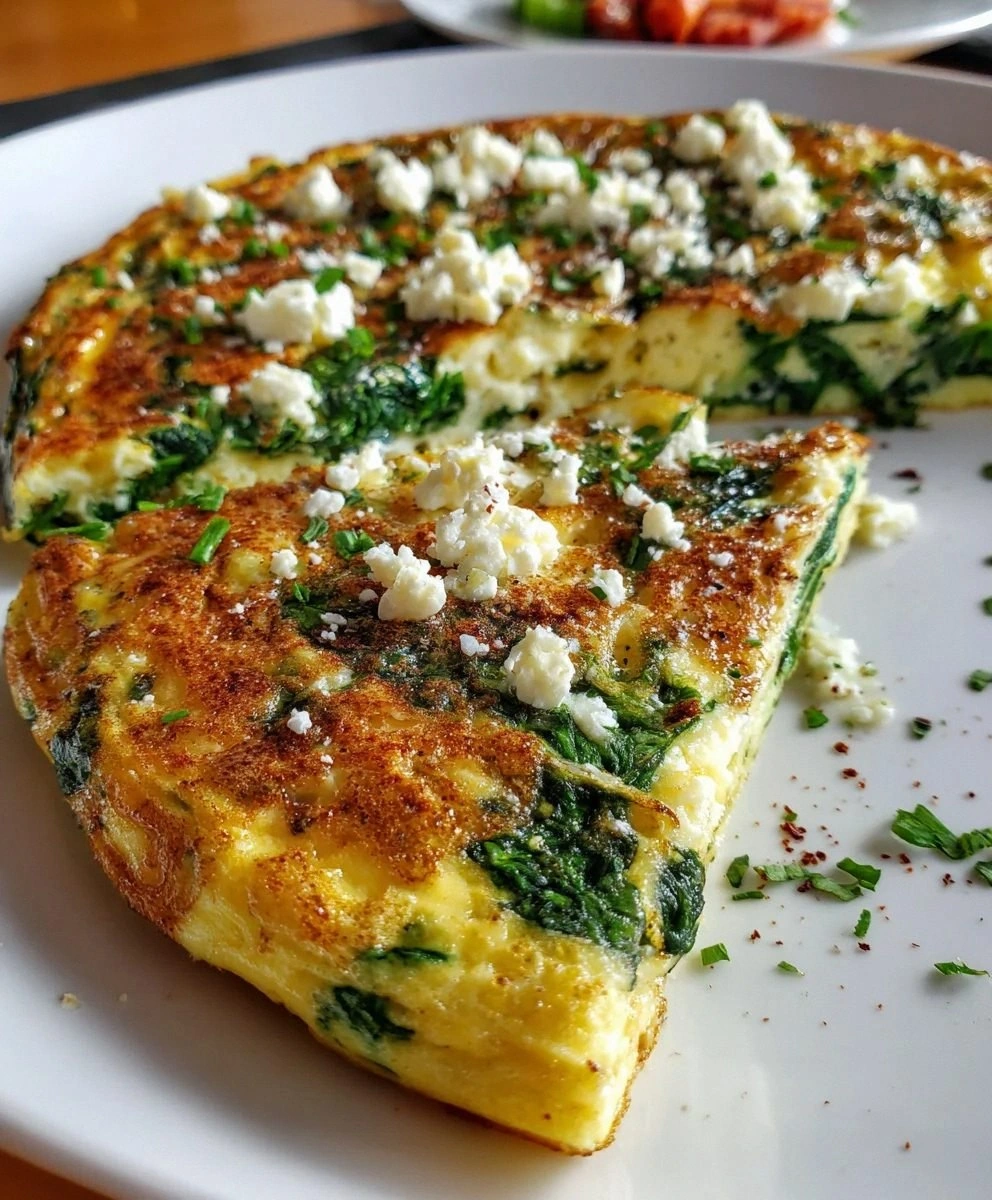
- Garnish with fresh herbs if using, slice into wedges, and serve. The first slice is always a bit messy — consider it the cook's treat. After that, the pieces should come out cleanly, showing off those distinct layers of green spinach, white cheese, and golden egg. Serve it directly from the skillet for rustic charm, or slide it onto a cutting board for a more elegant presentation. Either way, prepare yourself for the inevitable "this is the best frittata I've ever had" comments.
That's it — you did it. But hold on, I've got a few more tricks that'll take this to another level...
Insider Tricks for Flawless Results
The Temperature Rule Nobody Follows
Here's the thing that separates amateur frittatas from professional ones: temperature management. Your eggs should never go from cold fridge to hot oven — that's how you get rubbery edges and a runny center. Let them sit out for 15-20 minutes while you prep everything else. Same goes for your milk — cold milk shocks the eggs and prevents them from incorporating air properly. Room temperature ingredients mix more smoothly, cook more evenly, and give you that velvety texture that makes people ask if you went to culinary school.
Why Your Nose Knows Best
Don't rely on a timer alone — your nose is your best kitchen timer. When the frittata is perfectly done, your kitchen will smell like butter, eggs, and something indefinably delicious. If you start to smell sharp, eggy odors, it's overdone. If you don't smell anything, it's not ready yet. A friend tried skipping this step once and served what she called "aromatic-free frittata" that tasted like cardboard. Trust your senses — they've been refined over thousands of years of human cooking.
The 5-Minute Rest That Changes Everything
I cannot stress this enough — those 5 minutes of resting time are not optional. They're not even negotiable. They're the difference between a frittata that slices cleanly and one that falls apart like a bad relationship. During this rest, the proteins finish setting, the steam redistributes evenly, and the temperature equalizes so you don't burn your mouth on molten cheese while the center is still cold. Use this time to make coffee, set the table, or just admire your handiwork. Good things come to those who wait.
Creative Twists and Variations
This recipe is a playground. Here are some of my favorite ways to switch things up:
The Mediterranean Vacation
Swap the mozzarella for crumbled goat cheese, add a handful of sun-dried tomatoes and some chopped Kalamata olives. The goat cheese brings tanginess that plays beautifully with the sweet tomatoes, while the olives add those umami punches that make people close their eyes when they eat. Add some fresh oregano with the herbs at the end, and suddenly you're eating breakfast on a Greek island instead of in your tiny apartment kitchen.
The Spanish Inquisition
Add diced roasted red peppers, replace the feta with Manchego cheese, and throw in some chopped chorizo with the onions. The smoky paprika in the chorizo stains the eggs a gorgeous golden-orange color, and the Manchego melts into these nutty, complex pockets of flavor. Top with fresh parsley and serve with crusty bread — it's like tapas for breakfast, and nobody expects it.
The Garden Party
Double the vegetables by adding diced zucchini and bell peppers with the onions. The extra vegetables make this feel virtuous while still being indulgent. Use fresh mozzarella instead of shredded for those gorgeous melted pools, and add fresh basil at the end. It's like summer in every bite, and it's substantial enough to serve for dinner with a simple green salad.
The Comfort Food Remix
Add diced potatoes (par-cooked in the microwave for 3 minutes) with the onions, use sharp cheddar instead of mozzarella, and throw in some crispy bacon. This is weekend breakfast nirvana — the potatoes add heft, the cheddar brings that nostalgic comfort food factor, and the bacon... well, it's bacon. Nobody ever complained about bacon. This version could convert even the most dedicated breakfast skeptics.
The Fancy Brunch
Add smoked salmon pieces in the last 5 minutes of baking, swap the mozzarella for cream cheese dots, and add fresh dill instead of parsley. The salmon just warms through without drying out, the cream cheese melts into creamy pockets, and the dill makes everything taste fresh and sophisticated. Serve with mimosas and watch your guests think you hired a caterer.
The Weeknight Dinner
Add cooked pasta (small shapes like orzo or ditalini) to make it substantial enough for dinner. The pasta soaks up the egg mixture and creates almost a pasta-omelet hybrid that's weirdly addictive. Kids love it, adults appreciate the protein, and you get to clean out your fridge of leftover pasta. It's like carbonara's more sophisticated cousin who went to finishing school.
Storing and Bringing It Back to Life
Fridge Storage
Let the frittata cool completely before storing — warm eggs in a sealed container create condensation that leads to soggy, sad leftovers. Cut it into individual portions and store in an airtight container for up to 4 days. The flavors actually meld and improve overnight, making this the ultimate meal prep champion. Place a piece of parchment paper between layers if you're stacking pieces to prevent them from sticking together and creating frittata Jenga when you're trying to grab a piece.
Freezer Friendly
Yes, you can freeze frittata! Cut it into individual portions, wrap each piece tightly in plastic wrap, then aluminum foil, and freeze for up to 2 months. Thaw overnight in the refrigerator (not on the counter — we're not trying to grow science experiments). The texture won't be quite as perfect as fresh, but it's still miles better than most frozen breakfast options. Pro tip: freeze pieces flat on a baking sheet first, then transfer to a freezer bag — this prevents them from freezing into one solid block that requires a chisel to separate.
Best Reheating Method
The microwave works in a pinch, but it can turn your beautiful frittata rubbery faster than you can say "leftovers." Instead, warm individual slices in a dry skillet over medium-low heat for 3-4 minutes per side. This revives the crispy edges and keeps the center tender. For a quick option, microwave for 30 seconds, then finish in a toaster oven or regular oven at 350°F for 5 minutes. Add a tiny splash of water to the plate before microwaving — it creates steam that helps reheat without drying out the eggs.