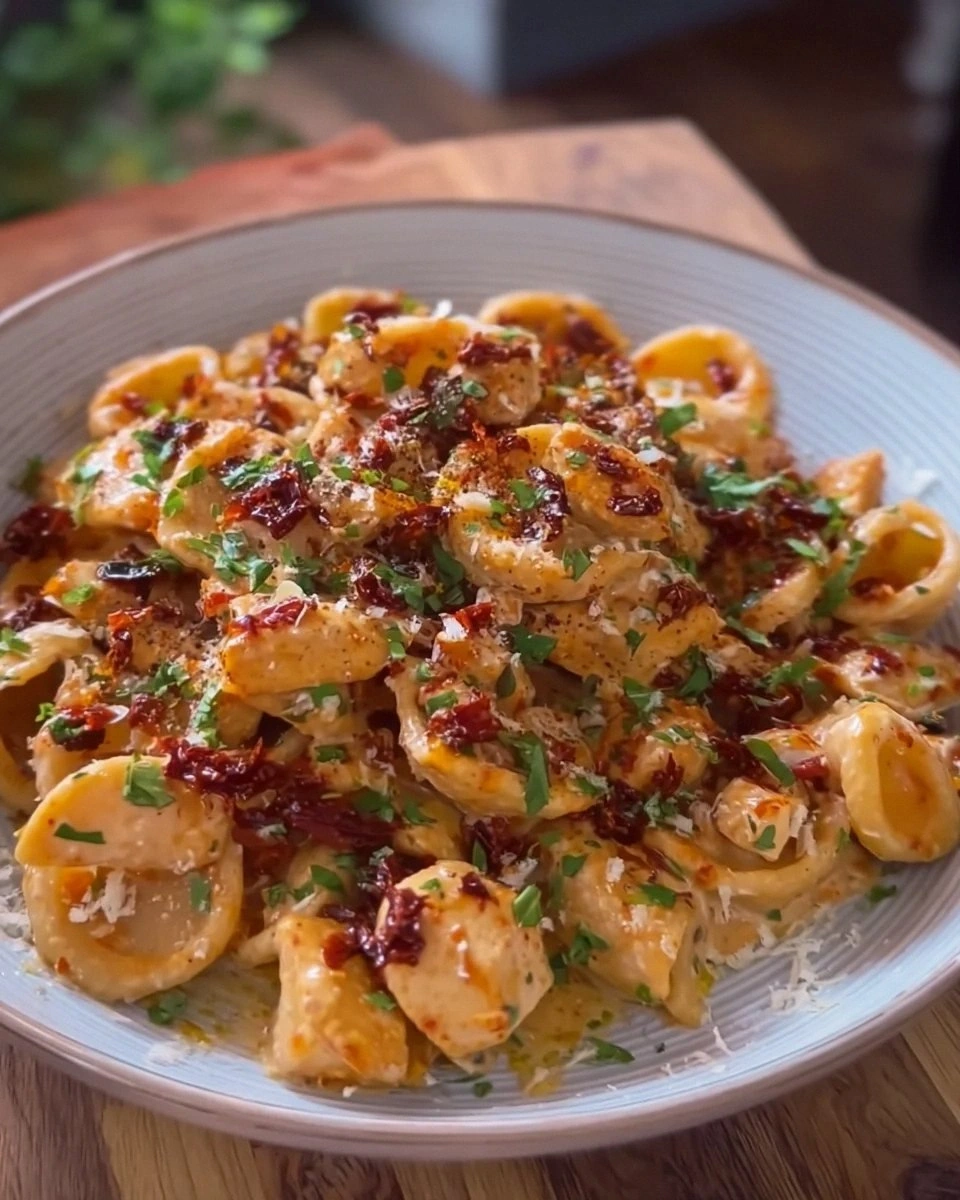
I was standing in my kitchen, the timer on the oven blinking red like a warning sign, when my roommate shouted, “You’ve got to try that new Cajun‑Nduja thing you keep bragging about!” I laughed, tossed a handful of crushed red pepper into the air, and thought, “What if I could marry the smoky heat of Cajun spices with the deep, porky fire of nduja in a single, glorious pasta?” The result? A dish that slaps you awake like a double espresso shot, then hugs you like a warm blanket. I’m not exaggerating when I say this is the most addictive, flavor‑packed chicken pasta I’ve ever made, and it will make you question every bland bowl of spaghetti you’ve ever endured.
The moment the chicken hits the pan, you hear that unmistakable sizzle, a sound that promises caramelized edges and juicy interiors. The aroma of garlic and onion mingles with the earthy perfume of crushed tomatoes, while a whisper of smoked paprika and Cajun seasoning drifts up, tickling your nostrils. As the sauce simmers, the heavy cream swirls in, turning the mixture from a bright red to a velvety ruby that coats each noodle like silk. When you finally toss the al dente penne through this molten sauce, the pasta clings to the sauce with the tenacity of a lover refusing to let go, and the heat from the nduja lingers on the tongue like a secret you can’t keep.
What sets this version apart from every other “spicy chicken pasta” you’ve ever seen is a daring combination of ingredients that most home cooks shy away from. Most recipes either drown the chicken in a bland tomato base or overload the dish with cheap chili flakes that taste like burnt cardboard. I dared to bring in authentic Italian nduja, a fermented pork spread that delivers a complex, umami‑rich fire, and paired it with a Cajun rub that adds a smoky, herbal depth. The result is a balanced heat that builds layer after layer, never overwhelming but always present, making you wonder why you ever settled for ordinary.
And here’s the kicker: I’m going to reveal a technique that most chefs keep to themselves – the “sauce finish” where you finish the pasta in the pan, letting the starches release and thicken the sauce just enough to cling perfectly. Trust me, this trick is a game‑changer; it turns a good sauce into a masterpiece. Let me walk you through every single step — by the end, you’ll wonder how you ever made it any other way.
What Makes This Version Stand Out
- Taste: The marriage of Cajun spices and nduja creates a heat that’s smoky, sweet, and deeply savory, unlike any generic chili powder you’ve used before.
- Texture: Crispy chicken pieces contrast with silky pasta, while the sauce coats each strand like a glossy, buttery veil.
- Simplicity: Despite the complex flavor profile, the recipe uses pantry staples and a handful of steps – no fancy equipment required.
- Uniqueness: Nduja is rarely featured in pasta; its porky depth elevates the dish from “spicy” to “sublime.”
- Crowd Reaction: One bite and you’ll hear the “wow” chorus from the table; it’s a guaranteed crowd‑pleaser for dinner parties.
- Ingredient Quality: Using fresh chicken breast and high‑quality pasta ensures each component shines without being masked.
- Cooking Method: The “sauce finish” technique locks in flavor and creates a luxurious mouthfeel that store‑bought sauces can’t mimic.
- Make‑Ahead Potential: The sauce can be prepared ahead of time, letting the flavors meld while you focus on perfect pasta al dente.
Inside the Ingredient List
The Flavor Base
Olive Oil (2 tbsp): This is the silent hero that carries the aromatics without burning. It gives the chicken a glossy finish and helps the spices bloom. If you skip it, the garlic will scorch, leaving a bitter aftertaste.
Butter (2 tbsp): Adding butter after the oil creates a richer mouthfeel and a subtle nutty note that balances the heat. You can swap it for ghee if you’re dairy‑free, but you’ll lose that buttery sheen.
Onion (1 medium, diced): The onion provides a sweet foundation that offsets the spiciness. Look for onions with a firm skin and no sprouting; they’ll stay crisp when sautéed.
Garlic (3 cloves, minced): Garlic is the aromatic glue that binds the Cajun and nduja flavors. Crush it just before using to release maximum allicin – the compound responsible for that pungent kick.
The Texture Crew
Chicken Breasts (2 large, cut into bite‑size pieces): Fresh, skinless chicken breast offers lean protein and a tender bite. If you prefer dark meat, thighs work too and stay juicier.
Penne Pasta (12 oz): Penne’s ridges trap the sauce, ensuring every forkful is drenched. You could use rigatoni or fusilli, but penne gives the perfect balance of bite and sauce‑holding capacity.
The Unexpected Star
Nduja (2 tbsp): This fermented pork spread is the secret weapon – it brings a smoky, umami‑rich heat that’s unlike any chili powder. If you can’t find nduja, substitute with a blend of chorizo and a dash of smoked paprika, but you’ll miss the authentic depth.
Cajun Seasoning (1 tsp): A blend of paprika, garlic powder, onion powder, thyme, and cayenne, it adds a Southern flair that complements the Italian roots of the pasta.
Red Pepper Flakes (½ tsp): For those who love a lingering heat, these flakes keep the spice alive on the palate long after the bite.
The Final Flourish
Canned Crushed Tomatoes (1 cup): The tomatoes provide acidity that cuts through the richness of the cream and nduja. Choose fire‑roasted varieties for an extra smoky note.
Chicken Broth (½ cup): This adds depth without diluting the sauce. If you’re low on broth, a splash of water with a pinch of bouillon works.
Heavy Cream (½ cup): Cream mellows the heat and gives the sauce its luxurious silkiness. For a lighter version, substitute half‑and‑half, but expect a thinner sauce.
Parmesan Cheese (¼ cup, grated): Parmesan introduces a salty, nutty finish that ties the whole dish together. Freshly grated is best; pre‑grated can be gritty.
Fresh Basil (a handful, torn): Basil adds a fragrant, herbaceous lift right before serving. It’s the bright green punctuation to a bold, red‑hot paragraph.
Salt & Pepper (to taste): These basic seasonings are the final adjusters; they bring out the flavors of every component. Don’t forget to taste as you go.
Everything's prepped? Good. Let’s get into the real action…
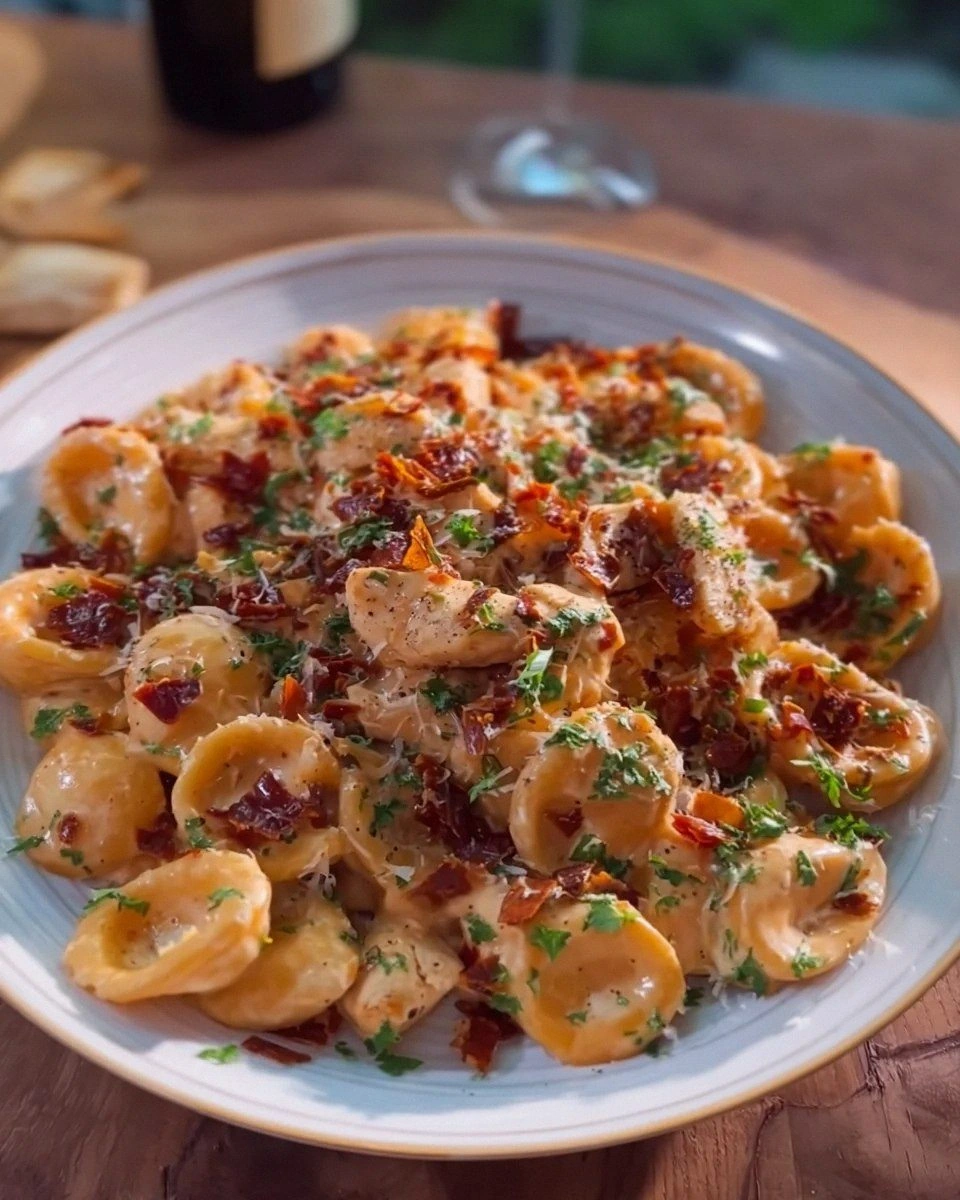
The Method — Step by Step
Start by bringing a large pot of salted water to a rolling boil. Once boiling, add the penne and cook until it’s al dente – usually 9‑11 minutes, depending on the brand. Tip: Reserve a cup of pasta water before draining; you’ll need it later to loosen the sauce if it gets too thick. The water should taste like the sea – this is your first layer of flavor.
While the pasta is cooking, heat 2 tablespoons of olive oil and 2 tablespoons of butter in a wide skillet over medium‑high heat. When the butter foams, add the diced onion. Sauté for 3‑4 minutes until the onion becomes translucent and starts to caramelize. That sizzle when it hits the pan? Absolute perfection.
Kitchen Hack: Sprinkle a pinch of sea salt on the onions; it draws out moisture, speeding up caramelization.Add the minced garlic and let it perfume the pan for 30 seconds – watch closely, because garlic burns faster than you think. Then, toss in the chicken pieces, spreading them out so they’re not crowded. Let them sear without moving for about 2 minutes; this creates those coveted golden edges that crackle like thin ice when you bite.
Season the chicken with 1 teaspoon of Cajun seasoning, ½ teaspoon of red pepper flakes, and a pinch of black pepper. Stir to coat evenly, and let the spices toast for another minute. The aroma should shift from raw to smoky, signaling that the flavor base is building correctly.
Now comes the star: add 2 tablespoons of nduja directly into the pan. It will melt almost instantly, turning the mixture a deep, glossy red. Watch Out: Nduja is oily; if the pan looks too slick, quickly deglaze with the ½ cup of chicken broth to prevent splattering.
Stir in 1 cup of crushed tomatoes, letting the sauce bubble gently. Reduce the heat to medium and let it simmer for 5‑6 minutes, allowing the tomatoes to break down and meld with the nduja. The sauce should thicken slightly, hugging the chicken pieces like a warm blanket.
Pour in ½ cup of heavy cream, watching the sauce transform into a velvety ruby. Let it simmer for another 2‑3 minutes, stirring occasionally. If the sauce looks too thick, add a splash of the reserved pasta water – you’re aiming for a silky, coat‑that‑does‑not‑slide texture.
Drain the penne, reserving that cup of pasta water if you haven’t already. Add the hot pasta directly into the skillet, tossing vigorously so each tube gets enveloped in the sauce. This “sauce finish” step is where the starches from the pasta release, naturally thickening the sauce and ensuring every bite is coated perfectly.
Turn off the heat and fold in ¼ cup of grated Parmesan and the torn basil leaves. The cheese should melt into the sauce, adding a salty depth, while the basil injects a fresh, herbaceous pop. Taste and adjust with salt and pepper as needed – remember, seasoning is the final brushstroke on a masterpiece.
Serve immediately, garnishing each plate with an extra sprinkle of Parmesan and a drizzle of olive oil if you like. Pair with a crisp white wine or a cold lager, and watch your guests dive in. I dare you to taste this and not go back for seconds – it’s that good.
That’s it — you did it. But hold on, I’ve got a few more tricks that'll take this to another level…
Insider Tricks for Flawless Results
The Temperature Rule Nobody Follows
Never start the sauce on high heat. A moderate flame allows the flavors to develop without scorching. I once cranked the heat to “max” and ended up with a burnt bottom; the whole dish tasted like charcoal. Keep it steady, and you’ll get a smooth, cohesive sauce every time.
Why Your Nose Knows Best
Smell is your secret gauge. When the onions turn golden and the garlic releases its perfume, you know they’re ready. If you can’t detect that sweet, caramelized scent, keep sautéing a bit longer – it’s better to be patient than to rush and end up with raw aromatics.
The 5‑Minute Rest That Changes Everything
After you finish cooking, let the pasta sit for five minutes off the heat. This short rest lets the sauce cling tighter and the flavors meld further. It’s like letting a good wine breathe – the difference is subtle but undeniable.
Butter‑Boosted Finish
Just before serving, whisk in an extra tablespoon of cold butter. The butter emulsifies the sauce, giving it a glossy sheen and a richer mouthfeel. It’s a pro tip that turns a good dish into a restaurant‑level experience.
Spice Layering Mastery
Instead of dumping all the heat at once, add a pinch of red pepper flakes during the sauté, then another pinch right before serving. This layered approach keeps the heat alive from start to finish, preventing the dish from flattening out.
Creative Twists and Variations
This recipe is a playground. Here are some of my favorite ways to switch things up:
Smoky Bacon Boost
Replace half of the chicken with crisped bacon strips. The smoky pork complements the nduja, adding an extra crunch. Ideal for brunch‑style lunches.
Seafood Swap
Swap chicken for peeled shrimp or scallops. The delicate seafood pairs beautifully with the spicy sauce, creating a surf‑and‑turf vibe.
Vegetarian Version
Omit the chicken and add roasted cauliflower florets and sliced mushrooms. The vegetables absorb the sauce, delivering a hearty, plant‑based alternative.
Tomato‑Free Creamy Red
Replace crushed tomatoes with roasted red pepper puree. This yields a sweeter, slightly smoky base that lets the nduja shine even brighter.
Spice‑Level Control
For a milder dish, halve the red pepper flakes and use a sweet paprika instead of Cajun seasoning. For fire‑breathers, double the nduja and add a splash of hot sauce.
Herb‑Infused Finish
Stir in a handful of fresh oregano or thyme just before plating. The herbaceous notes lift the richness and add a fragrant finish.
Storing and Bringing It Back to Life
Fridge Storage
Transfer leftovers to an airtight container and refrigerate for up to 3 days. The sauce may thicken as it cools; simply reheat gently and add a splash of water or broth to restore its silky texture.
Freezer Friendly
This dish freezes beautifully. Portion into freezer‑safe bags, removing as much air as possible, and store for up to 2 months. Thaw overnight in the fridge, then reheat on the stove, again adding a splash of liquid to revive the sauce.
Best Reheating Method
Reheat on the stovetop over low heat, stirring constantly. Add a tiny splash of water or broth before heating – it creates steam that brings the pasta back to life, preventing it from drying out.