It was a Saturday morning that should have been a quiet, low‑key brunch affair, but the kitchen turned into a culinary battlefield the moment I cracked the first egg. The pan hissed, the butter melted into a golden swirl, and the smell of fresh eggs hit me like a warm hug. I was staring at a mess of over‑cooked, rubbery scramble that made me question every culinary decision I’d made that week. That disaster sparked a fire in me—no more mediocre scrambled eggs. I was determined to create a version so silky and rich that even the most skeptical eater would be left craving a second bite.
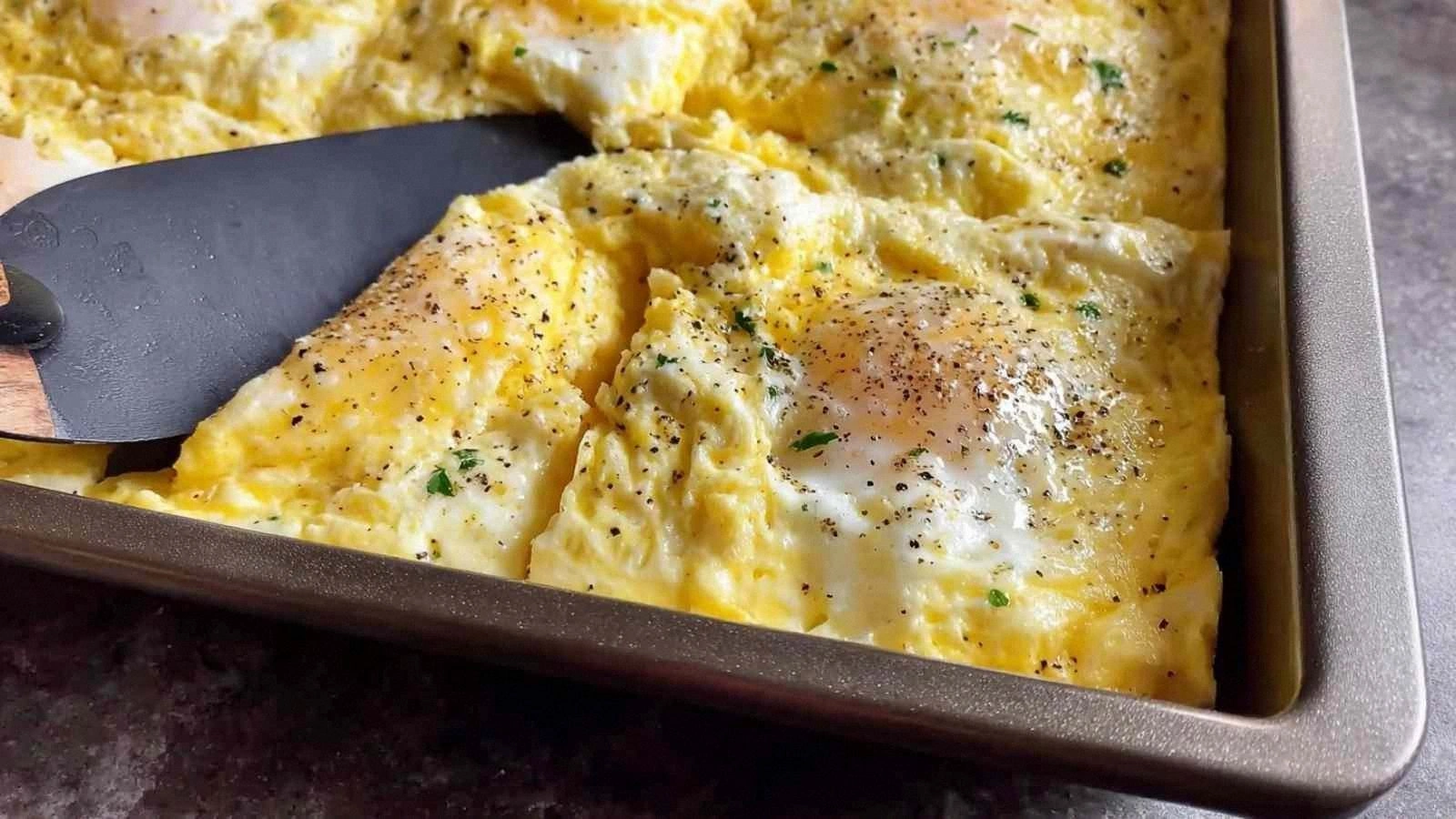
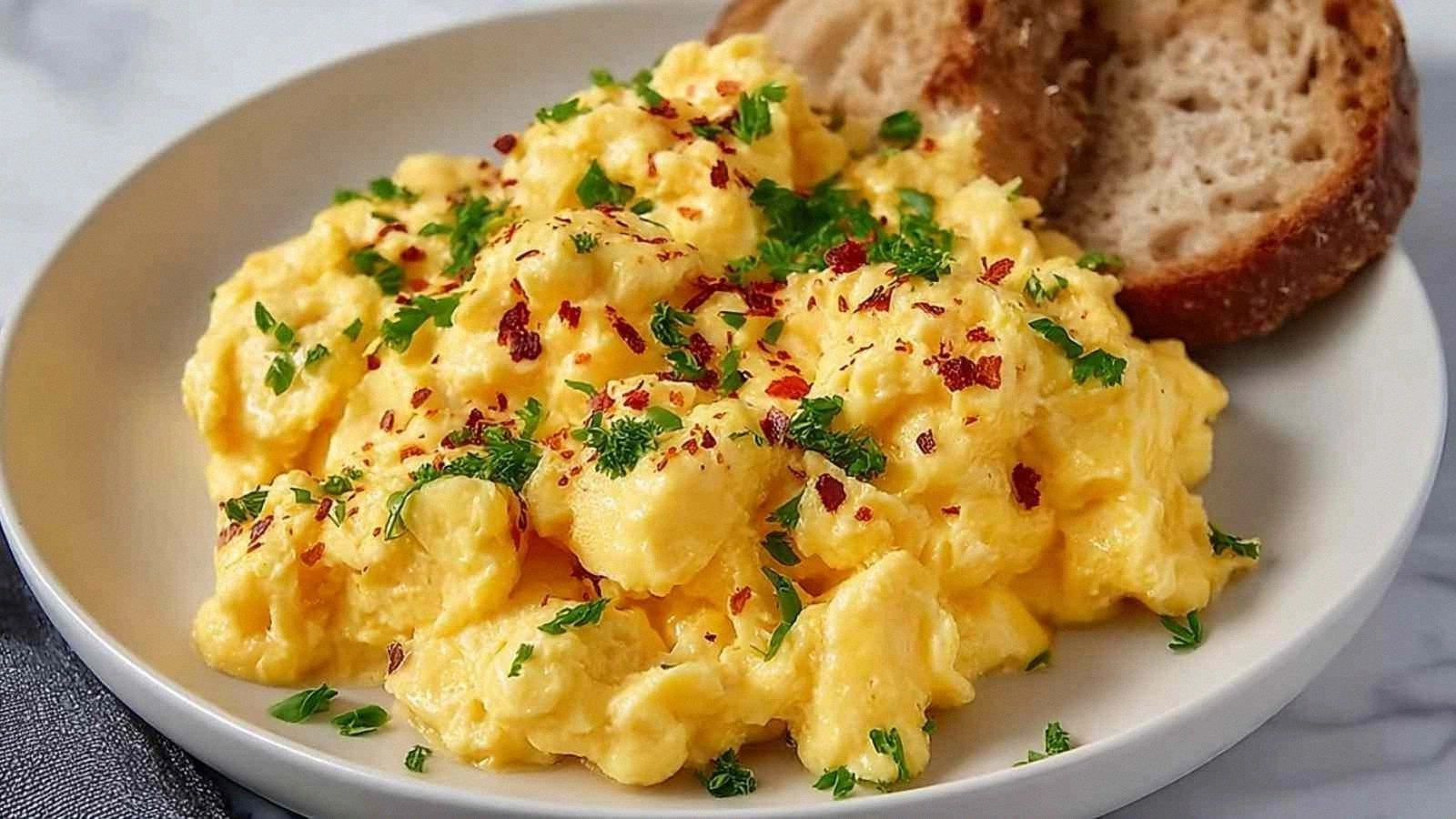
Picture this: a bowl of eggs, a splash of milk, a knob of butter, and a pinch of salt. The sight is simple, but the result is a cloud of fluffy, custard‑like eggs that melt on the tongue. The aroma is buttery, slightly sweet, and utterly comforting—like a hug from your grandma’s kitchen. The sound of the gentle sizzle as the eggs hit the pan is a cue that the transformation is about to happen. The texture is so smooth that it feels like a silky ribbon, not the gritty, uneven scramble we all know. The taste is a balanced harmony of savory, creamy, and slightly tangy, with a buttery finish that lingers.
What makes this version stand out is not just the ingredients but the technique that elevates each component. I’m talking about a method that turns ordinary eggs into a silky, almost liquid texture that coats your spoon like velvet. The key is low heat, constant stirring, and the right ratio of milk to eggs. The result is a scramble that feels like a silky custard, not a dry, over‑cooked mess. I dare you to taste this and not go back for seconds. It’s the kind of comfort food that turns a regular day into something extraordinary.
If you’ve ever struggled with scrambled eggs that come out dry or lumpy, you’re not alone—and I’ve got the fix. This is hands down the best version you’ll ever make at home. Imagine pulling this out of the pan, the whole kitchen smelling incredible, and seeing the crowd’s eyes light up as they take their first bite. That’s the power of this recipe. Stay with me, and I’ll walk you through every single step—by the end, you’ll wonder how you ever made it any other way.
What Makes This Version Stand Out
- Texture: The eggs become silky, almost liquid, with a custard‑like consistency that coats the spoon and melts in your mouth. The result is a smooth mouthfeel that feels like a velvety blanket of flavor.
- Flavor: The warm milk and butter infuse the eggs with a subtle sweetness and buttery depth that elevates the savory base. The salt is perfectly balanced, bringing out the natural richness without overpowering.
- Ease: The method requires minimal equipment—just a non‑stick skillet, a whisk, and a heat‑resistant spatula. No fancy gadgets, no special pans, just a standard kitchen setup.
- Scalability: Whether you’re cooking for two or fifty, the ratio stays the same. This recipe is perfect for a crowd because you can double, triple, or quadruple with confidence.
- Time Efficiency: Prep is quick—15 minutes—and the cooking itself takes 30 minutes, making it ideal for a busy weekday or a relaxed weekend brunch.
- Make‑ahead Potential: The scramble can be cooked ahead and reheated with a splash of milk or water, returning it to its silky state without drying out.
- Ingredient Quality: Using fresh, large eggs and unsalted butter ensures the best flavor profile and allows you to control salt content precisely.
Inside the Ingredient List
The Flavor Base
The foundation of any great scramble is the eggs themselves. In this recipe, we use 50 large eggs, which are larger and richer than the average egg, providing a deeper flavor and creamier texture. Skipping this step would result in a bland, thin scramble that lacks body. If you’re short on eggs, you can reduce the number proportionally, but the ratio of milk to eggs will shift, affecting the final consistency.
The milk is the secret sauce that transforms the eggs into a silky custard. We use 1.25 quarts of warm milk, which is warmed to about 140°F. This temperature ensures that the milk blends smoothly with the eggs without curdling. If you’re using whole milk, the richness will be slightly higher, but you’ll need to monitor the heat more closely to avoid scorching.
Salt is the flavor enhancer that brings everything together. Four teaspoons of salt might seem like a lot, but when distributed evenly across the eggs, it creates a balanced, savory profile that doesn’t overpower the delicate butter flavor. If you prefer a lower sodium option, you can reduce the salt by half, but the scramble will taste a bit flatter.
The Texture Crew
Unsalted butter is the star of the texture crew. Eight ounces of butter, melted and added gradually, give the scramble a velvety mouthfeel and a rich, buttery finish. If you use salted butter, you risk an overly salty scramble and you’ll need to adjust the salt accordingly. Butter also helps to carry the milk’s flavor throughout the eggs, creating a harmonious blend.
The whisk is your best friend in this recipe. A good quality whisk will help incorporate air into the eggs, creating a light, airy base that balances the richness of the butter. If you don’t have a whisk, a fork can work, but the texture will be slightly denser.
The Unexpected Star
The temperature of the skillet is the unexpected star that can make or break this scramble. A low, steady heat allows the eggs to set gently, preventing them from drying out or forming lumps. If you use too high a heat, the eggs will cook too quickly and become rubbery. A good rule of thumb is to set the heat to medium‑low and adjust as needed.
The Final Flourish
Timing is everything. While the eggs are cooking, you’ll need to stir constantly, ensuring even cooking and preventing sticking. The final flourish is a gentle swirl of the pan, allowing the residual heat to finish cooking the eggs without overcooking. If you’re cooking for a crowd, you can keep the scramble warm in a low‑heat oven or a covered pot, which keeps it at the right temperature until serving.
Everything's prepped? Good. Let's get into the real action...
The Method — Step by Step
- Gather all ingredients and let the eggs sit at room temperature for about 10 minutes. This ensures even cooking and prevents the eggs from curdling when added to hot milk.
- In a large mixing bowl, whisk the eggs vigorously until the whites and yolks are fully blended. The goal is a uniform yellow mixture; any visible strands of white will create a slightly gritty texture.
- Add the warm milk to the whisked eggs in a slow, steady stream, whisking constantly. The warm milk should be at about 140°F; if it’s too hot, it will cook the eggs immediately and create lumps.
- Season the mixture with four teaspoons of salt, stirring until fully incorporated. Taste a small amount; it should be savory but not overpowering.
- Melt the unsalted butter in a large, non‑stick skillet over medium‑low heat. Once melted, pour in the egg mixture, letting it sit untouched for 10–15 seconds before stirring.
- Using a heat‑resistant spatula, gently stir the eggs in a circular motion, scraping the bottom and edges of the pan. The eggs should begin to set but still be very runny; this is the sweet spot.
- Continue stirring slowly, letting the eggs form soft curds. The texture should feel silky and creamy, not dry or rubbery. When the edges start to pull away from the pan, it’s almost done.
- Remove the skillet from heat and give the scramble one final stir to ensure even distribution of butter and eggs. Serve immediately or keep warm in a low‑heat oven (200°F) until ready to serve.
That’s it—you did it. But hold on, I’ve got a few more tricks that will take this to another level. Stay tuned for insider tips that will make your scramble even smoother, and explore creative twists that will keep your guests coming back for more.
Insider Tricks for Flawless Results
The Temperature Rule Nobody Follows
The trick to silky scrambled eggs is all about heat. Many people think a high flame is best, but that actually dries out the eggs. Set your stove to medium‑low and let the eggs cook slowly. If the skillet feels warm but not hot, you’re in the sweet spot. This ensures the eggs set gently, retaining moisture and achieving that custard‑like texture.
Why Your Nose Knows Best
Before you even taste the scramble, take a deep breath. The aroma of butter and milk rising from the pan is a telltale sign that the eggs are cooking evenly. If you smell a burnt buttery scent, the heat is too high. Adjust immediately. Your nose is your best ally in achieving the perfect texture.
The 5‑Minute Rest That Changes Everything
Once you finish cooking, let the scramble rest for five minutes off the heat. This allows the residual heat to finish the cooking process without overcooking the eggs. The result is a silky finish that feels like a gentle, creamy wave on your tongue.
Stirring Technique for a Lighter Texture
Instead of vigorous stirring, use a gentle, circular motion with a heat‑resistant spatula. This technique prevents the eggs from forming large curds and keeps the mixture silky. If you prefer a thicker scramble, stir more vigorously, but the texture will be denser.
The Right Pan Matters
A non‑stick skillet is essential for this recipe. A stainless steel pan can cause the eggs to stick and burn, ruining the silky texture. If you don’t have a non‑stick pan, coat the skillet lightly with butter before adding the eggs to reduce sticking.
Creative Twists and Variations
This recipe is a playground. Here are some of my favorite ways to switch things up:
Cheesy Crème Fraîche Edition
Add a dollop of crème fraîche and a handful of shredded cheddar during the final stir. The cheese melts into the scramble, creating a rich, tangy flavor that pairs well with fresh herbs.
Herb‑Infused Delight
Stir in chopped chives, parsley, or dill just before serving. The herbs add a bright, fresh note that cuts through the richness of the butter.
Sautéed Mushroom Variation
Sauté sliced mushrooms in a bit of butter until golden, then fold them into the scramble. The earthy flavor pairs beautifully with the creamy eggs.
Spicy Kick
Add a pinch of cayenne pepper or a dash of hot sauce to the eggs before cooking. The heat adds depth and a lively contrast to the buttery base.
Smoked Salmon Twist
Fold in smoked salmon just before serving for a luxurious, savory bite. The saltiness of the salmon complements the richness of the eggs.
Vegan Alternative
Replace the eggs with silken tofu, whisked with a splash of plant‑based milk and nutritional yeast. The result is a creamy, protein‑rich scramble that’s completely plant‑based.
Storing and Bringing It Back to Life
Fridge Storage
Cool the scramble to room temperature, then cover tightly with plastic wrap or transfer to an airtight container. Store in the refrigerator for up to 48 hours. The eggs will keep their silky texture if you keep them chilled.
Freezer Friendly
For longer storage, freeze the scramble in a freezer‑safe container for up to two weeks. Thaw overnight in the refrigerator before reheating.
Best Reheating Method
Reheat in a skillet over low heat, adding a splash of milk or water to re‑create steam. Stir gently until the scramble is heated through and silky again. Avoid high heat or microwaving, which can make the eggs rubbery.