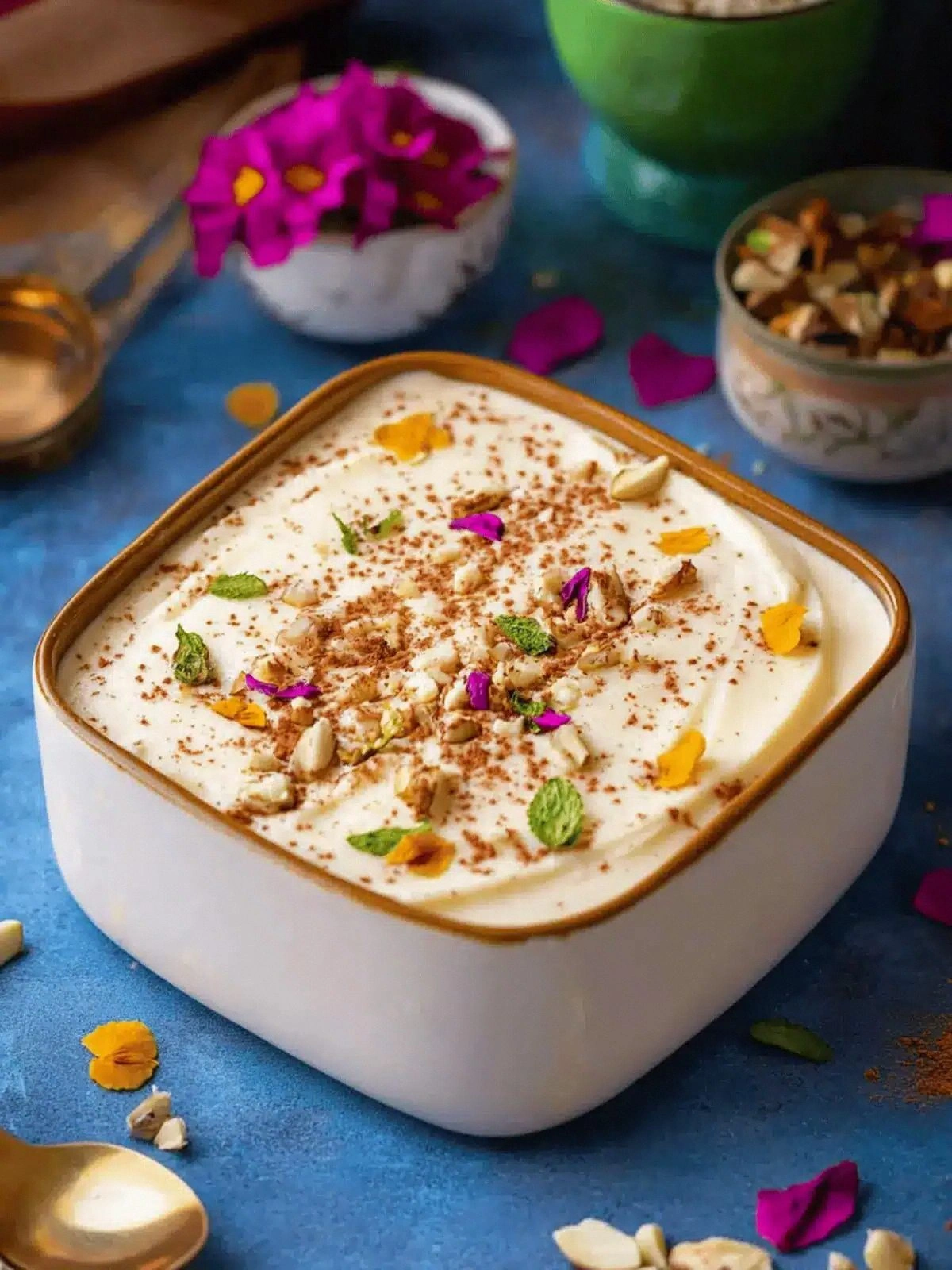
Picture this: it’s a rainy Saturday, the kind where the clouds look like they’re auditioning for a drama series, and you’ve just burned the last batch of toast while trying to multitask. I was standing there, staring at a charred slab of bread, wondering if I’d ever get my culinary act together again. Then, a daring friend dared me – “Make something that feels like a warm hug in a bowl, but with a twist you’ve never tried.” I accepted, and the result? A smoked salmon chowder that makes you feel like you’ve discovered a secret treasure chest hidden in a seaside lighthouse.
The first whiff of the butter melting in the pot was like a promise whispered in a lover’s ear – rich, comforting, and impossible to ignore. As the onions softened, they released a sweet perfume that mingled with the earthy scent of celery and the subtle bite of garlic, creating a symphony that had my kitchen humming. When the white wine hit the pan, it sizzled like a tiny fireworks show, and the steam that rose carried hints of brine and citrus, making my mouth water before the first spoonful even touched my lips.
What sets this chowder apart is the way the smoked salmon is folded in at just the right moment, preserving that delicate, buttery texture while still letting the smoky depth shine through. Most recipes either drown the fish in a sea of cream or cook it too long, turning it into a rubbery disappointment. Not this one. I’m talking about a broth that’s velvety yet light, peppered with fresh dill and a splash of lemon that cuts through the richness like a perfectly timed punchline.
And here’s the kicker: I’m about to reveal a technique that most chefs keep under wraps – a quick “flour slurry” that eliminates any chance of a lumpy base, ensuring a silk‑smooth finish every single time. I dare you to taste this and not go back for seconds. Let me walk you through every single step — by the end, you’ll wonder how you ever made it any other way.
What Makes This Version Stand Out
- Flavor Depth: The combination of smoked salmon and a splash of white wine creates layers that evolve with each bite, turning a simple chowder into a culinary adventure.
- Texture Harmony: Creamy broth meets tender potato cubes and buttery salmon pieces, delivering a mouthfeel that’s both comforting and luxurious.
- Simplicity: You only need a handful of pantry staples plus the star ingredient, making it a weeknight hero without the fuss.
- Uniqueness: The finishing dash of lemon juice brightens the dish, preventing the richness from becoming cloying – a trick most recipes miss.
- Crowd Reaction: Served at a dinner party, this chowder consistently earns the “wow” factor, with guests asking for the recipe before the second course arrives.
- Ingredient Quality: Using high‑quality smoked salmon (think thinly sliced, oak‑smoked, not the cheap canned variety) makes all the difference in flavor intensity.
- Cooking Method: The flour‑slurry technique guarantees a lump‑free broth, a secret many home cooks overlook.
- Make‑Ahead Potential: This chowder reheats beautifully, and a quick splash of water restores its silky texture, making leftovers a delight rather than a disappointment.
Inside the Ingredient List
The Flavor Base
Butter is the foundation here – its nutty aroma sets the stage for everything else. When you melt it low and slow, you coax out a sweet, caramelized note that makes the onions sing. If you’re dairy‑free, a good quality plant‑based butter works, but don’t skimp on the richness; it’s what gives the broth its velvet‑like texture.
Onions, diced finely, bring a natural sweetness that balances the smoky salmon later on. Skipping them would leave the broth flat, like a song without a chorus. A tip: sweat the onions until they’re translucent but not browned, to keep the flavor mellow.
Celery and carrots add subtle earthiness and a faint crunch that survives the simmer. If you’re missing celery, fennel fronds can add an anise‑like twist, but be careful – they can overwhelm the delicate fish if used in excess.
The Texture Crew
Potatoes are the unsung heroes, providing body without turning the chowder into a puree. Their starch releases slowly, thickening the broth while keeping each bite distinct. For a lighter version, use Yukon Gold; for a heartier feel, go with Russet.
Flour creates the classic roux that binds everything together. A common mistake is to dump the flour straight into the pot, resulting in dreaded lumps. That’s why we whisk it with a cold liquid first – a move that feels like cheating, but it’s perfectly legit.
Heavy cream adds the final silk‑smooth coat. If you’re watching calories, substitute half-and-half, but expect a slightly thinner consistency. The cream should be added off the heat to prevent curdling – a detail that separates the pros from the amateurs.
The Unexpected Star
White wine is the secret weapon. Its acidity cuts through the richness, while its subtle fruit notes lift the entire dish. Choose a dry, crisp wine – think Sauvignon Blanc or a light Pinot Grigio – and avoid anything too sweet, or you’ll lose the balance.
Fresh dill isn’t just garnish; it infuses the chowder with a bright, herbaceous finish that mirrors the sea breeze. If dill isn’t your jam, tarragon or chives can stand in, but the flavor profile will shift toward the aromatic rather than the briny.
The Final Flourish
Smoked salmon, the star of the show, should be added at the very end, just enough to warm through without overcooking. This preserves its delicate, buttery texture and ensures the smoky aroma remains vibrant. If you’re using a thick slice, tear it by hand for irregular pieces that look rustic and taste even better.
A squeeze of lemon juice right before serving adds a zing that brightens every spoonful, preventing the chowder from feeling heavy. Think of it as the final brushstroke on a masterpiece.
Everything's prepped? Good. Let's get into the real action...
The Method — Step by Step
Melt the butter in a large, heavy‑bottomed pot over medium heat. As the butter foams, listen for that gentle sizzle – that’s the sound of flavor starting to build. Add the diced onion, celery, and carrots, and let them sweat for about five minutes until they’re soft but not browned. This is the foundation; if the vegetables start to caramelize, you’ll introduce a bitter note that can clash with the salmon later.
Kitchen Hack: Keep a lid nearby – covering the pot for the first few minutes traps steam and speeds up softening without extra oil.Stir in the minced garlic and let it cook for just 30 seconds; you’ll hear a faint pop that signals the garlic’s aromatics are releasing. Sprinkle the flour over the veggies, and whisk vigorously for one minute. This creates a light roux that will later thicken the broth without any gritty surprises. If you notice lumps forming, don’t panic – simply whisk in a splash of cold stock to smooth it out.
Deglaze the pot with the white wine, pouring it in a steady stream while stirring. The wine will hiss and steam, evaporating most of the alcohol and leaving behind a bright, tangy backbone. Let it reduce by half, which should take about three minutes. This reduction concentrates the flavor and prevents the final chowder from tasting “winey.”
Add the fish stock (or chicken stock if you’re in a pinch) and bring the mixture to a gentle boil. Once bubbling, drop the cubed potatoes into the pot. Reduce the heat to a simmer and let everything cook for ten minutes, or until the potatoes are fork‑tender. The broth should start to thicken slightly, coating the back of a spoon with a silky sheen.
Now comes the critical moment: lower the heat to medium‑low and stir in the heavy cream. This is where the “Watch Out” box becomes relevant – if the heat is too high, the cream can separate, creating an unappetizing curdle. Keep the temperature gentle and stir continuously.
Watch Out: Adding cream to a boiling pot will cause it to split; always lower the heat before pouring in the cream.Season the chowder with thyme, a bay leaf, salt, and freshly cracked black pepper. Let it simmer for another five minutes so the herbs can infuse their essence. Taste at this stage – the broth should feel rich, slightly salty, and have a faint herbal backdrop. Remember, the smoked salmon will add its own saltiness later, so err on the side of caution now.
Turn off the heat and gently fold in the smoked salmon pieces. The fish should barely warm, just enough to lose the chill of the refrigerator while retaining its silky texture. Stir in the fresh dill and a generous squeeze of lemon juice – this brightens the entire bowl and prevents the cream from feeling cloying.
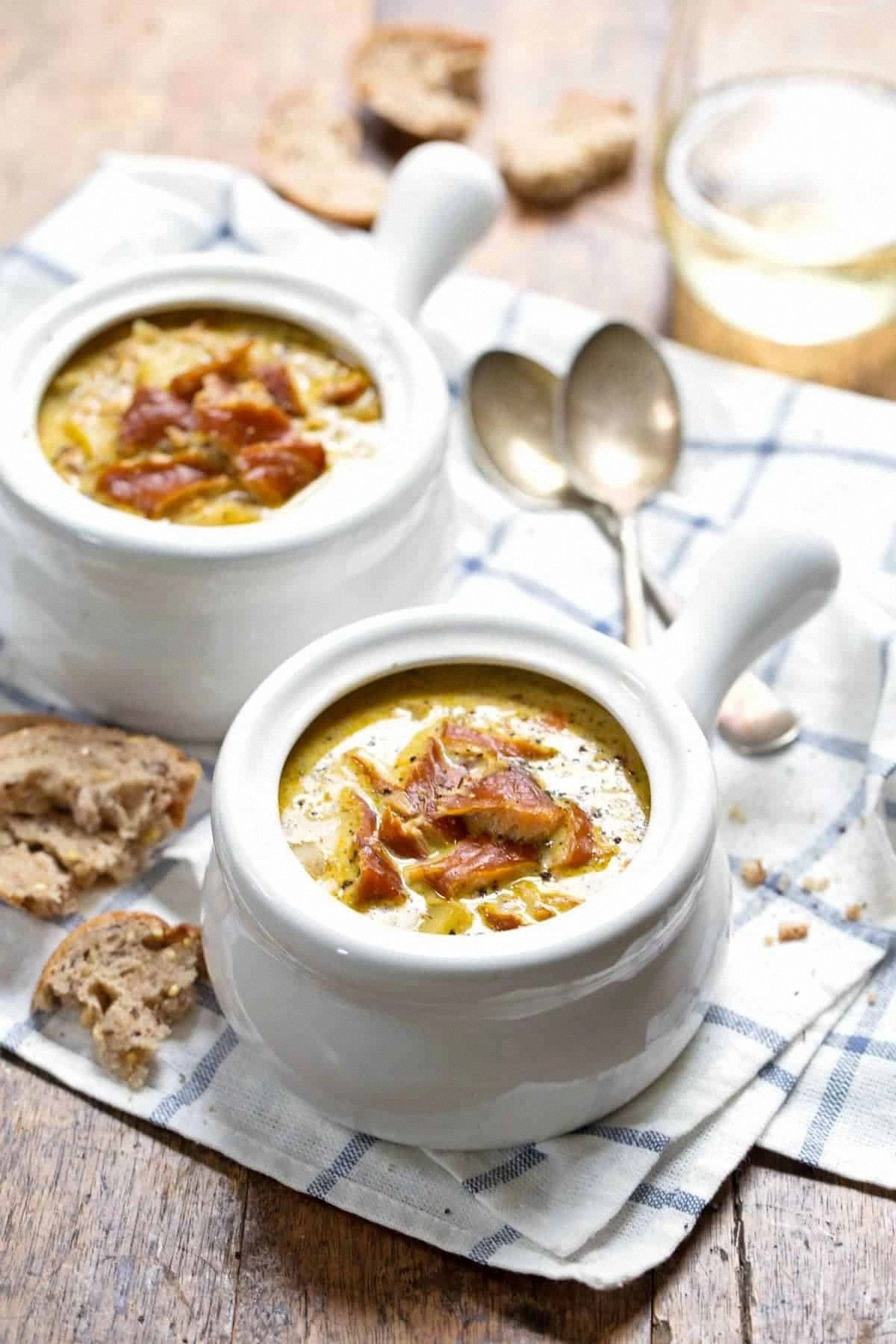
Give the chowder one final gentle stir, then ladle it into warmed bowls. The steam rising should carry hints of smoke, citrus, and fresh herbs, making your kitchen smell like a seaside bistro. Serve immediately with crusty bread or a crisp green salad, and watch your guests’ eyes widen in anticipation.
Kitchen Hack: Warm your serving bowls in the oven for a few minutes; a hot bowl keeps the chowder at a perfect temperature longer.
That’s it — you did it. But hold on, I’ve got a few more tricks that'll take this to another level...
Insider Tricks for Flawless Results
The Temperature Rule Nobody Follows
Never let your broth boil once the cream is in. A gentle simmer is all you need; this keeps the dairy emulsified and prevents a grainy texture. I once left the pot on a high flame for a minute too long, and the chowder turned into a curdled nightmare – a lesson learned the hard way. Keep a close eye, and if you see bubbles forming, immediately lower the heat.
Why Your Nose Knows Best
Your sense of smell is a more reliable indicator than a timer when it comes to sautéing aromatics. When the onions become translucent and start to smell sweet, you’re ready for the next step. If you wait too long, they’ll caramelize and introduce bitterness that clashes with the salmon’s smokiness.
The 5‑Minute Rest That Changes Everything
After you’ve folded in the salmon and herbs, let the chowder sit uncovered for five minutes. This short rest allows the flavors to meld, and the lemon juice to fully integrate, delivering a balanced bite every time. Skipping this pause is like serving a song before the chorus – it feels unfinished.
Smart Stock Substitutes
If you don’t have fish stock on hand, a good quality vegetable stock with a splash of clam juice works wonders. The key is to keep the broth salty enough to complement the salmon without overwhelming it. I once tried a low‑sodium stock and had to rescue the dish with an extra pinch of sea salt and a dash of soy sauce.
The “Cream Whisper” Technique
Before adding the heavy cream, temper it by whisking in a ladleful of the hot broth. This gradual temperature increase prevents shock and keeps the cream smooth. It’s a tiny step that makes a massive difference – kind of like adding a secret ingredient that only you know about.
Creative Twists and Variations
This recipe is a playground. Here are some of my favorite ways to switch things up:
Spicy Chipotle Kick
Add one finely chopped chipotle pepper in adobo sauce when you sauté the vegetables. The smoky heat pairs beautifully with the smoked salmon, creating a bold, smoky‑spicy duet. Garnish with a dollop of sour cream to temper the heat.
Coconut Curry Fusion
Swap the heavy cream for full‑fat coconut milk and stir in a tablespoon of red curry paste after the wine reduction. The resulting chowder has a tropical twist, with the curry’s warmth complementing the salmon’s smokiness. Finish with fresh cilantro instead of dill.
Rustic Bacon‑Infused Version
Render three strips of bacon until crisp, then use the rendered fat instead of butter for sautéing the veggies. Crumble the bacon on top just before serving for an extra crunch and a smoky depth that competes with the salmon in the best possible way.
Vegan “Sea” Alternative
Replace smoked salmon with smoked tofu cubes and use a plant‑based cream (like cashew cream). Use vegetable stock enriched with seaweed flakes to mimic the oceanic flavor. This version keeps the spirit of the dish while being entirely plant‑based.
Herb‑Heavy Garden
Add a medley of fresh herbs – parsley, chives, tarragon, and a hint of mint – at the very end. This brightens the chowder with a garden‑fresh punch, perfect for springtime brunches when you want something light yet indulgent.
Storing and Bringing It Back to Life
Fridge Storage
Cool the chowder to room temperature, then transfer it to an airtight container. It will keep for up to three days in the refrigerator. When reheating, do it gently over low heat, adding a splash of water or extra stock to revive the silky texture.
Freezer Friendly
Portion the chowder into freezer‑safe bags, leaving a little headroom for expansion. It freezes beautifully for up to two months. Thaw overnight in the fridge, then reheat on the stove with a tablespoon of cream and a splash of water to bring it back to life.
Best Reheating Method
The secret to perfect reheating is low and slow. Place the chowder in a saucepan over medium‑low heat, stir occasionally, and add a tiny splash of water or stock just before it reaches serving temperature. This steam‑back technique prevents the soup from drying out and restores that original velvety mouthfeel.