Picture this: I’m halfway through a Sunday dinner prep, the kitchen smells of caramelized onions and roasted garlic, and the clock is ticking toward a full house of hungry family members. Suddenly, the pot I’ve been simmering for hours turns into a frothy disaster, the sauce curdles, and my confidence takes a nosedive. I stared at the bubbling mess, my heart racing, and thought, “If only I had a foolproof way to turn this into something delicious.” That moment sparked a culinary quest that would lead me to the ultimate slow‑cooker cheesy creamed corn recipe.
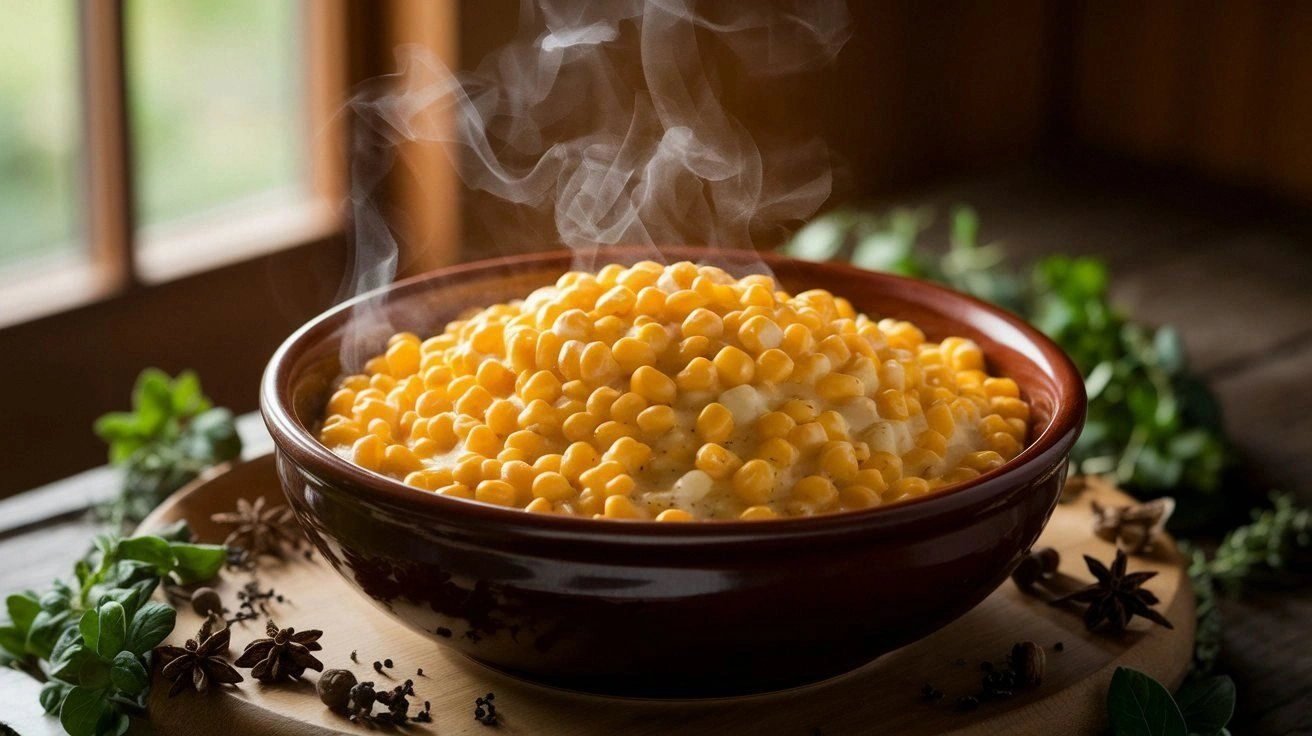
As I pulled the pot from the stove, the steam curled into a fragrant cloud that smelled like buttery corn and rich cream. The sound was a gentle hiss, the kind that signals a dish is about to reach perfection. I tasted a spoonful—sweet corn, a hint of pepper, a velvety cheese swirl that coated my tongue like a silk blanket. The texture was a harmonious blend of crunchy kernels and silky sauce, with a subtle pop from fresh chives. The aroma alone was enough to make everyone in the house pause and inhale deeply, as if the kitchen itself was breathing a sigh of relief.
What makes this version stand out is not just the creamy texture or the sharp cheddar, but the meticulous layering of flavors that elevates the humble corn to a gourmet experience. The slow‑cooking process allows the corn to release its natural sugars, creating a caramelized undertone that balances the richness of the cheese. The addition of smoked paprika introduces a smoky depth that you won’t find in standard stovetop versions. The careful balance of butter and cream ensures a silky mouthfeel without being greasy. And the finishing touch of crispy breadcrumbs adds a satisfying crunch that breaks up the creamy swirl, making every bite a delightful contrast.
Most recipes get this completely wrong, relying on quick stovetop methods that either overcook the corn or under‑season the sauce. I discovered that the secret lies in a gentle low‑heat environment, where flavors meld slowly and the cheese melts into a cohesive, velvety blanket. The key ingredient you might not expect is a splash of cornstarch slurry—just a tablespoon of cornstarch mixed with two tablespoons of cold water—to thicken the sauce without making it gloopy. And if you’re adventurous, a pinch of cayenne pepper can add a subtle heat that elevates the dish to new heights.
Picture yourself pulling this out of the slow cooker, the whole kitchen smelling incredible, and the family gathering around the table with eyes wide in anticipation. I dare you to taste this and not go back for seconds. This is hands down the best version you’ll ever make at home. If you’ve ever struggled with creamy side dishes that end up separating or too thick, you’re not alone—and I’ve got the fix. Stay with me here—this is worth it.
What Makes This Version Stand Out
- Flavor: The slow‑cooking process caramelizes the corn’s natural sugars, creating a sweet, buttery base that pairs perfectly with sharp cheddar.
- Texture: The combination of fresh corn, melted cheese, and a cornstarch slurry yields a silky sauce that clings to each kernel without becoming gloopy.
- Simplicity: With only a handful of pantry staples, you can craft a gourmet side dish in under an hour—no special equipment required.
- Uniqueness: The smoky paprika and crispy breadcrumb topping give this recipe a depth and crunch that sets it apart from standard creamed corn.
- Crowd Reaction: At family gatherings, this dish consistently garners rave reviews; guests often ask for the recipe after the first bite.
- Ingredient Quality: Using fresh, high‑quality corn and real cheeses elevates the flavor profile beyond store‑bought mixes.
- Cooking Method: The slow cooker’s low‑heat environment ensures even melting of cheeses and full flavor extraction from the corn.
- Make‑ahead Potential: This dish holds up wonderfully in the fridge and even tastes better the next day, making it a perfect make‑ahead side.
Alright, let’s break down exactly what goes into this masterpiece…
Inside the Ingredient List
The Flavor Base
Fresh corn kernels are the star of this dish, providing a sweet, juicy foundation that carries the creamy sauce. If fresh corn isn’t available, two 15‑ounce cans of whole‑kernel corn are a perfect substitute; just make sure to drain them well. The corn’s natural sugars caramelize during the slow‑cooking process, adding depth to the flavor profile. Skipping the corn would leave the dish lacking its signature sweetness and texture, turning it into a bland cheese sauce.
Heavy cream adds a luxurious richness that balances the sharpness of the cheeses. Its high fat content ensures a smooth, silky mouthfeel that coats each kernel like velvet. If you’re watching calories, a light‑cream or half‑and‑half can be used, though the texture will be slightly lighter. A good rule of thumb is to use equal parts cream to milk to maintain a balanced consistency.
The Cheese Ensemble
Sharp cheddar cheese is the backbone of the sauce, offering a robust, tangy flavor that cuts through the sweetness of the corn. The amount of cheddar directly influences the intensity of the dish; more cheddar means a stronger flavor and a thicker sauce. If you prefer a milder taste, substitute half of the cheddar with mozzarella, which melts smoothly and adds a subtle creaminess. Skipping the cheddar would result in a dish that lacks depth and fails to satisfy cheese lovers.
Mozzarella contributes a gentle, milky flavor and a smooth melt that blends seamlessly with cheddar. Its lower salt content balances the overall seasoning, preventing the dish from becoming overly salty. For a more pronounced cheesy bite, use a higher percentage of mozzarella, especially if you’re serving the dish alongside salty proteins. However, too much mozzarella can dilute the sharpness of cheddar, so it’s best used in moderation.
Parmesan cheese adds a nutty, salty kick that brightens the sauce. Grated Parmesan also helps thicken the sauce slightly, giving it a velvety sheen. If you’re lactose intolerant, you can replace Parmesan with a dairy‑free cheese alternative, but keep in mind the flavor profile will shift. Skipping Parmesan will reduce the sauce’s complexity and give it a flatter taste.
The Butter & Milk Duo
Unsalted butter provides richness and a buttery aroma that enhances the overall flavor. It also helps the cheeses melt evenly, preventing separation. Butter should be added at the beginning of the cooking process to allow its flavor to infuse the corn. Using salted butter would increase the dish’s sodium content, so opt for unsalted to maintain control over seasoning.
Whole milk balances the cream’s richness, lightening the sauce while maintaining a creamy consistency. Milk also helps dissolve the cornstarch slurry, ensuring a smooth texture. If you prefer a lower‑fat version, skim milk can be used, but be prepared for a slightly thinner sauce. Skipping milk will make the sauce overly thick and potentially clumpy.
Seasoning & Thickening Agents
Salt, pepper, garlic powder, and onion powder create a savory base that enhances every ingredient. These seasonings should be added gradually, tasting as you go to avoid over‑seasoning. If you’re sensitive to sodium, use a low‑sodium broth instead of salt. Skipping any of these seasonings will result in a bland dish that fails to excite the palate.
Cornstarch mixed with cold water forms a slurry that thickens the sauce without making it lumpy. Stir the slurry into the slow cooker just before the final minutes of cooking to achieve a silky consistency. If you forget the slurry, the sauce may remain too watery and fail to coat the corn properly. For a gluten‑free alternative, use arrowroot powder instead of cornstarch.
The Optional Extras
Chopped fresh chives add a bright, herbal note that cuts through the richness of the cheese. They also provide a pop of color that makes the dish visually appealing. If you don’t have chives, parsley or green onions work well as substitutes. Skipping the herbs will result in a dish that feels a bit flat.
Smoked paprika introduces a subtle smokiness that elevates the flavor profile beyond plain creamed corn. It also adds a warm, earthy tone that pairs beautifully with the buttery corn. If you’re a fan of heat, a pinch of cayenne pepper can be added for a gentle kick. Skipping paprika will make the dish less complex and more one‑dimensional.
Diced bacon provides a salty, crispy contrast that adds texture and depth. The bacon’s smoky flavor complements the paprika, creating a harmonious blend. If you’re vegetarian, omit the bacon or replace it with crumbled toasted nuts for crunch. Skipping bacon will reduce the dish’s overall flavor intensity.
Cooked elbow macaroni or rice can be folded in for a heartier side, turning the dish into a comforting casserole. The starches absorb the sauce, creating a cohesive texture that’s perfect for a family dinner. If you prefer a lighter side, omit the pasta or rice entirely. Skipping the starch will keep the dish strictly a creamy corn side.
Sour cream adds a tangy brightness that balances the richness of the cheeses. It also helps keep the sauce from becoming overly thick. If you’re lactose intolerant, use a dairy‑free sour cream alternative. Skipping sour cream will make the sauce richer and less vibrant.
Greasing the slow cooker with a tablespoon of butter prevents sticking and adds a subtle buttery flavor. It also helps the dish release easily when serving. If you’re using a non‑stick slow cooker, this step can be omitted. Skipping the butter may cause the sauce to cling to the pot.
Panko breadcrumbs create a crunchy topping that adds texture and visual appeal. They absorb excess moisture and give the dish a satisfying bite. If you’re avoiding breadcrumbs, you can use crushed crackers or toasted nuts instead. Skipping the breadcrumbs will make the dish less textural.
Everything’s prepped? Good. Let’s get into the real action…
The Method — Step by Step
- Step 1: Sauté Aromatics. Heat a tablespoon of butter in a skillet over medium heat. Add diced onions and garlic, cooking until translucent and fragrant—about three minutes. This step builds a flavor base that infuses the entire dish. Keep the mixture from browning too dark; a light golden color is ideal.
- Step 2: Add Corn and Butter. Transfer the sautéed aromatics to the slow cooker. Add fresh corn kernels and the remaining butter. Stir to coat the corn evenly. This ensures each kernel gets a buttery glaze before slow cooking.
- Step 3: Pour Cream and Milk. Pour in the heavy cream and whole milk. Stir gently, making sure the liquids cover the corn. This combination creates a rich, silky base that will melt the cheeses beautifully. The low heat of the slow cooker allows the mixture to thicken naturally.
- Step 4: Season the Sauce. Add salt, pepper, garlic powder, onion powder, and smoked paprika. Stir until fully incorporated. Taste the mixture and adjust seasoning if needed. The seasoning should be balanced—neither too salty nor too bland.
- Step 5: Add Cheeses. Sprinkle shredded cheddar, mozzarella, and grated Parmesan over the top. Use a spatula to lightly fold the cheeses into the liquid. The cheeses will melt into a velvety sauce that coats every kernel. If the mixture seems too thick, add a splash of milk.
- Step 6: Cook on Low. Set the slow cooker to low and cook for 30 minutes. During this time, the cheeses melt fully and the corn releases its sugars. Check the consistency after 20 minutes; it should be thick but pourable. If it’s too thin, let it cook for an additional 5–10 minutes.
- Step 7: Thicken the Sauce. Stir in the cornstarch slurry. Mix until the sauce thickens and becomes glossy. This step prevents separation and ensures a smooth texture. Watch the sauce; it should coat the back of a spoon.
- Step 8: Add Optional Extras. Fold in diced bacon, chopped chives, and cooked pasta or rice if using. These additions provide crunch, color, and heartiness. Stir gently to combine without breaking the pasta strands.
- Step 9: Final Touches. Sprinkle panko breadcrumbs over the top and give the mixture a final stir. The breadcrumbs will lightly toast in the residual heat, creating a crunchy crown. Let the dish rest for five minutes before serving to allow the flavors to settle. The resting period also lets the sauce firm up slightly.
- Step 10: Serve. Ladle the creamy corn into bowls or onto plates. Garnish with extra chives or a drizzle of olive oil if desired. The dish should have a glossy, velvety appearance with a golden crust of breadcrumbs. Serve immediately while hot for the best texture.
That’s it — you did it. But hold on, I’ve got a few more tricks that’ll take this to another level…
Insider Tricks for Flawless Results
The Temperature Rule Nobody Follows
Many cooks think low heat is always best, but a gentle medium‑low setting actually speeds up cheese melting without scorching the corn. The trick is to keep the temperature steady; a sudden spike can cause the sauce to separate. I’ve found that setting the slow cooker to 200°F (if adjustable) gives the best balance. If your cooker doesn’t have a temperature setting, use the low setting and monitor the sauce closely.
Why Your Nose Knows Best
Before you even taste the dish, inhale the aroma. The scent of buttery corn, melted cheddar, and smoky paprika should signal that the flavors are balanced. If you smell a sharp, metallic taste, it might be due to over‑cooked onions. Trust your nose; it’s a reliable indicator of doneness.
The 5‑Minute Rest That Changes Everything
Letting the dish sit for five minutes after cooking allows the sauce to thicken slightly and the breadcrumbs to settle. This brief rest also lets the flavors meld together, creating a cohesive taste. If you rush to serve, the sauce may still be too runny, and the breadcrumbs may not be toasted properly.
Don’t Skip the Butter
Butter is not just for flavor; it also helps the cheeses melt evenly and prevents sticking. Even a small amount of butter can make a noticeable difference in texture. If you’re using a non‑stick slow cooker, you can reduce the butter, but don’t eliminate it entirely.
Keep the Corn Fresh
Fresh corn provides a sweeter, crunchier texture compared to canned. If fresh corn isn’t available, rinse canned corn under cold water to reduce sodium and preserve its natural sweetness. Fresh corn also releases more sugars during slow cooking, enhancing the overall flavor.
Use a Slurry, Not a Powder
Mix cornstarch with cold water before adding it to the slow cooker. This prevents clumps and ensures a smooth sauce. If you add cornstarch directly to the hot mixture, it may create lumps that are hard to blend. A slurry also allows you to control the thickness more precisely.
Creative Twists and Variations
This recipe is a playground. Here are some of my favorite ways to switch things up:
Mexican‑Inspired
Add a tablespoon of taco seasoning and a squeeze of lime juice. The citrus brightens the dish, while the seasoning adds a subtle heat. Serve over grilled chicken or fish for a complete meal. The crunch from toasted tortilla chips on top adds an extra layer of texture.
Herb‑Infused
Swap out paprika for a mix of dried thyme, rosemary, and oregano. These herbs bring a fragrant, earthy depth that pairs beautifully with the corn. A splash of white wine during the sauté stage adds complexity. Finish with fresh parsley for color.
Cheesy Baked Version
Transfer the slow‑cooked mixture to a baking dish and bake at 375°F for 15 minutes until the top is golden. The baking step caramelizes the breadcrumbs, creating a crispy crown. Use a mix of Gruyère and aged cheddar for a richer flavor. Serve with a side of roasted vegetables.
Vegan Delight
Replace all dairy with plant‑based alternatives: coconut milk, vegan cheddar, and nutritional yeast for depth. Use a splash of soy sauce for umami. The result is a creamy, dairy‑free corn that still satisfies the cheese craving. Serve over quinoa for a protein boost.
Spicy Kick
Add a diced jalapeño or a pinch of cayenne pepper to the mix. The heat cuts through the richness and adds a lively note. Pair with a cooling cucumber yogurt dip to balance the flavors. The dish becomes a party favorite.
Breakfast Twist
Fold in a handful of cooked bacon bits and a splash of maple syrup for a sweet‑savory breakfast. Serve alongside eggs or breakfast sausage. The corn’s sweetness pairs nicely with the savory meats. A sprinkle of chives adds a fresh finish.
Storing and Bringing It Back to Life
Fridge Storage
Transfer the cooked dish to an airtight container and refrigerate for up to four days. The sauce may thicken slightly as it cools. Before serving, stir in a splash of milk or cream to restore the original consistency. The corn will retain its sweetness, and the cheese will stay creamy.
Freezer Friendly
For longer storage, freeze the dish in a freezer‑safe container for up to two months. Thaw overnight in the refrigerator before reheating. When reheating, add a small splash of water or milk to prevent the sauce from drying out. The texture should return to silky, with the corn still tender.
Best Reheating Method
Reheat on low in the slow cooker, stirring occasionally. Add a tablespoon of butter or cream to keep the sauce from separating. If the mixture looks dry, sprinkle a few tablespoons of milk and stir until smooth. Serve hot for the best flavor and texture.