I was standing in my kitchen, staring at a pan that looked like it had survived a war zone, when my roommate dared me to make something that would make even the most stubborn meat‑lover weep with joy. The challenge? A simple skillet chicken and potatoes dish that could survive a week‑long marathon of leftovers without turning into a sad, soggy mess. I grabbed a handful of baby Yukon Golds, a couple of chicken breasts, and a bottle of olive oil, and the kitchen instantly filled with the kind of aroma that makes you think the house itself is breathing in relief. That moment—when the garlic hit the hot oil and the sizzle sang like a tiny fireworks show—was the spark that turned a routine weeknight into a culinary adventure.
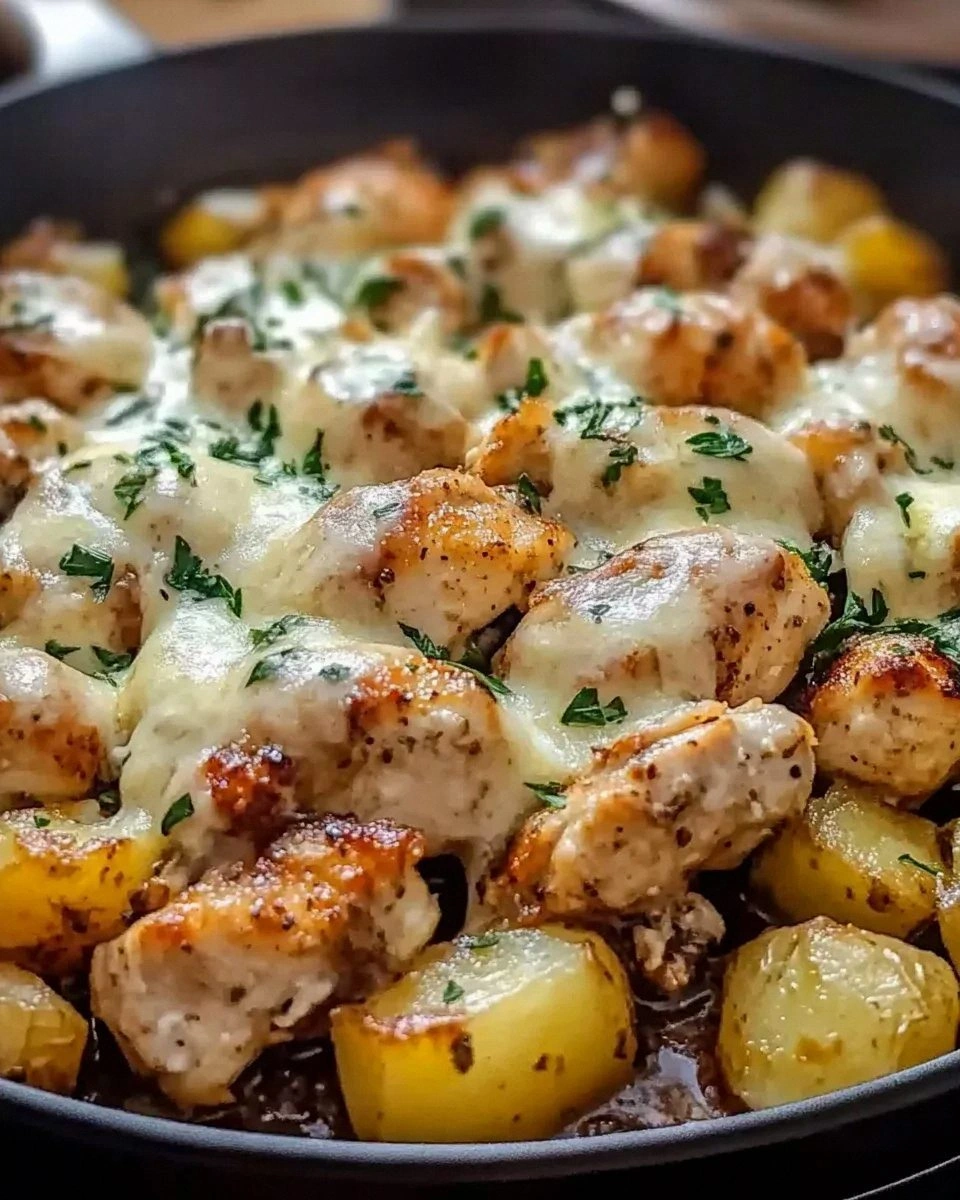
Picture this: a golden crust on the chicken that cracks under your fork like a delicate shell, while the potatoes develop a caramelized edge that shatters like thin ice under a spoon. The Parmesan melts into a glossy, buttery glaze that clings to every bite, and the parsley adds a fresh pop of green that looks like a garnish straight out of a food‑photography studio. The whole dish is a symphony of textures—crunch, chew, melt—each playing its part in perfect harmony. I’ll be honest — I ate half the batch before anyone else got a chance to try it, and that’s because the flavors are so bold they practically demand a second helping.
Most recipes for chicken and potatoes get this completely wrong: they either over‑cook the chicken, leaving it dry, or they drown the potatoes in a sea of butter that never quite crisp up. The secret to this version is a two‑stage cooking method that sears the chicken first, then finishes everything together in the same skillet, allowing the flavors to marry without any soggy casualties. I’m daring you to taste this and not go back for seconds—because once you experience the buttery‑garlic crust and the peppery‑smoked undertone, you’ll realize every other version has been a warm‑up act.
Okay, ready for the game‑changer? I’m about to reveal a tiny trick involving a splash of water that you’ll add just before the final garnish, and it turns the whole thing from good to unforgettable. Let me walk you through every single step — by the end, you’ll wonder how you ever made it any other way.
What Makes This Version Stand Out
- Flavor Explosion: The combination of Italian seasoning, smoked paprika, and a generous dusting of Parmesan creates a depth that feels like a trip to a Tuscan trattoria, right from your stovetop.
- Texture Triumph: By searing the chicken first, you lock in juices, and the potatoes develop a crisp exterior while staying fluffy inside—think of it as the perfect contrast between a crunchy shell and a soft center.
- Simplicity Meets Sophistication: Only a handful of pantry staples are needed, yet the result feels like a dish you’d order at a five‑star restaurant.
- Ingredient Quality: Using baby Yukon Golds or red potatoes ensures a buttery bite that regular potatoes simply can’t match.
- Crowd‑Pleaser: This dish has the universal appeal of comfort food while still delivering a gourmet vibe—perfect for family dinners or impressing guests.
- One‑Pan Efficiency: No need for a mountain of dishes; everything cooks in the same skillet, making cleanup as easy as the flavor is bold.
- Make‑Ahead Magic: You can prep the chicken and potatoes ahead of time, store them separately, and finish the dish in under ten minutes when you’re ready to eat.
- Seasonal Flexibility: Whether it’s a chilly winter night or a breezy summer evening, this skillet dish adapts to any season with the same level of deliciousness.
Inside the Ingredient List
The Flavor Base
The Italian seasoning is the backbone of this dish, delivering a balanced blend of oregano, basil, and thyme that instantly transports you to a sun‑kissed Mediterranean garden. If you skip it, you’ll lose that aromatic lift, and the dish will feel flat. A great swap is a mixture of dried oregano and rosemary in a 2:1 ratio, but keep the total volume the same. When choosing your seasoning, look for a version without added salt so you can control the seasoning level yourself.
The Texture Crew
Smoked paprika isn’t just for color; it adds a subtle, wood‑smoked depth that pairs beautifully with the sweet potatoes. If you don’t have smoked paprika, regular sweet paprika works, but you’ll miss that whisper of smoke. The baby Yukon Gold or red potatoes are small enough to stay whole, which means each bite delivers a buttery interior surrounded by a crisp, caramelized exterior. When buying, opt for potatoes that are firm and free of sprouts; they’ll hold their shape better during the skillet sear.
The Unexpected Star
Garlic is the unsung hero that brings everything together. Four cloves might seem modest, but when you crush them and let them sweat in the oil, they release a sweet, mellow flavor that’s far from the harsh bite of raw garlic. If you’re a garlic aficionado, feel free to add an extra clove; just remember that the aroma will become more pronounced. Fresh parsley isn’t just a garnish; its bright, peppery notes cut through the richness of the Parmesan and olive oil, providing a refreshing finish.
The Final Flourish
Olive oil is the cooking medium that carries the flavors and ensures everything gets that gorgeous golden hue. I use a combination of 1 tablespoon for the chicken and 3 tablespoons for the potatoes to keep the skillet from getting too crowded while still providing enough fat for crisping. The extra tablespoon of olive oil added at the end helps the Parmesan melt into a silky coating. Finally, a pinch of salt (½ tsp for the chicken, ½ tsp for the potatoes) and a dash of black pepper (¼ tsp each) bring everything into balance. If you’re watching sodium, you can reduce the salt slightly, but the Parmesan already contributes a salty punch.
Everything's prepped? Good. Let's get into the real action...
The Method — Step by Step
Start by patting the four boneless chicken breasts dry, then season both sides with 1 teaspoon Italian seasoning, ½ teaspoon smoked paprika, ½ teaspoon salt, and ¼ teaspoon black pepper. The seasoning should cling like a light dusting of snow on a winter branch. Let the chicken rest for five minutes while you heat a large cast‑iron skillet over medium‑high heat. This short rest lets the spices penetrate the meat, ensuring every bite is flavorful.
Kitchen Hack: Sprinkle a tiny pinch of flour on the seasoned chicken before searing; it creates an extra‑crisp crust without adding noticeable carbs.Add 1 tablespoon of olive oil to the hot skillet. When the oil shimmers and begins to ripple, gently lay the chicken breasts in the pan, skin‑side down (if they have skin). Hear that sizzle? That’s the sound of flavor locking in. Cook for about 5‑6 minutes without moving the pieces; you’ll see the edges turn opaque and the bottom develop a deep golden brown. Flip the chicken and sear the other side for another 4‑5 minutes.
While the chicken is searing, toss the 1.5 lbs of baby Yukon Gold or red potatoes with 3 tablespoons olive oil, a pinch of salt, and ¼ teaspoon black pepper. Spread them out on a plate so they’re evenly coated. The oil should coat each potato like a light veil, ensuring even browning later.
When the chicken is nicely browned, remove it from the skillet and set it aside on a plate. Keep the pan’s fond (the browned bits stuck to the bottom) because that’s flavor gold. Add the seasoned potatoes to the same skillet, spreading them out in a single layer. Let them cook undisturbed for 4‑5 minutes, then stir once to turn the golden sides. You’ll hear a faint crackle as the potatoes start to caramelize.
Now it’s time for the garlic. Add the 4 cloves of minced garlic to the potatoes, stirring quickly so the garlic doesn’t burn. You’ll notice a sweet, nutty aroma rising—this is the moment where the dish starts to smell like a cozy kitchen on a rainy day. Cook for about 30 seconds, just until the garlic turns a light golden hue.
Watch Out: Garlic can go from fragrant to bitter in seconds; keep the heat medium‑low and stir constantly.Return the chicken breasts to the skillet, nestling them among the potatoes. Sprinkle the ⅓ cup grated Parmesan over everything, then drizzle a splash (about 2 tablespoons) of water into the pan. The water creates a tiny steam burst that helps the Parmesan melt into a glossy sauce without turning grainy. Cover the skillet with a lid and let everything simmer for 8‑10 minutes, or until the chicken reaches an internal temperature of 165 °F (74 °C).
Once the chicken is cooked through, remove the lid and turn the heat back up for a final two minutes. This step lets any excess moisture evaporate, leaving the Parmesan coating the chicken and potatoes like a buttery veil. Taste the dish and adjust the seasoning with an extra pinch of salt or pepper if needed. The sauce should be thick enough to cling to the potatoes without pooling.
Finish with a generous tablespoon of fresh parsley, tossed in just before serving. The parsley adds a burst of color that looks as good as it tastes. Let the skillet rest for a minute—this allows the juices to redistribute, making every bite juicy and tender. Serve straight from the pan for that rustic, “just‑out‑of‑the‑skillet” vibe.
Kitchen Hack: After plating, drizzle a tiny drizzle of high‑quality extra‑virgin olive oil for an added layer of fruitiness.
That's it — you did it. But hold on, I've got a few more tricks that'll take this to another level...
Insider Tricks for Flawless Results
The Temperature Rule Nobody Follows
Never start with a cold skillet; always preheat it for at least two minutes on medium‑high. A hot surface creates an instant sear, sealing in juices. I once tried to save time by adding the chicken to a cold pan, and the result was a soggy, rubbery mess that no amount of seasoning could rescue. Trust the heat, and you’ll get that coveted crust every single time.
Why Your Nose Knows Best
When the garlic turns a light golden color and the potatoes start to caramelize, your kitchen will fill with a sweet, nutty scent. That aroma is your cue to move on to the next step. If you’re unsure, pause and take a deep breath—your nose can detect the exact moment the flavors are ready to meld.
The 5‑Minute Rest That Changes Everything
After the skillet is off the heat, let the chicken rest for five minutes before slicing. This short rest lets the fibers relax, resulting in juicier bites. A friend once sliced the chicken immediately, and the juices flooded the plate, leaving the meat dry. Patience pays off—especially when you’re aiming for restaurant‑quality results.
Parmesan Timing Trick
Add the Parmesan after the water splash and before covering the skillet. This ensures the cheese melts evenly without clumping. If you sprinkle it too early, it can form a gritty crust; too late, and it won’t bind the sauce. The water creates steam that gently lifts the cheese, turning it into a silky, glossy coating.
Seasoning Layer Strategy
Season both the chicken and the potatoes separately. This double‑layered seasoning ensures each component shines on its own while still contributing to the overall harmony. Skipping the second seasoning step leaves the potatoes bland, and the dish loses that balanced flavor profile that makes it unforgettable.
The Final Drizzle
A finishing drizzle of high‑quality olive oil right before serving adds a luscious mouthfeel and a subtle fruitiness that lifts the entire dish. It’s the culinary equivalent of a bow‑tie on a tuxedo—optional but highly recommended for that extra wow factor.
Creative Twists and Variations
This recipe is a playground. Here are some of my favorite ways to switch things up:
Mediterranean Magic
Swap the Italian seasoning for a blend of dried oregano, thyme, and a pinch of za'atar. Add a handful of Kalamata olives and sun‑dried tomatoes during the final simmer. The salty olives and tangy tomatoes bring a Mediterranean beach vibe to the skillet.
Spicy Kick
Introduce ½ teaspoon of crushed red pepper flakes with the garlic. Finish with a squeeze of fresh lemon juice just before serving. The heat and acidity cut through the richness, making the dish perfect for those who love a little fire.
Herbaceous Harvest
Replace parsley with fresh thyme and rosemary, and add a handful of sliced mushrooms when you toss the potatoes. The earthy mushrooms complement the potatoes and add an extra layer of umami.
Cheese Lover’s Dream
Mix in half a cup of shredded mozzarella along with the Parmesan for a gooey, stretchy cheese pull. Top with a sprinkle of crumbled feta after plating for a tangy finish.
Veggie‑Boosted
Add a cup of chopped broccoli florets or green beans during the last five minutes of cooking. The vegetables will steam alongside the potatoes, adding color, crunch, and extra nutrients without extra fuss.
Storing and Bringing It Back to Life
Fridge Storage
Allow the skillet dish to cool to room temperature (no more than two hours), then transfer it to an airtight container. It will keep fresh for up to three days. Reheat gently on the stovetop over low heat, adding a splash of water or broth to revive the sauce.
Freezer Friendly
Portion the cooked chicken and potatoes into freezer‑safe bags, removing as much air as possible. Label with the date; the dish freezes well for up to two months. To reheat, thaw overnight in the fridge, then warm in a skillet with a tablespoon of olive oil, covering for the first few minutes to steam the potatoes back to crispness.
Best Reheating Method
For the ultimate reheated experience, use a cast‑iron skillet on medium heat. Add a tiny splash (about 1‑2 tablespoons) of water or low‑sodium chicken broth, cover, and let steam for three minutes. Uncover, increase the heat, and let the edges crisp up again. This method restores the original texture—crispy potatoes, tender chicken, and that luscious Parmesan glaze.