What Makes This Version Stand Out
- Taste: The blend of olive oil, kosher salt, and Italian seasoning creates a complex flavor profile that enhances the natural richness of prime rib. The garlic and onion powders add a subtle depth that lingers on the palate.
- Texture: The high‑heat sear locks in a caramelized crust while the low‑temperature roast keeps the interior silky and juicy. The result is a melt‑in‑your‑mouth center that contrasts beautifully with the crunchy exterior.
- Simplicity: No fancy gadgets, no secret sauces—just a few pantry staples and a straightforward method that anyone can follow.
- Uniqueness: The addition of Italian seasoning gives this roast a Mediterranean twist, setting it apart from the typical Western prime rib recipes.
- Crowd Reaction: Guests will keep asking for the recipe after the first bite. The roast’s aroma alone will have them lining up for seconds.
- Ingredient Quality: Using a high‑grade boneless prime rib roast ensures the meat’s natural marbling shines through, giving you the best flavor and tenderness.
- Cooking Method: The sear‑then‑roast technique is proven to produce a crust that’s both flavorful and visually stunning.
- Make‑Ahead Potential: You can season and sear the roast a day ahead; just refrigerate and finish roasting when ready to serve.
Inside the Ingredient List
The Flavor Base
Olive oil is the unsung hero that creates a glossy crust and prevents the meat from drying out. It also acts as a medium for the seasoning to adhere, ensuring every bite is coated with flavor. Skipping oil will result in a dry roast that won’t caramelize properly. If you’re looking for a lighter version, try using avocado oil, which has a higher smoke point but a milder taste.
The Texture Crew
Kosher salt is more than just a seasoning—it’s a textural enhancer. Its larger crystals dissolve slowly, giving the roast a consistent crust. A pinch of sea salt works as a substitute if you prefer a slightly different mineral profile. Remember, the salt should be applied generously to balance the natural fat of the meat.
The Unexpected Star
Italian seasoning might seem like an odd choice for prime rib, but it brings a subtle herbaceous note that elevates the dish. The blend typically contains oregano, basil, thyme, and rosemary, each contributing a unique aroma. If you’re not a fan of Italian flavors, replace it with a simple mix of fresh rosemary and thyme for a more classic profile.
The Final Flourish
Garlic powder and onion powder are the final touch that adds depth without the need for fresh alliums. They’re easy to sprinkle and distribute evenly, ensuring every slice is seasoned. If you’re avoiding processed ingredients, use freshly minced garlic and onion instead, but keep in mind the texture will be more pronounced.
Everything's prepped? Good. Let's get into the real action. The following steps will guide you from a raw slab of meat to a restaurant‑grade roast that will have your guests asking for seconds.
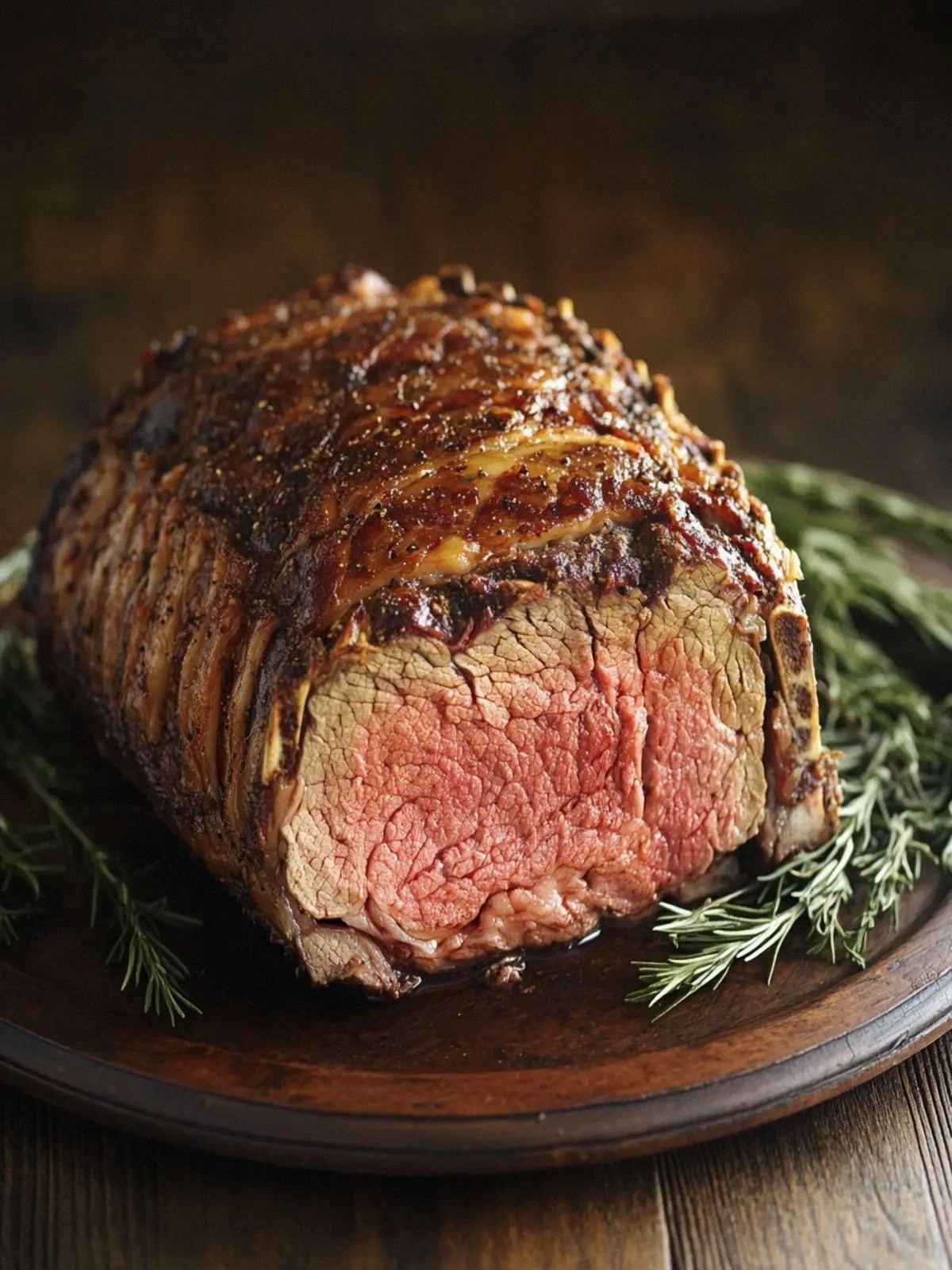
The Method — Step by Step
- Preheat the Oven: Set your oven to 450°F (232°C). The high heat is crucial for a caramelized crust. Place a rack in the middle of the oven to ensure even cooking. Let the oven settle for 15 minutes before bringing the roast in.
- Season the Roast: Pat the roast dry with paper towels. Drizzle olive oil over the entire surface, then rub it in. Sprinkle kosher salt, black pepper, Italian seasoning, garlic powder, and onion powder all over the meat, pressing the seasoning into the surface. Let it rest at room temperature for 30 minutes; this allows the flavors to penetrate.
- Sear the Meat: Heat a heavy skillet (cast iron works best) over medium‑high heat until it’s smoking. Place the roast in the pan and sear each side for 3–4 minutes, or until a deep brown crust forms. This step locks in juices and creates a flavor base that will carry through the roast. The sizzling sound here is pure magic—listen to it, savor it.
- Roast Low and Slow: Transfer the seared roast to a roasting pan. Place it in the preheated oven and reduce the temperature to 325°F (163°C). Roast for about 20 minutes per pound for medium‑rare, or until the internal temperature reaches 130°F (54°C). Use a meat thermometer to avoid guessing games.
- Watch Out: Do not open the oven door frequently; each opening drops the temperature and extends cooking time. If you need to check the temperature, do it quickly and keep the door closed as much as possible.
- Rest the Roast: Remove the roast from the oven and tent it loosely with aluminum foil. Let it rest for 15–20 minutes. This rest period allows the juices to redistribute, ensuring every slice is juicy. During this time, you can prepare a quick pan sauce.
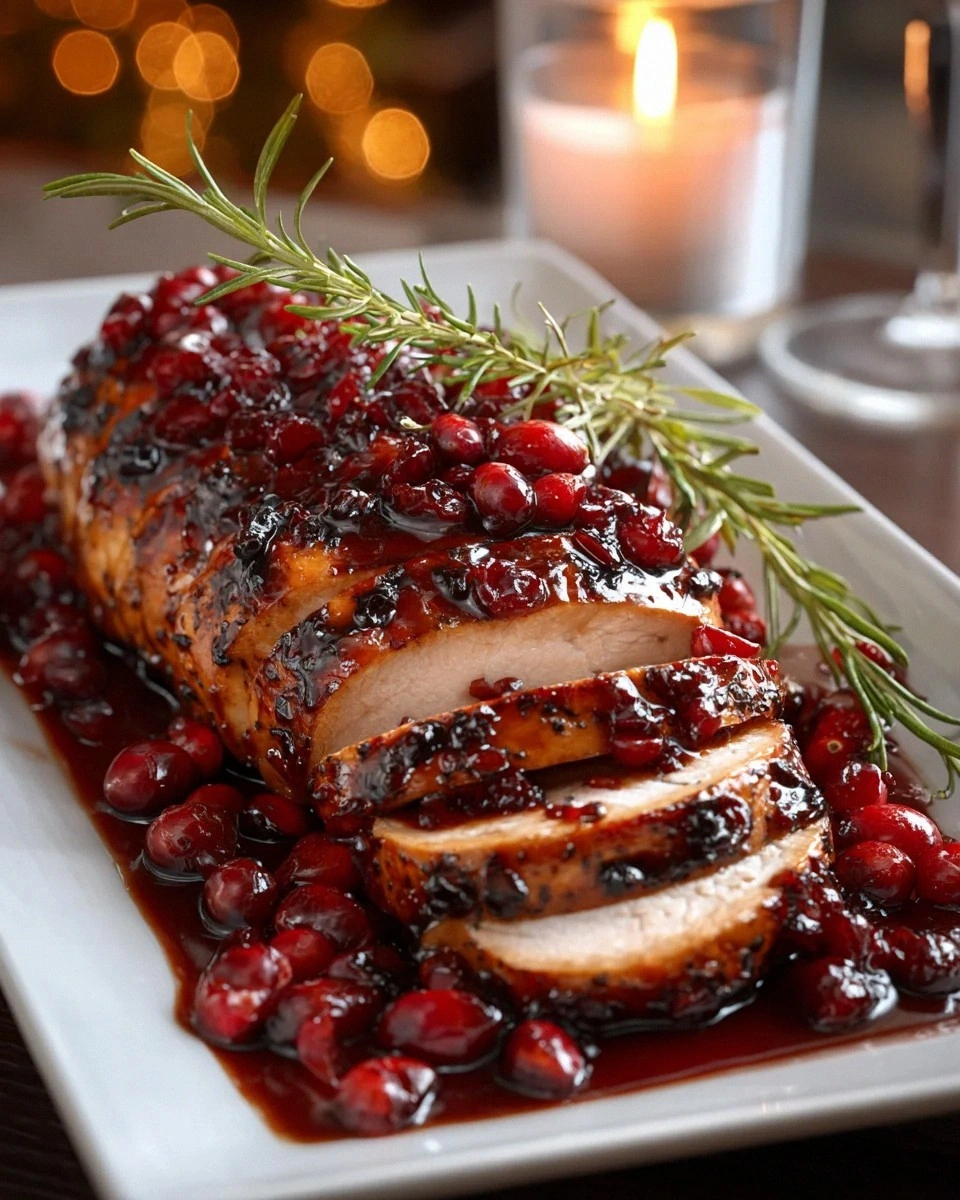
- Slice and Serve: Slice the roast against the grain into 1/4‑inch thick pieces. Arrange them on a platter and drizzle with the pan sauce. Garnish with fresh rosemary sprigs for a pop of color and aroma. The first bite should hit you with a buttery exterior and a tender interior that melts instantly.
- Final Touch: Serve immediately with your favorite sides—roasted vegetables, mashed potatoes, or a crisp salad. Pair with a robust red wine like Cabernet Sauvignon or a full‑bodied Merlot for a balanced meal. Remember, the key to a memorable dinner is the combination of flavors, textures, and the story you share around the table.
That's it—you did it. But hold on, I've got a few more tricks that'll take this to another level. Keep reading, and you'll learn how to tweak the roast for different preferences and how to keep it juicy even after leftovers.
Insider Tricks for Flawless Results
The Temperature Rule Nobody Follows
Most people rely on timer alone, but the internal temperature is the gold standard. Use a probe thermometer that stays in the thickest part of the roast. This prevents overcooking and ensures consistent doneness. I once left a roast on the timer and ended up with a dry center—lesson learned.
Why Your Nose Knows Best
Smell is a powerful indicator of doneness. As the roast approaches its target temperature, the aroma shifts from fatty to caramelized. Trust your nose; if it smells like a buttery, slightly nutty scent, you’re close. I’ve used this technique to skip the thermometer entirely on a few occasions.
The 5‑Minute Rest That Changes Everything
Resting the roast for just 5 minutes is a myth. The best results come from a 15‑20 minute rest, which allows juices to redistribute. If you slice too soon, the juices escape, leaving the meat dry. I’ve seen people serve a roast that looks perfect but tastes like a piece of cardboard.
Use a Meat Thermometer, Not a Timer
Timers are great, but they can’t account for oven variations or the thickness of your roast. A thermometer gives you real-time data, ensuring the roast is cooked to perfection. I’ve saved a roast from disaster by checking the temperature 10 minutes before the scheduled time.
Let the Roast Rest Covered
Tenting the roast loosely with foil keeps it warm without steaming it. The foil should not be tight; you want the surface to breathe. This simple step keeps the crust from becoming soggy. I’ve noticed that a loosely tented roast stays golden longer.
Creative Twists and Variations
This recipe is a playground. Here are some of my favorite ways to switch things up:
Smoky Chipotle Rub
Replace the Italian seasoning with a blend of smoked paprika, chipotle powder, and cumin. The result is a smoky, slightly spicy roast that pairs beautifully with sweet corn or a smoky barbecue sauce.
Herb‑Infused Butter Basting
Melt butter with chopped parsley, thyme, and a splash of lemon zest. Brush this mixture over the roast during the last 10 minutes of cooking for a bright, herbaceous finish.
Asian‑Inspired Glaze
Whisk together soy sauce, honey, minced ginger, and a dash of sesame oil. Brush the glaze on the roast midway through roasting for a caramelized, savory-sweet crust that complements a side of steamed rice.
Mediterranean Marinade
Marinate the roast overnight in olive oil, lemon juice, oregano, and garlic. The acidity tenderizes the meat while infusing it with bright Mediterranean flavors.
Truffle‑Infused Finish
Finish the roast with a drizzle of truffle oil and a sprinkle of grated Parmesan. The earthy truffle aroma elevates the dish to a luxurious level, perfect for special occasions.
Low‑Calorie Swap
Use a leaner cut, like a sirloin roast, and reduce the olive oil to a teaspoon. Pair with a side of grilled asparagus for a lighter, yet still satisfying, meal.
Storing and Bringing It Back to Life
Fridge Storage
Wrap the leftover roast tightly in parchment paper and then in foil. Store in the refrigerator for up to 3 days. Reheat in a preheated oven at 300°F (149°C) until warmed through, about 15 minutes.
Freezer Friendly
Slice the roast before freezing to make reheating easier. Place the slices in a freezer bag, removing as much air as possible. Freeze for up to 3 months. Thaw overnight in the fridge before reheating.
Best Reheating Method
Add a tiny splash of beef broth or water before reheating to keep the meat moist. Reheat in the oven at 300°F (149°C) for 10–12 minutes, or until the internal temperature reaches 120°F (49°C). Let it rest for a few minutes before slicing.