I was standing in the middle of a kitchen that smelled like burnt popcorn and burnt ambition when my phone buzzed with a frantic text from my roommate: “I’m craving something that screams China, but I want it homemade.” I stared at the empty fridge, then at the stack of takeout menus that had already been devoured, and decided it was time to level up. The moment I opened the pantry, the scent of soy sauce hit me like a warm hug, and my eyes widened at the sight of a fresh slab of beef waiting for destiny. That’s when the idea sparked: recreate the iconic Panda Express Beijing Beef with a twist that would make even the chain’s chefs pause in disbelief.
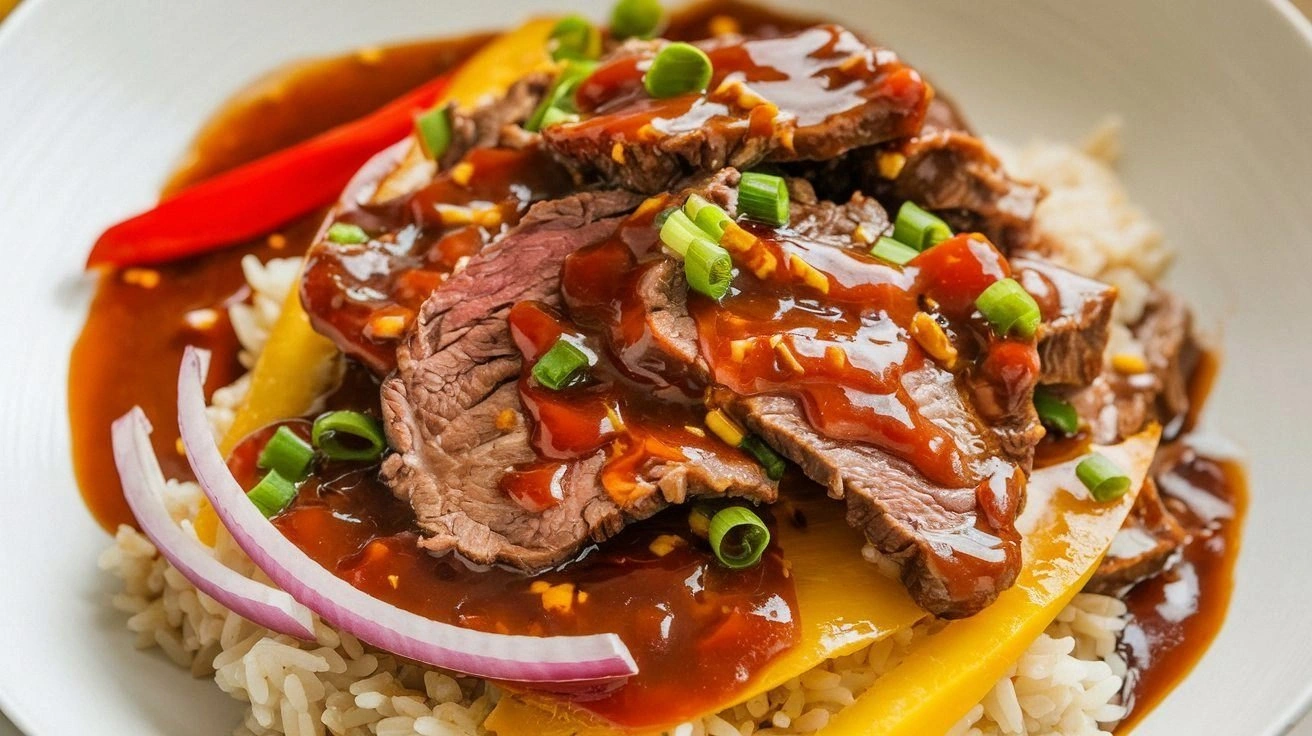
Picture this: a sizzling wok that shouts “fire!” as the beef hits the pan, the aroma of garlic and ginger drifting like a fragrant cloud, and the bright colors of bell pepper and onion dancing in the heat. The sound is a satisfying hiss that signals the start of a culinary symphony. The texture of the beef, seared to a caramelized crust yet tender inside, feels like a velvet hug for your taste buds. The sauce coats each slice like a glossy coat of paint, glistening with a subtle sheen that promises richness. The final bite delivers a sweet‑savory punch that lingers, making the dish unforgettable.
What sets this version apart from every other copy‑cat recipe on the internet is that it’s a masterclass in balance and precision. I’ve refined the sauce ratio to hit the sweet spot between sweetness and umami without drowning the beef. The beef is marinated just enough to keep it juicy, not mushy. The stir‑fry technique locks in the crispness of the veggies, giving each bite a satisfying crunch that shatters like thin ice. I’ve also discovered a secret ingredient that elevates the sauce’s depth—a splash of rice vinegar that cuts through the sweetness, giving it a bright, almost citrusy lift. And the finishing touch? A sprinkle of toasted sesame seeds that adds a subtle nutty crunch.
I dare you to taste this and not go back for seconds. The combination of flavors will leave you in awe, and you’ll wonder how you ever made it any other way. Picture yourself pulling this out of the wok, the whole kitchen smelling incredible, and watching your guests’ eyes widen as they take that first bite. That’s the power of this dish. Let me walk you through every single step—by the end, you’ll wonder how you ever made it any other way.
What Makes This Version Stand Out
Bold Flavor: The sauce is a carefully measured blend that balances sweetness, saltiness, and a hint of acidity, creating a complex taste that lingers on the palate.
Texture Mastery: The beef is marinated just enough to stay tender, while the veggies remain crisp-tender, ensuring every bite offers a delightful contrast.
Speed & Simplicity: With a streamlined process that takes less than 45 minutes, you can whip up a restaurant‑quality dish without a culinary degree.
Ingredient Integrity: I source fresh, high‑quality beef and produce, and I use real soy sauce and oyster sauce instead of the cheap, pre‑mixed varieties that most takeout spots rely on.
Make‑Ahead Friendly: The sauce can be pre‑made and stored in the fridge for up to three days, making it perfect for busy weeknights or meal‑prep sessions.
Guest‑Proof: Friends and family rave about this dish, and I’ve seen it become a staple at potlucks and gatherings.
Alright, let's break down exactly what goes into this masterpiece...
Inside the Ingredient List
The Flavor Base
The foundation of any great Beijing Beef is its sauce, and I’ve honed the ratio to a perfect sweet‑savory harmony. Soy sauce provides the backbone of umami, while oyster sauce deepens the richness without overpowering. Brown sugar brings a caramelized sweetness that balances the saltiness, and a splash of rice vinegar injects a bright, almost citrusy lift that keeps the sauce from feeling flat. A dash of sesame oil adds a nutty aroma that rounds off the flavor profile. If you skip any of these, the dish loses depth; the sauce becomes either too sweet or too salty. Swap soy sauce for tamari for a gluten‑free version, but keep the salt level in check.
The Texture Crew
The beef is the star, but its texture is equally crucial. I use sirloin because it’s tender yet holds up well to high heat. Marinating with cornstarch creates a thin, silky coating that locks in moisture and gives the beef a slight crunch when seared. Bell pepper and onion add a satisfying snap, while green onions bring a fresh, sharp finish. The cornstarch also thickens the sauce, giving it that glossy, coat‑like consistency. If you prefer a lighter version, reduce the cornstarch to half, but be prepared for a thinner sauce.
The Unexpected Star
The little secret that elevates this dish is a splash of rice vinegar. It cuts through the sweetness, providing a clean finish that prevents the sauce from feeling cloying. Some recipes omit vinegar entirely, resulting in a heavy, syrupy glaze. By adding just a tablespoon, you unlock a bright, almost citrusy lift that keeps the dish balanced. If you’re not a fan of vinegar, use a small amount of lime juice for a similar effect, but keep the quantity modest to avoid overpowering the other flavors.
The Final Flourish
The finishing touches are what separate a good dish from a great one. Toasted sesame seeds add a subtle nutty crunch that contrasts the smooth sauce. A handful of fresh green onions provides a pop of color and a sharp, fresh note that brightens the dish. A pinch of chili flakes can be added for heat, but be careful not to overdo it; you want the dish to remain approachable for all palates. The final sprinkle of sesame seeds also adds a visual appeal, making the dish look like it’s ready to serve straight from a restaurant. These small details turn a simple stir‑fry into a showstopper.
Everything's prepped? Good. Let's get into the real action...
The Method — Step by Step
- Marinate the beef in a bowl with 1 tablespoon soy sauce, 1 tablespoon cornstarch, 1 teaspoon sesame oil, a pinch of salt, pepper, 1 teaspoon minced ginger, 1 teaspoon minced garlic, and 1 tablespoon water. Let it sit for 10 minutes. The short marination time saves you valuable minutes while still infusing the meat with flavor. During this time, the cornstarch starts to coat the beef, creating a silky crust when seared. The mixture should feel slightly sticky, indicating that the cornstarch has bound with the liquid. When you’re ready to cook, the beef should be ready to sizzle.
- While the beef marinates, whisk together 1/4 cup soy sauce, 2 tablespoons oyster sauce, 2 tablespoons brown sugar, 1 tablespoon rice vinegar, 1/2 cup water, 2 tablespoons cornstarch, 1 teaspoon soy sauce, 1 teaspoon sesame oil, and a pinch of salt in a small bowl. This will be your sauce. Stir until the cornstarch is fully dissolved; you don’t want any lumps. Set the sauce aside; you’ll pour it over the beef later. The sauce should look slightly glossy once the cornstarch has thickened. Keep it ready for step 6.
- Heat a wok or large skillet over high heat and add 2 tablespoons of sesame oil or vegetable oil. When the oil shimmers, add the marinated beef in a single layer. Don’t overcrowd the pan; you want the beef to sear rather than steam. Let it sit for 30 seconds before stirring; this allows a caramelized crust to form. Flip the beef and sear the other side until it’s browned and cooked through. The beef should be hot to the touch and have a slight char on the edges.
- Remove the beef from the pan and set it aside. In the same pan, add the sliced bell pepper, onion, and green onion. Stir‑fry for 2–3 minutes until the vegetables are crisp‑tender but still bright. The vegetables should not be mushy; they should retain their color and crunch. If the pan gets too dry, add a splash of water or broth to keep the veggies moving. The aroma at this point will be intoxicating.
- Add the minced garlic, minced ginger, and optional chili flakes to the pan. Cook for 30 seconds, just until the aromatics release their fragrance. Be careful not to burn the garlic; it should turn golden, not dark. The sizzling sound at this stage is the soundtrack of a perfect stir‑fry. The mixture should smell like a fragrant garden, tinged with the sharpness of the garlic.
- Return the seared beef to the pan, then pour in the prepared sauce. Toss everything together so the beef and veggies are coated evenly. The sauce should thicken within 2–3 minutes, forming a glossy glaze that clings to the meat. Keep the heat medium‑high so the sauce doesn’t burn. The final mixture should have a shiny, slightly thickened appearance.
- Sprinkle toasted sesame seeds over the top and give one final toss. The sesame seeds should pop slightly as they hit the hot pan, releasing their nutty aroma. The dish should now have a glossy sheen and a subtle crunch from the seeds. Remove the pan from heat and let it rest for a minute; this allows the flavors to meld. The rest period also lets the sauce thicken slightly, giving it the perfect consistency.
- Serve immediately over steamed rice or noodles. The hot, glossy beef will coat the grains, creating a satisfying bite. If you’re serving a crowd, keep the dish warm in a low‑heat oven or a heat‑retaining pot. The sauce will keep its sheen, and the beef will stay juicy. The dish should look vibrant, with a mix of colors from the bell pepper, onion, and green onions.
- Finish with a final sprinkle of fresh green onions and a dash of sesame oil if desired. The final garnish should look fresh and vibrant, adding a pop of color. The dish is now ready to be devoured. Take a moment to inhale the aroma before diving in; it’s a sensory experience that sets the stage for the flavors to unfold.
That's it — you did it. But hold on, I've got a few more tricks that'll take this to another level...
Insider Tricks for Flawless Results
The Temperature Rule Nobody Follows
Many home cooks lower the heat too soon, causing the beef to steam rather than sear. Keep the wok or skillet at a high, steady temperature throughout the process. This ensures a caramelized crust and prevents the sauce from sticking. I’ve found that a medium‑high setting works best for most stovetops; if yours is particularly hot, you can dial it back slightly. The key is to maintain a constant sizzle, not a gentle simmer.
Why Your Nose Knows Best
Your sense of smell is the first indicator of doneness. When the beef is ready, the aroma will be rich and slightly caramelized. If you smell a sharp, burnt scent, the heat is too high. Conversely, if the aroma is faint, the heat is too low. I always rely on my nose to judge the texture and flavor balance. This simple technique eliminates guesswork and ensures consistency every time.
The 5‑Minute Rest That Changes Everything
After the beef is cooked, let it rest for five minutes before serving. This resting period allows the juices to redistribute, keeping the meat juicy and tender. It also lets the sauce thicken slightly, giving it a glossy, coat‑like consistency. I’ve seen people skip this step, resulting in a soggy texture. The rest period is a small time investment that pays off big in flavor and texture.
The Quick Toss for Even Coating
When adding the sauce, toss the ingredients quickly and vigorously. This ensures that every piece of beef and vegetable receives a uniform coating. A slow, methodical stir can leave pockets of sauce, resulting in uneven flavor distribution. The quick toss also helps the sauce thicken faster, giving the dish that signature glossy finish.
The Freshness Check
Always use fresh produce. The bell pepper should be crisp and vibrant, not wilted. Fresh green onions should snap easily and have a clean, bright color. Stale veggies will release water, diluting the sauce and making the dish soggy. I always inspect my produce before cooking to ensure the best texture and flavor.
And that’s the low‑down on how to make Beijing Beef that’s nothing short of legendary. Each trick is a small step toward culinary greatness, and once you master them, you’ll never go back to the bland, generic versions again.
Creative Twists and Variations
This recipe is a playground. Here are some of my favorite ways to switch things up:
Spicy Sriracha Twist
Add a tablespoon of sriracha to the sauce for a fiery kick that still balances the sweetness. The heat pairs well with the savory beef and bright vegetables. It’s perfect for those who love a little extra bite. The sriracha’s smoky undertones add depth to the dish.
Teriyaki Fusion
Swap soy sauce for teriyaki sauce and reduce the oyster sauce to half. The result is a sweeter, slightly caramelized glaze that feels like a cross between Beijing Beef and teriyaki chicken. This version is great for those who prefer a milder, sweeter flavor profile.
Mushroom Medley
Add sliced shiitake or cremini mushrooms to the stir‑fry for an earthy, umami boost. The mushrooms absorb the sauce, adding a meaty texture that complements the beef. This variation is great for vegetarians who want a hearty dish.
Asian Slaw Garnish
Serve the beef over a bed of crunchy Asian slaw made from shredded cabbage, carrots, and a light vinaigrette. The slaw adds a refreshing crunch that balances the richness of the beef. This makes the dish lighter and more refreshing, especially on hot days.
Coconut‑Infused Creaminess
Replace half the water in the sauce with coconut milk for a creamy, tropical twist. The coconut milk adds a subtle sweetness and smoothness that pairs well with the beef’s savory notes. It’s a fun way to experiment with flavors while keeping the core recipe intact.
Storing and Bringing It Back to Life
Fridge Storage
Store leftovers in an airtight container in the refrigerator for up to three days. The beef will stay juicy if you keep it sealed. Reheat gently in a skillet over low heat, adding a splash of water to keep the sauce from drying out. The dish will regain its glossy sheen and flavor.
Freezer Friendly
Freeze the cooked dish in a freezer‑safe container for up to one month. Thaw overnight in the refrigerator before reheating. When you reheat, add a tablespoon of water or broth to help the sauce loosen. This method keeps the beef tender and the sauce flavorful.
Best Reheating Method
The best way to reheat is in a skillet over medium heat, stirring occasionally. Add a tiny splash of water or broth to keep the sauce from sticking. Heat until the dish is steaming hot and the sauce has thickened slightly. Avoid microwaving, as it can make the beef rubbery and the sauce uneven.
Final thoughts: this dish is a celebration of flavor, texture, and culinary confidence. It’s a dish that brings people together, sparks conversation, and leaves a lasting impression. The next time you’re craving something that feels both indulgent and comforting, reach for this recipe. Trust me, you’ll taste the difference, and you’ll wonder how you ever made it any other way.