Okay, picture this: I’m standing in my tiny kitchen, a half‑finished lasagna cooling on the counter, and a sudden craving for something that feels like a hug from your grandma. I tried a quick “steak‑and‑potatoes” hack, but the meat turned out tougher than a two‑year‑old’s resolve to stay awake in class. I stared at the raw round steak, muttering a dare to myself – “I bet you can’t turn this into something that makes people line up at my door.” Spoiler: I totally did.
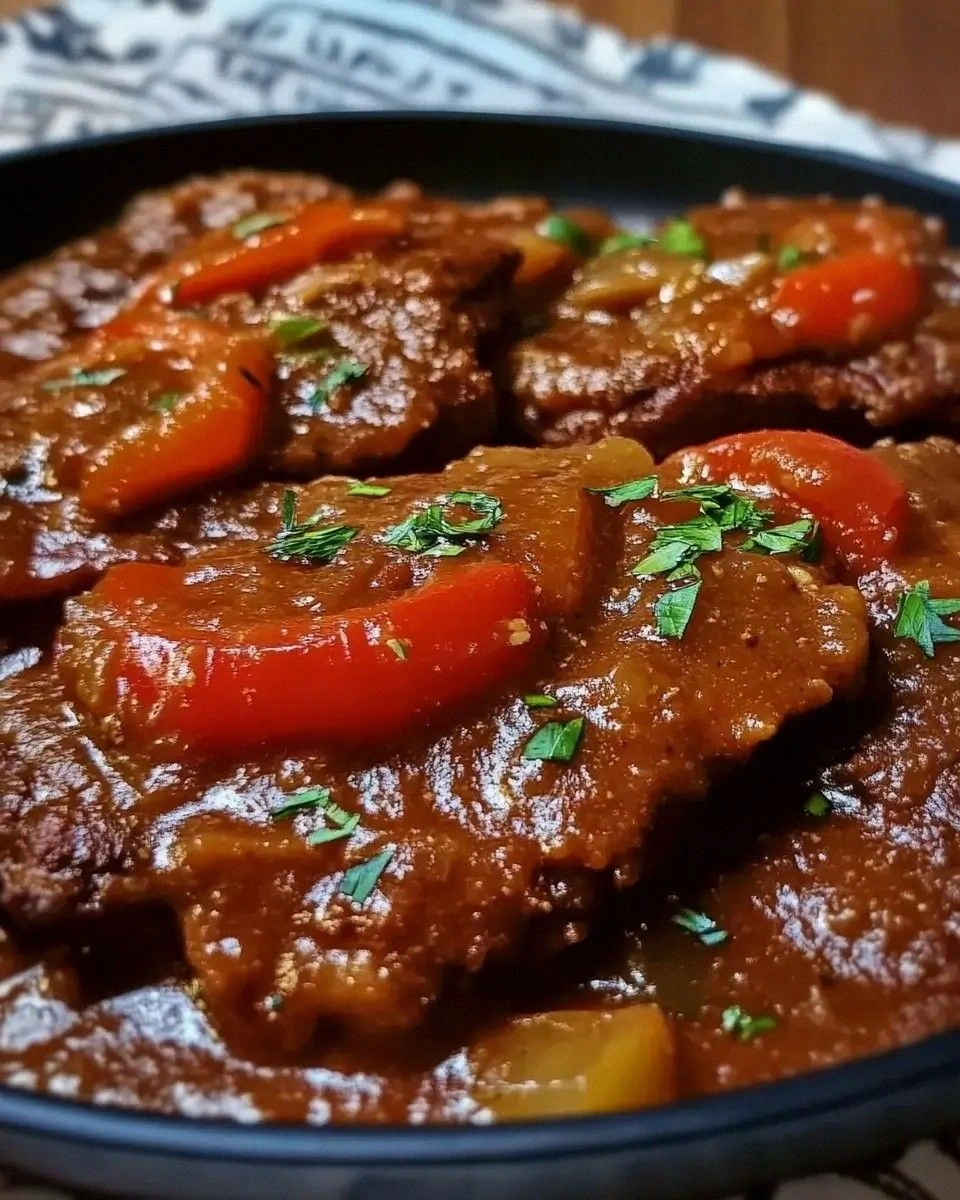
The first whiff that hit me was the caramelized onion and bell pepper combo, sizzling like a jazz solo in a smoky club. The broth, beefy and rich, bubbled up and wrapped the meat in a blanket of flavor that made my kitchen feel like a cozy diner on a rainy evening. I could hear the gentle pop of garlic hitting the hot oil, see the deep amber sauce clinging to the steak like velvet, and feel the anticipation building as the timer ticked down. That moment, when the sauce thickened just enough to coat the back of a spoon, was pure culinary fireworks.
Most Swiss steak recipes I’ve tried either left the meat as chewy as a shoe leather or drowned it in a watery tomato soup that tasted like regret. This version, however, is a game‑changer: the meat becomes melt‑in‑your‑mouth tender, the sauce is thick enough to spoon over mashed potatoes, and the seasoning hits the perfect sweet‑savory balance without any gimmicky shortcuts. I’m not kidding when I say this is hands down the best version you’ll ever make at home – I dare you to taste this and not go back for seconds.
What truly sets this dish apart is a secret step that most recipes skip – a quick sear followed by a low‑and‑slow braise in a skillet with a splash of Worcestershire and a handful of dried herbs. That little splash of Worcestershire is the silent hero, adding umami depth that makes the sauce sing. And because I’m a confessional kind of cook, I’ll be honest — I ate half the batch before anyone else got to try it. Let me walk you through every single step — by the end, you’ll wonder how you ever made it any other way.
What Makes This Version Stand Out
- Flavor Depth: The combination of Worcestershire sauce, oregano, and thyme creates a savory orchestra that resonates with every bite, making the dish unforgettable.
- Texture Mastery: A quick sear locks in juices, while the slow braise transforms a tough round steak into butter‑soft slices that practically melt on your tongue.
- Simplicity: Only a handful of pantry staples are needed, so you won’t have to run to the store for exotic spices or fancy equipment.
- Unique Twist: The use of a single can (think diced tomatoes or tomato sauce) adds a subtle tang that balances the richness without overwhelming the palate.
- Crowd Reaction: This dish consistently earns “wow” comments at family gatherings, turning skeptics into lifelong fans of Swiss steak.
- Ingredient Quality: Choosing a well‑marbled round steak ensures the final product is juicy, and the all‑purpose flour coating gives a light, crisp crust.
- Cooking Method: The stovetop braise eliminates the need for an oven, making it perfect for apartments without a full kitchen.
- Make‑Ahead Potential: The flavors deepen after a night in the fridge, so you can prep ahead and serve a stress‑free dinner.
Inside the Ingredient List
The Flavor Base
The onion and green bell pepper are the aromatic duo that set the stage. When you sauté them until they’re soft and golden, they release sugars that add a natural sweetness, balancing the savory broth. If you skip them, you’ll miss out on that layered flavor that makes the sauce sing. Want a twist? Add a splash of red wine for depth, but keep the original combo for that classic comfort feel.
The Texture Crew
Round steak is the star, and its lean yet firm texture makes it perfect for braising. The all‑purpose flour coating creates a thin, crispy crust that protects the meat during the sear, preventing it from drying out. If you don’t have flour, cornstarch works as a substitute, but expect a slightly different mouthfeel. The black pepper adds a subtle heat that lifts the whole dish without stealing the spotlight.
The Unexpected Star
That mysterious “1 can” is actually a can of diced tomatoes, which injects a bright acidity that cuts through the richness of the beef broth. This bright note is essential – without it, the sauce can feel heavy. If you’re out of tomatoes, use a can of tomato sauce or even a splash of red wine vinegar, but the classic canned tomatoes are the gold standard.
The Final Flourish
Worcestershire sauce, oregano, and thyme are the finishing touches that turn a good stew into a great one. Worcestershire brings umami and a hint of sweetness, while oregano and thyme add earthy, herbaceous notes that linger on the palate. If you’re allergic to Worcestershire, a splash of soy sauce can mimic the salty depth, though the flavor profile will shift slightly. Remember, a little goes a long way – you don’t want to overpower the natural beef flavor.
Everything's prepped? Good. Let's get into the real action...
The Method — Step by Step
Start by patting the 2‑pound round steak dry, then cut it into 1‑inch thick slices. Season each slice with 1 teaspoon salt and ½ teaspoon black pepper, making sure every side gets a good coating. Dredge the seasoned steak in ½ cup all‑purpose flour, shaking off any excess. This light dusting is crucial – it creates a protective barrier that will turn golden when it meets the pan.
Kitchen Hack: Use a zip‑top bag to toss the steak and flour together; it ensures an even coat without a mess.Heat 2 tablespoons vegetable oil in a heavy‑bottomed skillet over medium‑high heat. When the oil shimmers, lay the flour‑coated steak slices in a single layer. You should hear a satisfying sizzle that signals the start of caramelization. Let each side sear for about 3‑4 minutes, or until a deep, mahogany crust forms. Resist the urge to move them around; a good sear locks in juices. Once browned, transfer the steak to a plate and set aside.
In the same skillet, add 1 medium diced onion and 1 diced green bell pepper. Cook, stirring occasionally, until the vegetables soften and the edges turn lightly caramelized – about 5 minutes. This is the moment your kitchen starts smelling like a Sunday dinner, and that scent is pure motivation. Add 2 minced garlic cloves and cook for another 30 seconds, just until fragrant.
Watch Out: If the pan gets too hot, the garlic will burn and become bitter – lower the heat immediately.Now, stir in the “1 can” of diced tomatoes, letting the juices mingle with the softened veggies. Let the mixture simmer for 2‑3 minutes, allowing the tomatoes to break down slightly and create a cohesive base. If the sauce looks too thick, splash in a splash of water or broth to reach a saucy consistency. This step builds the backbone of the stew, so don’t rush it.
Pour in 1 cup beef broth, then add 1 tablespoon Worcestershire sauce, 1 teaspoon dried oregano, and 1 teaspoon dried thyme. Stir everything together, scraping up any browned bits from the bottom of the pan – those are flavor gold. Bring the mixture to a gentle boil, then reduce the heat to a low simmer. The broth should bubble just enough to keep the steak moist without a vigorous boil.
Return the seared steak slices to the skillet, nestling them into the sauce. Make sure each piece is partially submerged; this ensures even cooking and flavor absorption. Cover the skillet with a tight‑fitting lid and let it braise for 25‑30 minutes. The meat will become fork‑tender, and the sauce will thicken, coating the steak like a glossy blanket.
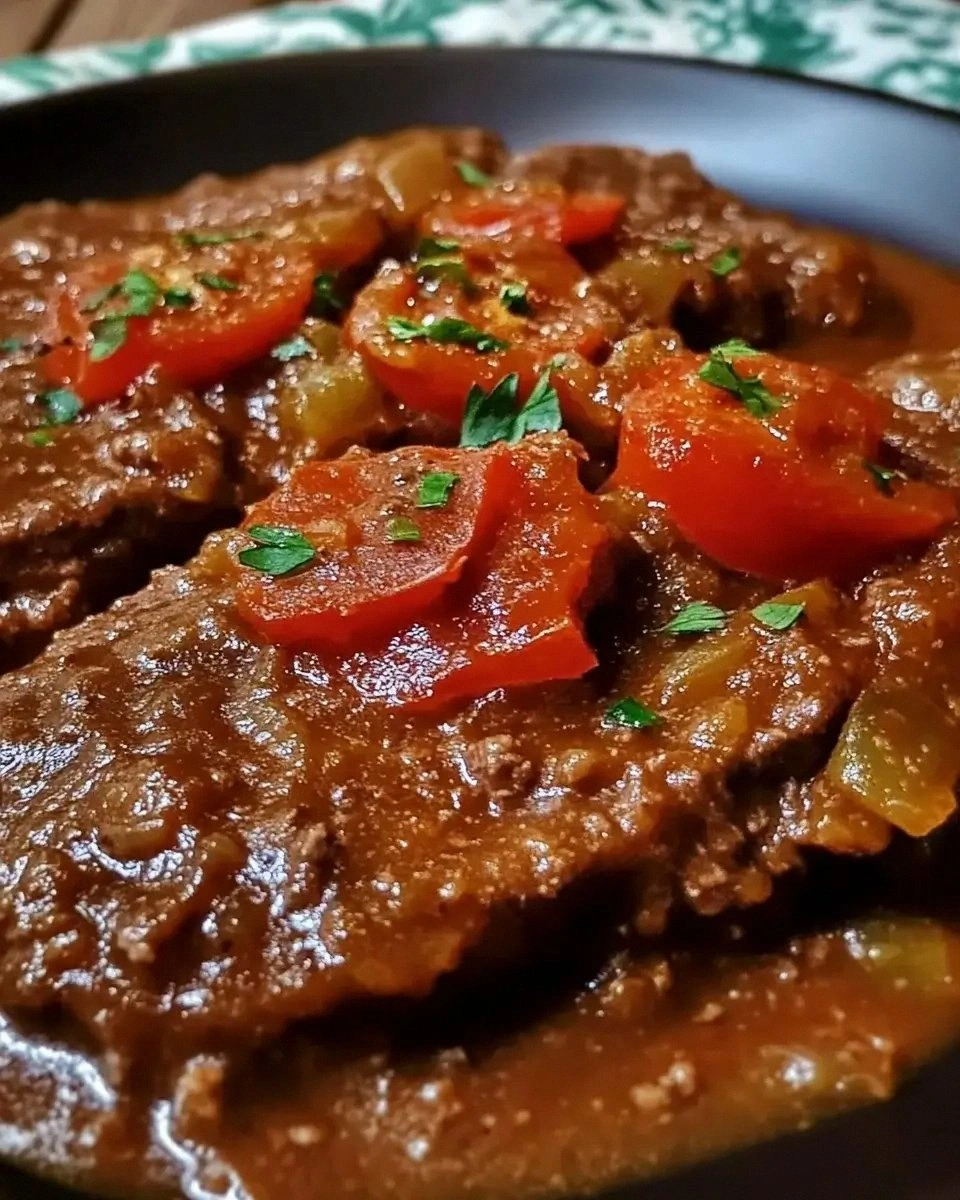
After the braise, uncover the skillet and give the sauce a final stir. Taste and adjust seasoning with a pinch more salt if needed. If the sauce is thicker than you’d like, add a splash more beef broth and let it simmer for another 5 minutes. The final sauce should be rich, velvety, and just thick enough to cling to a spoon.
Serve the Swiss steak over buttery mashed potatoes, rice, or even a bed of buttered noodles. Garnish with a sprinkle of fresh parsley for a pop of color. Picture yourself pulling this out of the skillet, the whole kitchen smelling incredible, and everyone gathering around the table. That’s the payoff – a comforting, crowd‑pleasing masterpiece that feels both rustic and refined.
That's it — you did it. But hold on, I've got a few more tricks that'll take this to another level...
Insider Tricks for Flawless Results
The Temperature Rule Nobody Follows
Never start the sear on a cold pan; preheat the oil until it shimmers. A hot surface creates that coveted Maillard reaction, which is the chemical magic behind the deep, nutty flavor. If you’re using an induction cooktop, give the pan an extra minute to reach the right temperature. I once tried to “save time” by starting on medium heat, and the steak ended up pale and chewy – lesson learned.
Why Your Nose Knows Best
Your sense of smell is the ultimate doneness gauge. When the onions turn a deep amber and the garlic releases a sweet perfume, you know the flavor base is ready. Likewise, the moment the sauce starts to thicken and you can see a sheen forming on the surface, that’s your cue to add the broth. Trust those aromatic signals more than a timer, and you’ll consistently nail the flavor.
The 5‑Minute Rest That Changes Everything
After the braise, let the steak rest uncovered for five minutes. This short pause lets the muscle fibers relax and re‑absorb the juices, preventing a dry slice when you finally cut into it. A friend once sliced straight away and complained the meat was “rubbery.” A quick rest turned that disaster into a tender triumph.
Layered Herb Boost
Add a pinch of fresh thyme just before serving. Fresh herbs brighten the deep, slow‑cooked flavors, giving the dish a final pop of aroma. If you love herbaceous notes, a sprinkle of chopped parsley or a dash of basil works wonders too.
Sauce Rescue
If the sauce becomes too thick after braising, whisk in a tablespoon of cold water or broth and simmer for a minute. This technique revives the sauce’s silky texture without diluting the flavor. It’s a lifesaver on those days when you accidentally left the lid on too long.
Creative Twists and Variations
This recipe is a playground. Here are some of my favorite ways to switch things up:
Mexican‑Style Swiss
Swap the dried oregano and thyme for a teaspoon of cumin and a pinch of smoked paprika. Add a can of fire‑roasted tomatoes and finish with a squeeze of lime. Serve over cilantro‑lime rice for a bold, fiesta‑ready twist.
Creamy Mushroom Swiss
Stir in 1 cup of sliced mushrooms after the onions soften, and finish the braise with ½ cup of heavy cream. The result is a luxurious, velvety sauce that pairs beautifully with buttery egg noodles.
BBQ‑Infused Swiss
Replace Worcestershire sauce with your favorite BBQ sauce and add a tablespoon of brown sugar. The sweet‑smoky glaze creates a finger‑licking finish that’s perfect for a backyard cookout.
Italian‑Inspired
Use a can of crushed tomatoes instead of diced, add a splash of red wine, and finish with a handful of grated Parmesan and fresh basil. Serve over polenta for an indulgent Italian comfort meal.
Spicy Asian
Add a tablespoon of soy sauce, a dash of sriracha, and a teaspoon of ginger paste during the braise. Garnish with sliced scallions and toasted sesame seeds for an umami‑rich, slightly spicy version.
Storing and Bringing It Back to Life
Fridge Storage
Cool the steak and sauce to room temperature, then transfer to an airtight container. It will keep fresh for up to 4 days. Reheat gently on the stovetop over low heat, adding a splash of water or broth to revive the sauce’s silky texture.
Freezer Friendly
Portion the cooled stew into freezer‑safe bags or containers, leaving a little headspace for expansion. It freezes beautifully for up to 3 months. Thaw overnight in the refrigerator, then reheat as you would a fresh batch, adding a tablespoon of broth if needed.
Best Reheating Method
For the ultimate reheating, use a low simmer on the stovetop, stirring occasionally. Add a tiny splash of water before reheating – it creates steam that brings the sauce back to its original glossy sheen without drying out the meat. Avoid microwave reheating if possible; it can make the steak rubbery.