The kitchen had been a battlefield that night, the air thick with the scent of burnt onions and a stubborn batch of chickpeas that refused to soften. I stared at the pot, half‑cooked beans clinging to the sides like a stubborn coat of armor, and thought, “This is how I end up with a falafel disaster.” That was the moment I decided to rewrite the recipe from scratch, turning a culinary flop into a triumph that would make even the most skeptical foodie gasp. I was not just looking to fix a mistake; I was on a mission to create the ultimate mini falafel balls that would melt into silky hummus, a duo that could win over a crowd with a single bite.
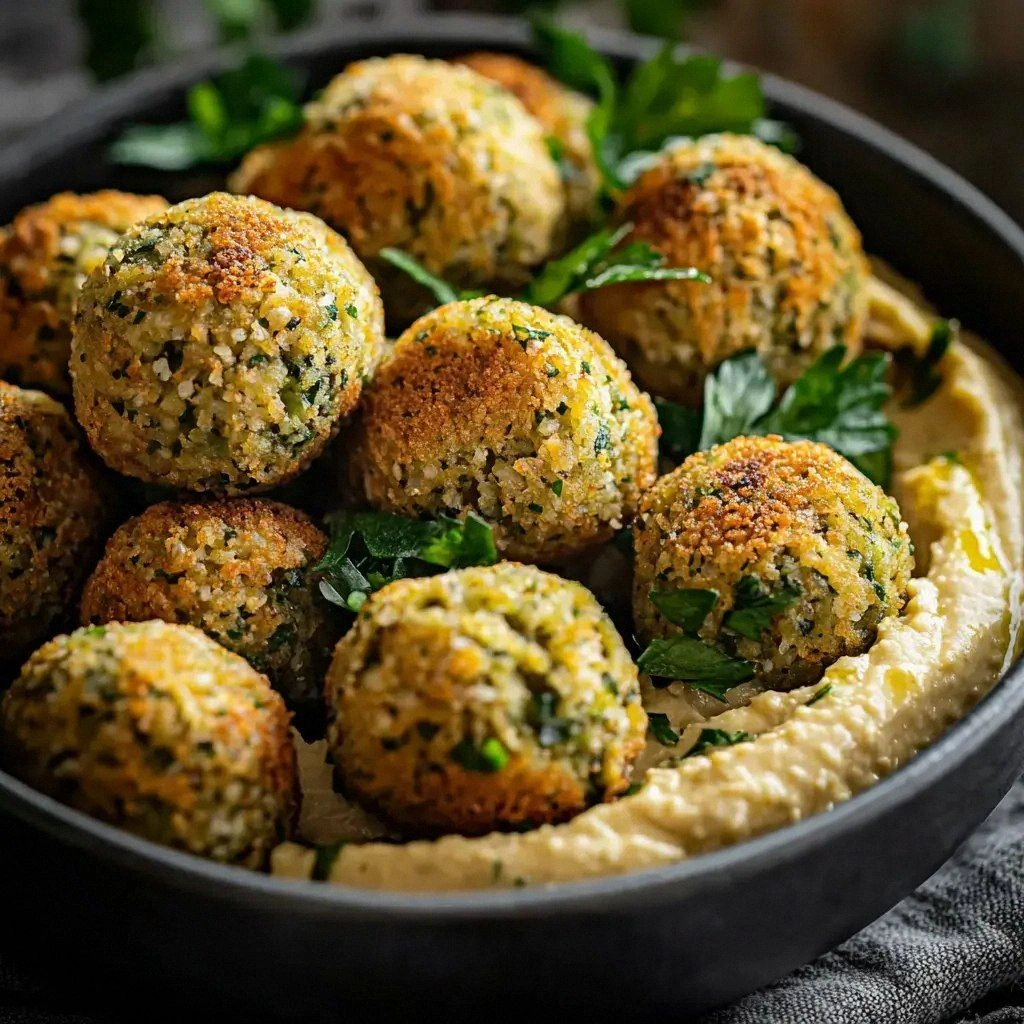
Picture this: a sizzling pan, the rhythmic clack of a spoon, and the aroma of cumin and coriander rising like incense. The sound of the chickpeas crackling as they hit the hot oil is a soundtrack I’ve come to love. The first bite—crispy on the outside, tender on the inside—hits you like a gentle wave, followed by the velvety, nutty kiss of hummus that coats the palate. The texture is a dance of crunch and cream, the flavor a harmonious blend of herbs, spices, and the subtle heat of cayenne that lingers long after the last spoonful. I dare you to taste this and not go back for seconds.
What makes this version stand out is not just the ingredients but the meticulous attention to texture and flavor balance. I’ve mastered the art of achieving a golden, airy exterior without sacrificing the moist, protein‑rich interior. The falafel balls are small enough to fit comfortably in a bite, yet each one is packed with a depth of flavor that feels like a full meal. The hummus is thick, bright, and infused with lemon and tahini, creating a contrast that feels like a perfectly choreographed dance. This is hands down the best version you'll ever make at home, and I’m about to share every single step so you can replicate it effortlessly.
The secret? A few unconventional tweaks: using both dried and fresh chickpeas for texture, incorporating chickpea flour for a lighter bite, and letting the falafel rest before frying to lock in moisture. I’ll also reveal a surprising ingredient that elevates the hummus—just a splash of warm water to create that silky finish. Picture yourself pulling these from the pan, the kitchen smelling incredible, the aroma of toasted cumin filling every corner. Stay with me here—this is worth it.
What Makes This Version Stand Out
- Taste: The blend of cumin, coriander, and a hint of cayenne creates a robust, aromatic profile that is both earthy and bright, complementing the subtle nutty undertones of the chickpeas.
- Texture: A combination of dried and fresh chickpeas, plus chickpea flour, gives the falafel a light, airy interior while the pan‑frying process crisps the exterior to a golden perfection.
- Simplicity: Only a handful of pantry staples are needed, yet the end result feels like a gourmet dish that you can whip up in under an hour.
- Uniqueness: The dual use of chickpeas—one for the batter, one for the hummus—creates a cohesive flavor narrative that elevates the dish beyond typical falafel.
- Crowd Reaction: These bite‑size morsels are perfect for parties, and guests often ask for the recipe after the first taste.
- Ingredient Quality: Fresh herbs, high‑quality tahini, and a good olive oil make a noticeable difference in flavor.
- Cooking Method: Frying at the right temperature ensures a crisp shell while maintaining a moist center, a technique that many overlook.
- Make‑Ahead Potential: The falafel balls can be frozen and reheated, and the hummus keeps well, making this a convenient option for busy evenings.
Alright, let's break down exactly what goes into this masterpiece...
Inside the Ingredient List
The Flavor Base
The heart of any falafel lies in its spices. Ground cumin and coriander form the aromatic backbone, delivering warmth and depth. A pinch of cayenne pepper introduces a subtle heat that lingers, keeping the dish from feeling flat. Don’t skip the salt; it amplifies every other flavor. If you’re adventurous, a dash of smoked paprika can add a smoky undertone, but it’s optional.
The Texture Crew
This recipe’s texture owes its success to the blend of dried and fresh chickpeas. Dried chickpeas, soaked overnight, provide a firm bite and help bind the mixture. Fresh, cooked chickpeas add moisture, ensuring the balls remain tender inside. Chickpea flour is the secret weapon—its fine, powdery consistency creates a light, airy crumb, while all‑purpose flour adds a subtle structure that prevents the balls from falling apart during frying.
The Unexpected Star
Fresh herbs—parsley and cilantro—inject bright, green notes that cut through the richness. Their chlorophyll gives the falafel a vibrant color and a fresh finish that makes each bite feel alive. If you’re out of herbs, a handful of spinach or kale can substitute, but the flavor profile will shift slightly.
The Final Flourish
For the hummus, tahini is the creamy base, while lemon juice adds acidity that balances the earthiness of the chickpeas. A small clove of garlic brings depth, and a splash of warm water helps achieve a silky, pourable consistency. Olive oil adds a fruity, buttery note that rounds out the dish. Sprinkle paprika on top for a pop of color and a subtle smoky finish.
Everything's prepped? Good. Let's get into the real action...
The Method — Step by Step
- Start by draining and rinsing both the soaked dried chickpeas and the cooked chickpeas. Pat them dry with a clean towel—moisture is the enemy of crispiness. Combine them in a food processor with onion, garlic, parsley, cilantro, cumin, coriander, cayenne, salt, pepper, baking powder, chickpea flour, and all‑purpose flour. Pulse until the mixture resembles coarse crumbs, but be careful not to over‑process; you still want some texture.
- Transfer the mixture to a bowl, cover, and let it rest for 15 minutes. This resting period hydrates the flour, allowing the falafel to bind together without becoming mushy. During this time, you can prepare the hummus.
- Blend the canned chickpeas, tahini, lemon juice, garlic, salt, olive oil, and a splash of warm water in a blender until completely smooth. If the hummus is too thick, add a tablespoon of water at a time until you reach a silky consistency. Taste and adjust seasoning as needed.
- Heat 2 tablespoons of olive oil in a large skillet over medium heat. The oil is ready when it shimmers and a small drop of water sizzles upon contact. This is the moment of truth; keep your eyes on the heat.
- Using a small cookie scoop or spoon, form the falafel mixture into bite‑size balls—about 1 inch in diameter. The balls should be firm enough to hold their shape but not overly compressed. Drop them gently into the hot oil, spacing them apart to avoid overcrowding. Fry for 3–4 minutes per side, until a golden crust forms and the interior is heated through.
- Once cooked, transfer the balls to a paper towel‑lined plate to drain excess oil. Let them rest for a minute; this helps the exterior crisp up further.
- Serve the falafel balls hot, surrounded by a generous bowl of hummus. Garnish the hummus with a drizzle of olive oil and a sprinkle of paprika for color. Pair with fresh veggies or pita for a complete meal.
- That’s it—you did it. But hold on, I've got a few more tricks that'll take this to another level. Keep reading for insider tips that will make your falafel even more memorable.
Insider Tricks for Flawless Results
The Temperature Rule Nobody Follows
Oil temperature is the unsung hero of crispy falafel. The ideal range is 350°F to 375°F (175°C to 190°C). Use a candy thermometer or a small piece of bread to test; if it sizzles and browns within 30 seconds, you’re good. If it’s too hot, the outside will burn before the inside cooks; too cool, and the falafel will soak up oil and become greasy.
Why Your Nose Knows Best
Before you start frying, take a deep breath. The aroma of cumin and coriander rising from the pan is a reliable indicator that the oil has reached the right temperature. If you smell a faint, nutty scent, the oil is ready. This olfactory cue saves you from guessing and ensures a consistent finish.
The 5-Minute Rest That Changes Everything
After frying, let the falafel rest on a wire rack or paper towels for at least five minutes. This brief pause allows steam to escape, keeping the exterior crisp. I once rushed this step and ended up with soggy balls—don’t make that mistake.
The Secret to Silky Hummus
Adding a tablespoon of warm water to the blender after the initial blend helps break down the tahini, creating a smoother texture. Warm water also helps the lemon juice integrate more seamlessly, preventing a gritty finish.
The Fresh Herb Swap
If fresh parsley and cilantro are out of season, try basil or mint for a different aromatic profile. Basil adds a sweet, peppery nuance, while mint brings a cooling freshness that pairs wonderfully with the chickpeas.
The Quick Fix for Over‑Dry Falafel
If your falafel balls feel dry, add a teaspoon of yogurt or a splash of water to the batter. This small addition can rescue the moisture without compromising the crispness.
Creative Twists and Variations
This recipe is a playground. Here are some of my favorite ways to switch things up:
Spicy Jalapeño Falafel
Add finely chopped jalapeño to the batter for a fiery kick. Pair with a cooling yogurt sauce instead of hummus to balance the heat.
Mediterranean Mezze Plate
Serve the falafel with tzatziki, olives, and a wedge of feta. This transforms the dish into a full mezze spread, perfect for entertaining.
Gluten‑Free Version
Replace all‑purpose flour with almond flour and a pinch of xanthan gum. The texture remains light, and the dish stays gluten‑free.
Sweet & Savory Fusion
Add a tablespoon of honey to the hummus for a subtle sweetness that complements the savory falafel. Garnish with toasted pine nuts for crunch.
Breakfast Falafel
Serve the falafel with a sunny‑side‑up egg and a drizzle of hot sauce for a protein‑packed breakfast that’s both satisfying and adventurous.
Vegan “Cheese” Dip
Swap the tahini in the hummus for cashew cream to create a dairy‑free, creamy dip that’s equally indulgent.
Storing and Bringing It Back to Life
Fridge Storage
Store cooked falafel in an airtight container in the refrigerator for up to 3 days. Keep the hummus in a separate container; it stays fresh for 4–5 days. When ready to serve, reheat the falafel in a skillet over medium heat until warmed through.
Freezer Friendly
Freeze falafel on a parchment‑lined tray for 30 minutes before transferring to a freezer bag. They remain good for up to 2 months. Reheat in a toaster oven at 350°F until crispy. Hummus freezes for up to 6 weeks; thaw in the fridge overnight and stir well before serving.
Best Reheating Method
Add a tiny splash of water to the falafel before reheating; this steams them back to perfection, keeping the interior moist while the exterior stays crisp. For hummus, gently warm it in a saucepan over low heat, stirring constantly, and add a tablespoon of warm water if it thickens.