I was halfway through a late‑night ramen run, the air thick with the scent of instant noodles and a faint hint of burnt garlic, when my phone buzzed with a friend’s dare: “Show me a Korean dish that doesn’t need a kitchen full of equipment.” I stared at the empty fridge, the cold, unassuming baby potatoes staring back at me like a silent challenge. “I’ll make something that’s quick, comforting, and makes the whole house smell like a Korean market,” I whispered to the night. The kitchen lights flickered, a single bulb hanging over the counter, and the potatoes began their transformation from plain to extraordinary.
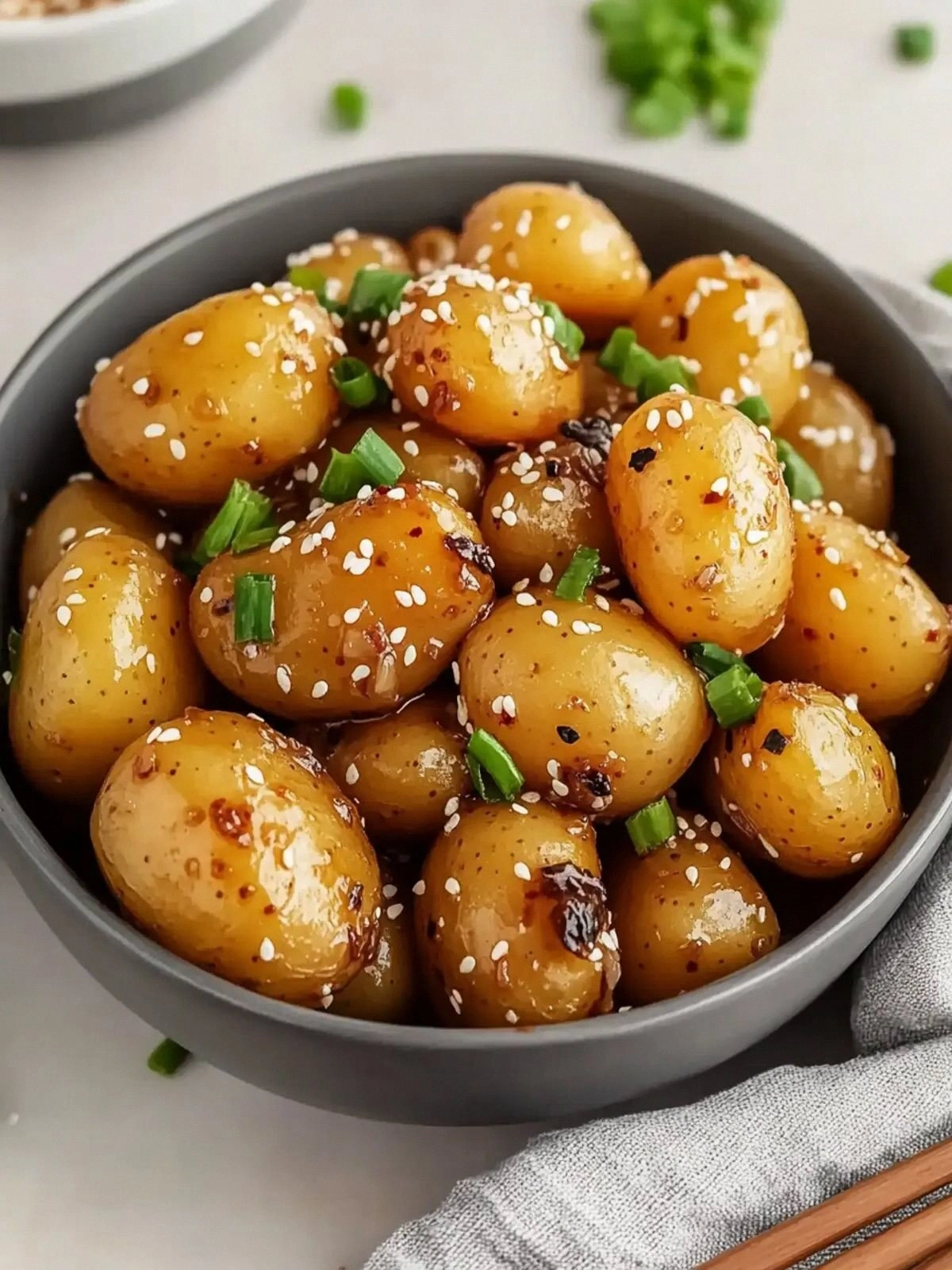
Picture this: a sizzling skillet, the potatoes turning golden like sunrise on a winter morning, a drizzle of sesame oil that shimmers like liquid amber, and the sweet-salty kiss of soy sauce that wraps every bite in a silky glaze. The aroma rises, a heady mix of caramelized onions, fermented soy, and a whisper of citrus from the vinegar, creating a perfume that makes even the most stubborn cat pause mid‑pounce. Every time the potatoes hit the pan, they crackle with a satisfying pop, a sound that feels like applause for the flavors about to unfold. The heat rises, turning the humble tuber into a caramelized masterpiece that’s both comforting and bold. And as the final touch—toast‑scented sesame seeds—settles on top, the dish looks as good as it tastes, promising a feast for the senses.
What makes this version stand out is not just the flavor, but the sheer simplicity of the technique. The potatoes are blanched just enough to keep their interior fluffy, then quickly seared to lock in moisture and create a caramelized crust that feels like a hug for your taste buds. The sauce, a harmonious blend of vinegar, soy, mirin, and honey, reduces to a glossy glaze in under ten minutes, a testament to the power of balance. It’s a dish that can be whipped up in 30 minutes, yet feels like a labor‑of‑love creation that you could have spent hours perfecting. I dare you to taste this and not go back for seconds. And if you’ve ever struggled to make a Korean dish feel authentic, you’re not alone—this recipe is the fix you’ve been waiting for.
So buckle up, because I’m about to walk you through every single step. By the end, you’ll wonder how you ever made it any other way. From the moment the potatoes hit the heat to the final sprinkle of green onions, every detail matters, and every moment is worth savoring. Let’s dive in and turn a simple potato into a Korean masterpiece that’s quick, delicious, and utterly unforgettable.
What Makes This Version Stand Out
- Taste: The sauce’s balance of sweet, salty, and umami is achieved with a precise ratio that makes each bite a burst of flavor, rather than a flat aftertaste. The vinegar adds a bright kick that cuts through the richness, while the honey keeps the glaze silky.
- Texture: The potatoes develop a crisp exterior that snaps like a fresh cookie, while the inside stays soft and pillowy, giving a satisfying contrast that keeps you coming back for more.
- Simplicity: No fancy gadgets, no pre‑made sauces—just pantry staples that you already have. This means you can whip up a crowd‑pleaser in under 45 minutes.
- Uniqueness: The combination of mirin and honey creates a caramelized glaze that’s rarely seen in traditional Korean potato recipes, giving this dish a signature twist.
- Crowd Reaction: Friends who’ve tried it swear it’s “hands down the best version you’ll ever make at home.” The dish is a conversation starter, and it’s easy to share.
- Ingredient Quality: Using baby potatoes gives a natural sweetness that complements the savory sauce, and fresh garlic adds depth without overpowering.
- Cooking Method: The quick blanch‑then‑sear technique ensures even cooking while locking in flavor, making it a fool‑proof approach for both beginners and seasoned cooks.
- Make‑Ahead Potential: It’s easy to prepare a batch ahead of time and reheat, making it perfect for busy evenings or potlucks.
Alright, let's break down exactly what goes into this masterpiece.
Inside the Ingredient List
The Flavor Base
The sauce is the heart of this dish, marrying sweet, salty, and acidic notes into a single, glossy glaze. The white vinegar provides a bright acidity that cuts through the richness of the honey and soy sauce, preventing the potatoes from becoming cloyingly sweet. Soy sauce brings depth and umami, anchoring the dish in its Korean roots. Mirin, a sweet rice wine, adds a subtle sweetness and a hint of alcohol that evaporates during cooking, leaving behind a smooth finish. Honey, on the other hand, brings a natural sweetness and a glossy sheen that makes the sauce cling to each potato piece like velvet.
If you skip the vinegar, the glaze will feel flat and overly sweet. If you leave out the mirin, you’ll miss that delicate depth that gives the sauce its signature Korean character. For a lower‑sugar version, you can replace honey with maple syrup, but the flavor profile will shift slightly toward a more robust maple note.
The Texture Crew
Baby potatoes are the star of this dish, chosen for their natural sweetness and firm yet tender texture. Their small size allows them to cook quickly while still maintaining a distinct bite. The garlic, minced finely, releases its aromatic oils during the searing process, infusing the potatoes with a subtle heat that complements the sweetness of the glaze. Black pepper adds a gentle heat that lingers on the palate, balancing the overall flavor without overpowering the dish.
If you prefer a milder garlic flavor, reduce the cloves to one. For those who love a bit of heat, add a pinch of red pepper flakes during the final simmer. The water in the sauce keeps the potatoes moist and prevents them from drying out during the cooking process.
The Unexpected Star
Sesame oil is the secret weapon that elevates the dish from good to unforgettable. Its nutty aroma and slight bitterness contrast beautifully with the sweet glaze, creating a complex flavor profile. Toasted sesame seeds add a satisfying crunch and a pop of color, turning each bite into a visual and textural delight. Green onions provide a fresh, peppery finish that brightens the dish and adds a burst of color.
If you’re allergic to sesame, you can substitute with a splash of toasted rice oil for a subtle nutty flavor. If you’re craving an extra layer of flavor, sprinkle a few crushed red pepper flakes alongside the sesame seeds for a spicy kick.
The Final Flourish
The final touch of sesame oil and toasted sesame seeds turns the dish into a showstopper, adding both aroma and texture. The green onions, sliced thinly, provide a fresh finish that cuts through the richness of the glaze, leaving the dish feeling balanced and bright. This small addition can make a huge difference in the overall dining experience.
If you’re looking to add more depth, a splash of rice vinegar can brighten the sauce even further. For a smoky twist, add a few drops of liquid smoke to the glaze before simmering.
Everything's prepped? Good. Let's get into the real action.
The Method — Step by Step
This is the moment of truth. The skillet is your stage, the potatoes your actors, and the sauce the spotlight that will make everyone applaud. Follow these steps carefully, and you’ll end up with a dish that’s both comforting and showstopping.
- First, rinse the baby potatoes under cold water and pat them dry with a clean towel. Cut them in half to ensure even cooking and a larger surface area for caramelization. Heat a large skillet over medium‑high heat, adding the sesame oil once the pan is shimmering. This oil not only prevents sticking but also introduces a nutty aroma that sets the tone for the dish. Let the potatoes sit in the pan for a few minutes before flipping, allowing them to develop a golden crust that will hold the glaze.
- While the potatoes are searing, mince the garlic finely and set it aside. The garlic will release its fragrant oils into the pan, infusing the potatoes with a subtle heat. When the potatoes have turned golden on one side, flip them to achieve an even sear on all sides. This step is crucial for a uniform texture and a beautiful caramelized exterior.
- Once all sides are nicely browned, transfer the potatoes to a plate and set aside. In the same skillet, reduce the heat to medium and add the minced garlic. Sauté for 30 seconds until it becomes fragrant, but be careful not to let it burn, as burnt garlic will introduce a bitter flavor to the sauce.
- Return the potatoes to the skillet and pour in the white vinegar, soy sauce, mirin, honey, and water. Stir gently to coat the potatoes evenly with the liquid. The mixture should bubble gently, but not boil vigorously, as a gentle simmer allows the flavors to meld without evaporating too quickly.
- Add the black pepper and stir once more. Allow the sauce to reduce slowly over medium heat, stirring occasionally. The reduction will thicken the glaze and intensify the flavors. Watch carefully; when the sauce starts to thicken and the potatoes are coated in a glossy sheen, you’re close to perfection.
- When the sauce has thickened to a syrupy consistency, reduce the heat to low and let the potatoes simmer in the glaze for an additional 3 minutes. This step ensures the potatoes absorb the sauce fully, achieving a deep, caramelized flavor that coats each bite.
- Remove the skillet from heat and stir in the toasted sesame seeds. The seeds should coat the potatoes lightly, adding a pleasant crunch and nutty aroma. Sprinkle the sliced green onions on top for a fresh, peppery finish that brightens the dish.
- Serve immediately, perhaps with a side of steamed rice or a crisp salad. The dish is best enjoyed hot, when the glaze is still glossy and the potatoes are warm and tender. If you’re preparing ahead, store in an airtight container and reheat gently in a skillet, adding a splash of water to restore moisture.
That’s it—you did it. But hold on, I’ve got a few more tricks that will take this to another level. Stay with me here—this is worth it.
Insider Tricks for Flawless Results
Even seasoned cooks can benefit from a few extra tips that refine this dish and ensure every bite is spot on. These tricks are the difference between a good meal and a memorable one.
The Temperature Rule Nobody Follows
Many cooks think medium‑high heat is the sweet spot for searing potatoes, but the real trick is to let the pan reach a steady, hot temperature before adding the oil. This ensures an immediate sear that locks in moisture. If you add oil to a cold pan, the potatoes will steam rather than sear, resulting in a soggy exterior. I’ve learned that a quick test—dropping a small water droplet into the pan—will sputter if the heat is right. Keep the heat consistent; once the potatoes start to brown, maintain that temperature to avoid uneven cooking.
Why Your Nose Knows Best
The aroma is the first indicator that the dish is on track. When the garlic is sautéed, you’ll notice a sweet, nutty scent. As the sauce reduces, the smell will turn to a caramelized, almost burnt sugar aroma—this is the signal that the glaze is thickening. If the smell lingers too long or turns bitter, it means you’ve over‑cooked the garlic or allowed the sauce to burn. Trust your nose; it’s the most reliable guide for timing.
The 5-Minute Rest That Changes Everything
After you finish cooking, let the dish rest for five minutes before serving. This rest period allows the glaze to settle, giving it a thicker, more cohesive texture. The potatoes will also absorb the sauce more fully during this time, making each bite richer. A quick five‑minute rest is a simple step that dramatically improves the overall mouthfeel.
Don’t Skip the Water
The ½ cup of water in the sauce might seem unnecessary, but it’s the secret to keeping the potatoes moist while the glaze thickens. Removing the water entirely can cause the sauce to reduce too quickly, leading to a sticky, burnt texture. If you’re watching calories, reduce the water to ¼ cup, but keep the ratio of liquid to sauce in mind.
Use a Heavy‑Bottomed Skillet
A heavy‑bottomed skillet distributes heat evenly, preventing hot spots that can scorch the potatoes. If you only have a non‑stick pan, be extra careful with the heat; the bottom can easily burn the glaze. A cast‑iron skillet is ideal for this dish because it retains heat and provides a consistent sear.
Creative Twists and Variations
This recipe is a playground. Here are some of my favorite ways to switch things up:
Spicy Korean BBQ Potatoes
Add a tablespoon of gochujang to the sauce for a fiery kick. The fermented chili paste will deepen the umami profile and introduce a smoky heat. Pair this version with a simple cucumber salad to balance the spice.
Sweet Potato Variation
Swap baby potatoes for sweet potato cubes. The natural sweetness will complement the honey and mirin, creating a richer glaze. The texture will be slightly denser, but it’s a delightful change that pairs well with pork or beef.
Herb‑Infused Potatoes
Stir in a handful of fresh dill or parsley before serving. The herbs will add a fresh, green note that cuts through the richness of the glaze. This variation is perfect for a summer gathering.
Vegan Version
Use maple syrup instead of honey and replace soy sauce with tamari for a gluten‑free option. The flavor profile remains similar, but the dish becomes completely plant‑based. Add a splash of nutritional yeast for a cheesy depth.
Potato and Kimchi Fusion
Fold in a handful of kimchi before simmering the potatoes in the sauce. The fermented cabbage will introduce a tangy, spicy note that complements the sweet glaze. Serve with a sprinkle of toasted sesame seeds for an extra crunch.
Breakfast‑Style Potatoes
Add a pinch of smoked paprika and serve the potatoes over a bed of scrambled eggs. The smoky flavor pairs wonderfully with the sweet glaze, creating a hearty breakfast that’s both comforting and adventurous.
Storing and Bringing It Back to Life
When you’re not serving the dish immediately, it’s essential to store it properly to preserve flavor and texture.
Fridge Storage
Place the cooked potatoes in an airtight container and refrigerate for up to 3 days. The glaze will thicken slightly, so add a splash of water or a few drops of sesame oil before reheating to restore its glossy sheen. Reheat on low heat, stirring gently until warm.
Freezer Friendly
For longer storage, freeze the potatoes in a single layer on a parchment paper tray, then transfer to a freezer bag. They’ll keep well for up to 2 months. Thaw overnight in the refrigerator, then reheat as described above. The texture remains tender, and the sauce retains its flavor.
Best Reheating Method
The best way to reheat is in a skillet over medium heat, adding a splash of water or broth to keep the potatoes moist. Stir frequently to ensure even heating and to prevent the glaze from drying out. Once heated through, finish with a drizzle of sesame oil and a sprinkle of green onions for that fresh finish.