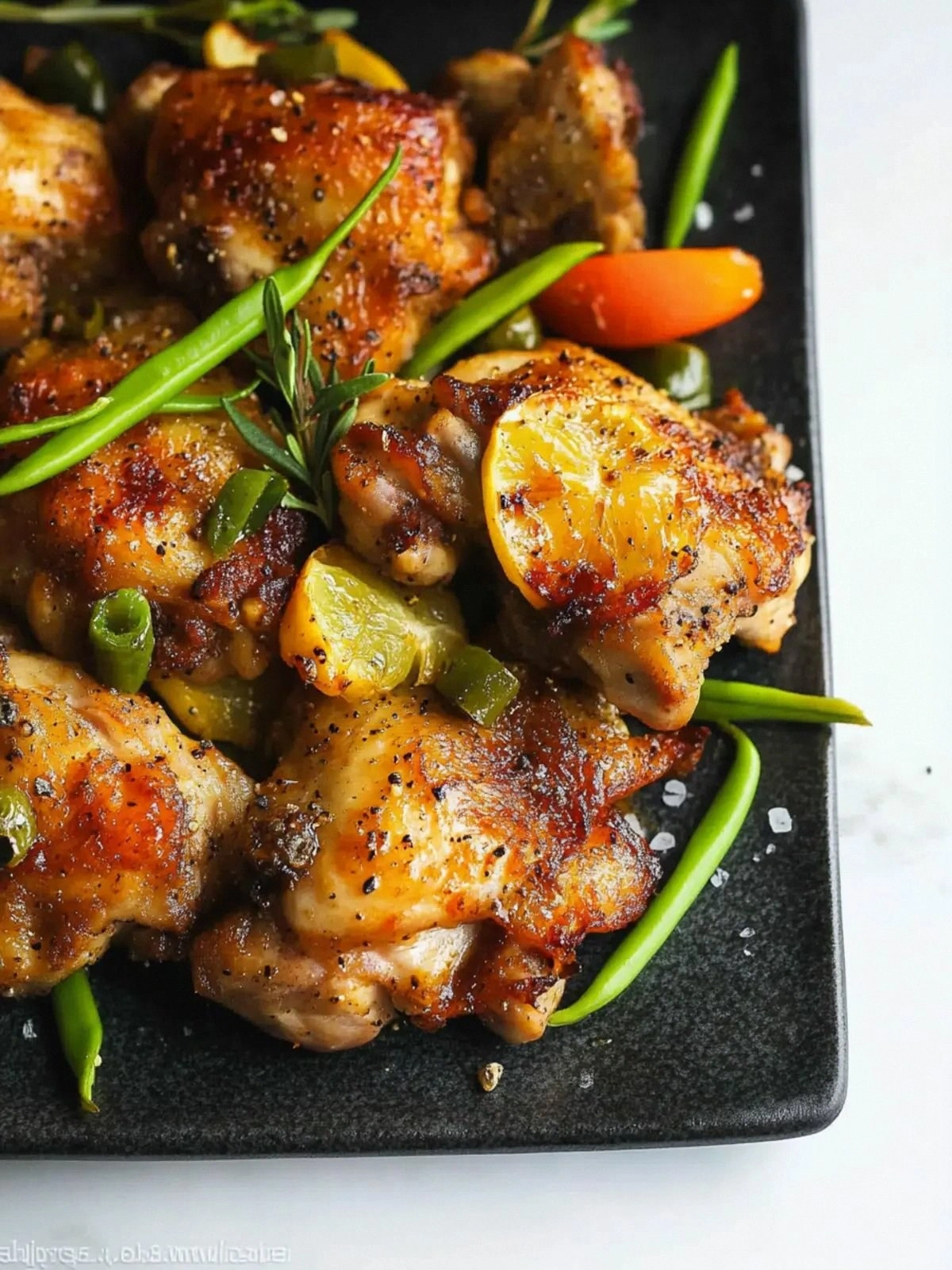
I was standing in the middle of a kitchen that smelled like burnt toast and ambition when the idea hit me. A friend had dared me to make the best turkey legs anyone had ever tasted, and my pantry was a jumble of herbs, citrus, and vegetables that begged to be united. I stared at the four turkey legs, their skin a dull gray, and thought, “Why not turn these into a vibrant, herb‑citrus masterpiece that will make the whole house sing?” That single moment sparked a culinary rebellion that would culminate in a dish that feels like a party in your mouth.
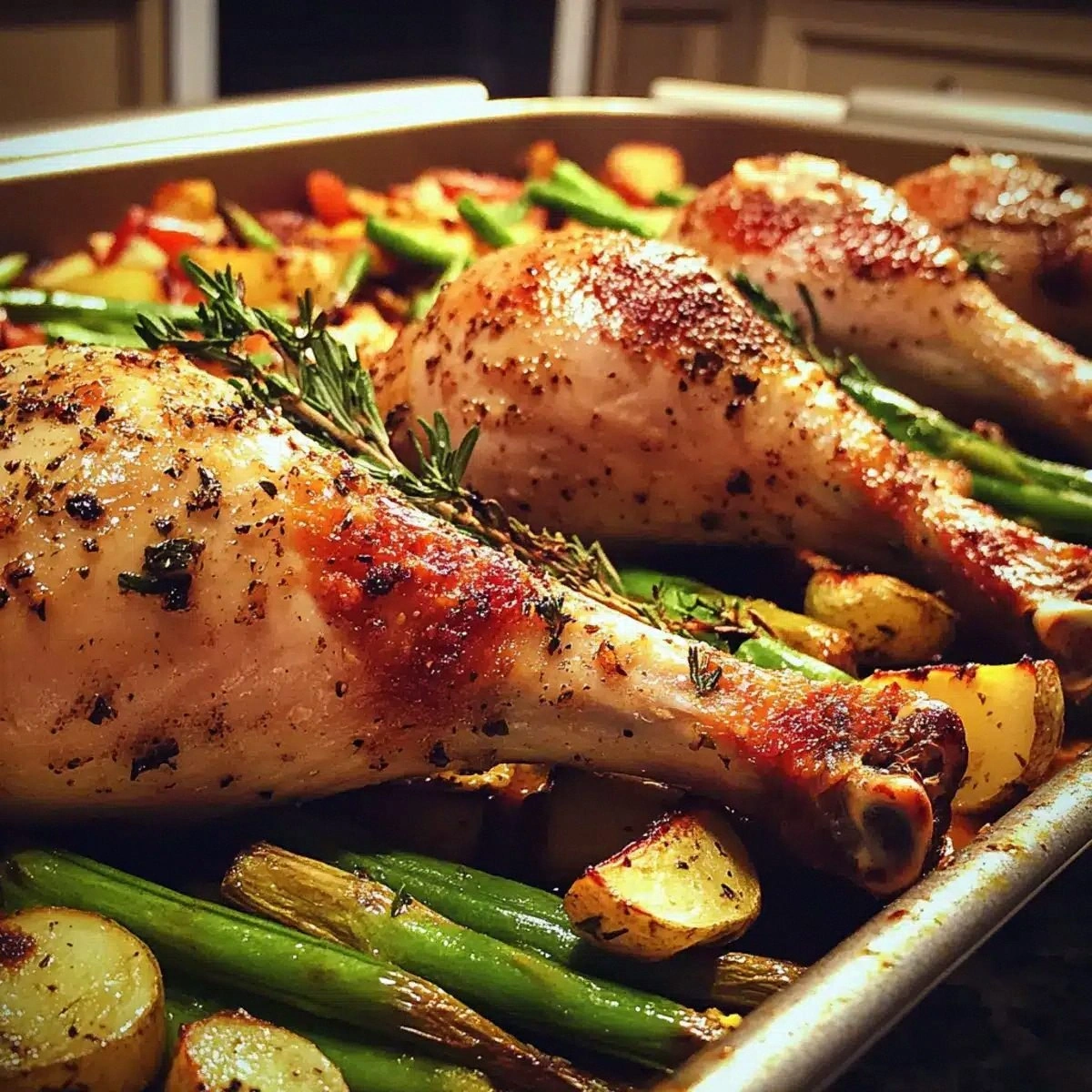
Picture this: the first bite lands on a skin that crackles like a crisp sunrise, the juices burst with lemon brightness, and the herbs swirl around the meat like a fragrant foghorn. The baby carrots are tender yet retain a slight snap, the asparagus spears stay bright green, and the sugar snap peas add a pop of green that makes your eyes sparkle. The cherry tomatoes burst with sweet acidity, and the thyme and rosemary weave a tapestry of earthy tones that linger long after the last forkful. That aroma alone—an orchestra of citrus, garlic, and fresh herbs—fills the air with a promise that you’ll be tempted to taste it again before the plate even empties.
What sets this version apart from every other turkey recipe is that it doesn’t rely on heavy sauces or complicated marinades. Instead, it uses a simple, bright herb‑citrus rub that penetrates the meat and caramelizes to a golden crust. The technique of searing the legs first and then roasting them in the oven creates layers of flavor and texture that feel almost cinematic. And the vegetables aren’t just side dishes; they’re a colorful, nutrient‑dense accompaniment that elevates the entire meal into a symphonic experience.
I’ll be honest—when I first tasted these legs, I ate half the batch before anyone else got a chance to try them. That was a moment of culinary triumph, but also a reminder that this dish is so irresistible it demands a second serving. I dare you to taste this and not go back for seconds. If you’re skeptical, let me walk you through every single step. By the end, you’ll wonder how you ever made turkey any other way.
What Makes This Version Stand Out
- Flavor: The citrus and herb rub creates a bright, tangy profile that cuts through the richness of the turkey, giving every bite a zesty lift that feels fresh even after several hours.
- Texture: The initial sear locks in moisture while forming a caramelized skin that cracks like a fine crust, and the slow oven roast ensures the meat stays juicy without drying out.
- Visual Appeal: Vibrant vegetables surround the legs, creating a rainbow on the plate that makes the dish Instagram‑ready and satisfying to the eyes.
- Ease: No elaborate marinades or overnight preparations—just a handful of herbs, a splash of lemon, and a quick sear. It’s the best version for a weeknight dinner.
- Crowd‑Pleaser: The combination of familiar flavors with a surprising citrus twist keeps guests intrigued and ensures that every bite is a new discovery.
- Ingredient Quality: Fresh rosemary, thyme, and lemon zest are the stars; their aromatic oils elevate the dish beyond a standard roast.
- Cooking Method: The dual‑step approach (sear then roast) is a secret weapon that maximizes flavor while keeping the process straightforward.
- Make‑Ahead Potential: The dish can be prepped the night before, marinated, and then roasted in the morning—perfect for busy schedules.
Alright, let's break down exactly what goes into this masterpiece...
Inside the Ingredient List
The Flavor Base
The foundation of this dish lies in the herb and citrus rub that coats each turkey leg. Fresh rosemary and thyme release their essential oils when heated, creating a fragrant, savory backdrop that complements the bright lemon zest and juice. Garlic, minced finely, adds a punch of umami that deepens the flavor profile. If you’re craving a bit of heat, a pinch of crushed red pepper flakes will sneak in a subtle kick that balances the citrus.
Skipping the rosemary would leave the dish feeling flat; the herb’s piney notes are crucial for depth. Likewise, if you omit the lemon, the rub would become a bland, earthy blend that lacks the lively lift that keeps the palate engaged. For those with a sweet tooth, a drizzle of honey in the rub can bring a gentle caramelization, but be careful not to overpower the citrus.
The Texture Crew
Baby carrots, asparagus, sugar snap peas, and cherry tomatoes form the textural backbone of the plate. Each vegetable is chosen for its ability to hold up under the heat while retaining a crisp bite. Carrots add a subtle sweetness and a satisfying crunch, while asparagus brings a bright green contrast that is both visually appealing and nutritionally dense.
Sugar snap peas contribute a pop of green that crunches like a fresh, crisp snap, and cherry tomatoes burst with juice that balances the savory elements. If you prefer a softer vegetable, you can lightly steam the asparagus before roasting, but this will reduce the crispness that makes the dish so dynamic.
The Unexpected Star
Lemon zest is the unexpected star that elevates the entire dish. The zest contains concentrated essential oils that give a bright, citrusy aroma and a subtle bitterness that balances the sweetness of the carrots and tomatoes. A fresh lemon, not a jarred version, provides the best flavor profile and ensures that the dish remains vibrant.
If you can’t find fresh lemons, a splash of lemon juice can substitute, but the zest will be missing, leading to a flatter taste. To mimic the zest, you can use a microplane to grate the outer skin of a preserved lemon or a lemon peel from a preserved jar, though the flavor will be slightly different.
The Final Flourish
The final flourish is a sprinkle of fresh thyme added right before serving. Thyme’s subtle, earthy flavor complements the rosemary without competing with it. When the thyme is added at the end, it releases its aroma just before you taste the dish, providing a fresh finish that lingers on the palate.
If you prefer a more robust herb presence, you can double the thyme or add a handful of fresh oregano. However, the delicate balance of rosemary, thyme, and lemon is what makes this recipe feel like a well‑orchestrated performance.
Everything's prepped? Good. Let's get into the real action...
The Method — Step by Step
- Preheat your oven to 400°F (200°C). While the oven warms, pat the turkey legs dry with paper towels. This step ensures a crisp skin, as moisture is the enemy of crunch. The first sizzle you hear as the legs hit the hot pan is the sound of flavor locking in.
- In a small bowl, combine the olive oil, minced garlic, rosemary, thyme, lemon zest, salt, and pepper. Stir until you get a fragrant paste. The oil acts as a carrier for the herbs, ensuring an even distribution over the meat. If you’re in a hurry, a quick blend in a zip‑top bag will do the trick.
- Rub the herb paste all over the turkey legs, pressing it into the crevices. The key is to cover every surface so that the flavors permeate the meat. At this point, I like to let the legs sit for 15 minutes; the herbs get a chance to mingle with the meat before the heat.
- Heat a large, oven‑proof skillet over medium‑high heat. Add the turkey legs, skin side down, and sear until the skin is golden brown and releases a crackling sound, about 4–5 minutes. This searing step locks in juices and creates the caramelized crust that’s the hallmark of a great roast.
- While the legs are searing, toss the baby carrots, asparagus, snap peas, and cherry tomatoes with a drizzle of olive oil, a pinch of salt, and a squeeze of lemon juice. Spread the vegetables around the legs in the skillet or on a separate baking sheet. The vegetables will cook in the juices released by the turkey, absorbing the herbaceous flavors.
- Transfer the skillet (or baking sheet) to the preheated oven. Roast for 25–30 minutes, or until the internal temperature of the turkey legs reaches 165°F (74°C). The vegetables should be tender yet crisp, and the turkey skin should have a deep, golden hue.
- Remove the skillet from the oven and let the turkey legs rest for 5 minutes. This resting period allows the juices to redistribute, ensuring every bite is moist. While the meat rests, you can sprinkle fresh thyme over the vegetables for an extra burst of aroma.
- Slice the turkey legs, serve them with the roasted vegetables, and drizzle any pan juices over the top. The final touch is a squeeze of fresh lemon over the plate, which adds a bright, citrusy finish that cuts through the richness. Plate it up, and you’re ready to impress.
That’s it — you did it. But hold on, I've got a few more tricks that'll take this to another level. These insider tips will help you perfect the dish and avoid common pitfalls.
Insider Tricks for Flawless Results
The Temperature Rule Nobody Follows
Many people roast turkey at 350°F, but a higher temperature of 400°F creates a better crust. The increased heat caramelizes the skin faster, giving you that coveted crackle. If you’re worried about drying out the meat, sear first, then lower the temperature to 375°F for the last 10 minutes.
Why Your Nose Knows Best
Trust your nose when you’re about to pull the turkey out of the oven. The aroma of roasted herbs and citrus is a reliable indicator that the meat is ready. If the smell is still heavy on the oil, give it a few more minutes.
The 5-Minute Rest That Changes Everything
Resting the turkey legs for exactly five minutes before slicing is the secret to juiciness. During this brief pause, the juices redistribute, preventing them from spilling onto the cutting board. A common mistake is slicing immediately, which results in dry, uneven meat.
Use a Meat Thermometer for Accuracy
A digital thermometer ensures that the turkey reaches 165°F without overcooking. Insert it into the thickest part of the leg; if it’s close to 160°F, give it another minute. Overcooked turkey loses flavor and becomes rubbery.
Finish with a Splash of Lemon
Right before serving, add a squeeze of fresh lemon juice over the turkey and vegetables. This brightens the dish and cuts through the richness, creating a balanced flavor profile that feels light and refreshing.
Creative Twists and Variations
This recipe is a playground. Here are some of my favorite ways to switch things up:
Maple‑Glazed Turkey
Swap the olive oil for a glaze of maple syrup and Dijon mustard. Brush it on the legs before roasting for a sweet, caramelized crust that pairs wonderfully with the citrus. The maple adds depth and a subtle nutty flavor.
Smoky Paprika Infusion
Add a teaspoon of smoked paprika to the herb rub. The smoky undertone complements the rosemary and thyme, creating a flavor profile reminiscent of a backyard grill. This variation is perfect for autumn evenings.
Mediterranean Twist
Replace the baby carrots with roasted red bell peppers and add a handful of kalamata olives. The briny olives and sweet peppers bring a Mediterranean flair that pairs beautifully with the lemon‑herb rub.
Asian‑Inspired Ginger Citrus
Add minced fresh ginger and a splash of soy sauce to the rub. The ginger provides a warm, spicy note, while the soy adds umami. Serve with steamed jasmine rice for a complete meal.
Herb‑Stuffed Turkey Legs
Create a small pocket in each leg and stuff it with a mixture of breadcrumbs, parmesan, and chopped herbs. This adds a crunchy, cheesy element that contrasts nicely with the tender meat.
Roasted Sweet Potato Medley
Swap the baby carrots for cubed sweet potatoes. Their natural sweetness pairs with the lemon zest, and the roasting process brings out caramelized edges that enhance the dish’s overall flavor.
Storing and Bringing It Back to Life
Fridge Storage
Cool the leftovers to room temperature, then store them in an airtight container in the refrigerator for up to 3 days. Keep the vegetables separate from the turkey to preserve their crispness. When ready to eat, reheat in a skillet over medium heat, adding a splash of water or broth to keep the meat moist.
Freezer Friendly
Pack the turkey legs and vegetables in separate freezer bags, removing as much air as possible. Freeze for up to 2 months. Thaw overnight in the refrigerator before reheating. The texture of the vegetables may soften slightly, but the flavor remains intact.
Best Reheating Method
Reheat in a preheated oven at 350°F (175°C) for 15–20 minutes, or until warmed through. If the turkey seems dry, add a tablespoon of chicken broth or a splash of water to create steam, which helps restore moisture. Finish with a fresh squeeze of lemon for that bright finish.