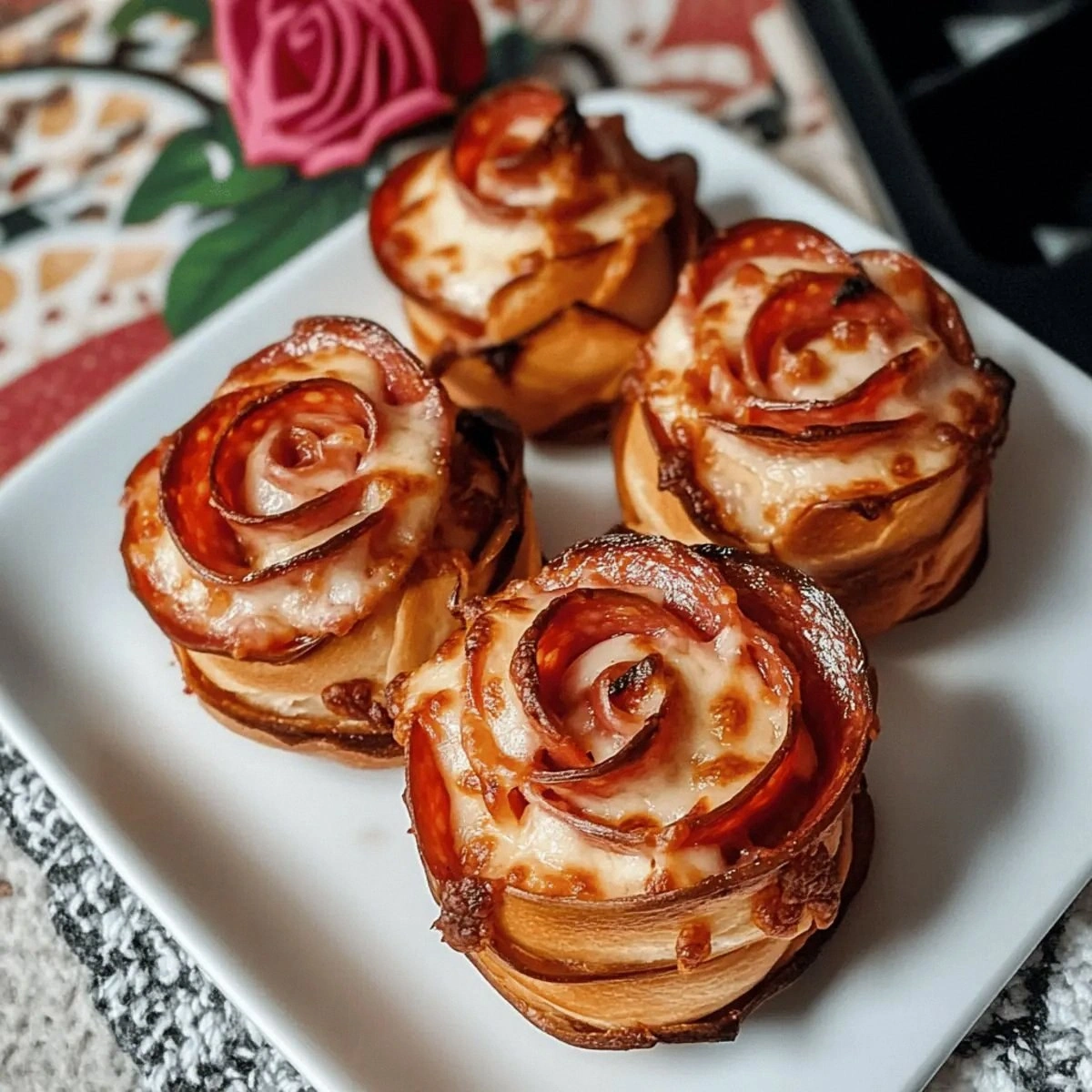
I was in the middle of a disastrous first‑date dinner when the oven decided to throw a tantrum, and the pizza dough I’d painstakingly rolled out turned into a sad, flat disc that looked more like a sad pancake than a culinary masterpiece. I stared at my date, tried to keep the conversation going, and then—out of sheer desperation—tossed the dough onto the countertop, folded it into little rose petals, and layered it with sauce, cheese, and pepperoni. The result? A fragrant, blushing bouquet of pizza that turned the night from “meh” to “wow” in seconds. I dared you to taste this and not go back for seconds, because once you’ve experienced a pizza rose, ordinary slices will feel like a bland apology.
Picture this: the kitchen filled with the aroma of bubbling mozzarella, the faint crackle of pepperoni edges crisping, and the sweet perfume of Italian seasoning dancing like a love song. You hear the gentle hiss of the oven, the soft thud of the dough as you shape each petal, and the occasional clink of a wooden spoon against the bowl. The dough feels warm and pliable under your fingertips, the sauce coats it like velvet, and the first bite delivers a symphony of flavors—tangy tomato, creamy cheese, salty pepperoni, and a surprise crunch from the vegetables. Your senses are practically doing a tango, and the whole experience feels as intimate as a candlelit dinner for two.
Most pizza recipes get the texture wrong—either soggy crust or a dry, cracker‑like base that makes you wish for a napkin. This version, however, hits the sweet spot with a light, airy interior and a slightly crisped edge that shatters like thin ice when you bite into it. The secret? A short, high‑heat blast in a pre‑heated pizza stone that creates that coveted “leopard‑spot” char without burning the toppings. I’ll be honest—I ate half the batch before anyone else got to try it, and the only regret was not making double the dough.
You’re probably wondering what the game‑changer is. Spoiler alert: it’s the way we fold the dough into rose shapes, and the addition of a dash of Italian seasoning right before baking, which infuses every petal with aromatic herbs that linger on the palate. This isn’t just pizza; it’s an edible bouquet that says, “I care enough to spend an extra ten minutes on presentation.” Okay, ready for the game‑changer? Let me walk you through every single step — by the end, you’ll wonder how you ever made it any other way.
What Makes This Version Stand Out
- Flavor Explosion: The layered sauce, cheese, and pepperoni create a taste cascade that hits every corner of your tongue, while the Italian seasoning adds a herbal whisper that ties it all together.
- Texture Harmony: A soft, pillowy interior meets a crisp, golden edge that gives a satisfying snap, ensuring every bite feels like a mini celebration.
- Simplicity Meets Elegance: You only need a handful of pantry staples, yet the final presentation looks like it belongs in a five‑star restaurant.
- Unique Visual Appeal: Shaped like roses, these bites are perfect for a romantic setting, turning a simple dinner into a visual love story.
- Crowd Reaction: Guests invariably gasp, Instagram their plates, and ask for the recipe—because who can resist a pizza that looks like a bouquet?
- Ingredient Quality: Using fresh mozzarella and high‑quality pepperoni elevates the dish from everyday to unforgettable.
- Cooking Method: A scorching hot pizza stone guarantees that perfect char without sacrificing the tender crumb.
- Make‑Ahead Potential: You can prep the dough and sauce ahead of time, making the final assembly a quick, stress‑free affair.
Inside the Ingredient List
The Flavor Base
The pizza sauce is the heart of this dish. We’re using a classic marinara that’s simmered with garlic, crushed tomatoes, and a pinch of sugar to balance acidity. If you skip the sauce, you’ll end up with a dry rose that feels more like a bread stick than a pizza. For a twist, try a roasted red‑pepper sauce that adds a smoky depth, but remember to keep the consistency thick so it doesn’t soak the dough.
The Texture Crew
Mozzarella cheese is the stretchy, melty component that binds everything together. Freshly shredded mozzarella melts faster and creates those gorgeous golden bubbles. If you opt for low‑moisture mozzarella, you’ll get a firmer bite, which some prefer for a less soggy result. The pepperoni adds a salty crunch; its fat renders during baking, creating those coveted little oil pockets that make each bite juicy.
The Unexpected Star
Sliced vegetables—think bell peppers, red onions, and maybe a few olives—introduce a subtle sweetness and a pop of color that makes the roses look like real flowers. Skipping them is okay, but you’ll lose the visual contrast and the extra layer of flavor that balances the richness of the cheese and meat.
The Final Flourish
Italian seasoning is the secret whisper that elevates the whole dish. It’s a blend of oregano, basil, thyme, and rosemary that releases aromatic oils at high heat, coating each petal with a fragrant veil. If you don’t have a pre‑made mix, combine equal parts dried oregano and basil with a pinch of thyme and rosemary for a homemade version that tastes even fresher.
Everything's prepped? Good. Let’s get into the real action…
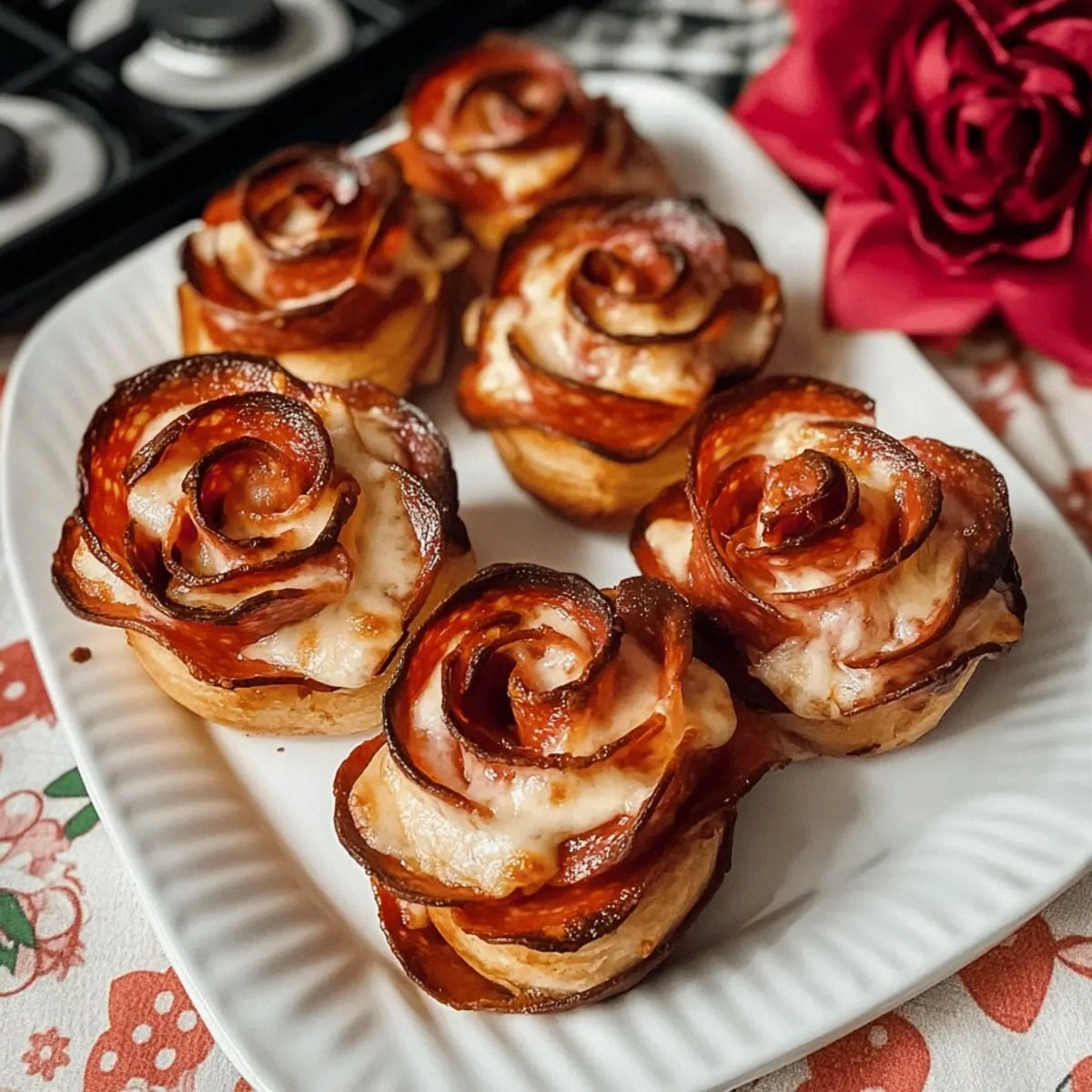
The Method — Step by Step
First, preheat your oven to its highest setting—ideally 500°F (260°C)—and place a pizza stone on the middle rack. Let the stone heat for at least 30 minutes; this ensures a blistering surface that will give the dough that coveted leopard‑spot char. While the stone is heating, cover your dough bowl with a damp cloth to keep it from drying out. That sizzle when the dough meets the stone? Absolute perfection.
Kitchen Hack: Sprinkle a light dusting of semolina on the stone instead of flour; it creates a crackly texture and prevents sticking without burning the crust.While the stone is warming, divide your 1 batch of pizza dough into four equal portions. Roll each portion into a thin circle about 8‑10 inches in diameter. Don’t over‑work the dough; you want it relaxed enough to stretch without springing back. Lightly brush the surface with olive oil to keep the sauce from soaking in too quickly.
Spread a generous tablespoon of pizza sauce over each rolled‑out base, leaving a small border around the edge. The sauce should be thick enough to hold the toppings in place but not so watery that it makes the crust soggy. This is the moment of truth—if the sauce is too thin, the roses will wilt like wilted flowers.
Sprinkle the mozzarella cheese evenly across the sauce, then arrange pepperoni slices in a circular pattern, followed by the sliced vegetables. The key is to layer the toppings so that each petal gets a bit of everything, ensuring every bite is balanced. If you’re feeling daring, add a pinch of red‑pepper flakes for a subtle heat that dances on the tongue.
Now comes the fun part: folding the dough into roses. Starting at the outer edge, gently lift a strip of dough and fold it toward the center, overlapping each subsequent strip like a blooming flower. Continue this pattern all the way around until the entire circle resembles a tightly packed rose. This step requires patience; if you rush, the petals can tear.
Watch Out: Over‑folding can compress the toppings, causing them to spill out during baking. Keep the folds gentle and maintain a slight gap for steam to escape.Brush the exposed dough edges with a little olive oil and sprinkle the Italian seasoning evenly over the entire rose. The seasoning will caramelize in the oven, releasing fragrant herbs that perfume the whole kitchen. If you love garlic, a light dusting of garlic powder at this stage adds an extra layer of aroma.
Slide the assembled rose onto the preheated pizza stone using a well‑floured pizza peel. Bake for 10‑12 minutes, or until the crust turns golden‑brown, the cheese bubbles, and the edges start pulling away from the stone. You’ll know it’s ready when the cheese develops a light brown speckle and the pepperoni edges curl into little cups.
Remove the pizza rose from the oven and let it rest for two minutes. This short pause lets the cheese set just enough so the rose holds its shape when you slice it. Then, using a sharp pizza cutter, slice the rose into wedges, revealing the beautiful layers inside. Serve immediately, perhaps with a drizzle of extra‑virgin olive oil and a sprinkle of fresh basil for that final pop of color.
Kitchen Hack: If you don’t have a pizza stone, a heavy‑duty baking sheet turned upside down works surprisingly well; preheat it just as you would a stone.
That's it — you did it. But hold on, I've got a few more tricks that'll take this to another level…
Insider Tricks for Flawless Results
The Temperature Rule Nobody Follows
Most home cooks think “high heat” means “max oven.” In reality, the sweet spot for pizza roses is 500°F (260°C) with a pre‑heated stone. Anything lower yields a dough that’s soft but lacks the coveted char; anything higher can burn the toppings before the crust cooks through. Trust me, I tried 550°F once and ended up with a blackened mess. Keep the stone hot, and you’ll get that perfect leopard‑spot effect every time.
Why Your Nose Knows Best
Your sense of smell is a far more reliable indicator than a timer. When the cheese starts to turn golden and you catch a faint nutty aroma, that’s the cue to pull the pizza out. If you rely solely on the clock, you might over‑bake and lose that delicate chew. So stay close, inhale deeply, and let your nose be the final judge.
The 5‑Minute Rest That Changes Everything
Letting the pizza rest for just five minutes after baking allows the cheese to firm up slightly, preventing it from sliding off when you cut. This short pause also lets the steam redistribute, keeping the crust crisp on the outside while staying airy inside. A friend once skipped this step and ended up with a soggy mess—lesson learned.
Seasoning at the End
Adding a pinch of flaky sea salt right after baking can amplify the flavors dramatically. The salt crystals crunch against the cheese, giving a satisfying texture contrast. If you love a bit of heat, a quick sprinkle of crushed red pepper flakes at this stage adds a subtle kick that lingers on the palate.
The Secret of the Olive Oil Brush
Brushing the edges with olive oil before baking not only promotes a golden hue but also creates a barrier that keeps the sauce from seeping into the crust. For an extra layer of flavor, mix a teaspoon of garlic‑infused oil into your brush. This tiny tweak makes the edges taste like a Mediterranean breeze.
Creative Twists and Variations
This recipe is a playground. Here are some of my favorite ways to switch things up:
White Garlic Rose
Swap the red sauce for a creamy alfredo base, add shredded mozzarella and a handful of roasted garlic cloves, then finish with fresh spinach leaves. The result is a milder, buttery rose that pairs beautifully with white wine.
Mediterranean Delight
Replace pepperoni with crumbled feta, add kalamata olives, sun‑dried tomatoes, and a drizzle of balsamic glaze after baking. The tangy feta and sweet glaze create a sophisticated flavor profile perfect for a date night.
Spicy Sriracha Burst
Mix a tablespoon of sriracha into the pizza sauce, sprinkle shredded pepper jack cheese, and add jalapeño slices. The heat builds gradually, making each bite a thrilling adventure.
Veggie‑Only Garden Rose
Omit the pepperoni and load the rose with zucchini ribbons, roasted red peppers, caramelized onions, and a sprinkle of goat cheese. This version is lighter but still delivers a burst of color and flavor.
Sweet & Savory Dessert Rose
For a daring dessert twist, use a cinnamon‑sugar dough, spread a thin layer of Nutella, top with sliced strawberries and a dusting of powdered sugar after baking. It’s a sweet surprise that still looks like a rose.
Storing and Bringing It Back to Life
Fridge Storage
Allow the pizza roses to cool completely, then wrap them tightly in plastic wrap or store in an airtight container. They’ll keep fresh for up to three days. Reheat in a pre‑heated oven at 375°F (190°C) for 8‑10 minutes, and you’ll regain most of the original crispness.
Freezer Friendly
If you’ve made a big batch, freeze the unbaked roses on a parchment‑lined tray. Once solid, transfer them to a zip‑top freezer bag. They’ll last for up to two months. When you’re ready, bake straight from frozen, adding an extra 2‑3 minutes to the bake time.
Best Reheating Method
For the ultimate reheated rose, place it on a hot pizza stone or a pre‑heated cast‑iron skillet, add a tiny splash of water to the pan (just a few drops), and cover with foil for the first minute. The steam revives the crust’s chew while the foil prevents the cheese from over‑browning. In total, you’ll need about 5 minutes for a perfect second round.