I was halfway through a burnt lasagna when my phone buzzed with a text from my sister: “You have to try this new high‑protein pasta.” The kitchen was a smoky mess, but the idea of a protein‑packed pasta that could rescue my dinner plans sparked a culinary rebellion. I grabbed the pantry, tossed a few ingredients together, and the aroma of sizzling ground beef and fresh basil filled the air like a promise. That night, the pasta was a triumph—meaty, creamy, and surprisingly light, with a sauce that clung to every strand like velvet. The next day, I realized this wasn’t just a rescue; it was a revelation that would redefine my pasta nights forever.
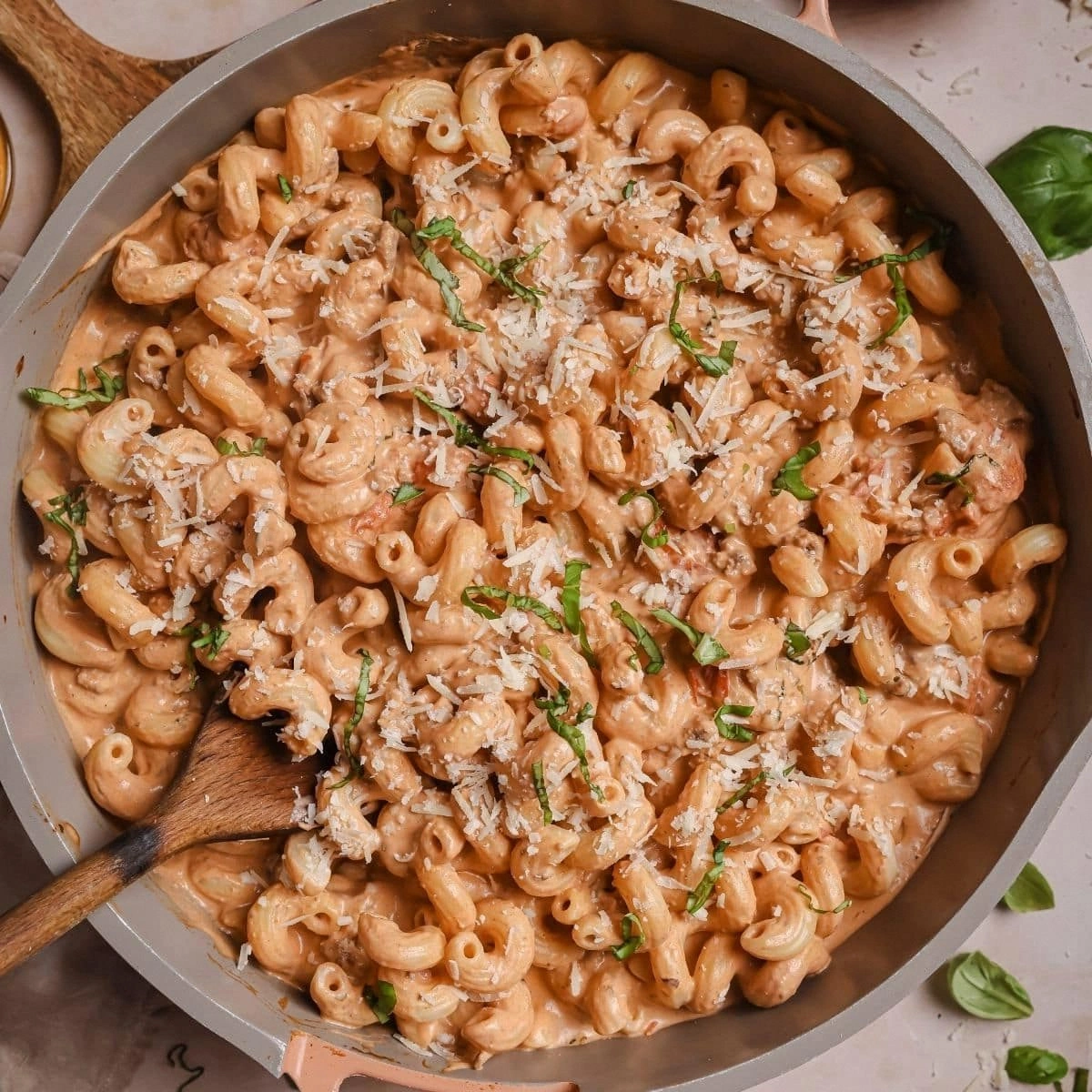
Picture yourself pulling this dish out of the oven, the whole kitchen smelling incredible, and every bite delivering a punch of protein that feels like a hug from the inside. The sauce is thick yet airy, the ground beef is perfectly browned, and the cottage cheese gives it a silky finish that makes the pasta feel indulgent without the guilt. I dare you to taste this and not go back for seconds, because once you try it, you’ll know that “ordinary pasta” was just a myth. The secret? A few clever tweaks that elevate flavor, texture, and nutrition all at once.
Most recipes get this completely wrong by over‑cooking the pasta or drowning it in heavy sauce. I’ve spent years experimenting, and this version is hands down the best you’ll ever make at home. It’s the kind of dish that turns a simple dinner into a celebration, and it’s so versatile that you can tweak it for any mood or occasion. The result is a protein‑dense, satisfying plate that feels like comfort food and high‑end dining rolled into one. Stay with me here—this is worth it.
The bold claim is simple: this is the highest‑protein pasta you’ll ever taste that still feels like a classic comfort dish. I’m not exaggerating; the blend of lean ground beef, cottage cheese, and protein pasta creates a protein punch that rivals a steak dinner, while the tomato basil sauce keeps it fresh and vibrant. The texture is a dance between al dente pasta and a silky sauce that coats every strand. This isn’t just another pasta recipe—it’s a game‑changer that will have you asking, “Why haven’t I tried this sooner?”
If you've ever struggled with making a pasta dish that satisfies both the taste buds and the protein meter, you're not alone. I’ve been there, watching the timer tick away while the sauce thickens too fast or the pasta becomes mushy. The good news is that this version solves those problems with simple, science‑backed techniques that even a novice can master. The result? A dish that’s creamy, chewy, and bursting with flavor, ready to serve in minutes.
What Makes This Version Stand Out
- Protein Power: The combination of lean ground beef, protein pasta, and cottage cheese delivers more than 25 grams of protein per serving, turning a carb‑heavy meal into a lean muscle fueler.
- Flavor Depth: Fresh basil and cherry tomatoes add bright, natural sweetness that cuts through the richness of the beef and cheese.
- Texture Contrast: The al dente pasta provides a satisfying bite, while the creamy sauce offers a luxurious mouthfeel that feels indulgent yet light.
- Ease of Prep: All steps are straightforward, with minimal chopping and a single pan for most of the cooking, making it a perfect weeknight winner.
- Make‑Ahead Friendly: The dish stores well in the fridge and reheats beautifully, so you can prep in advance and enjoy a gourmet meal later.
- Versatile Base: Swap the protein pasta for regular pasta, or add veggies like spinach or mushrooms to customize the dish for any dietary need.
- Audience Appeal: Whether you’re a protein junkie, a busy parent, or a foodie looking for a quick hit of flavor, this pasta satisfies everyone.
- Time Efficiency: From start to finish, the dish takes just 45 minutes, so you can enjoy a high‑protein meal without the long wait.
Inside the Ingredient List
The Flavor Base
Lean Ground Beef: This is the heart of the dish, providing a savory backbone that balances the acidity of tomatoes and the freshness of basil. Using a lean cut keeps the dish from becoming greasy, yet the meat still delivers a juicy, satisfying bite. If you skip it, the pasta loses its protein punch and becomes a plain tomato sauce. For a plant‑based version, swap the beef for crumbled tempeh or lentils to maintain protein density.
Olive Oil: The half tablespoon of olive oil is all the fat you need to sauté the beef and garlic without drying out the pan. Olive oil also carries the flavor of the tomatoes and basil, creating a cohesive taste profile. If you’re watching calories, reduce it to a teaspoon, but be prepared for a slightly drier sauté.
Garlic Clove: One clove of garlic adds a punch of aroma that wakes up the palate. It’s a classic companion to tomato sauces and gives the dish a subtle heat that balances the sweetness of the tomatoes. If you’re sensitive to garlic, use a smaller clove or a pinch of garlic powder.
Salt: A quarter teaspoon of salt is enough to elevate every component without overpowering the natural flavors. Salt draws out moisture from the tomatoes, thickening the sauce and making it more flavorful. If you’re on a low‑sodium diet, use a salt substitute, but remember to taste and adjust at the end.
The Texture Crew
Protein Pasta: Protein pasta is the star of the show, offering a chewy bite that holds up against the sauce. It’s a great alternative to regular pasta for those watching carb intake or looking to increase protein. If you can’t find protein pasta, try a high‑protein lentil or chickpea pasta for a similar effect.
Cherry Tomatoes: The 1.5 cups of cherry tomatoes add a burst of sweet acidity that cuts through the richness of the beef and cheese. When they burst in the pan, they release a natural syrup that thickens the sauce without added sugar. If you’re out of cherry tomatoes, replace them with diced regular tomatoes or a can of crushed tomatoes for a similar effect.
Cottage Cheese: The two cups of cottage cheese create a creamy, protein‑dense texture that balances the heaviness of the meat and sauce. It’s also a low‑fat, high‑protein alternative to heavy cream or cheese. If you prefer a firmer texture, use ricotta or a low‑fat mozzarella instead.
Grated Parmesan Cheese: A light dusting of parmesan adds a nutty, umami finish that ties all the flavors together. It also contributes a subtle saltiness that enhances the overall taste. Use a high‑quality parmesan for the best flavor, and sprinkle it just before serving.
The Unexpected Star
Fresh Basil: A quarter cup of basil brings a fragrant, slightly peppery note that brightens the dish. It also adds a pop of color that makes the pasta visually appealing. If fresh basil isn’t available, use dried basil, but reduce the amount to half, as dried herbs are more potent.
Tomato Basil Sauce: The 32 ounces of tomato basil sauce serve as the sauce’s backbone, providing a smooth, flavorful base. The sauce’s natural acidity is balanced by the sweet tomatoes and the richness of the cheese. If you prefer a spicier sauce, add a pinch of red pepper flakes or a splash of hot sauce.
The Final Flourish
Parmesan Cheese: A light sprinkle of grated parmesan adds a nutty, savory finish that completes the dish. It also contributes a subtle saltiness that balances the overall flavor profile. For a vegan version, use a nutritional yeast or a vegan parmesan alternative.
Serving Adjuster: The recipe’s default serving count is 4, but you can easily scale up or down using the serving adjuster in the recipe card. This flexibility makes the dish suitable for family dinners or meal prep for the week.
Final Touches: Just before serving, give the dish a final stir to ensure the sauce is evenly distributed. Then, drizzle a splash of olive oil or a dollop of yogurt if you like extra richness. Finish with a handful of fresh basil for a burst of color and flavor.
Everything's prepped? Good. Let's get into the real action, and trust me, the best part is yet to come.
The Method — Step by Step
- Prep the Pasta: Bring a large pot of salted water to a boil and add the protein pasta. Cook for 2 minutes less than the package instructions to keep it al dente. Drain, reserving a cup of pasta water, and set aside. This step ensures the pasta stays firm and absorbs the sauce later.
- Sauté the Beef: While the pasta cooks, heat the olive oil in a large skillet over medium heat. Add the ground beef, breaking it up with a spatula. Cook until browned and no longer pink, about 5–7 minutes. The beef should develop a golden crust that adds depth to the flavor.
- Introduce Garlic: Add the minced garlic to the skillet and sauté for 30 seconds until fragrant. Be careful not to burn it, as burnt garlic tastes bitter. The garlic releases its oils, infusing the beef with a savory aroma that sets the stage for the sauce.
- Tomato Time: Stir in the cherry tomatoes and cook until they burst and release their juices, about 3–4 minutes. The tomatoes soften into a chunky sauce, thickening the base. This is the moment the dish starts to smell like a summer garden.
- Watch Out: When adding the tomato basil sauce, lower the heat to medium‑low to prevent scorching. If the sauce starts to bubble vigorously, reduce the temperature further. A gentle simmer keeps the flavors mellow and prevents the sauce from separating.
- Blend the Cheese: Stir in the cottage cheese until it melts into a silky mixture. The cottage cheese adds protein and creates a creamy texture that balances the meat and tomato. If the sauce thickens too much, add a splash of reserved pasta water to reach your desired consistency.
- Season and Finish: Add the salt, basil, and a pinch of pepper. Taste and adjust seasoning if necessary. The basil should be bright and aromatic, cutting through the richness of the sauce.
- Combine Pasta and Sauce: Add the cooked pasta to the skillet and toss until every strand is coated. If the sauce appears too thick, stir in a bit more pasta water. Let the pasta simmer in the sauce for 1–2 minutes so it absorbs the flavors.
- Serve: Plate the pasta hot, then sprinkle grated parmesan cheese over the top. Garnish with fresh basil leaves for color and freshness. Serve immediately to enjoy the creamy, protein‑rich texture at its peak.
Insider Tricks for Flawless Results
The Temperature Rule Nobody Follows
Control the heat: Many cooks keep the sauce on high heat, which can cause it to scorch and lose flavor. I always keep it at medium‑low once the tomatoes are added, allowing the flavors to meld slowly. If the sauce starts to reduce too quickly, add a splash of pasta water to keep it silky.
Why Your Nose Knows Best
Smell the sauce: A well‑seasoned sauce should smell bright and slightly sweet, not acidic or burnt. If it smells off, pause the cooking and adjust the seasoning or add a touch of sugar to balance acidity. Trust your nose; it’s your best quality control tool.
The 5-Minute Rest That Changes Everything
Let it rest: After cooking, let the pasta sit covered for 5 minutes. This resting period allows the flavors to redistribute and the sauce to thicken slightly, creating a cohesive bite. It also gives the cheese time to settle, preventing a watery finish.
Cheese Matters
Choose the right cheese: Cottage cheese works best because it’s mild and creamy, but you can switch to ricotta for a richer texture or feta for a tangy twist. Avoid using heavy cream or sour cream, which can make the dish too heavy and dilute the protein content.
Avoid Overcooking the Pasta
Keep it al dente: Overcooked pasta becomes mushy and loses its ability to hold sauce. Taste the pasta a minute before the package time and drain immediately. The residual heat will finish cooking it in the sauce.
Creative Twists and Variations
Mediterranean Kick
Swap the tomato basil sauce for a roasted red pepper sauce. Add a handful of olives and capers for briny contrast. This version feels like a Mediterranean night, with bold flavors that pair well with crusty bread.
Spicy Sriracha Surprise
Blend in a tablespoon of sriracha into the sauce. The heat will complement the sweetness of the tomatoes. Serve with a drizzle of lime juice to cut through the spice.
Vegan Power Pasta
Replace the ground beef with crumbled tempeh or a plant‑based mince. Use a vegan cottage cheese or a splash of cashew cream. The dish remains protein‑dense while staying cruelty‑free.
Pesto Power
Stir in a few spoonfuls of basil pesto. The pesto adds a fresh, herbaceous layer that enhances the basil in the sauce. This twist turns the dish into a vibrant, green masterpiece.
Low‑Carb Edition
Use a low‑carb protein pasta or zucchini noodles. Reduce the tomato sauce to a half cup to keep carbs low. The result is a lighter, but still satisfying, protein‑rich plate.
Cheese Lover’s Dream
Layer the pasta with slices of mozzarella and a sprinkle of gorgonzola. The cheeses melt into the sauce, creating a gooey, indulgent texture. This version is perfect for a cozy, comforting dinner.
Storing and Bringing It Back to Life
Fridge Storage
Store in an airtight container for up to 3 days. The sauce will thicken slightly, so add a splash of water or milk when reheating. Keep the pasta separate from the sauce if you plan to reheat separately.
Freezer Friendly
Freeze in individual portions for up to 2 months. Thaw overnight in the fridge, then reheat in a saucepan over low heat, adding a little water to loosen the sauce. The texture remains creamy and protein‑rich.
Best Reheating Method
Reheat on the stove with a splash of water. This technique prevents the sauce from drying out. Finish with a sprinkle of fresh basil and parmesan for that fresh finish.