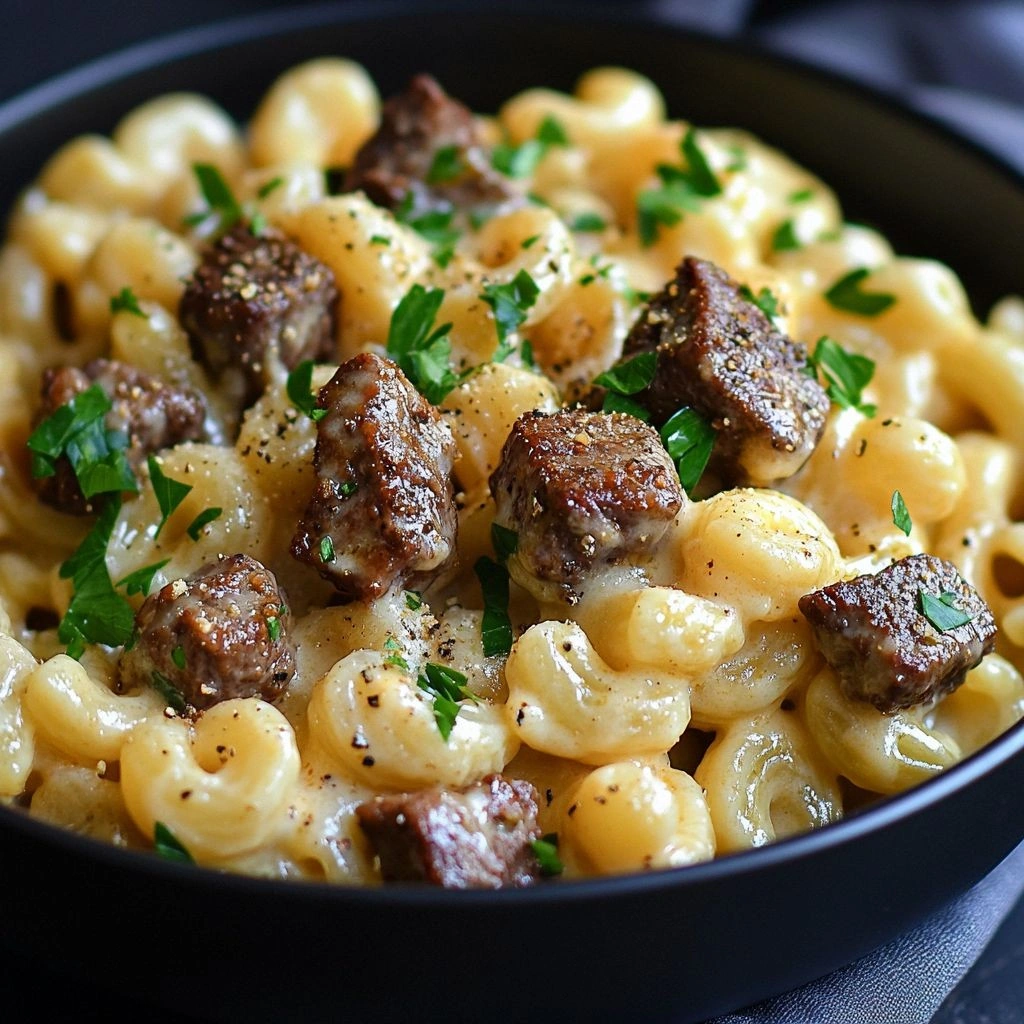
Picture this: you’re standing in your kitchen, the stove humming like a contented cat, and the fridge is an open book of culinary possibilities. You’ve just pulled a bag of protein‑rich pasta, a block of cheddar, a splash of Greek yogurt, and a whole steak, and the scent of ambition is already swirling around the room. The moment you flip the skillet, a sizzling chorus erupts, and you know you’re about to rewrite the comfort‑food rulebook. I’ve been chasing that “next‑level” mac and cheese for months, and when I finally mixed protein pasta, creamy cheeses, and seared steak bites, the result was a dish that practically sings in your mouth.
Let me tell you, the first bite was a revelation. The sauce clung to each noodle like a velvet blanket, and the steak added a savory punch that made the whole plate feel like a symphony. I was halfway through when I realized I’d forgotten to season the pasta water – a tiny oversight that could have turned this into a bland affair. Luckily, the extra salt in the sauce saved the day, and the dish emerged with a depth that made my taste buds do a happy dance.
What makes this version stand out isn’t just the protein boost; it’s the texture, the flavor layering, and the sheer audacity of combining a traditional comfort dish with a steak‑centered protein punch. Think of it as a mac and cheese that’s not just a side, but a headline act. The cheese sauce is thick, yet silky, and the breadcrumb crust gives a satisfying crunch that shatters like thin ice when you bite in. I dare you to taste this and not go back for seconds.
By the end of this post, you’ll have the confidence to make a mac and cheese that’s as impressive at a dinner party as it is comforting on a rainy night. I’ll walk you through every single step, from the first sear of steak to the final golden crust. Trust me, you’ll wonder how you ever made it any other way. So grab your apron, and let’s get cooking.
What Makes This Version Stand Out
- Flavor: The sauce marries sharp cheddar, creamy mozzarella, and a dash of Greek yogurt for a balanced richness that’s lower in calories but higher in taste.
- Texture: A crunchy breadcrumb topping contrasts with the silky pasta, creating a delightful mouthfeel that keeps you coming back.
- Protein Power: Protein pasta, Greek yogurt, and steak cubes give a double protein hit, making this dish a muscle‑friendly favorite.
- Ease: A single skillet for searing and sauce reduces cleanup, while the oven finish is a hands‑off affair.
- Versatility: Swap the steak for ground turkey or keep it vegetarian with extra veggies, and the dish stays delicious.
- Make‑ahead Friendly: The baked version can be prepared ahead, refrigerated, and reheated without losing its charm.
- Visual Appeal: The golden breadcrumb crust and bright herbs give a restaurant‑style look that’s Instagram‑ready.
- Time: With a prep of 15 minutes and cook time of 30, you’re looking at a 45‑minute meal that feels luxurious.
Alright, let’s break down exactly what goes into this masterpiece…
Inside the Ingredient List
The Flavor Base
At the heart of any great mac and cheese is a sauce that’s both creamy and flavorful. The combination of Greek yogurt and sharp cheddar creates a tangy depth that cuts through the richness of the milk. Adding a splash of smoked paprika infuses the dish with a subtle smokiness, turning ordinary noodles into a gourmet experience. Skipping the yogurt might make the sauce thicker, but you’ll lose that bright, slightly acidic note that keeps the flavors bright.
Choosing high‑quality cheddar is essential; a sharp, aged cheddar will melt beautifully and provide a robust flavor that stands up to the steak. If you can’t find it, a blend of sharp cheddar and mozzarella works well, but you’ll need to tweak the ratios to avoid a bland outcome. For those on a dairy‑free diet, a coconut‑based cheese alternative can be a suitable substitute, though the texture will differ slightly.
The Texture Crew
Protein pasta is the unsung hero that gives the dish a hearty bite without the carb overload of traditional wheat. Chickpea or lentil pasta not only boosts protein but also adds a subtle nutty flavor that pairs nicely with the cheese. If you’re using regular pasta, just remember to keep the cooking time slightly shorter to avoid a mushy finish.
Breadcrumbs, especially panko, are the secret to that coveted golden crust. They absorb the sauce and crisp up in the oven, creating a crunchy layer that’s impossible to resist. If you’re looking for a low‑carb option, crushed almond flour or crushed pork rinds can replace breadcrumbs while keeping the crunch.
The Unexpected Star
Steak bites are the game‑changer that elevates this dish from comfort to celebration. Searing the steak with garlic powder and smoked paprika locks in juices and adds a smoky depth that balances the creamy sauce. The steak’s protein content also makes the meal more filling, which is a win for anyone on a fitness regimen.
For a vegetarian twist, substitute the steak with grilled portobello mushrooms or tofu cubes. The key is to sear them until they develop a caramelized exterior, providing a similar savory bite without the meat.
The Final Flourish
Fresh herbs like parsley, basil, and scallions add a bright, aromatic finish that lifts the dish. They also introduce a burst of color that makes the plate visually appealing. If you’re not a fan of herbs, a sprinkle of dried oregano or thyme will still impart a lovely aroma.
Everything’s prepped? Good. Let’s get into the real action…
The Method — Step by Step
- Step 1: Preheat your oven to 375°F (190°C). In a large pot, bring salted water to a rolling boil and add the protein pasta. Cook until al dente, about 8 minutes, then drain and set aside. The pasta should still have a slight bite, as it will soften further in the sauce. While the pasta cooks, you’re about to start a flavor explosion with the steak.
- Step 2: In a skillet over medium‑high heat, drizzle the olive oil. Toss the steak cubes, season with salt, pepper, garlic powder, and smoked paprika, and sear until all sides are browned and the center remains pink, about 4–5 minutes. The sear locks in juices and creates a caramelized crust that adds depth to the sauce. Once done, remove the steak and set it aside; the skillet’s residual oil will carry flavor into the sauce.
- Step 3: In the same skillet, melt the butter over medium heat. Sprinkle the flour over the butter and stir constantly for 1 minute to form a roux. The mixture should turn a golden hue but not brown. This step thickens the sauce and eliminates the raw flour taste that can linger if rushed.
- Step 4: Gradually whisk in the milk, stirring until the mixture is smooth and free of lumps. Allow the sauce to thicken into a creamy white sauce, about 3–4 minutes. The sauce should coat the back of a spoon and have a silky sheen. Keep the heat low to prevent scorching, and stir frequently to maintain a velvety texture.
- Step 5: Reduce heat to low and add the Greek yogurt, shredded cheddar, mozzarella, and parmesan. Stir until the cheeses melt and the sauce becomes velvety. Taste and adjust seasoning with extra salt or pepper if needed. The sauce should feel rich yet not overly heavy, and the cheeses should be fully incorporated.
- Step 6: Fold in the cooked pasta, ensuring every noodle is coated. Add the seared steak bites, gently tossing to distribute. Sprinkle chopped scallions and basil, stirring briefly for freshness. The dish should look glossy, and the steak should be evenly dispersed throughout.
- Step 7: Transfer the mac and cheese mixture to a 9x13-inch baking dish. Sprinkle breadcrumbs evenly over the top. This will give a crunchy, golden crust when baked. Press the breadcrumbs lightly into the sauce to ensure they adhere and crisp up beautifully.
- Step 8: Bake in the preheated oven for 15–20 minutes, or until the top is golden brown and the edges are bubbling. The aroma will fill your kitchen, making it impossible to resist. Watch carefully; the crust can burn quickly, so keep a close eye on the golden color.
- Step 9: Remove from oven and let rest for 5 minutes. This resting period allows the sauce to set slightly, making it easier to serve. The rest also lets the flavors meld, creating a more cohesive taste profile.
- Step 10: Serve hot, garnished with fresh parsley. Pair with a crisp salad or steamed veggies for a balanced meal. Enjoy the melt‑in‑your‑mouth texture and the protein‑packed punch that keeps you full. The dish is ready to wow your guests or satisfy your own cravings.
That's it — you did it. But hold on, I've got a few more tricks that'll take this to another level…
Insider Tricks for Flawless Results
The Temperature Rule Nobody Follows
Many cooks let the sauce boil to a rapid simmer, which can cause the cheese to seize and the texture to become rubbery. Instead, keep the heat low once the milk is added. This slow, steady thickening ensures a silky sauce that clings to the pasta without clumping. I tried a high‑heat approach once, and the result was a lumpy mess that left me craving the original method.
Why Your Nose Knows Best
When the sauce is ready, it should emit a buttery, cheesy aroma that lingers in the air. If you don’t smell that, the sauce is either under‑cooked or over‑heated. A quick sniff test can save you from a bland plate. I’ve learned that a good nose is a better judge than a timer when it comes to cheese sauce.
The 5‑Minute Rest That Changes Everything
Letting the baked mac rest for exactly five minutes before serving allows the cheese to set into a cohesive, creamy layer. Skipping this step often leads to a runny bottom that clings to the plate. A short rest also lets the breadcrumb crust firm up, ensuring each bite has that satisfying crunch.
Keep the Pasta Al Dente
Because the pasta will continue cooking in the sauce, it’s essential to keep it al dente when you drain it. Overcooked noodles become mushy and can’t hold the sauce’s richness. I always taste a noodle before draining; if it’s still firm, you’re good to go.
Use a Meat Thermometer for Steak
To avoid overcooking the steak and losing its juicy interior, use a meat thermometer. Aim for an internal temperature of 135°F (57°C) for medium‑rare. This ensures the steak stays tender and flavorful, and the protein punch stays potent.
Creative Twists and Variations
This recipe is a playground. Here are some of my favorite ways to switch things up:
Vegan Version
Swap the Greek yogurt for cashew cream and the cheddar for a plant‑based cheese blend. Use tofu cubes instead of steak, seasoned with smoked paprika and garlic powder. The result is a creamy, protein‑rich dish that’s completely dairy‑free.
Spicy Kick
Add a tablespoon of chipotle mayo to the sauce before baking. The smoky heat pairs beautifully with the cheese, and the breadcrumb crust adds a contrasting texture. This version is perfect for those who love a bit of fire in their comfort food.
Low‑Carb Option
Replace protein pasta with spiralized zucchini or shirataki noodles. Use almond flour breadcrumbs or crushed pork rinds for the crust. This keeps the dish light while still delivering a satisfying, protein‑packed experience.
Breakfast Edition
Serve the mac and cheese with a side of scrambled eggs and a drizzle of hot sauce. Add a handful of spinach for extra greens. This transforms the dish into a hearty, protein‑dense breakfast that fuels you for the day.
Holiday Twist
Incorporate roasted butternut squash into the sauce and sprinkle pumpkin seeds on top before baking. The sweet, earthy flavor pairs with the creamy cheese for a festive, comforting dish.
Storing and Bringing It Back to Life
Fridge Storage
Store leftovers in an airtight container for up to 3 days. Keep the crust on top to preserve its crunch. When you’re ready to eat, reheat in the oven at 350°F (175°C) for 10 minutes.
Freezer Friendly
Freeze in a freezer‑safe container for up to 2 months. Thaw overnight in the refrigerator before reheating. Add a splash of milk or broth when reheating to restore moisture.
Best Reheating Method
Reheat in a skillet over medium heat, stirring occasionally until hot. Add a teaspoon of water or broth to keep the sauce from drying out. Finish with a sprinkle of fresh herbs for a fresh finish.