What Makes This Version Stand Out
- Protein Power: With 25 grams of protein per serving, this dish is a muscle‑friendly delight that keeps you full longer.
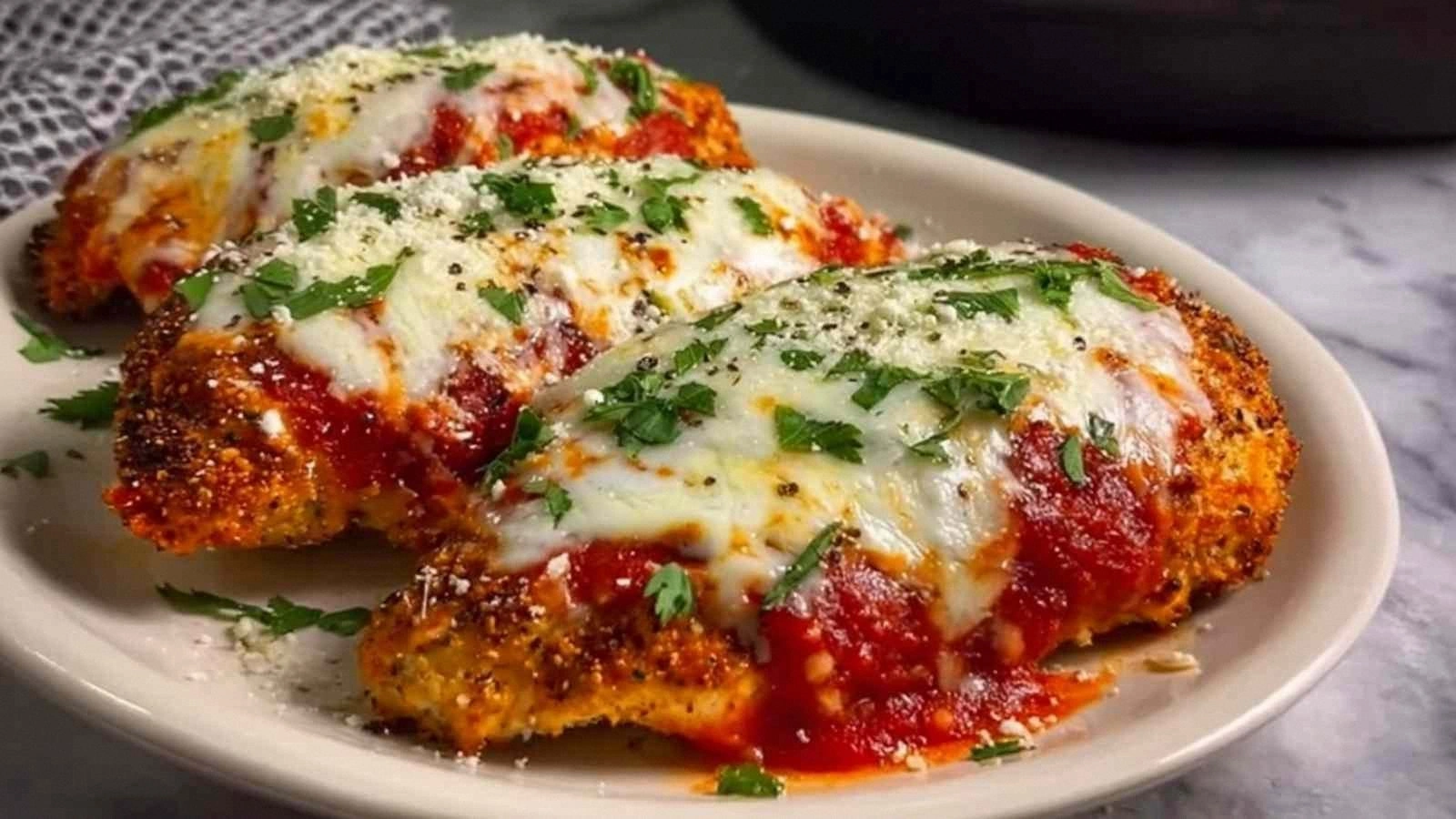
- Crisp Perfection: The bread crumb coating is light and airy, achieving a crunch that shatters like thin ice without a greasy coating.
- Flavor Depth: The combination of cottage cheese and Parmigiano Reggiano creates a creamy, tangy layer that elevates the marinara’s acidity.
- Simple Prep: No complicated marinating; a quick seasoning and a few minutes in the pan is all you need.
- Make‑Ahead Friendly: Assemble the dish a day early, refrigerate, and bake right before serving.
- Kid‑Approved: The familiar taste of cheese and tomato makes it a hit with the little ones.
- Versatile Base: Swap the marinara for pesto or a spicy arrabbiata for a new flavor profile.
- Low Carb: The bread crumbs are made from almond flour, keeping carbs low without sacrificing taste.
Alright, let's break down exactly what goes into this masterpiece...
Inside the Ingredient List
The Flavor Base
The marinara sauce is the heart of this dish. It’s the liquid that marries the protein and cheese, delivering a tomato richness that coats the chicken like velvet. A low‑sodium version keeps the salt level in check while letting the natural sweetness of the tomatoes shine. If you’re watching your sodium, look for a brand with no added salt or make your own from scratch with fresh tomatoes and herbs.
The cottage cheese brings a mild tang and a creamy texture that balances the sharpness of the Parmigiano Reggiano. It also adds a subtle protein boost without the heaviness of cream. If you can’t find cottage cheese, Greek yogurt works as a one‑to‑one substitute, though it will be slightly tangier.
The dried oregano and red chili flakes are the secret spices that lift the dish from ordinary to extraordinary. Oregano adds earthiness, while chili flakes introduce a gentle heat that wakes up the palate. A pinch of each is enough; too much can overpower the delicate flavors.
The Texture Crew
The chicken breast is the main protein source. Choosing boneless, skinless breasts ensures a lean cut that stays juicy when cooked properly. If you prefer a bit of fat for extra moisture, consider using thighs, but adjust the cooking time to avoid overcooking.
Olive oil is used only to coat the pan and the chicken, preventing sticking and adding a subtle fruity note. A single teaspoon is all you need; more oil will make the dish greasy and dilute the flavors.
Salt, pepper, and garlic powder are the classic seasoning trio that brings depth to every bite. Season the chicken on both sides before breading to lock in moisture and flavor. Be generous with the garlic powder; it’s the invisible hero that gives the coating a savory kick.
The Unexpected Star
The Parmigiano Reggiano is the star of the show. Its nutty, salty profile creates a rich, melt‑in‑your-mouth experience that elevates the entire dish. Grate it finely so it melts evenly and doesn’t leave clumps that could ruin the texture.
If you’re on a dairy‑free diet, try a vegan Parmesan alternative. While the flavor won’t be identical, it will still provide a savory crust and a creamy coating.
The Final Flourish
The bread crumbs are the crispy outer layer that gives the chicken its signature crunch. Using almond flour breadcrumbs keeps carbs low while adding a subtle nutty undertone. If you can’t find almond flour breadcrumbs, regular panko works, but expect a slightly lighter crunch.
The final flourish is the fresh basil that you scatter over the top after baking. Basil adds a bright, aromatic finish that contrasts beautifully with the rich cheese and tomato sauce.
Everything's prepped? Good. Let's get into the real action...
The Method — Step by Step
- First, preheat your oven to 375°F (190°C). Line a baking sheet with parchment paper or a silicone mat to prevent sticking. This preheat is critical; a properly heated oven ensures the chicken cooks evenly and the cheese melts into a golden crust.
- While the oven heats, season the chicken breasts on both sides with salt, pepper, and garlic powder. Pat them dry with a paper towel to ensure the coating sticks. The seasoning should smell like a savory promise; if it doesn’t, you’ll know something’s off.
- Dip each breast into the olive oil, letting excess drip back into the bowl. Then coat each breast with the almond flour breadcrumbs, pressing gently to ensure an even layer. The breadcrumbs should feel slightly tacky—this is where the crunch is born.
- Heat a large skillet over medium heat. Once hot, place the breaded chicken in the pan. Let it sear for 3–4 minutes on each side until a golden crust forms. The sizzle should be audible, a cue that the coating is crisping properly.
- Transfer the seared chicken to the prepared baking sheet. Spoon a generous layer of marinara sauce over each breast, ensuring the sauce covers the entire surface. This layer locks in moisture and creates a base for the cheese.
- Spread a thin layer of cottage cheese over the marinara. The cottage cheese should look like a creamy blanket, not a thick layer. It will melt into the sauce, adding a silky texture.
- Sprinkle grated Parmigiano Reggiano over the cottage cheese. The cheese should melt into a golden, bubbly surface. Sprinkle dried oregano and red chili flakes for a subtle herbal and spicy note.
- Bake in the preheated oven for 15–18 minutes, or until the internal temperature reaches 165°F (74°C). The top should be bubbling, the cheese golden, and the edges slightly pulling away from the pan.
- Remove from the oven and let the chicken rest for 5 minutes. This rest allows the juices to redistribute, ensuring each bite is juicy.
- Garnish with fresh basil leaves before serving. The basil adds a burst of freshness that balances the richness of the cheese and sauce. Plate immediately and enjoy while the cheese is still melty.
That's it — you did it. But hold on, I've got a few more tricks that'll take this to another level...
Insider Tricks for Flawless Results
The Temperature Rule Nobody Follows
Many chefs think a high oven temperature is the key to a crispy chicken, but it actually burns the exterior before the interior cooks. I always bake at 375°F, which allows the cheese to melt evenly and the chicken to stay juicy. A lower temperature also reduces the risk of the breadcrumbs drying out.
Why Your Nose Knows Best
Trust your nose to tell you when the sauce is ready. A sweet, tomatoy aroma signals that the marinara has reduced enough to coat the chicken without becoming watery. If the smell is too acidic, let it simmer a bit longer.
The 5-Minute Rest That Changes Everything
Resting the chicken after baking lets the juices redistribute, preventing a dry bite. A quick 5‑minute pause also gives the cheese a moment to set, making it easier to slice and serve. Think of it as a brief meditation for your dish.
The Quick Flip Technique
When searing, use a long‑tipped tongs to flip the chicken gently. This reduces the risk of breaking the breadcrumb crust and keeps the coating intact. The result is a uniform, golden exterior.
The Secret Ingredient Swap
If you’re craving a different flavor, swap the marinara for a spicy arrabbiata sauce. The heat will complement the chili flakes and give the dish a fiery kick. Just remember to adjust the amount of red chili flakes to avoid an overly hot finish.
Creative Twists and Variations
This recipe is a playground. Here are some of my favorite ways to switch things up:
Mediterranean Melt
Swap the marinara for a roasted red pepper sauce and add kalamata olives for a briny contrast. This variation brings a smoky depth that pairs beautifully with the cottage cheese.
Spicy Cajun Kick
Infuse the breadcrumb coating with Cajun seasoning and use a Cajun‑spiced marinara. The result is a dish that’s both creamy and fiery, perfect for those who love a punch.
Herb Garden Delight
Add chopped parsley, thyme, and rosemary to the breadcrumb mixture. The herbs infuse the chicken with a fresh, aromatic flavor that elevates the classic taste.
Cheese Lover’s Dream
Layer the chicken with provolone or mozzarella before adding the marinara and cottage cheese. The extra cheese creates a gooey, melty center that’s irresistible.
Low‑Carb Twist
Use coconut flour breadcrumbs and serve over cauliflower rice or zucchini noodles. This version keeps the protein high while cutting carbs dramatically.
Vegan Version
Replace the chicken with portobello mushrooms, use a vegan marinara, and top with dairy‑free cheese. The earthy mushroom flavor complements the tomato sauce perfectly.
Storing and Bringing It Back to Life
Fridge Storage
Store the assembled chicken parm in a shallow airtight container in the refrigerator for up to 3 days. Keep the baking sheet covered with foil to prevent the crumbs from drying out. When you’re ready to reheat, preheat the oven to 350°F and bake for 10 minutes.
Freezer Friendly
Wrap each chicken breast individually in parchment paper and place in a freezer bag. Freeze for up to 2 months. When ready to bake, thaw overnight in the refrigerator, then bake as directed. Freezing preserves the texture and flavor.
Best Reheating Method
Add a tiny splash of water or broth before reheating to create steam, which keeps the chicken moist. Reheat in the oven at 350°F for 8–10 minutes or until the cheese is bubbly again. The steam trick ensures the dish doesn’t dry out.