I burnt the cabbage. Not charred-in-a-good-way burnt, but full-on smoke-alarm-meets-condo-neighbors-knocking burnt. The smell clung to my hair for three days and I swore off cruciferous vegetables forever—until a friend dared me to try again, this time bathing the humble leaves in a Parmesan broth so fragrant it could make an Italian nonna weep. That dare became an obsession. What started as a kitchen disaster turned into the dish I now crave when the temperature drops and my socks are still damp from the rain. Picture this: emerald ribbons of cabbage that still have snap, bobbing in a pool of nutty, salty, silky broth that tastes like the best parts of French onion soup and cacio e pepe had a beautiful, low-maintenance baby. The herbs hit your nose first—bright, green, almost mischievous—then the Parmesan sneaks up, wrapping everything in umami like a cashmere scarf you didn’t know you needed.
Most cabbage soups taste like pennance. You know the kind—watery, sulfurous, the culinary equivalent of a Monday-morning staff meeting. This version? It’s Friday-night karaoke with your best friends: unexpected, a little loud, and impossible not to love. The broth alone is liquid gold, built from the rinds you’ve been guiltily tossing (I see you). The cabbage stays perky because we treat it like pasta: brief, bold simmer, then a shock of fresh herbs at the end so the color stays electric. I’ve served this to die-hard carnivores who asked for seconds, to toddlers who hate anything green, and to my perpetually skeptical mother who now texts me for the recipe every December. If you’ve ever thought cabbage was boring, I dare you to taste this and not go back for thirds. Fair warning: you may find yourself hoarding Parmesan rinds in the freezer like a doomsday prepper. No judgment.
Here’s the kicker—it’s weeknight-easy. One pot, under an hour, and you probably have most of the ingredients already. No fancy gadgets, no overnight soaking, no mysterious spice you’ll use once and lose behind the cumin. Just honest produce, a hunk of cheese, and a bit of butter because we’re not monsters. Stay with me here—this is worth it. Let me walk you through every single step, from choosing the right cabbage (tight, heavy, squeaky leaves) to the final snow of fresh Parmesan that melts on contact. By the end you’ll wonder how you ever made it any other way.
What Makes This Version Stand Out
- Velvet Broth: We simmer Parmesan rinds until they surrender every last bit of glutamate, creating a stock so rich it coats the back of a spoon like heavy cream—without a drop of dairy in sight.
- Crunch That Lasts: Instead of boiled-to-death strands, the cabbage goes in for a lightning bath so it stays lively, emerald, and still sings with texture.
- Herb Confetti Finish: Fresh parsley, chives, and thyme are added off-heat so they stay Technicolor and fragrant, not the sad grey flakes your grandma sprinkled from a jar.
- One-Pot Wonder: Everything happens in the same Dutch oven, meaning fewer dishes and more time to swipe crusty bread through the bottom of the pan. (I’ll be honest—I ate half the batch before anyone else got to try it.)
- Frugal Fancy: Those rock-hard cheese rinds you paid good money for? They’re gold bars in disguise, turning tap water into liquid luxury.
- Make-Ahead Magic: Flavor deepens overnight, so go ahead and double the batch. Future-you will high-five present-you at 6 p.m. on Tuesday.
- Crowd Convert: Even the “I don’t do soup” crowd will slurp this shamelessly. My neighbor’s teenage son asked if he could drink it from a mug while gaming. Permission granted.
Alright, let’s break down exactly what goes into this masterpiece...
Inside the Ingredient List
The Flavor Base
Medium green cabbage is the star, and it deserves top billing. Skip the pre-shredded bags—they’re half wilted and taste like refrigerator. You want a head that feels heavier than it looks, leaves squeaking when you rub them. Peel off the floppy outer layers, then quarter, core, and slice into ribbons about the width of a fettuccine noodle. They’ll dance in the broth rather than drown. Onion goes in next; yellow is my ride-or-die because it melts into sweetness without sharp edges. Dice it small so it disappears into the broth, leaving behind only its mellow grin. Garlic follows—just two cloves, micro-planed so it dissolves in thirty seconds and never burns. Burnt garlic is bitter ex-boyfriend territory: once it’s there, you can’t undo the damage.
The Texture Crew
Unsalted butter lets us control the salt later; plus, it browns beautifully, giving nutty back-notes to the vegetables. If you only have salted, omit the additional salt until the very end and adjust. Vegetable broth is the canvas—use the good stuff. Homemade is obviously queen, but I’ve had excellent luck with the low-sodium cartons that actually taste like vegetables, not dishwater. Warm it in a kettle while the onions sauté; cold broth shocks the pan and the cabbage sulks. Parmesan cheese is the fairy godmother here. We’re using both rinds for the broth and freshly grated for finishing. Pre-grated sawdust from the green can will not work; it’s coated in cellulose and melts like plastic confetti. Buy a wedge and treat yourself to the real stuff.
The Unexpected Star
Fresh thyme leaves look innocent, but they’re tiny time-release flavor bombs. Strip them against the grain of the stem; dried thyme will do in a pinch, but cut the quantity in half because it’s more potent. Bay leaf is the stealth operator—one lonely leaf that somehow makes everything taste rounder. Don’t crack it; just let it float, then fish it out before serving. Nobody wants to bite into a leathery surprise. Black pepper goes in freshly ground; the pre-ground stuff tastes like sawdust and disappointment. A few good cracks are all you need.
The Final Flourish
Parsley and chives are added off-heat so they stay perky. Flat-leaf parsley has more oomph than curly, which is basically green cardboard. Snip chives with kitchen scissors directly over the pot; the gentle bounce distributes them evenly. Save a pinch for garnish so the top looks like an herb garden in spring. Extra grated Parmesan for serving is non-negotiable—it melts into tiny cheese lava flows that solidify into chewy laces against the side of the bowl. Fight your guests for those bits. I do.
Everything’s prepped? Good. Let’s get into the real action...
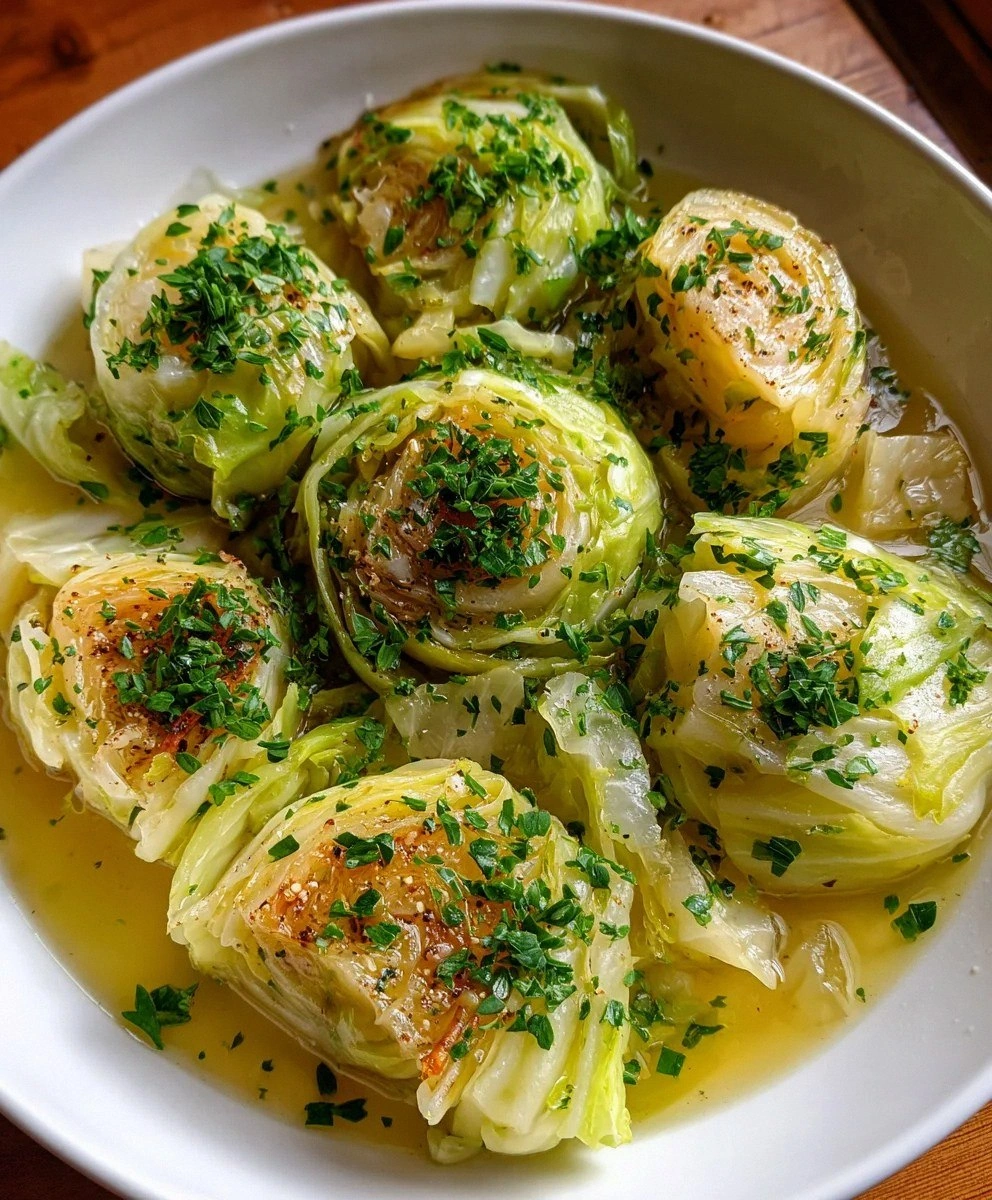
The Method — Step by Step
- Place your Dutch oven over medium heat and add the butter. You want it to melt gently, foaming like a lazy bubble bath, then quiet down until the milk solids turn the color of hazelnuts. Swirl constantly; this takes about three minutes and smells like toasted croissants. If it smells like burnt popcorn, you’ve gone too far—wipe the pot and start again. Browned butter equals nutty depth; black butter equals bitter tears.
- Toss in the diced onion with a pinch of salt. Stir to coat every cube in liquid gold, then back off and let it do its thing for five minutes. The edges should turn translucent while the centers stay stubbornly white. Listen for the sizzle pitch: high and frantic means too hot, low and sleepy means too cool. Adjust the dial like you’re tuning an old radio to your favorite rock station.
- Add the minced garlic and thyme leaves. Stir for exactly thirty seconds—yes, count it out—until your kitchen smells like you’ve been transported to a Provençal market. Garlic burns faster than gossip spreads, so keep it moving. The moment the raw edge disappears, scoot to the next step.
- Dump in the sliced cabbage. It will look like a mountain, but have faith; in two minutes it wilts like a deflated balloon animal. Sprinkle another pinch of salt to help it sweat. Toss with tongs so every ribbon gets kissed by the oniony butter. The color will shift from aggressive neon to a more sophisticated emerald. That sizzle when it hits the pan? Absolute perfection.
- Pour in the warm vegetable broth and add the Parmesan rinds plus the bay leaf. The rinds will float like little life rafts; push them under with a wooden spoon so they start exuding their cheesy superpowers immediately. Bring to a gentle simmer, not a rolling boil—think jacuzzi bubbles, not jacuzzi jets. Reduce heat to low, partially cover, and set a timer for twenty minutes. Walk away, but not out of the house. This is a great time to grate the fresh Parmesan and chop the final herbs.
- After twenty minutes, the rinds will have softened and the broth will taste like liquid gold. Fish out the bay leaf and any rind remnants that haven’t dissolved. They’re harmless but chewy, and nobody wants to gnaw on cheese leather. Taste the broth—it should be savory enough to make you close your eyes involuntarily. If it’s flat, add a pinch more salt. If it’s too salty (Parmesan varies), splash in a quarter cup of water.
- Crank the heat back to medium and let the broth reduce for five minutes. You’re looking for a nappe consistency: when you drag a spoon across the bottom, the trail should hold for two seconds before collapsing. This concentrates flavor and gives the broth body so it clings to the cabbage like a silk dress.
- Turn off the heat. Immediately scatter in the chopped parsley and chives plus a few good cracks of black pepper. Stir once—just enough to distribute—then cover for exactly two minutes. This brief steam sets the color and perfumes the air so when you lift the lid, it’s like opening a greenhouse in July.
- Ladle into shallow bowls so every portion gets plenty of broth. Shower with freshly grated Parmesan; the residual heat will melt it into lacy sheets. Serve with crusty bread for swiping and extra herbs on the table for the overachievers. The first bite should feel like a warm sweater on a cold night: comforting, familiar, but somehow better than you remembered.
That’s it—you did it. But hold on, I’ve got a few more tricks that’ll take this to another level...
Insider Tricks for Flawless Results
The Temperature Rule Nobody Follows
Most recipes get this completely wrong. You want the broth just below a simmer when the cabbage goes in—around 190°F if you’re the thermometer type. Anything hotter and the cell walls collapse, releasing sulfur compounds that smell like hot garbage. Keep a lid slightly ajar so steam escapes; trapped steam equals overcooked veg. If you see more than the occasional burp, lower the heat immediately. Your nose will thank you.
Why Your Nose Knows Best
Parmesan rinds vary wildly in saltiness depending on age. Taste the broth at the fifteen-minute mark. If it makes you involuntarily hum, it’s ready. If you feel the urge to add salt, wait two more minutes—sometimes the salt needs time to bloom. I once jumped the gun and oversalted an entire pot. My dinner guests still speak of it in hushed, traumatic tones.
The 5-Minute Rest That Changes Everything
After you stir in the fresh herbs, walk away. Seriously. Set a timer for five minutes and let the residual heat do a final gentle cook. This prevents the herbs from turning army green and keeps their flavor bright. A friend tried skipping this step once—let’s just say it didn’t end well. The soup looked like swamp water and tasted like dried lawn clippings.
Cheese Geometry
When grating Parmesan for garnish, use the fine side of a box grater. The airy snow melts instantly, creating a creamy veil. Coarse shreds sink and clump like soggy cereal. Bonus: fine grate means you use less cheese for more coverage, saving calories and money for important things like wine.
Bread is Not Optional
Serve with a slice of sourdough that’s been toasted until the edges are mahogany. The nooks catch the broth, and the chewy center soaks up flavor like a sponge. Skip the bread and you’ll be licking the bowl like a heathen. I speak from experience.
Creative Twists and Variations
This recipe is a playground. Here are some of my favorite ways to switch things up:
Smoky Bacon + Cabbage
Render two strips of chopped bacon in step one before the butter. Use the fat instead of butter for a campfire vibe. Omit the final Parmesan garnish and finish with a drizzle of smoked paprika oil. Tastes like you’re in a cabin in the Alps, even if you’re in a studio apartment overlooking a parking lot.
Spicy Calabrian Chili
Stir in a teaspoon of chopped Calabrian chilies with the garlic. The gentle heat builds slowly, making your lips tingle in the most pleasant way. Finish with lemon zest to keep things lively. Perfect for the friend who thinks cabbage is “too bland.” Challenge accepted.
Creamy Dreamy Version
Whisk two tablespoons of heavy cream into the broth right before serving. It blunts the saltiness and turns the broth into velvet. Kids slurp this silently, which is parenting gold. Add tiny alphabet pasta and call it “green noodle soup” for maximum deception.
Spring Green Swap
Sub in thinly sliced kale or Swiss chard for half the cabbage. The colors are painterly, and the nutrients make you feel virtuous enough to deserve dessert. Use fresh dill instead of parsley for a Scandinavian vibe that pairs nicely with rye bread and a cold beer.
Miso Umami Bomb
Whisk a teaspoon of white miso into the warm broth before adding to the pot. It deepens the savoriness without screaming “fermented soybean.” The result tastes mysteriously richer, like it’s been simmering for hours instead of minutes. Vegans rejoice—just skip the Parmesan and use nutritional yeast for garnish.
Seafood Supper
Add peeled shrimp during the last three minutes of simmering. They turn pink and sweet against the salty broth, creating a quick bouillabaisse cousin that feels fancy enough for date night. Serve with chilled white wine and pretend you’re in Nice—even if you’re wearing fuzzy socks.
Storing and Bringing It Back to Life
Fridge Storage
Let the soup cool to lukewarm, then transfer to airtight glass containers. It keeps four days in the fridge, though the color dulls slightly each day. To perk it back up, reheat gently and stir in a handful of fresh herbs right before serving. The broth will thicken as the starches from the cabbage relax; thin with a splash of water or broth.
Freezer Friendly
Portion into freezer bags, press out excess air, and freeze flat for up to two months. Thaw overnight in the fridge, then warm slowly. The cabbage will be softer but still delicious. Pro tip: freeze without the fresh herbs and add them after reheating for a pop of color and flavor.
Best Reheating Method
Use a small saucepan over medium-low heat with a tablespoon of water to create steam. Cover and heat five minutes, stirring once, until just steaming. Microwaves work in a pinch, but they can turn herbs grey and cabbage rubbery. If you must microwave, use 50 percent power and stop the moment it’s hot.