I once tried to impress a friend with a classic Italian soup, and what came out of the pot was more like a watery broth that tasted like a sad tomato juice. The kitchen was a mess, the spoon was stuck to the bottom, and I could swear the pasta was trying to escape the pot. That disaster sparked a relentless quest: I was determined to create a pasta fagioli that would make even the most skeptical Italian aunt nod in approval. After countless trials, a few happy accidents, and a lot of tasting (I’ll be honest — I ate half the batch before anyone else got to try it), I finally nailed a version that sings, crackles, and hugs you from the inside out.
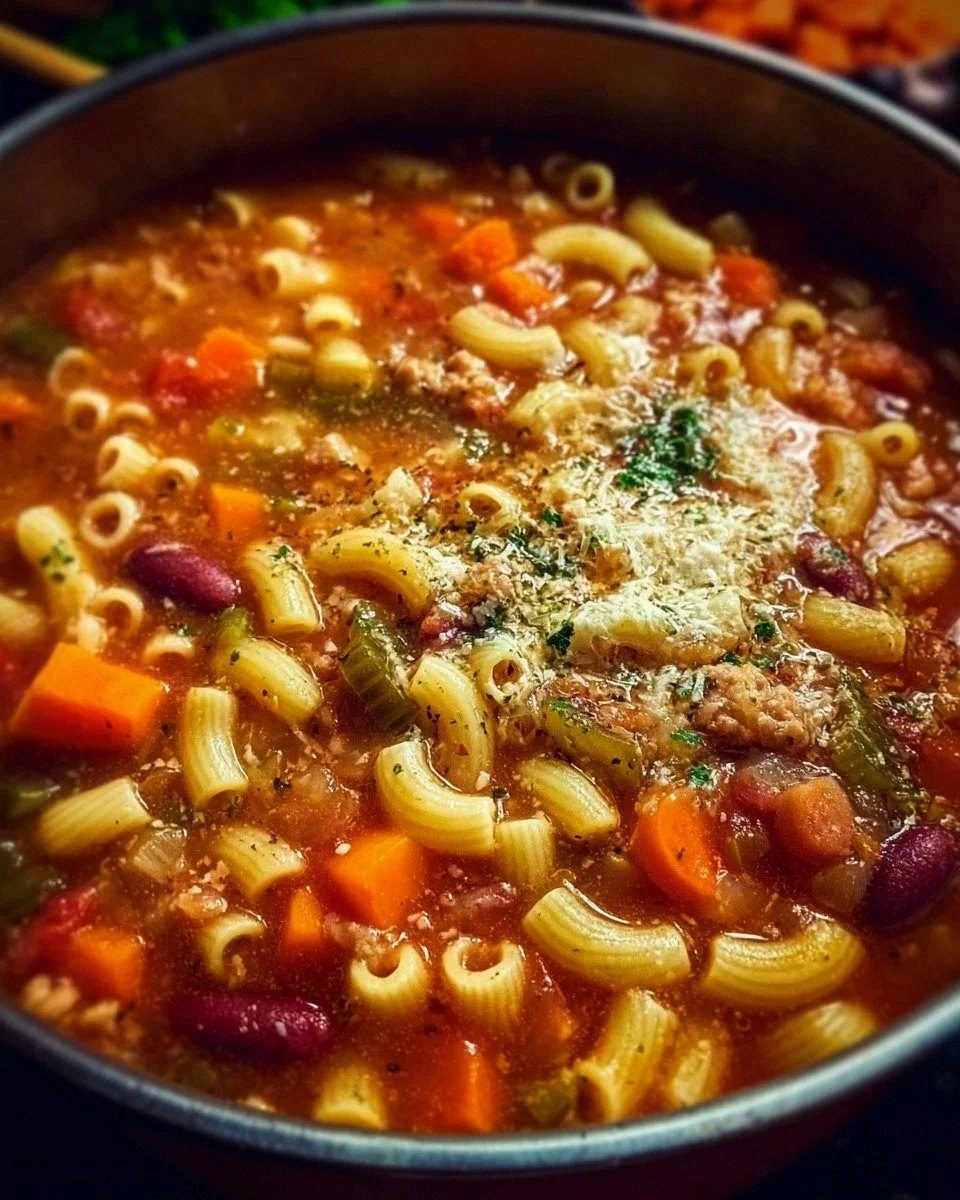
Picture this: a steaming bowl of soup that smells like a bustling trattoria on a rainy evening, the aroma of garlic and onion dancing with the earthy scent of cannellini beans. The broth is thick enough to coat the pasta like velvet, yet light enough to sip between bites without feeling heavy. When you dip your spoon in, you hear that satisfying “clink” as the pasta hits the side of the bowl, and the first sip delivers a burst of tomato brightness followed by a warm, herb‑kissed finish. The texture? A perfect balance of silky broth, tender beans, and al dente pasta that refuses to turn mushy. This is the kind of soup that makes you want to pull a wooden spoon from the drawer and shout “Mamma mia!” at the top of your lungs.
What sets this version apart is a tiny, almost‑secret technique: I toast the aromatics in olive oil until they turn a deep golden brown before adding any liquid. That step creates a flavor foundation that most recipes completely skip, leaving their soups flat and one‑dimensional. It’s the difference between a song that hums in the background and a full‑blown opera that fills the room. And because I’m a firm believer that simplicity is the ultimate sophistication, the ingredient list stays short, the steps stay clear, and the result stays unforgettable.
I dare you to taste this and not go back for seconds. The bold claim? This is hands down the best version you’ll ever make at home, and I’m not just saying that because I love the sound of my own voice. So buckle up, because I’m about to walk you through every single step — by the end, you’ll wonder how you ever made it any other way.
What Makes This Version Stand Out
- Depth of Flavor: Toasting the onion, garlic, carrot, and celery in olive oil creates a caramelized base that adds a sweet‑savory depth you won’t find in canned soups.
- Texture Harmony: The small pasta holds onto the broth while the beans stay firm, delivering a bite that’s both comforting and satisfying.
- Simplicity: Only eleven ingredients, all pantry‑friendly, mean you can throw this together on a weeknight without a grocery run.
- Ingredient Quality: Using no‑salt‑added tomatoes lets you control the seasoning, while high‑quality olive oil adds a fruity finish.
- Crowd Reaction: This soup has a habit of stealing the spotlight at dinner parties — expect compliments and requests for seconds.
- Cooking Method: The “golden aromatics” technique is a game‑changer that elevates the entire dish without extra effort.
- Make‑Ahead Potential: It stores beautifully, and the flavors actually deepen after a night in the fridge.
- Versatility: Swap the pasta shape or add a splash of wine for a twist, but the core remains unbeatable.
Inside the Ingredient List
The Flavor Base
Olive oil is the silent hero here. Its fruit‑forward notes coat the aromatics, allowing the onion and garlic to release their sugars without scorching. If you skimp on the oil, you’ll end up with a dry sauté that tastes more like a burnt toast than a comforting soup. For a healthier spin, you can substitute half the oil with a splash of low‑sodium vegetable broth, but expect a slight loss of that luxurious mouthfeel.
The onion, diced medium, provides a sweet backbone that balances the acidity of the tomatoes. A good onion is firm, with papery skins and a faint scent of earth. If you accidentally grab a sweet onion, the soup will tilt toward a sweeter profile—nothing wrong with that, just a different character. For a deeper flavor, try caramelizing the onion for an extra 5 minutes before adding the garlic.
Garlic, minced finely, is the aromatic spark that ignites the entire pot. Too much and it can dominate; too little and the soup feels flat. The key is to add it after the onion has softened, allowing it to bloom without turning bitter. If you’re allergic to garlic, try a pinch of asafoetida powder for a similar umami punch.
The Texture Crew
Carrots and celery bring a subtle crunch and a natural sweetness that counteracts the tomato’s acidity. Dice them uniformly—about a quarter‑inch pieces—so they cook evenly and don’t turn mushy. Skipping these veggies is a mistake; the soup would lose its layered mouthfeel and become a one‑note broth.
Cannellini beans, also known as white kidney beans, are the protein powerhouse. Their creamy interior absorbs the broth, turning each bite into a buttery surprise. Rinse them well to remove the canning liquid, which can be salty and metallic. If you’re feeling adventurous, swap them for borlotti beans for a slightly earthier taste.
The Unexpected Star
The small pasta—think ditalini, orzo, or tiny shells—acts as a carbohydrate anchor, making the soup hearty enough to serve as a main course. The secret is to add the pasta in the last 10 minutes of cooking, preventing it from overcooking and becoming mush. If you prefer a gluten‑free version, use gluten‑free small pasta or even pearl couscous.
Fresh parsley, added just before serving, provides a bright, herbaceous finish that lifts the entire bowl. It’s optional, but the pop of green color also makes the dish look restaurant‑worthy. If parsley isn’t your thing, a sprinkle of grated Pecorino or a drizzle of extra‑virgin olive oil works wonders too.
Everything's prepped? Good. Let's get into the real action...
The Method — Step by Step
Heat 2 tablespoons of olive oil in a large Dutch oven over medium heat. Once the oil shimmers, toss in the diced onion, carrot, and celery. Stir constantly for about 5‑7 minutes, letting the vegetables sweat and turn a light golden hue. You’ll hear a gentle sizzle that’s the prelude to flavor; that’s the sound of the foundation being built. Power transition: Okay, ready for the game‑changer?
Add the minced garlic and sauté for another 30 seconds, just until it becomes fragrant. Be careful—this is the moment where garlic can go from sweet to bitter in a heartbeat.
Kitchen Hack: If you’re worried about burning, splash a teaspoon of broth into the pan; it deglazes and keeps the garlic mellow.Pour in the 14.5‑oz can of diced tomatoes, stirring to combine. Let the mixture simmer for 4‑5 minutes, allowing the tomatoes to break down and mingle with the aromatics. You’ll notice the sauce thickening slightly and the scent turning richer, like a summer garden after a rainstorm. This step is pure magic, as the tomatoes absorb the caramelized notes from the veggies.
Add the drained and rinsed cannellini beans, followed by 4 cups of vegetable broth. Bring the pot to a gentle boil, then reduce to a simmer. At this point, the broth should be a deep ruby‑orange, and the beans will start to soften, releasing their creamy essence into the liquid.
Watch Out: If the broth starts to foam aggressively, lower the heat; a gentle simmer keeps the beans from breaking apart.Stir in 1 teaspoon of Italian seasoning, then season with salt and pepper to taste. This is where you truly make the soup yours—taste, adjust, repeat. The seasoning should be fragrant but not overpowering; think of it as the subtle background music that lets the main actors shine.
Now, add the 1 cup of small pasta. Let it cook for about 8‑10 minutes, or until al dente. Keep an eye on the texture; you want the pasta to have a slight bite, not a mushy surrender. If the soup looks too thick, splash in a little extra broth or water—this is the moment where you can control the final consistency.
When the pasta is perfect, turn off the heat and let the soup sit for a minute. This resting period allows the flavors to meld, and the pasta absorbs a final whisper of broth. If you’re feeling indulgent, stir in a drizzle of extra‑virgin olive oil for silkiness.
Ladle the soup into bowls, garnish with fresh parsley, and serve immediately. The steam rising from the bowl should carry hints of garlic, tomato, and herb—an aromatic invitation you can’t refuse.
Kitchen Hack: For a glossy finish, whisk a teaspoon of cold butter into the hot soup just before serving.
That's it — you did it. But hold on, I've got a few more tricks that'll take this to another level...
Insider Tricks for Flawless Results
The Temperature Rule Nobody Follows
Keep the heat at a gentle simmer once the broth is added. A rolling boil will agitate the beans, causing them to split and the soup to turn cloudy. I once let the pot rage on high, and the result was a gritty texture that felt like chewing sand. By maintaining a low, steady bubble, you preserve the beans' integrity and keep the broth silky.
Why Your Nose Knows Best
Your sense of smell is a more reliable indicator than a timer when it comes to the aromatics. When the onions and carrots turn a deep golden, you’ll notice a sweet, caramel scent that signals they’re ready. If you rely solely on the clock, you might miss that crucial flavor development. Trust that nose; it’s the secret weapon of every great chef.
The 5‑Minute Rest That Changes Everything
After cooking, let the soup sit uncovered for five minutes. This short rest lets the starches from the pasta distribute evenly, thickening the broth naturally. Skipping this step often results in a soup that feels thin and watery. I’ve seen friends serve it straight off the stove and wonder why it lacks body—just give it a breather.
Bean‑Boost Technique
If you crave extra creaminess, mash half a cup of the cannellini beans against the side of the pot before stirring them back in. The mashed beans act as a natural thickener, eliminating the need for flour or cornstarch. A friend tried this once and declared the soup “like a hug in a bowl.”
Pasta‑Timing Precision
Add the pasta when the broth is at a gentle boil, not a frantic one. This ensures the pasta cooks evenly and absorbs the surrounding flavors without breaking apart. Over‑cooking the pasta not only ruins texture but also releases excess starch, turning the broth gummy. Keep a timer handy and trust the 8‑10 minute window.
Creative Twists and Variations
This recipe is a playground. Here are some of my favorite ways to switch things up:
Spicy Arrabbiata Version
Add a pinch of red‑pepper flakes when you sauté the garlic, or stir in a tablespoon of arrabbiata sauce with the tomatoes. The heat will cut through the creaminess of the beans, delivering a lively kick that’s perfect for cold evenings.
Meaty Mediterranean
Brown ½ cup of Italian sausage or diced pancetta before adding the aromatics. The rendered fat adds depth, and the meat’s savory notes complement the beans beautifully. This variation turns the soup into a heartier main course.
Green Goddess
Swap the diced tomatoes for a cup of fresh spinach and a splash of pesto at the end. The bright green color and herbaceous flavor give the soup a springtime vibe, while the pesto adds a luxurious silkiness.
Rustic Rustic
Replace the small pasta with a handful of barley or farro. These grains absorb the broth and add a nutty chew that makes the soup feel more rustic and filling.
Vegan Protein Boost
Add a cup of cooked lentils or chickpeas alongside the cannellini beans. The extra protein makes the soup a complete vegan meal, and the legumes blend seamlessly with the existing flavors.
Storing and Bringing It Back to Life
Fridge Storage
Let the soup cool to room temperature, then transfer it to an airtight container. It will keep for up to 4 days. When reheating, add a splash of water or broth to revive the sauce, and stir gently to prevent the pasta from sticking together.
Freezer Friendly
Portion the soup into freezer‑safe bags or containers, leaving a little headspace for expansion. Freeze for up to 3 months. For best results, store the pasta separate and cook fresh when you’re ready to serve; this prevents the pasta from becoming mushy after thawing.
Best Reheating Method
Reheat on the stovetop over low heat, stirring occasionally. Add a tiny splash of water before reheating — it steams back to perfection, restoring that silky mouthfeel. Microwaving works in a pinch, but be sure to stir halfway through to avoid hot spots.