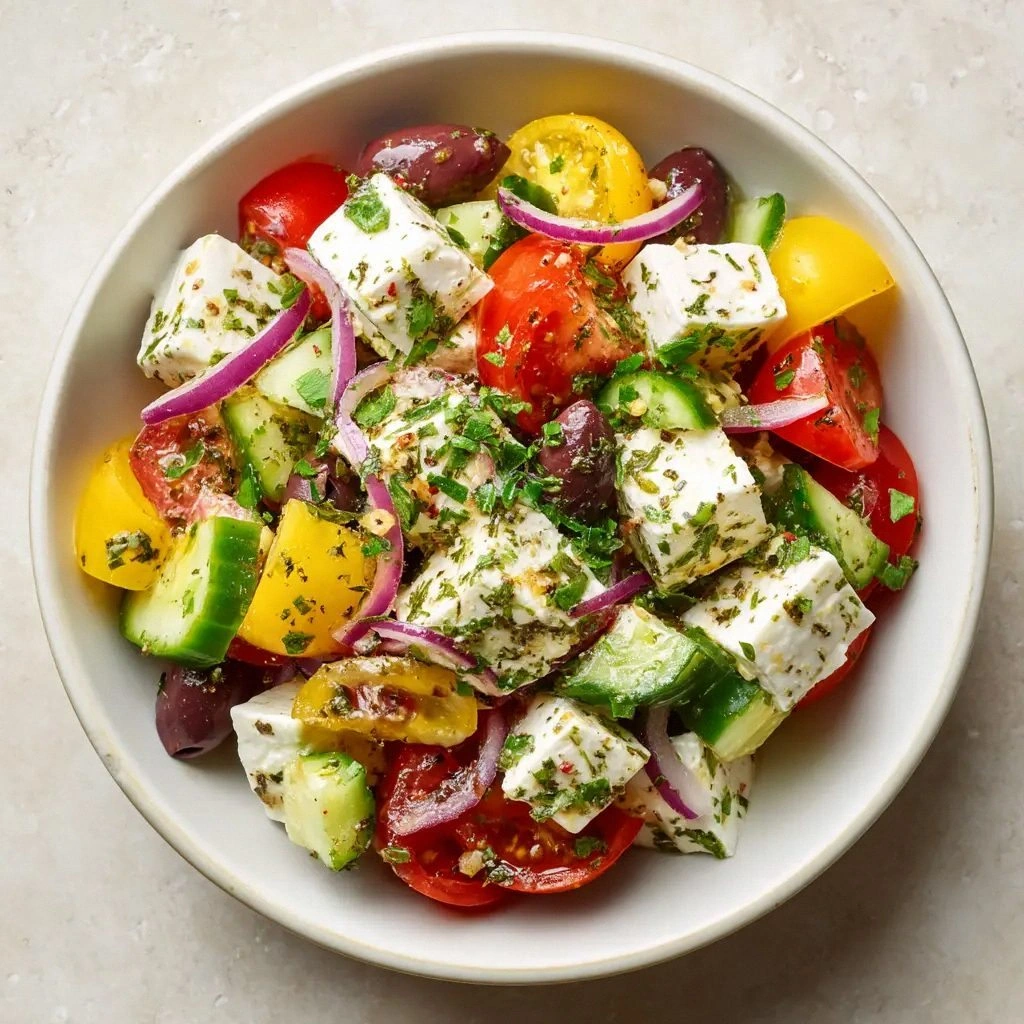
Picture this: a Saturday afternoon, the kitchen humming, and the fridge shouting for a quick, protein‑packed lunch that won’t leave you feeling sluggish. I opened the fridge, eyes landing on a tub of full‑fat cottage cheese, a handful of crisp cucumbers, and a bright pile of cherry tomatoes. The scent of fresh dill wafted through the air, promising a burst of Mediterranean flavor. I had been chasing that elusive balance between creamy and crunchy, and this dish seemed to promise it all. So, I set a timer, grabbed a bowl, and started dreaming up the ultimate Greek cottage cheese salad. If you’re like me, you’ve probably tried countless salad recipes that just don’t hit the spot—this one is different.
The first bite is a symphony: the silky cottage cheese melts on the tongue, while the cucumbers snap like fresh springs. Cherry tomatoes burst with sweet juiciness, releasing a tangy perfume that lingers in the room. The olives add a briny depth, and the feta’s salty crumble creates a delightful contrast. A splash of lemon juice brightens everything, and dill’s herbal note dances in the background. Even the tiny shards of red onion bring a gentle crunch that keeps the mouth moving. Together, they create a texture profile that feels both comforting and invigorating.
What sets this version apart from the countless Greek salads out there is the sheer protein punch that comes from the cottage cheese, turning a simple side dish into a satisfying main. The use of full‑fat cottage cheese gives it a velvety mouthfeel that’s richer than the typical low‑fat option. I added Kalamata olives instead of the usual green ones for that unmistakable depth of flavor that only the Greek islands can deliver. The fresh dill and oregano are not just garnish; they’re the aromatic backbone that ties every bite together. The lemon juice isn’t just a splash; it’s a bright counterbalance that cuts through the richness. And the final touch of feta adds a creamy, slightly tangy finish that feels like a hug in a bowl.
I dare you to taste this and not go back for seconds because it’s that addictive. Most recipes get this completely wrong by over‑squeezing the dressing or using too many veggies that drown the cottage cheese. I’ll be honest—I ate half the batch before anyone else got to try it, and I was already craving a second scoop. Picture yourself pulling this out of the fridge, the whole kitchen smelling incredible, and a plate of vibrant colors waiting for you. This is hands down the best version you'll ever make at home, and I promise you’ll wonder how you ever made it any other way. Let me walk you through every single step—by the end, you'll wonder how you ever made it any other way.
What Makes This Version Stand Out
I’ve tried dozens of Greek salads, but this one stands out for its boldness, balance, and sheer practicality. It’s not just a salad; it’s a protein‑powered, flavor‑rich, crowd‑pleasing dish that can be whipped up in minutes. Here’s why you’ll love it:
- Protein Power: Cottage cheese packs a hefty protein punch that keeps you full longer, making this salad a satisfying main dish.
- Rich Creaminess: Full‑fat cottage cheese gives a velvety texture that’s far superior to low‑fat versions, elevating every bite.
- Authentic Flavor: Kalamata olives and feta add that unmistakable Greek depth, while fresh dill and oregano provide aromatic harmony.
- Easy Assembly: No cooking required—just chop, combine, and drizzle, saving you precious time on busy days.
- Versatile Base: The salad can double as a side, a light lunch, or a protein‑rich snack, fitting any meal plan.
- Freshness Factor: The bright, crisp vegetables keep the dish light and refreshing, perfect for hot summer afternoons.
- Make‑Ahead Friendly: Prep the veggies ahead and keep the cottage cheese separate; combine just before serving for maximum freshness.
Alright, let's break down exactly what goes into this masterpiece...
Inside the Ingredient List
The Flavor Base
Cottage cheese is the heart of this dish; it offers a creamy, tangy foundation that balances the sharpness of the olives and feta. Fresh lemon juice cuts through the richness, providing a bright, citrusy lift that keeps the flavors from feeling heavy. Dill and oregano are aromatic powerhouses—dill adds a clean, slightly citrusy note, while oregano contributes a warm, earthy depth. If you skip any of these, the salad loses its signature brightness and balance, becoming either too heavy or too flat.
The Texture Crew
Persian cucumbers add a crisp, refreshing crunch that contrasts beautifully with the soft cottage cheese. Cherry tomatoes burst with juicy sweetness, adding a pop of color and a burst of natural sugar that brightens the dish. Thinly sliced red onion brings a subtle sharpness and a satisfying snap that keeps the mouth moving. Kalamata olives introduce a briny, slightly sweet flavor that deepens the overall taste profile. Omitting any of these textures will result in a salad that feels one‑dimensional and less engaging.
The Unexpected Star
Feta cheese isn’t just a garnish; it’s a star that offers a salty, tangy finish that cuts through the creaminess of the cottage cheese. The crumbly texture of feta provides a delightful contrast to the smoothness of the dairy. If you don’t have feta, a crumble of goat cheese or a sprinkle of parmesan can work, but the unique Greek flavor will be missing. A small amount of feta is enough to elevate the entire dish without overpowering it.
The Final Flourish
Extra virgin olive oil adds a silky body and a subtle peppery finish that ties all the flavors together. A splash of salt enhances the natural sweetness of the tomatoes and the saltiness of the feta, while black pepper adds a gentle heat that rounds out the dish. These finishing touches are critical; without them, the salad would taste flat and uninspired. If you’re watching sodium, you can reduce the salt slightly, but the overall flavor will still hold together.
Everything's prepped? Good. Let's get into the real action...
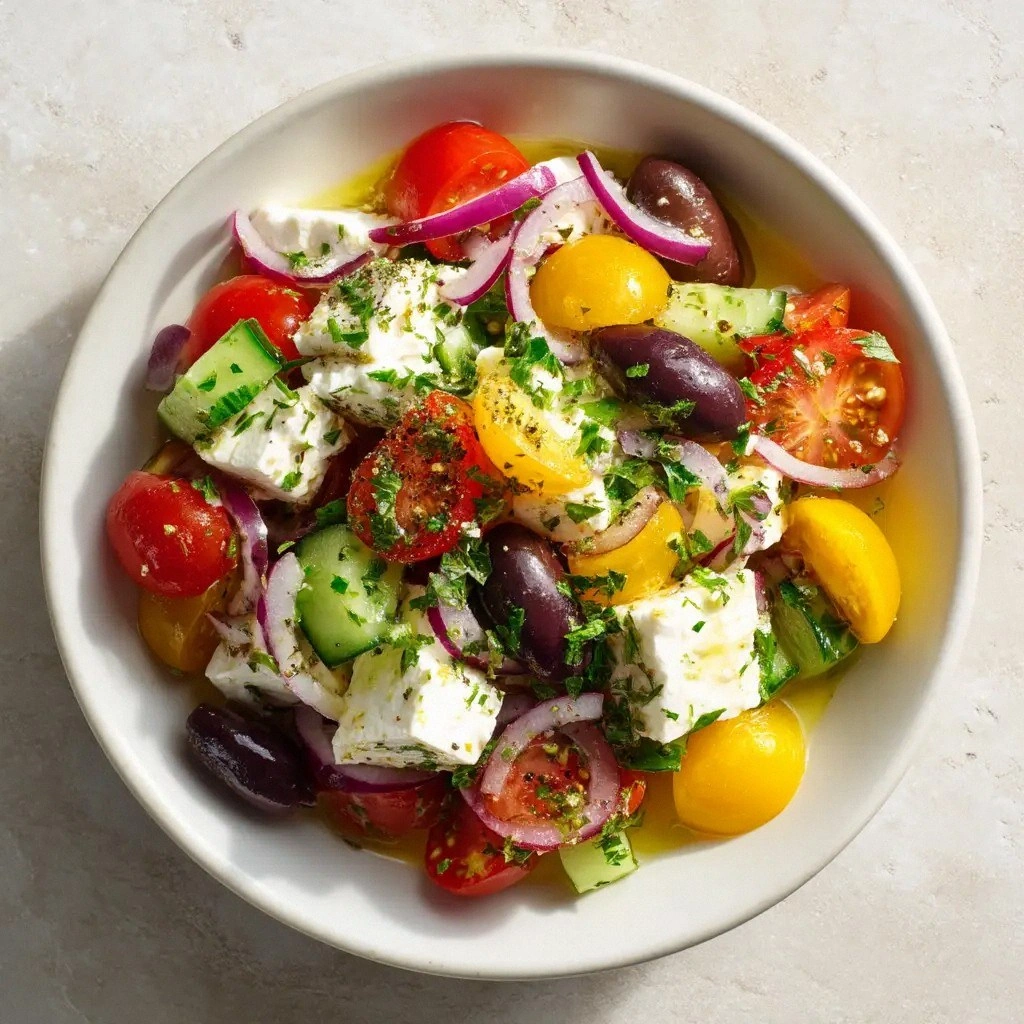
The Method — Step by Step
- Start by washing all fresh produce under running water. Pat the cucumbers dry with a clean towel to prevent excess moisture from diluting the dressing. Dice the cucumbers into bite‑sized cubes, ensuring even pieces for a consistent bite. This step is essential for a balanced texture throughout the salad.
- Next, halve the cherry tomatoes, leaving them whole to maintain their juiciness. Place the tomatoes in a small bowl and set aside. The tomatoes’ bright color and natural sweetness will contrast beautifully with the creamy cottage cheese.
- Thinly slice the red onion into rings or half‑rings for a subtle crunch. If you prefer a milder onion flavor, soak the slices in cold water for five minutes, then drain and pat dry. This trick reduces sharpness while preserving texture.
- Pit and slice the Kalamata olives into thin rounds. They bring a briny depth that balances the creamy base. If you’re sensitive to salt, rinse them briefly under cold water to reduce sodium content.
- Crumbled feta should be added at this point, but be careful not to overmix, or it will turn into a paste. Gently fold the feta into the bowl, letting its crumbly texture remain intact for a delightful bite. Watch Out: Over‑tossing can cause the feta to crumble into a soggy mess.
- In a separate small bowl, whisk together the extra virgin olive oil, fresh lemon juice, chopped dill, dried oregano, salt, and pepper. This dressing should be smooth and aromatic, ready to coat every ingredient. The acidity of the lemon will brighten the flavors, while the herbs infuse the salad with a Mediterranean aroma.
- Pour the dressing over the salad mixture and gently toss to coat. Use a large spoon or tongs to ensure each component is evenly coated without crushing the delicate feta. Kitchen Hack: Toss the salad in a large bowl to keep everything evenly coated.
- Taste the salad and adjust seasoning if necessary, adding a pinch more salt or pepper to suit your preference. Let the flavors meld for a few minutes before serving, allowing the dressing to penetrate the cottage cheese and vegetables.
- Serve immediately on a chilled plate for the freshest experience, or store the components separately in the refrigerator for up to three days. If you’re making it ahead of time, keep the dressing in a small container and add it right before serving to avoid soggy greens.
That’s it — you did it. But hold on, I've got a few more tricks that'll take this to another level...
Insider Tricks for Flawless Results
The Temperature Rule Nobody Follows
Cottage cheese is best served at room temperature; cold cottage cheese can feel clumpy and less creamy. Let the tub sit out for about ten minutes before using it. This simple step ensures a silky texture that coats the vegetables like velvet.
Why Your Nose Knows Best
The aroma of fresh dill and oregano can guide your seasoning. If the salad feels flat, open your nose and adjust the herbs accordingly. A well‑balanced herb profile will make the dish sing.
The 5-Minute Rest That Changes Everything
After tossing the salad, let it rest for five minutes. This brief pause allows the dressing to penetrate the cottage cheese and vegetables, creating a more cohesive flavor. I’ve seen people skip this step and end up with a salad that feels disjointed.
Keep the Feta Dry
Feta can become watery if exposed to moisture for too long. Store it in an airtight container and only crumble it into the salad just before serving. This keeps the feta crunchy and flavorful.
Use a High-Quality Olive Oil
The quality of olive oil directly impacts the dressing’s flavor. A light, fruity extra virgin olive oil enhances the salad’s brightness, while a heavier oil can dominate the subtle herbs.
Creative Twists and Variations
This recipe is a playground. Here are some of my favorite ways to switch things up:
Mediterranean Power Bowl
Add a handful of cooked quinoa or couscous for a heartier base. The grains absorb the dressing, creating a filling meal that’s still light and refreshing.
Spicy Kick
Incorporate a pinch of red pepper flakes or a splash of hot sauce for a fiery twist. The heat pairs wonderfully with the tangy feta and bright lemon.
Pesto Fusion
Swap the lemon‑dill dressing for a basil pesto. The nutty, herbaceous notes complement the cottage cheese and add an extra layer of flavor.
Greek Yogurt Swap
Replace half the cottage cheese with plain Greek yogurt for a tangier, lighter version. The yogurt adds protein while keeping the dish creamy.
Roasted Veggie Edition
Roast diced zucchini, bell pepper, and eggplant for a smoky, caramelized flavor that contrasts with the fresh veggies. This version is perfect for a fall or winter lunch.
Protein-Packed Power
Add grilled chicken or shrimp for a protein boost, turning the salad into a complete, satisfying meal. The lean protein pairs beautifully with the creamy base.
Storing and Bringing It Back to Life
Fridge Storage
Store the salad components separately in airtight containers. Keep the cottage cheese, dressing, and vegetables in individual containers, then combine them just before serving. This method preserves freshness and prevents sogginess.
Freezer Friendly
While the salad itself isn’t ideal for freezing, you can freeze the dressing and the cottage cheese separately. Thaw the dressing in the refrigerator and stir before adding to the salad.
Best Reheating Method
If you’re reheating for a quick meal, add a tiny splash of water or broth to the salad, then gently warm it in a skillet over low heat. This steams the ingredients back to life without drying them out.
Now that you have all the tools, tips, and techniques, it’s time to bring this masterpiece to life. Whether you’re whipping it up for a quick lunch or serving it as a light dinner, this Greek cottage cheese salad is guaranteed to impress. Remember to keep the ingredients fresh, adjust seasoning to taste, and enjoy the burst of Mediterranean flavors that dance on your palate. Happy cooking!