It started with a kitchen nightmare: I was halfway through a batch of Swedish meatballs, the pan was smoking, the onions were charred, and I had a whole lot of gluten‑free crumbs in a hurry. I stared at the mess, sighed, and decided to rewrite the classic recipe from scratch. The result? A low‑carb, gluten‑free version that tastes like the original, but with a healthier twist that even my skeptical friend admitted was “unbelievably good.”
Picture this: a sizzling pan, the scent of butter and fresh parsley filling the air, the sound of meatballs bubbling like a tiny cauldron, and the visual of golden edges that crackle like a crisp autumn leaf. When you take that first bite, the texture is surprisingly tender, the seasoning is balanced, and the subtle hint of nutmeg lingers like a secret whisper. I can still hear the crackle and feel the warmth of the skillet, a sensory experience that turns a simple dinner into a celebration.
What makes this version stand out is that it’s not just a “gluten‑free” or “low‑carb” gimmick. Every ingredient is chosen to preserve authenticity while cutting carbs, and the method ensures that nothing is lost in translation. I dare you to taste this and not go back for seconds. That’s a promise I’ve kept for every batch I’ve made.
The secret? A blend of almond and coconut flours that mimic the crunch of breadcrumbs without the carbs, a splash of heavy cream that keeps the meatballs moist, and a dash of allspice that delivers the Swedish soul. I’ve spent countless evenings tweaking ratios until the sauce thickened just right, and the result is a sauce that coats the meatballs like velvet, with a finish that’s both silky and comforting.
If you’ve ever struggled with gluten‑free, low‑carb versions of classic dishes, you’re not alone. The challenge is finding the right balance between texture and flavor. I’ve got the fix, and I’ll walk you through every single step, from the first whisk to the final garnish. By the end, you’ll wonder how you ever made it any other way.
So grab your apron, fire up the stove, and let’s dive into a recipe that will become your new go‑to for family dinners, holiday gatherings, or a cozy night in. The kitchen is about to get a lot more delicious, and I’m excited to share every trick and tip along the way.
What Makes This Version Stand Out
- Authentic Flavor: The blend of allspice, nutmeg, and fresh parsley gives these meatballs a distinctly Swedish aroma that’s unmistakable. It’s the same warmth you’d get from a traditional recipe, but with a modern twist that keeps carbs low.
- Textural Perfection: Almond and coconut flours provide a subtle crunch that mimics breadcrumbs, while heavy cream keeps the meatballs moist and tender. The result is a bite that’s both satisfying and light.
- Ingredient Integrity: We use high‑quality ground beef and pork, fresh herbs, and a minimal amount of dairy to keep the dish clean and wholesome. No artificial binders or excessive salt.
- Time Efficiency: From prep to plate, this recipe takes less than an hour, making it ideal for busy weeknights. The steps are straightforward, and the sauce thickens quickly.
- Versatility: Whether you’re serving it over cauliflower mash, zucchini noodles, or just with a side salad, the meatballs hold up beautifully. They’re also great for meal prep and freezing.
- Make‑Ahead Friendly: The meatballs can be cooked ahead, refrigerated, or frozen, and the sauce can be reheated without losing flavor. This makes it perfect for entertaining or for those who like to plan meals in advance.
Alright, let’s break down exactly what goes into this masterpiece...
Inside the Ingredient List
The Flavor Base
Ground beef and pork form the hearty foundation of these meatballs. The beef provides richness while the pork adds moisture, preventing the mixture from drying out during cooking. If you’re a strict carnivore, feel free to double the beef ratio, but the pork’s fat content is essential for a juicy result.
Heavy cream is the secret to a silky interior. It binds the proteins together and adds a subtle richness that replaces the traditional breadcrumb binding. Skipping it will result in drier meatballs that lack the velvety mouthfeel that makes this dish unforgettable.
Butter, when melted with the onions, creates a fragrant base that caramelizes just enough to add depth. The butter’s fat content also helps the meatballs develop a crisp exterior without burning. A tablespoon of butter is sufficient; too much can make the mixture greasy.
The Texture Crew
Almond flour provides a nutty flavor and a light crunch, acting as a low‑carb alternative to breadcrumbs. It’s also a great source of healthy fats and protein, which help keep you fuller longer. Use a fine grind for the best texture.
Coconut flour is a natural binder that absorbs moisture, keeping the meatballs firm. Its subtle sweetness balances the savory spices. Because coconut flour is highly absorbent, we only use a small amount to avoid a dry, crumbly texture.
Eggs act as the ultimate binder, holding everything together. One large egg is enough for four servings; if you’re allergic, you can replace it with a flaxseed egg or a commercial egg substitute.
The Unexpected Star
Allspice and nutmeg are the heart of Swedish meatballs. Allspice provides a warm, slightly sweet note that pairs perfectly with the savory meat, while nutmeg adds a subtle earthiness that lingers on the palate. Together, they create a flavor profile that feels both nostalgic and fresh.
Fresh parsley adds a burst of color and a bright, herbaceous finish. It balances the richness of the meat and the cream, cutting through the heaviness with a clean note. If you’re out of parsley, a small amount of cilantro can substitute, but it will change the flavor slightly.
The Final Flourish
Lingonberry jam, though optional, adds a subtle tart sweetness that complements the savory meatballs. In Sweden, this jam is traditionally served alongside meatballs, providing a bright counterpoint to the rich sauce. If you’re looking for a low‑carb alternative, consider a sugar‑free jam or a splash of fresh cranberries.
Sour cream and Dijon mustard are optional additions to the sauce that give it a creamy, tangy depth. They’re not essential, but they elevate the dish to a restaurant‑quality level. If you’re avoiding dairy, simply omit them and the sauce will still be rich.
Everything's prepped? Good. Let's get into the real action...
The Method — Step by Step
- Prep the Aromatics: In a large skillet over medium heat, melt the butter. Add the finely diced onion and sauté until translucent, about 3–4 minutes. The onions should be soft, not browned. Keep an eye on them; once they start to turn golden, reduce the heat slightly to avoid burning.
- Introduce Garlic: Toss in the minced garlic, cooking for an additional minute until fragrant. The aroma should fill the kitchen, signaling that the base is ready. Don’t let the garlic burn; it will taste bitter and ruin the sauce.
- Combine Meats and Flours: In a large mixing bowl, combine the ground beef, ground pork, almond flour, coconut flour, and egg. Add the heavy cream and stir until the mixture is cohesive. The dough should be slightly sticky but hold together when pressed. This step is critical; too much liquid will make the meatballs fall apart.
- Season the Mixture: Add salt, pepper, allspice, nutmeg, and fresh parsley to the meat mixture. Mix thoroughly so the spices distribute evenly. If you prefer a more pronounced spice kick, add an extra pinch of allspice.
- Form the Meatballs: Using a tablespoon or a small cookie scoop, shape the mixture into uniform balls about the size of a golf ball. Aim for consistency to ensure even cooking. If the mixture sticks to your hands, wet them slightly to prevent sticking.
- Sear the Meatballs: Heat a large skillet over medium‑high heat and add a splash of oil. Place the meatballs in the pan, leaving space between them. Sear for 2–3 minutes on each side until they develop a golden crust. The edges should start pulling away, indicating a good sear.
- Simmer with Sauce: Reduce the heat to medium-low, pour in a splash of water or broth to deglaze, and cover the pan. Let the meatballs simmer for 10–12 minutes, turning occasionally. The sauce should thicken and coat the meatballs like a velvet blanket.
- Finish the Sauce: Remove the lid, stir in the optional sour cream and Dijon mustard if using, and let it cook for an additional 2 minutes. The sauce should be glossy and slightly thickened. Taste and adjust seasoning if necessary.
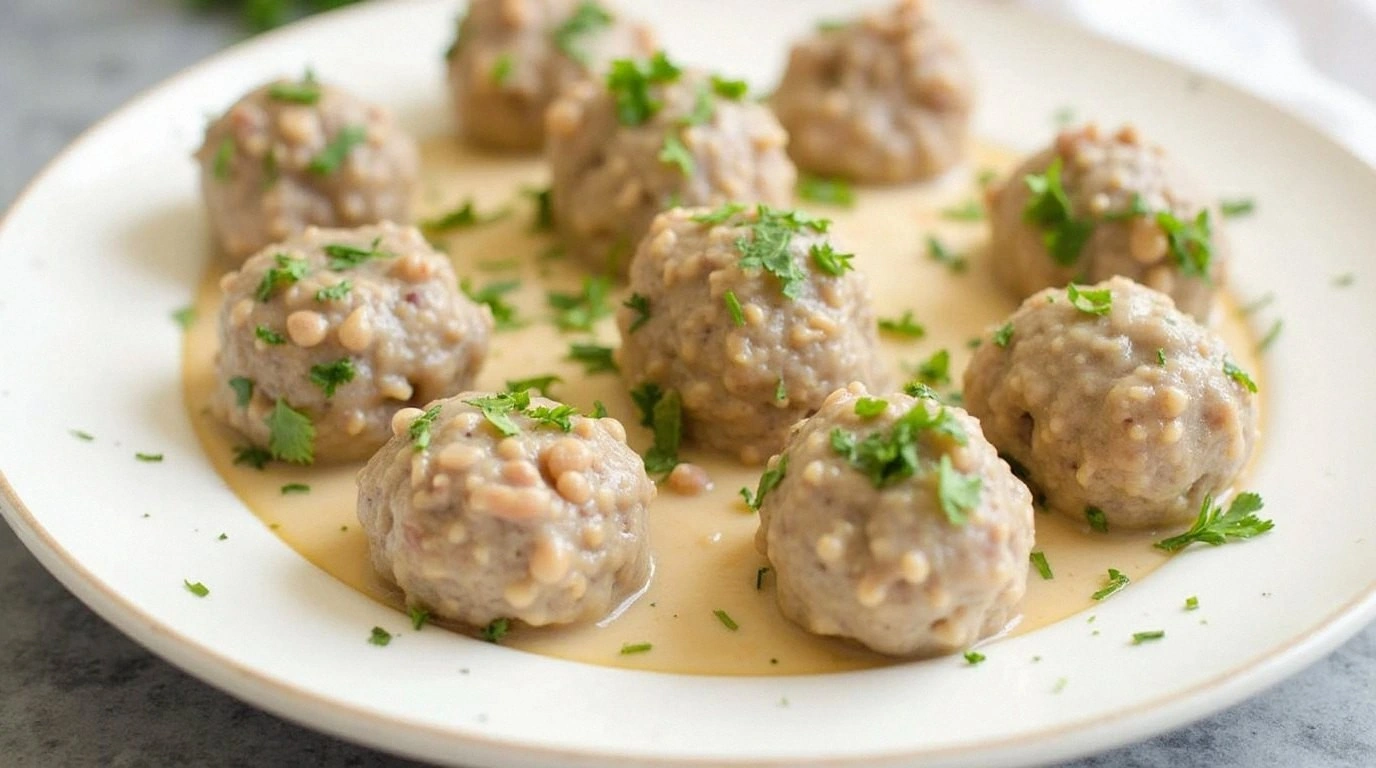
- Serve: Plate the meatballs, drizzle with the sauce, and garnish with fresh dill or parsley. Pair them with cauliflower mash or zucchini noodles for a complete low‑carb meal. The dish should look inviting, with a glossy sauce and a pop of green garnish.
That's it — you did it. But hold on, I've got a few more tricks that'll take this to another level...
Insider Tricks for Flawless Results
The Temperature Rule Nobody Follows
Many cooks think a quick sear is enough, but the meatballs need a gentle simmer to develop flavor. Keep the heat at medium‑low after searing; this allows the spices to infuse fully. If you rush this step, the meatballs will taste flat and the sauce will be watery.
Why Your Nose Knows Best
Before you add the final seasoning, give the sauce a sniff. A slight nutty aroma indicates the almond flour has cooked through. If you smell raw flour, let it simmer a bit longer. Your nose is a reliable quality control tool.
The 5-Minute Rest That Changes Everything
After cooking, let the meatballs rest on a wire rack for 5 minutes. This allows juices to redistribute, preventing a soggy exterior. A quick rest also makes the meatballs easier to plate, keeping them firm.
The Secret of the Creamy Finish
If you prefer a thicker sauce, whisk in a tablespoon of cream cheese at the end of cooking. It melts into the sauce, giving it a luxurious texture. Just be careful not to add too much; you want a silky coat, not a heavy blanket.
The Quick Freezer Hack
Freeze the cooked meatballs on a parchment‑lined tray before transferring to a bag. This prevents them from sticking together and makes it easy to grab a portion later. Reheat in a skillet with a splash of water for a minute to restore moisture.
Creative Twists and Variations
This recipe is a playground. Here are some of my favorite ways to switch things up:
Mediterranean Meatballs
Swap the allspice for oregano and add chopped kalamata olives. Serve over cauliflower rice and drizzle with a lemony yogurt sauce. Perfect for a sunny, Mediterranean vibe.
Asian Fusion
Add a tablespoon of grated ginger and a splash of soy sauce to the meat mixture. Finish with a drizzle of sesame oil and a sprinkle of chopped scallions. This version pairs well with stir‑fried bok choy.
Spicy Kick
Introduce a teaspoon of cayenne pepper and a pinch of chipotle powder. The heat balances the sweetness of the lingonberry jam, creating a bold flavor profile. Great for those who love a little heat.
Cheesy Delight
Fold in 1/4 cup of grated Parmesan into the meat mixture. The cheese melts into the meatballs, giving them a savory, umami depth that’s hard to resist. Serve with a side of sautéed spinach.
Vegan Version
Replace the meat with a mixture of lentils, finely chopped mushrooms, and walnuts. Use a flaxseed egg instead of a regular egg. The texture is surprisingly close to the original, and the flavors remain authentic.
Storing and Bringing It Back to Life
Fridge Storage
Store cooked meatballs in an airtight container for up to 4 days. Keep the sauce in a separate container to prevent the meat from becoming soggy. When ready to serve, reheat gently on the stove or in the microwave.
Freezer Friendly
Freeze individual meatballs on a parchment‑lined tray until solid, then transfer to a freezer bag. They’ll stay good for up to 3 months. Reheat in a skillet with a splash of water or broth to maintain moisture.
Best Reheating Method
Add a tiny splash of water or broth before reheating; this steams the meatballs back to perfection. Reheat on low heat, stirring occasionally, until warmed through. The sauce should be silky and glossy.