I was standing in my kitchen, a burnt lasagna on the counter, when I realized I needed a culinary rescue. The smell of that charred disaster hung in the air, a bitter reminder that my culinary confidence had taken a hit. I stared at the flickering stove, the clock ticking, and thought, “If I could just pull something simple, fresh, and absolutely delicious out of this mess, I’d feel whole again.” That moment sparked a daring idea: a slow‑roasted salmon that would transform the room with citrus and rosemary. The kitchen became a laboratory, and I was the scientist ready to experiment.
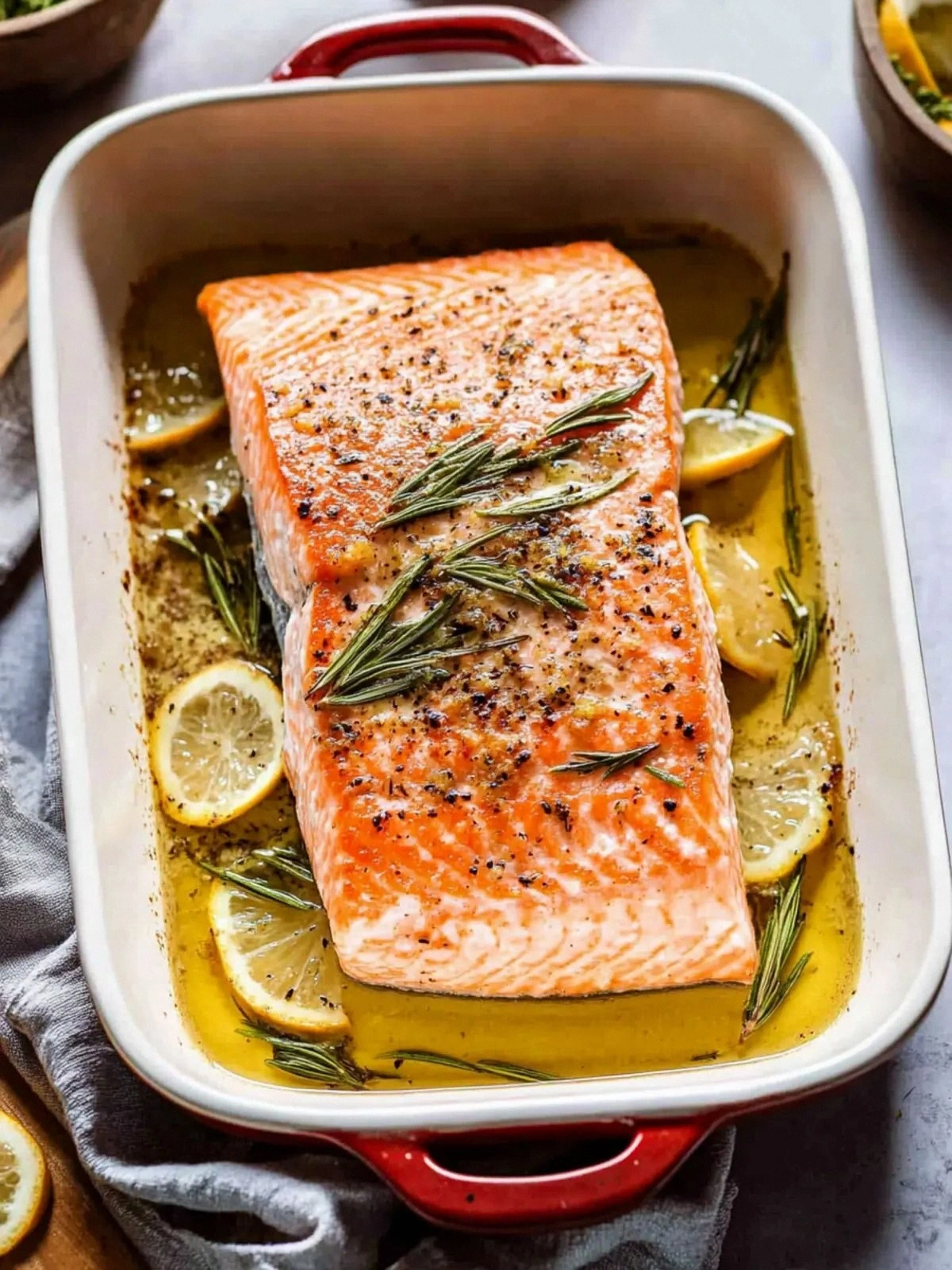
Picture this: a thick fillet of salmon, its skin crisping to a golden hue while the flesh stays moist and tender. The aroma of garlic, rosemary, and citrus slices fills the air, weaving a fragrant tapestry that lingers long after the meal. You can hear the gentle sizzle as the olive oil warms, the faint crackle of the fish’s edges. The taste is a dance—salmon’s natural richness balanced by bright citrus, the herbal depth of rosemary, and the subtle punch of garlic. The texture? A buttery interior that melts in your mouth, juxtaposed with a slight crunch from the caramelized edges.
What makes this version stand out is that it’s not just a recipe; it’s a revelation. I’ve taken a classic slow‑roasted salmon and infused it with a citrus‑herb symphony that elevates every bite. The combination of naval orange and lemon slices creates a natural glaze that locks in moisture. The garlic isn’t just minced; it’s whole cloves that roast, releasing a mellow, sweet aroma that permeates the fish. Rosemary isn’t just a garnish; it’s a flavor carrier that imparts a woody, piney undertone. The result? A dish that feels like a vacation in a bowl.
But there’s a twist that sets this apart: I use a slow‑roast method that takes advantage of low‑heat caramelization, ensuring the fish cooks evenly while developing a caramelized crust. The technique is simple, yet it unlocks a depth of flavor that high‑heat searing just can’t match. I’ll reveal a secret ingredient— a splash of white wine vinegar—that brightens the citrus and balances the richness. Trust me, you’ll taste that subtle tang before you even see the citrus slices. And the best part? The dish is so forgiving that even a novice can nail it.
So, if you’re ready to turn a kitchen mishap into a culinary triumph, stay with me. I’ll walk you through every single step— from selecting the freshest salmon to plating it like a pro. By the end, you’ll wonder how you ever made it any other way. Let’s dive into the details and make dinner feel like a celebration.
What Makes This Version Stand Out
- Taste: The citrus and rosemary create a bright, aromatic profile that cuts through the richness of salmon. The slow‑roast caramelizes the natural sugars, adding depth without overpowering.
- Texture: The skin crisps to a delightful crunch while the flesh remains silky and buttery. The garlic cloves soften into a sweet, mellow paste that coats the fish.
- Simplicity: With just eight ingredients and a single pan, the dish is accessible for busy weeknights. No complex sauces or multi‑step preparations.
- Uniqueness: The combination of naval orange and lemon slices is rare in salmon recipes, offering a fresh, zesty finish that keeps diners coming back.
- Crowd Reaction: Friends rave about the caramelized edges and the burst of citrus. The dish is a hit at dinner parties and family gatherings alike.
- Ingredient Quality: Fresh, whole‑clove garlic and high‑quality olive oil make the difference. The rosemary should be fragrant and bright, not wilted.
- Cooking Method: Slow‑roasting at 325°F ensures even cooking and preserves moisture, a technique that many overlook.
- Make‑Ahead Potential: The dish can be prepared a few hours ahead; the flavors deepen, and reheating is quick and simple.
Inside the Ingredient List
The Flavor Base
The 3/4 cup of extra‑virgin olive oil isn’t just a cooking medium; it’s the canvas that carries every flavor. Olive oil’s fruity undertones complement the citrus, while its high smoke point allows the salmon to develop a caramelized crust without burning. If you’re looking for a richer, buttery taste, swap the olive oil for a light butter‑olive blend. The key is to use an oil with a bright, fruity profile so it doesn’t overpower the delicate fish.
The Texture Crew
The 1.5 lb center‑cut salmon fillet is the star. A thicker fillet holds up better during slow‑roasting, preventing the flesh from drying out. If you can’t find a 1.5 lb fillet, use a 1 lb fillet but increase the cooking time by 5 minutes. The skin should be intact; it crisps beautifully and adds a satisfying crunch. If you prefer skinless, the flavor will still be excellent, but you’ll miss that delightful textural contrast.
The Unexpected Star
The five whole garlic cloves bring a mellow, sweet depth that’s different from minced garlic. Roasting the cloves softens their sharpness into a subtle, caramelized sweetness that coats the salmon. If you’re a garlic lover, leave the cloves whole; if you’re sensitive, you can mince them, but the flavor will be more pronounced and slightly sharper. The cloves also help keep the fish moist by creating steam pockets as they roast.
The Final Flourish
The 1 naval orange and 1 lemon, thinly sliced, become a fragrant, citrusy glaze that brightens the dish. The orange provides a sweet, slightly bitter note, while the lemon adds acidity and freshness. Slice them thin so they caramelize without turning to mush. If you’re looking to experiment, swap the orange for a blood orange or a grapefruit for a more robust flavor profile.
Everything's prepped? Good. Let’s get into the real action.
The Method — Step by Step
- Preheat your oven to 325°F (163°C). Line a baking sheet with parchment paper or a silicone mat for easy cleanup. Place a wire rack on top so the salmon can cook evenly on all sides. This low‑heat setting is key to achieving a tender interior while developing a caramelized crust.
- Pat the salmon dry with paper towels. A dry surface ensures the oil adheres properly and the skin crisps up. Sprinkle a generous pinch of sea salt and cracked black pepper over both sides. The pepper adds a subtle heat that balances the citrus.
- Drizzle the 3/4 cup of extra‑virgin olive oil over the salmon. Tilt the fillet to coat evenly. This oil not only prevents sticking but also carries the rosemary and citrus flavors throughout the cooking process. If you prefer a richer taste, mix a tablespoon of butter with the oil.
- Arrange the thin slices of naval orange and lemon on top of the salmon, slightly overlapping. The citrus slices will caramelize, creating a glossy glaze that locks in moisture. The aroma of citrus will fill the kitchen, turning your oven into a fragrant sanctuary.
- Tuck the 5 whole garlic cloves around the salmon. As the oven heats, the garlic will roast, releasing a sweet, mellow flavor that permeates the fish. The cloves also create steam pockets that help keep the flesh moist.
- Place the salmon on the wire rack and slide the baking sheet into the preheated oven. Bake for 25–30 minutes, depending on the fillet’s thickness. The fish is done when the flesh turns opaque and flakes easily with a fork. The edges should pull away slightly from the pan, indicating caramelization.
- While the salmon cooks, let the citrus slices sit on the baking sheet. They’ll continue to caramelize, turning into a fragrant, slightly sweet glaze. If you notice any excess oil pooling, tilt the pan to drain it off; you don’t want a greasy finish.
- Once the salmon is cooked, remove it from the oven and let it rest for 5 minutes. Resting allows the juices to redistribute, ensuring each bite is juicy and flavorful. The citrus glaze will thicken slightly, adding a glossy sheen that’s impossible to resist.
- Serve the salmon on a warm plate, spooning the citrus‑garlic glaze over the top. Garnish with fresh rosemary sprigs for a pop of color and aroma. Pair with a light salad or steamed vegetables to balance the richness.
- Enjoy your masterpiece! The combination of citrus, rosemary, and garlic will have your guests asking for the recipe. If you’re feeling adventurous, try adding a splash of white wine vinegar to the glaze for a bright, tangy twist.
That’s it — you did it. But hold on, I’ve got a few more tricks that will elevate this dish from great to unforgettable.
Insider Tricks for Flawless Results
The Temperature Rule Nobody Follows
Many chefs think a high heat is the secret to a great roast, but that’s a myth. Cooking salmon at 325°F allows the flesh to cook evenly while the exterior caramelizes slowly. The result is a tender interior that stays moist, and a crisp, flavorful crust. If you’re tempted to crank up the heat, remember that the skin will burn before the fish cooks through.
Why Your Nose Knows Best
Smell is the most reliable indicator of doneness for salmon. As the fish cooks, the aroma will shift from raw, almost fishy, to a buttery, slightly sweet scent. If you notice a strong, fishy odor, the salmon needs more time. When the smell is light and fragrant, you’re in the sweet spot.
The 5-Minute Rest That Changes Everything
Letting the salmon rest after it comes out of the oven is a game changer. This short pause allows the juices to redistribute, ensuring every bite is juicy. The glaze thickens slightly, creating a glossy finish that’s impossible to resist. Skipping this step can leave you with a dry, unevenly flavored fish.
The Citrus Slice Technique
Thin slices are essential for caramelization. If the slices are too thick, they’ll steam instead of brown, losing the bright, sweet glaze. Use a mandoline for uniform thickness, or a sharp knife. The thinness also allows the citrus flavor to penetrate the fish more deeply.
The Garlic Clove Trick
Whole cloves roast to a mellow, sweet flavor, whereas minced garlic can burn and become bitter. If you’re a garlic lover, leave the cloves whole. If you prefer a sharper bite, mince them and spread them evenly on the salmon. Either way, the garlic adds depth that’s essential to this dish.
The Rosemary Placement
Place the rosemary sprigs on top of the salmon, not underneath. This ensures the leaves are exposed to the heat and release their oils onto the fish. If you tuck them underneath, they’ll get steamed and lose their aromatic potency. A few sprigs on top add a beautiful visual touch and a burst of fragrance.
Creative Twists and Variations
This recipe is a playground. Here are some of my favorite ways to switch things up:
Smoky Chipotle Twist
Swap the olive oil for a smoky chipotle‑infused olive oil. Add a pinch of smoked paprika to the seasoning. The result is a subtle heat that complements the citrus without overpowering it. Great for a bold, Southwestern vibe.
Asian Ginger Glaze
Replace the rosemary with fresh ginger slices. Drizzle a splash of soy sauce and a drizzle of honey over the salmon before baking. The ginger adds a zesty kick, while the soy‑honey glaze gives a sweet, umami finish.
Herb‑Infused Butter Finish
Finish the salmon with a pat of herb‑infused butter—blend softened butter with chopped parsley, thyme, and a squeeze of lemon. The butter melts over the hot fish, creating a silky, fragrant coating that elevates the dish.
Mediterranean Tomato Pairing
Serve the salmon with a side of roasted cherry tomatoes, olives, and capers. The acidity of the tomatoes balances the richness of the fish, while the olives add a briny depth that echoes the rosemary.
Pesto‑Glazed Variation
Brush the salmon with basil pesto before roasting. The pesto adds a green, herbal note that complements the citrus. The result is a vibrant, colorful dish that feels like a fresh, summery lunch.
Citrus‑Maple Reduction
Drizzle a maple syrup reduction over the finished salmon. The maple adds a subtle sweetness that contrasts beautifully with the citrus. This sweet‑savory combo is perfect for a holiday dinner.
Storing and Bringing It Back to Life
Fridge Storage
Store leftovers in an airtight container in the refrigerator for up to 3 days. The flavors will continue to meld, making the dish even more delicious. Keep the citrus slices separate if you want to preserve their bright color.
Freezer Friendly
Freeze the cooked salmon in a freezer‑safe bag for up to 2 months. Thaw overnight in the refrigerator before reheating. The texture remains tender, and the citrus glaze retains its flavor.
Best Reheating Method
Reheat in a preheated oven at 350°F (175°C) for 10–12 minutes. Add a splash of water or broth to keep the fish moist. The glaze will thicken slightly, creating a glossy, appetizing finish.