I remember the night I was in the kitchen, staring at a limp octopus that had been on the shelf for weeks, thinking it was a culinary dead weight. The moment I set that tentacle on a cutting board, the scent of briny sea air hit me like a wave, and I realized I was about to create something that would change my entire perspective on seafood. I dared myself to make it crispy, tender, and full of flavor, and when it finally hit the pan, the sizzle was a trumpet announcing a new favorite. That single, unforgettable bite was the spark that ignited this recipe, and I’m here to show you how to replicate that magic step by step.
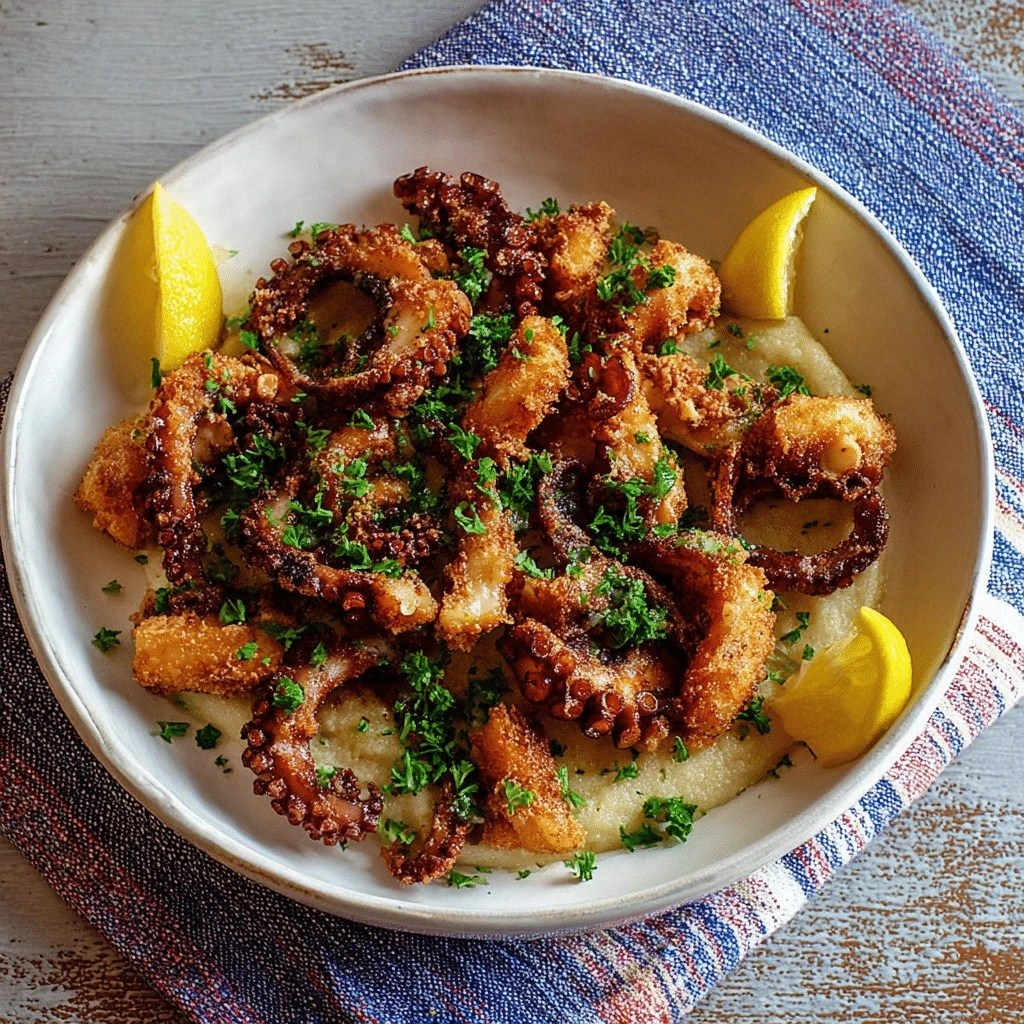
Picture this: a golden crust that crackles as you bite through it, revealing a tender, almost buttery interior that melts in your mouth. The aroma of garlic, lemon, and paprika rises from the skillet, mingling with the subtle sweetness of the octopus. Your eyes are drawn to the vibrant colors—rich amber batter, bright green parsley, and the splash of citrus—while the sound of bubbling oil sets a rhythmic soundtrack. When you taste it, the crunch gives way to a moist, savory center, and the citrus zing lifts the whole experience to a new level. If you’ve ever struggled to get octopus crisp, you’ll know this version is a game‑changer.
What sets this fried octopus apart isn’t just the crunchy coating; it’s the layered approach to flavor. The batter is a blend of flour and beer, which creates a light, airy texture that doesn’t weigh down the delicate meat. The seasoning mix—smoked paprika, cayenne, oregano, thyme—infuses the oil before the octopus even touches it, giving the crust a depth that most recipes lack. The finishing touch of butter, lemon zest, and fresh parsley provides a bright, fresh counterpoint that keeps the dish from feeling heavy. The result? A dish that feels both indulgent and fresh, with a crunch that’s crisp enough to satisfy the most discerning palate.
I’m going to walk you through every single step, from the moment you clean the octopus to the final garnish. By the end, you’ll wonder how you ever made it any other way. And trust me, I dare you to taste this and not go back for seconds.
What Makes This Version Stand Out
- Texture: The batter is light and airy, thanks to cold beer and a pinch of baking soda, which keeps the crust crisp without making it heavy.
- Flavor Depth: A blend of smoked paprika, cayenne, oregano, and thyme coats the oil, so the octopus absorbs savory notes from the very first bite.
- Finish: A swirl of butter, lemon zest, and fresh parsley at the end adds brightness and a silky finish that balances the oiliness.
- Time Efficiency: The whole process takes under an hour, making it a perfect weeknight appetizer that still feels special.
- Make‑Ahead Friendly: You can marinate the octopus in advance and reheat the fried pieces in a skillet, keeping the crunch intact.
- All‑Day Appeal: Whether served as a tapas at a brunch or a main course with a side salad, this dish adapts to any setting.
Alright, let's break down exactly what goes into this masterpiece...
Inside the Ingredient List
The Flavor Base
The foundation of this dish is the batter. Combining all‑purpose flour with cold beer creates a light, airy coating that crisps beautifully when fried. The beer not only adds flavor but also introduces carbonation, which helps the batter puff up. If you can’t find beer, sparkling water works as a substitute, though the flavor will be slightly less complex.
The Texture Crew
Octopus itself is a textural marvel. When properly cleaned and blanched, it retains a delicate, almost buttery bite. The key is to keep the octopus fresh and to avoid over‑cooking it; the batter’s crispness will mask any slight chewiness. If you’re short on time, a quick blanch in salted water for two minutes will suffice. Remember, the batter’s crunch is the star, so don’t let the octopus become mushy.
The Unexpected Star
Smoked paprika and cayenne pepper might seem like an odd pairing, but they bring a smoky depth and a subtle heat that elevates the dish. The paprika’s sweet, smoky undertone complements the briny octopus, while a dash of cayenne adds a whisper of spice that keeps the palate engaged. If you’re sensitive to heat, reduce the cayenne to a quarter teaspoon or omit it entirely. This combination is what makes most recipes get it wrong—most cooks skip the paprika, leading to a flat flavor profile.
The Final Flourish
Finishing touches like butter, lemon zest, and fresh parsley aren’t just garnish; they’re flavor enhancers that lift the entire dish. Butter adds a silky richness that balances the oil, while lemon zest and juice provide acidity that cuts through the heaviness. The parsley adds a fresh, herbaceous note that keeps the dish from feeling too heavy. If you’re looking for a vegan version, replace butter with a drizzle of olive oil and add a splash of vinegar for acidity.
Everything's prepped? Good. Let's get into the real action...
The Method — Step by Step
- Clean and Blanch the Octopus: Rinse the octopus under cold water, removing any ink sacs or excess slime. Bring a pot of salted water to a boil, then submerge the octopus for 2 minutes. This brief blanching step ensures the meat stays tender and helps the batter adhere evenly. Immediately transfer to an ice bath to stop the cooking process and keep the octopus from becoming rubbery. The moment the octopus cools, you’ll hear that satisfying “pop” as the water droplets evaporate—an early hint of the crisp you’re about to achieve.
- Prepare the Batter: In a medium bowl, whisk together 2 cups of flour, 1 tsp smoked paprika, 1 tsp cayenne pepper, 1 tsp dried oregano, 1 tsp dried thyme, 1 tsp salt, and 1 tsp black pepper. Gradually pour in 1 cup of cold beer while whisking to avoid lumps. Add 1 beaten egg and whisk until the batter is smooth and slightly thick. The beer’s carbonation is key; it creates tiny bubbles that expand during frying, resulting in a light, airy crust.
- Heat the Oil: In a heavy skillet, pour 1/4 cup of olive oil and heat over medium‑high until shimmering but not smoking. The oil should be hot enough that a drop of batter sizzles immediately upon contact. If the oil is too cool, the batter will absorb excess oil and become soggy. If it’s too hot, the coating will burn before the octopus cooks through.
- Coat the Octopus: Pat the blanched octopus dry with paper towels. Dip each tentacle into the batter, letting excess drip off. Carefully place the coated octopus into the hot oil. Do not overcrowd the pan; cook in batches if necessary. The sizzle is your cue that the batter is cooking properly.
- Fry Until Golden: Fry the octopus for 3-4 minutes on each side, or until the batter turns a deep amber color. Use tongs to flip gently, avoiding tearing the coating. The interior should remain moist, not dry, indicating that the octopus is cooked through without overcooking.
- Drain and Rest: Remove the fried octopus and set it on a rack or paper towels to drain excess oil. Let it rest for 2 minutes; this allows the steam to escape and the crust to set firmly. A quick rest also lets the flavors meld, making every bite more harmonious.
- Finish with Butter and Lemon: In the same skillet, melt 1 tbsp of butter over low heat. Add 1 tbsp lemon zest and 1 tbsp fresh lemon juice, letting the mixture simmer for 30 seconds. Pour this bright, buttery sauce over the fried octopus, ensuring each piece is coated. The butter’s richness balances the oil, while the lemon adds a fresh, zesty lift.
- Garnish and Serve: Sprinkle freshly chopped parsley over the top and serve immediately with lemon wedges on the side. The parsley adds a pop of color and a fresh herbal note that cuts through the richness. Serve with a chilled glass of white wine or a crisp beer to complement the flavors.
That's it — you did it. But hold on, I've got a few more tricks that'll take this to another level. Stay with me here, because the next section will reveal insider tips that even seasoned chefs swear by.
Insider Tricks for Flawless Results
The Temperature Rule Nobody Follows
Many cooks think a quick flip is enough, but the secret is to maintain a steady temperature. Use a thermometer to keep the oil at 350°F (175°C). If you’re frying in batches, let the oil rest for a minute between batches to recover its heat. This ensures each piece cooks evenly, giving you that perfect golden crust every time. I once tried frying two octopuses at once, and the batter became soggy because the oil cooled too much.
Why Your Nose Knows Best
The aroma of garlic and lemon is a natural indicator of readiness. When the batter turns a deep amber color, the scent of sizzling garlic will rise. If the smell becomes too sharp or burnt, lower the heat immediately. Trust your nose; it’s the most reliable guide when you’re in the kitchen and can’t rely on a timer alone.
The 5-Minute Rest That Changes Everything
Letting the fried octopus rest for exactly five minutes before serving allows the steam to escape and the crust to firm up. This brief pause prevents the batter from becoming soggy and ensures the flavors have time to meld. I’ve found that a short rest transforms a good dish into a great one, especially when serving a crowd.
Use a Skillet with a Lid
Cover the skillet while frying to trap heat and keep the oil from splattering. The lid also helps the batter cook evenly on all sides, ensuring a uniform crunch. Just remember to lift the lid for the last minute to allow the crust to crisp up fully.
Don’t Skimp on Oil
A generous amount of oil ensures a deep, golden crust. If you’re worried about greasiness, drain the octopus on a rack rather than paper towels. The rack allows excess oil to drip away while preserving the crispness.
Finish with Fresh Herbs
A handful of fresh parsley or cilantro added just before serving adds brightness and a pop of color. The herbs’ oils release their full flavor when heated, giving the dish a fresh, vibrant finish that pairs beautifully with the savory batter.
Creative Twists and Variations
This recipe is a playground. Here are some of my favorite ways to switch things up:
Mediterranean Twist
Swap the smoked paprika for a pinch of sumac, and add a splash of olive oil and a drizzle of tzatziki after frying. The sumac’s tartness complements the lemon, while the tzatziki provides a cool, creamy counterpoint. This version pairs wonderfully with a Greek salad and a glass of ouzo.
Spicy Thai Variation
Replace the cayenne with fresh Thai chilies and add a teaspoon of fish sauce to the batter. After frying, toss the octopus with a lime‑coconut dressing made from coconut milk, lime juice, and a touch of palm sugar. The result is a tropical, spicy kick that feels like a beach getaway.
Vegan Version
Use a plant‑based butter substitute and replace the egg in the batter with a tablespoon of aquafaba. Finish with a squeeze of fresh lime instead of lemon. This version keeps the same texture and flavor profile while staying completely plant‑based.
Crispy Parmesan Finish
After frying, sprinkle grated Parmesan over the hot octopus and let it melt into the crust. The cheese adds a salty, nutty flavor that pairs beautifully with the citrus. This version works great as a snack with a side of marinara.
Beer‑Infused Marinade
Marinate the octopus in cold beer, minced garlic, and lemon zest for 30 minutes before battering. The beer tenderizes the meat and infuses it with subtle hop flavors. This adds a depth of flavor that makes each bite a discovery.
Storing and Bringing It Back to Life
Fridge Storage
Store cooked fried octopus in an airtight container in the refrigerator for up to 3 days. Keep the crust on a rack or paper towels to prevent it from becoming soggy. When you’re ready to serve, reheat in a skillet over medium heat for 2 minutes, flipping once, until the crust is crisp again.
Freezer Friendly
For longer storage, freeze the fried octopus on a parchment‑lined tray for 1 hour to set the crust. Then transfer to a freezer bag and store for up to 2 months. To reheat, thaw in the refrigerator overnight and finish in a hot skillet as described above.
Best Reheating Method
Reheat the fried octopus in a skillet over medium heat, adding a splash of water to create steam. Cover for 30 seconds, then remove the cover to let the steam evaporate and the crust regain its crunch. This tiny trick keeps the octopus moist inside while the outside stays crispy.