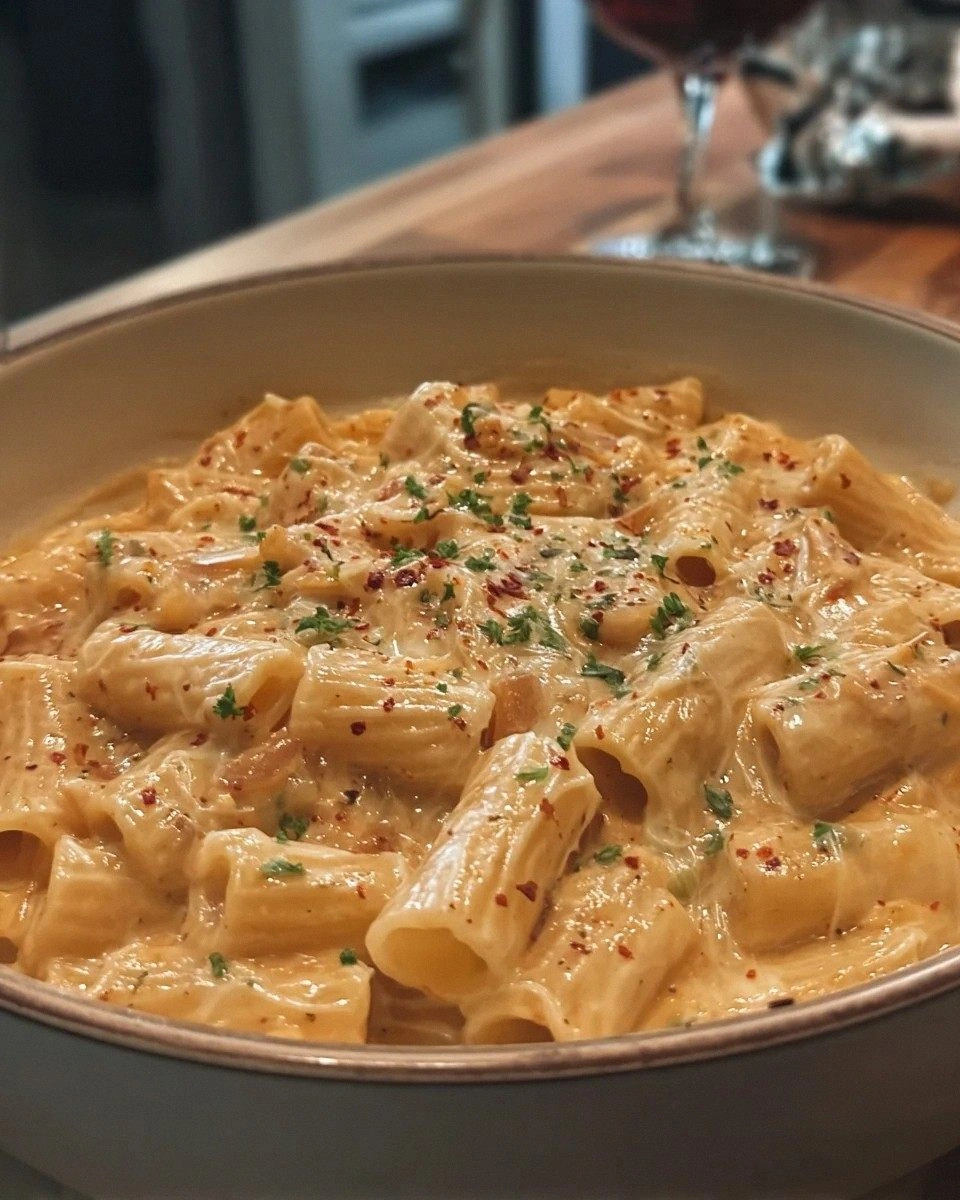
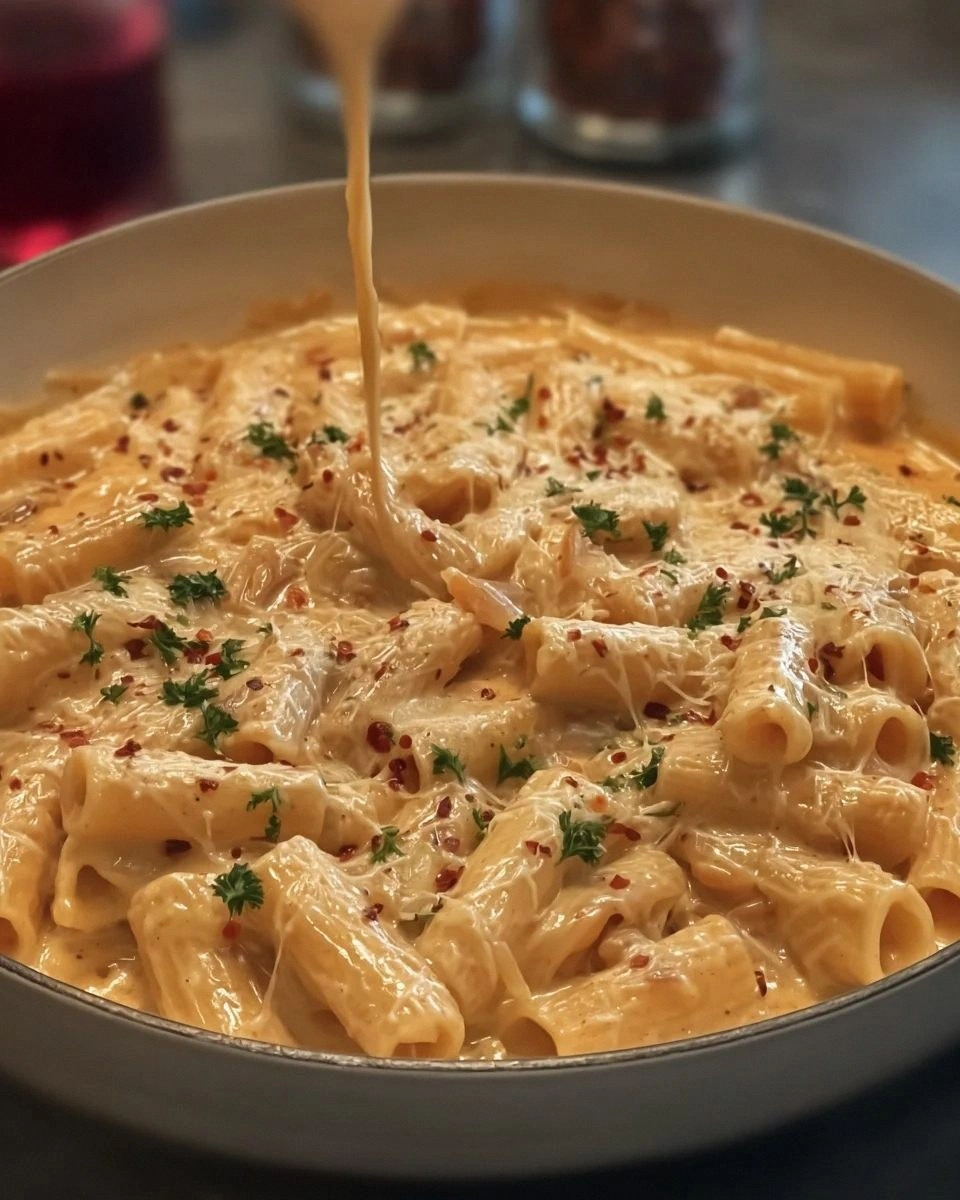
I burned dinner last Tuesday. Not just a little charred-around-the-edges kind of burned—I'm talking smoke-alarm-choir, dog-hiding-under-the-couch, open-every-window-in-January burned. The culprit? A supposedly "quick" weeknight pasta that turned into edible charcoal while I answered one work email. In the carnage of that scorched pot, something glorious rose from the ashes: this French Onion Pasta. Picture this: midnight, me in pajamas, standing over the stove like a mad scientist, caramelizing onions so slowly they practically melt into silk, while the rest of the house sleeps. The smell? Like walking into a Parisian bistro where someone just finished the best French onion soup of their life and decided, "You know what? Let's make this into the most comforting bowl of carbs imaginable." That first forkful was a religious experience—sweet, jammy onions tangled around pasta with a sauce so glossy it could headline a shampoo commercial. I ate it standing up, directly from the skillet, because some foods demand immediate worship and dishes are for people with more self-control than me.
Here's the thing about most French onion pasta recipes floating around the internet—they're posers. They toss in some onions, maybe deglaze with wine, call it a day. But they miss the soul of what makes French onion soup legendary: that patient, borderline-obsessive caramelization that transforms humble onions into something you'd write poetry about if you weren't too busy shoveling it into your face. This version? It respects the process. We're talking forty minutes of onion babysitting, but trust me—those forty minutes will redefine your relationship with alliums forever. The result is a sauce so deeply flavored, so luxuriously smooth, that my neighbor knocked on my door at 1 AM asking if I was running a secret restaurant. (I gave her a taste. She now texts me every Tuesday asking if I'm making "that onion thing" again.)
What makes this recipe dangerously addictive isn't just the onions, though. It's the way the pasta water—yes, that cloudy, starchy liquid you usually pour down the drain—becomes the secret weapon that emulsifies everything into a sauce that coats each noodle like velvet. It's the moment when the Gruyère melts into stretchy, cheesy webs that make you feel like you're eating adult mac and cheese. It's the crispy breadcrumb topping that shatters like thin ice under your fork, revealing the molten layers below. I dare you to taste this and not go back for seconds. Actually, I dare you to not eat half the batch before anyone else gets to try it—confession time: I've done exactly that three times now. My roommate thinks we have pasta gremlins. I haven't corrected her.
Let me walk you through every single step—by the end, you'll wonder how you ever made it any other way. We're about to turn your kitchen into the best bistro in town, minus the overpriced wine list and that one waiter who always judges your pronunciation. Ready to turn onions into gold? Let's do this.
What Makes This Version Stand Out
Depth Charge: Most recipes rush the onions—biggest mistake in the history of pasta. We're taking them past golden, past brown, into that mahogany zone where they taste like onion jam made by someone who truly loves you. The difference between ten-minute onions and forty-minute onions is the difference between a handshake and a bear hug from your grandmother.
Texture Symphony: Silky sauce meets al dente pasta meets crispy breadcrumb topping in a three-way that would make a romance novelist blush. Every bite has contrast—soft, chewy, crunchy—like a well-orchestrated food opera where no texture gets left behind.
One-Pot Wonder: Despite tasting like it came from a restaurant with a three-month waitlist, this whole masterpiece happens in a single skillet. Less dishes, more Netflix time. Your future self—elbow-deep in soapy water—will thank you for this gift.
Cheese Strategy: We're using not one but two cheeses strategically: Gruyère for that nutty, sophisticated flavor that screams French bistro, and a whisper of Parmesan for umami depth. Most recipes just throw in mozzarella and call it French. Sacrilege!
Make-Ahead Magic: The onion base can be made three days ahead and refrigerated, or frozen for a month. Suddenly, weeknight French onion pasta becomes faster than ordering takeout. Picture yourself pulling this out of the oven on a Wednesday night, the whole kitchen smelling incredible, while your neighbors order sad pizza again.
Wine Pairing Built-In: We deglaze with white wine—not just for flavor, but because you'll want to drink the rest of the bottle with dinner. It's called efficiency, look it up. That wine adds acidity that cuts through richness like a hot knife through butter.
Leftover Transformation: This somehow tastes even better the next day, when the flavors have melded into something that makes grown adults consider eating pasta for breakfast. I won't tell if you won't.
Alright, let's break down exactly what goes into this masterpiece...
Inside the Ingredient List
The Flavor Base
Yellow onions are the workhorses here—four large ones might seem excessive, but they cook down to about two cups of jammy perfection. Sweet onions would make everything taste like candy, and red onions turn an unfortunate gray color. Trust the yellow ones; they've been waiting their whole lives for this moment. Slice them pole-to-pole rather than into rings—this breaks down the cell structure differently, giving you that melt-in-your-mouth texture that makes people close their eyes when they eat it. If you're crying while cutting them, congratulations—you're doing it right. Pro tip: freeze them for fifteen minutes first to reduce the tear gas effect.
Unsalted butter is non-negotiable. Salted butter would make the final dish taste like a salt lick by the time we're done reducing everything. European-style butter with higher fat content makes an even silkier sauce, but regular grocery store butter works perfectly fine. Don't you dare use margarine—this is French onion pasta, not a chemistry experiment from 1987.
The Texture Crew
Pasta shape matters more than you'd think. I tested this with eight different shapes (yes, I have that kind of time, don't judge), and rigatoni won by a mile. Those ridges grab onto sauce like they're afraid of letting go, and the tubes create little pockets of onion jam that burst in your mouth like savory gushers. Penne works in a pinch, but avoid long pasta—this sauce needs something to cling to, not slide off of like a kid on a water slide.
The pasta water is liquid gold here—save two cups before draining. That starch is what transforms heavy cream and cheese into a sauce that actually sticks to pasta instead of puddling sadly at the bottom of your bowl. I keep a mug by the stove specifically for this purpose, and you should too. Your pasta will thank you with its life.
The Unexpected Star
A single anchovy filet melts into the onions and disappears, leaving behind a depth of flavor that makes people ask, "What's that amazing thing I can't identify?" Don't skip it—anchovy-haters never know it's there, but anchovy-lovers will appreciate the subtle umami bomb. If you're absolutely morally opposed, substitute a teaspoon of miso paste, but know that you're missing out on culinary magic that would make a French grandmother weep with joy.
The Final Flourish
Gruyère is worth the splurge—those nutty, slightly sweet crystals that form when it melts create little pockets of joy throughout the dish. Pre-shredded cheese contains cellulose that prevents smooth melting, so buy a block and grate it yourself. Your forearms get a workout and your pasta gets the respect it deserves. In a pinch, Swiss cheese works, but you'll lose that sophisticated edge that makes people think you studied abroad in Lyon.
Everything's prepped? Good. Let's get into the real action...
The Method — Step by Step
- Start with your biggest, heaviest skillet—cast iron if you've got it, stainless steel if you don't. Melt four tablespoons of butter over medium heat until it stops foaming and just starts to smell nutty. This is your foundation; rush it and the whole dish tastes like disappointment. Add your mountain of sliced onions with a big pinch of salt—this draws out moisture and starts the caramelization process. Stir every five minutes for the first fifteen minutes, then every two minutes after that. Your kitchen will start smelling like you hired a professional chef. Resist the urge to crank up the heat—low and slow is how we get those deep, complex flavors that make people propose marriage after one bite.
- After forty minutes of onion babysitting (yes, forty—set a timer and don't cheat), they should be the color of antique mahogany and smell like something you'd spread on artisanal toast. Add two minced garlic cloves and that sneaky anchovy, stirring until the anchovy melts into oblivion. The garlic should smell sweet, not sharp—about thirty seconds. If you've ever struggled with this, you're not alone—and I've got the fix: keep the heat medium-low and don't walk away. Garlic burns faster than your ex's new relationship updates on social media.
- Pour in half a cup of dry white wine—something you'd actually drink, not that "cooking wine" travesty from the grocery store. Let it bubble away, scraping up all those gorgeous browned bits from the bottom of the pan. That sizzle when it hits the pan? Absolute perfection. The wine adds acidity that cuts through all that buttery richness like a zinger in a romantic comedy. Reduce until the pan looks almost dry but not quite—about three minutes. Your kitchen now officially smells better than any restaurant in a ten-mile radius.
- While your onions work their magic, bring a large pot of salted water to a boil. Salt it like the sea—this is your only chance to season the pasta itself. Add your rigatoni and cook until just shy of al dente (usually two minutes less than package directions). Before draining, ladle out two cups of that starchy pasta water like you're mining for gold, because in a way, you are. The pasta will finish cooking in the sauce, absorbing all that oniony goodness like a sponge at a flavor convention.
- Here's where the magic happens: add one cup of the reserved pasta water to your onion mixture along with half a cup of heavy cream. Stir like your life depends on it—the sauce will transform from separated to silky right before your eyes. Add your par-cooked pasta and half the Gruyère, tossing constantly until every tube is coated in glossy, cheesy perfection. If it looks too thick, add more pasta water a quarter-cup at a time. Too thin? Let it bubble for another minute. This is the moment of truth; don't walk away from the stove here.
- While everything's bubbling together, make your breadcrumb topping. Melt two tablespoons of butter in a small skillet and add one cup of panko breadcrumbs. Toss constantly until they're golden brown and crispy—about four minutes. Add a pinch of salt and some fresh thyme leaves if you're feeling fancy. These crispy little nuggets are what separate amateur hour from restaurant-quality presentation. Plus, they add that crucial textural contrast that makes people close their eyes when they bite into it.
- Off the heat, stir in the remaining Gruyère and a handful of freshly grated Parmesan. The residual heat will melt everything into a cohesive, stretchy dream. Taste and adjust seasoning—likely needs pepper, possibly more salt depending on your cheese saltiness. The sauce should coat the back of a spoon but still be pourable. If it seizes up, don't panic—add warm pasta water a tablespoon at a time while stirring vigorously. I've saved more seized sauces this way than I care to admit.
- Serve immediately in warmed bowls (cold bowls are the enemy of hot pasta), topped with your crispy breadcrumbs and extra cheese if you're feeling indulgent. Garnish with fresh thyme leaves—they add a pop of color and that herby note that makes everything taste like it was kissed by a Provençal grandmother. The pasta will continue to absorb sauce as it sits, so if you're not serving immediately, keep some warm pasta water handy for loosening. This next part? Pure magic—watch people's faces when they take their first bite.
That's it—you did it. But hold on, I've got a few more tricks that'll take this to another level...
Insider Tricks for Flawless Results
The Temperature Rule Nobody Follows
Room temperature dairy is your best friend here. Cold cream hits hot onions and throws a tantrum, separating into an unappetizing curdled mess that no amount of whisking will fix. Set your cream on the counter when you start the onions, and grate your cheese while it's still slightly chilled—easier grating, better melting. A friend tried skipping this step once—let's just say it didn't end well, and we still don't speak of the grainy disaster that resulted. Your sauce should be smooth enough to make a French chef nod approvingly, not lumpy enough to remind you of cottage cheese.
Why Your Nose Knows Best
Caramelized onions are done when they smell like onion jam, not when they look a certain color. Trust your nose—it develops before your eyes can register the perfect shade. When your kitchen smells like someone opened a gourmet burger joint next door, you're there. This usually happens around the thirty-five-minute mark, but onions are like snowflakes—no two batches are exactly alike. If you're unsure, taste one: it should be sweet, complex, and make you wonder why you don't eat onions like candy.
The 5-Minute Rest That Changes Everything
After you finish the pasta, let it rest off the heat for five minutes before serving. This allows the sauce to thicken slightly and the flavors to meld into something greater than their parts. It's like letting a red wine breathe, but for pasta. Cover the skillet with a lid during this rest—keeps everything warm while the magic happens. I've served this immediately and after resting, and the difference is like comparing a good singer to Adele. Both work, but one gives you chills.
The Cheese Melting Secret
Freshly grated cheese melts infinitely better than pre-shredded stuff coated in cellulose. That anti-caking agent is why your cheese sometimes turns into plastic-y clumps instead of smooth, melty perfection. Buy a microplane and grate directly into the pasta—your forearms get a workout and your sauce gets the respect it deserves. Plus, freshly grated cheese tastes more intensely of cheese, which is exactly what we want here. Store the block wrapped in parchment paper, not plastic wrap, to prevent sliminess.
The Pasta Water Timing
Save your pasta water before you drain, not after. Once those noodles go down the drain, that liquid gold disappears forever into the plumbing abyss. Keep a heatproof measuring cup or mug nearby, and ladle out two cups during the last two minutes of cooking. The water should be cloudy and slightly thickened—this starch is what transforms your sauce from ordinary to restaurant-quality. I've forgotten this step exactly once, and the resulting pasta was so sad, I considered ordering pizza instead of serving it to guests.
Creative Twists and Variations
This recipe is a playground. Here are some of my favorite ways to switch things up:
The Mushroom Lover's Dream
Add eight ounces of sliced cremini mushrooms to the onions during the last fifteen minutes of caramelization. They'll absorb all that oniony goodness while adding their own earthy depth. The mushrooms release moisture initially, then reabsorb the concentrated flavors as they cook down. Use a mix of wild mushrooms if you're feeling fancy—shiitakes add incredible umami, while oyster mushrooms bring a delicate texture. This version tastes like autumn in a bowl, especially with a sprinkle of fresh thyme leaves.
The Bacon Makes Everything Better
Render four slices of chopped bacon in the skillet before starting the onions. Remove the crispy bits and set aside, then cook the onions in the bacon fat instead of butter. The smoky richness infuses every bite, while the reserved bacon gets sprinkled on top with the breadcrumbs. Vegetarians in the room? Skip this version—once you go bacon, there's no going back. The combination of sweet onions and smoky bacon creates that perfect sweet-savory balance that made maple bacon donuts famous.
The Green Goddess Edition
Stir in two cups of baby spinach during the last two minutes of cooking—the residual heat wilts it perfectly without turning it into that sad, overcooked green mush. Add a handful of fresh herbs (parsley, chives, tarragon) right before serving for a bright, spring-like counterpoint to all that richness. This version makes you feel slightly virtuous about eating what is essentially cheese-covered noodles, which is exactly the kind of self-delusion I can get behind.
The Spicy Food Fiend
Add a teaspoon of red pepper flakes to the onions during the last five minutes of caramelization, or stir in a tablespoon of Calabrian chili paste with the cream. The gentle heat builds slowly, creating that perfect warming sensation that makes you keep eating even when you're full. For extreme heat seekers, add a diced jalapeño with the garlic, but know that you're entering territory where the delicate onion flavors might get bullied by the spice.
The Seafood Supreme
Sauté half a pound of shrimp in butter and garlic, then fold them into the finished pasta right before serving. The sweet shrimp play beautifully against the savory onions, creating a surf-and-turf situation that feels incredibly luxurious. Scallops work too—sear them separately and place them on top for restaurant presentation. Just don't overcook them; rubbery seafood in this beautiful sauce would be a crime against humanity.
The Vegan Victory
Replace butter with olive oil, use coconut cream instead of heavy cream, and swap in nutritional yeast and vegan cheese for the dairy. The result isn't identical, but it's surprisingly delicious in its own right. The key is finding a good vegan cheese that actually melts—Miyoko's cultured vegan butter and Violife shredded cheese work wonders. Your vegan friends will think you're a wizard, and honestly, you kind of are.
Storing and Bringing It Back to Life
Fridge Storage
Leftovers keep beautifully in an airtight container for up to four days, though honestly, they've never lasted that long in my house. Store the breadcrumbs separately in a zip-top bag at room temperature—nobody wants soggy toppings. The pasta will absorb sauce as it sits, so it'll be thicker when reheated. This is actually a feature, not a bug—the flavors meld into something even more incredible overnight. I've been known to make this specifically for meal prep, then spend the week feeling like I have my life together.
Freezer Friendly
This freezes surprisingly well, though the cream sauce might separate slightly upon thawing. Freeze in individual portions for emergency comfort food—those nights when you need something that tastes like a hug from the inside. Use freezer-safe containers and leave half an inch of space for expansion. Thaw overnight in the fridge, then reheat gently with a splash of milk or cream to bring everything back together. The breadcrumbs should be made fresh—frozen toppings are sad toppings.
Best Reheating Method
Gentle is the name of the game here. Microwave on 50% power with a damp paper towel over the top, stirring every thirty seconds until just heated through. Better yet, reheat in a skillet over medium-low heat with a splash of water or milk, stirring constantly. Add a tiny splash of water before reheating—it steams back to perfection. Never reheat at high temperatures—the cream will break faster than your resolve on a diet. And now the fun part: top with fresh breadcrumbs and maybe a little extra cheese before serving. Good as new, maybe better.