I remember the night I was invited to a swanky rooftop dinner party, and the host wanted a cheese board that would make everyone stop mid-sip and stare. I stared at the spread, thinking, “If I could just add a touch of luxury, this would be unforgettable.” I tried a dozen variations in the weeks that followed, each time tweaking a single ingredient or the presentation. Finally, after countless experiments and a few disastrous attempts—one time a whole block of brie melted into a gooey puddle on the floor—I cracked the code for the fanciest cheeseboard anyone could imagine.
Picture this: the board is a tapestry of textures, from the buttery smoothness of brie to the crunchy snap of artisan crackers, all crowned with a drizzle of honey that glistens like liquid gold. The aroma is a seductive blend of sharp cheddar, earthy blue cheese, and the sweet perfume of fresh grapes. When you bite, the flavors explode—savory, sweet, tangy, and a hint of brine from the olives—creating a symphony that dances across your palate. The visual appeal is undeniable: vibrant colors, carefully arranged shapes, and a subtle play of light on the glossy honey.
What makes this version stand out is that it’s not just a pile of cheeses and cured meats. It’s a curated experience that balances richness with freshness, and complexity with ease. I’ve distilled the essence of a high-end tasting menu into a board that’s simple to assemble but impossible to forget. From the moment you set it down, your guests will feel the anticipation of a gourmet dinner, even though you’re just serving a board of cheese and fruit.
And there’s a secret ingredient that most people overlook—fig jam. Its subtle sweetness cuts through the saltiness of the meats and the sharpness of the cheeses, bringing harmony to the entire spread. I dare you to taste this and not go back for seconds; it’s a flavor revelation that will leave your taste buds dancing. If you’re ready to elevate your next gathering, let me walk you through every single step—by the end, you’ll wonder how you ever made a cheese board any other way.
What Makes This Version Stand Out
- Flavor: A balanced palette that marries sharp, creamy, and sweet elements, creating a layered tasting experience.
- Texture: Contrasting surfaces—from silky brie to crunchy crackers—engage the senses beyond mere taste.
- Presentation: A visually stunning arrangement that turns a simple board into a centerpiece.
- Ingredient Quality: Only premium, artisanal cheeses and hand‑picked produce make the cut.
- Make‑Ahead: Most components can be prepped a day ahead, freeing you for the final assembly.
- Versatility: Works for formal soirées, casual brunches, or intimate dinner parties.
- Audience Impact: Guests often leave with a story about the board’s unforgettable flavors.
- Time Efficiency: The entire process takes under an hour, yet it feels luxurious.
Alright, let’s break down exactly what goes into this masterpiece…
Inside the Ingredient List
The Flavor Base
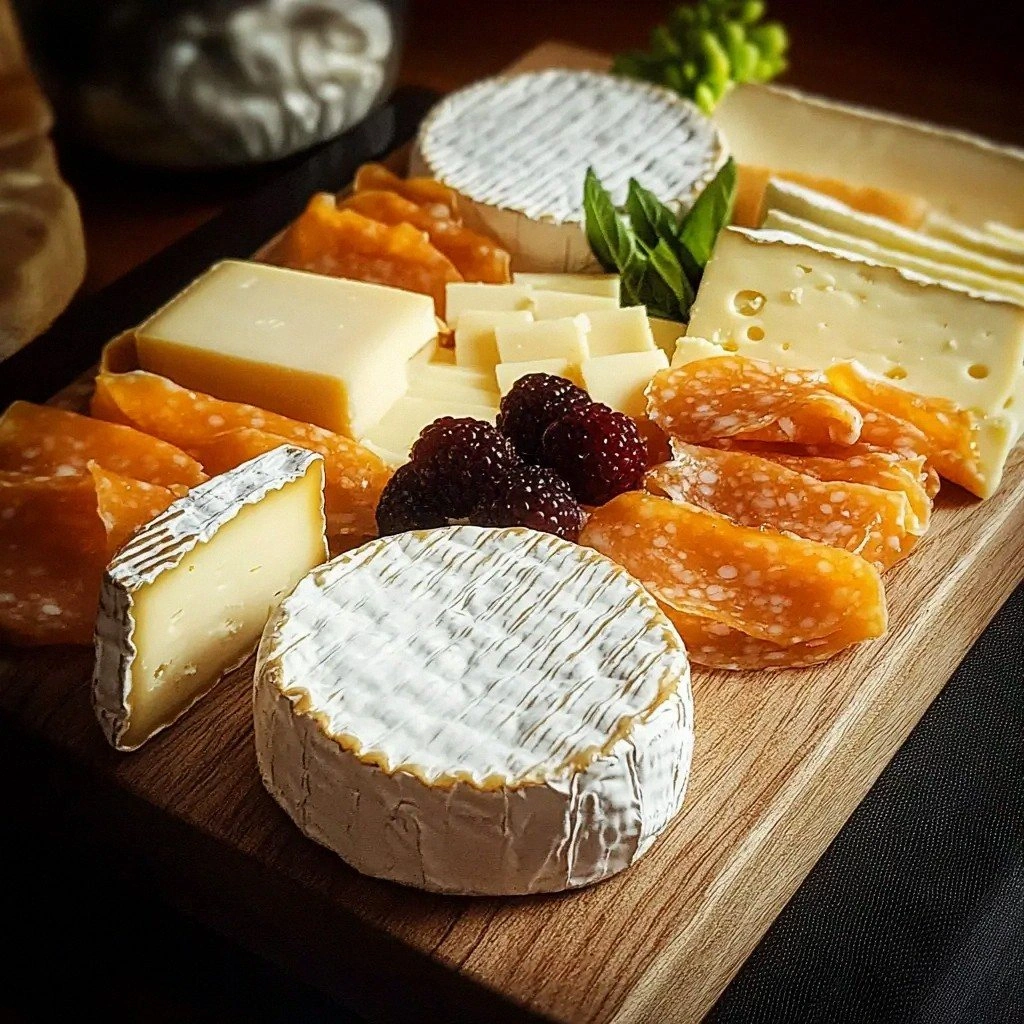
The heart of any cheese board lies in its cheeses. In this version, I’ve chosen a quartet of flavors that complement each other. Aged cheddar provides a sharp, nutty bite that cuts through the richness of the other cheeses. Brie offers silky creaminess and a buttery aroma that lingers on the tongue. Gouda, with its caramel undertones, adds depth and a hint of sweetness. Blue cheese delivers a pungent punch that balances the sweeter elements.
If you skip any of these, the board loses its dynamic range. For instance, omitting the blue cheese would make the spread feel flat, while leaving out the cheddar would remove the necessary bite that keeps the palate engaged. Swap cheddar for a sharp provolone if you prefer a milder sharpness, but keep the Gouda for that caramel note.
The Texture Crew
Crunch is essential to break the monotony of soft cheeses. Artisan crackers—preferably a buttery, lightly salted variety—provide the necessary crunch. Baguette slices add a chewy, slightly crisp edge, while a handful of mixed nuts (almonds, walnuts) inject a satisfying bite and a nutty finish. Each element contributes a different mouthfeel, turning each bite into a multi‑sensory experience.
If you’re short on crackers, substitute with crispbread or even toasted pita chips. Just be sure the texture remains varied; otherwise, the board feels like a single, repetitive bite.
The Unexpected Star
Fig jam is the secret sauce that ties everything together. Its deep, caramelized sweetness cuts through the saltiness of the cured meats and the sharpness of the cheeses. The jam also adds a glossy sheen to the board, enhancing its visual appeal. A drizzle of honey over the brie and goat cheese creates a subtle contrast that elevates the overall flavor profile.
If you’re allergic to figs, a date spread or a quince paste can serve as an excellent substitute. Just keep the sweetness level consistent to maintain balance.
The Final Flourish
Fresh fruit and fruit preserves are the final flourish that brings brightness to the board. Fresh grapes (both red and green) offer juicy bursts that cleanse the palate. Fresh figs add a chewy, sweet texture that pairs beautifully with the cheeses. Olives—green or black—provide a briny counterpoint, while pickles add a tangy punch that brightens the overall profile.
If you’re in a pinch, dried apricots or dried cranberries can substitute for fresh fruit, but be mindful of added sugars. A small jar of marinated artichoke hearts also offers a savory, briny note that works well with blue cheese.
Everything's prepped? Good. Let's get into the real action…
The Method — Step by Step
- Begin by arranging the cheeses on a large wooden board or slate. Place the aged cheddar in a corner, the brie in the center, Gouda on the opposite side, and the blue cheese in a small pile. This arrangement not only looks balanced but also allows guests to see each type clearly.
- Next, add the crackers. Lay them in a fan shape around the cheeses, ensuring each type of cracker gets a fair share of space. This step is crucial because the crackers should complement, not overpower, the cheeses.
- Place the baguette slices along the outer edge of the board, leaving a small gap between each slice. The baguette offers a chewy texture that contrasts beautifully with the smooth cheeses.
- Scatter the mixed nuts between the cheeses and crackers. This not only adds crunch but also creates a natural divider that guides the eye around the board.
- Now it’s time for the sweet touch: drizzle a thin line of honey over the brie and goat cheese. The honey should be thin enough to coat but not soak, creating a glossy sheen.
- Spread the fig jam in a small bowl and place it in the center of the board, surrounded by a ring of fresh grapes. The grapes act as a palate cleanser and add a pop of color.
- Add the olives in a small pile on one side of the board. The olives provide a salty, briny contrast that lifts the overall flavor profile.
- Finish by placing pickles in a neat row on the opposite side of the olives. The pickles add a tangy punch that balances the sweetness of the fig jam and honey.
That’s it—you did it. But hold on, I’ve got a few more tricks that will take this to another level…
Insider Tricks for Flawless Results
The Temperature Rule Nobody Follows
Cheeses are sensitive to temperature. Keep them at room temperature for at least 30 minutes before serving. This allows the fats to soften, releasing more flavor and creating a silkier texture. I’ve seen people serve cheeses straight from the fridge, and the result is a dull, unremarkable bite. Trust me, a few minutes out of the fridge makes a world of difference.
Why Your Nose Knows Best
Smell is a powerful indicator of quality. As you arrange the board, pause and inhale each cheese. A sharp cheddar should smell nutty; a blue cheese should carry a distinct, earthy aroma. If a cheese feels off—like it’s too dry or has a sour smell—consider replacing it. Your nose is the best quality control tool you can have.
The 5-Minute Rest That Changes Everything
After arranging the board, let it rest on a cool surface for five minutes before serving. This allows the flavors to meld and the honey glaze to set. A friend once skipped this step and ended up with a board that looked beautiful but tasted flat. That extra pause transforms the experience.
Balancing Sweet and Savory
The key to a great cheese board is balance. If you find the board leaning too sweet, add a few salty elements like olives or cured meats. Conversely, if it feels too salty, introduce a sweet counterpoint like grapes or figs. This dance of flavors keeps each bite interesting and prevents palate fatigue.
Presentation Matters
Use a board that’s a few inches wider than the cheeses. This prevents overcrowding and gives each item room to breathe. A wooden board adds warmth, while a slate board offers a sleek, modern look. If you’re short on space, consider stacking crackers and nuts in small bowls to keep the board tidy.
Creative Twists and Variations
This recipe is a playground. Here are some of my favorite ways to switch things up:
Spicy Mediterranean
Swap the blue cheese for a smoky feta and add a small bowl of roasted red pepper spread. Include kalamata olives and a drizzle of olive oil with cracked pepper. This version brings a Mediterranean flare that pairs wonderfully with crusty bread.
Breakfast Brunch
Replace the baguette with croissant slices and add a selection of fresh berries. Include a small dish of scrambled eggs or a mini quiche. This turns the board into a savory breakfast spread that’s perfect for Sunday brunch.
Vegan Delight
Use vegan cheeses like cashew‑based cheddar, a creamy plant‑based brie, and a nutty blue cheese alternative. Add sliced cucumber, cherry tomatoes, and a small bowl of hummus. This version satisfies plant‑based guests without compromising on flavor.
Wine Pairing Edition
Add a small selection of wines—perhaps a crisp Sauvignon Blanc, a robust Cabernet Sauvignon, and a sweet Riesling. Pair each wine with a specific cheese: the Sauvignon Blanc with the goat cheese, the Cabernet with the aged cheddar, and the Riesling with the brie. This creates a mini tasting experience that elevates the board.
Holiday Glam
Incorporate seasonal fruits like pomegranate seeds, dried cranberries, and candied citrus peel. Add a touch of gold leaf on the brie for a festive look. This version is perfect for holiday gatherings and adds a touch of sparkle to the presentation.
Storing and Bringing It Back to Life
Fridge Storage
Store the cheeses in an airtight container in the refrigerator for up to 48 hours. Wrap each cheese in parchment paper before sealing to prevent moisture buildup. Keep the board chilled until you’re ready to serve to maintain freshness.
Freezer Friendly
Cheese does not freeze well, but you can freeze the crackers and nuts. Wrap them tightly in plastic wrap and store in a freezer bag. When ready, let them sit at room temperature for 15 minutes before adding them to the board.
Best Reheating Method
If you need to reheat the board, wrap the cheeses and crackers in foil and warm in a 300°F oven for 5 minutes. Add a tiny splash of water to the foil packet; it steams the cheeses back to perfection without drying them out.