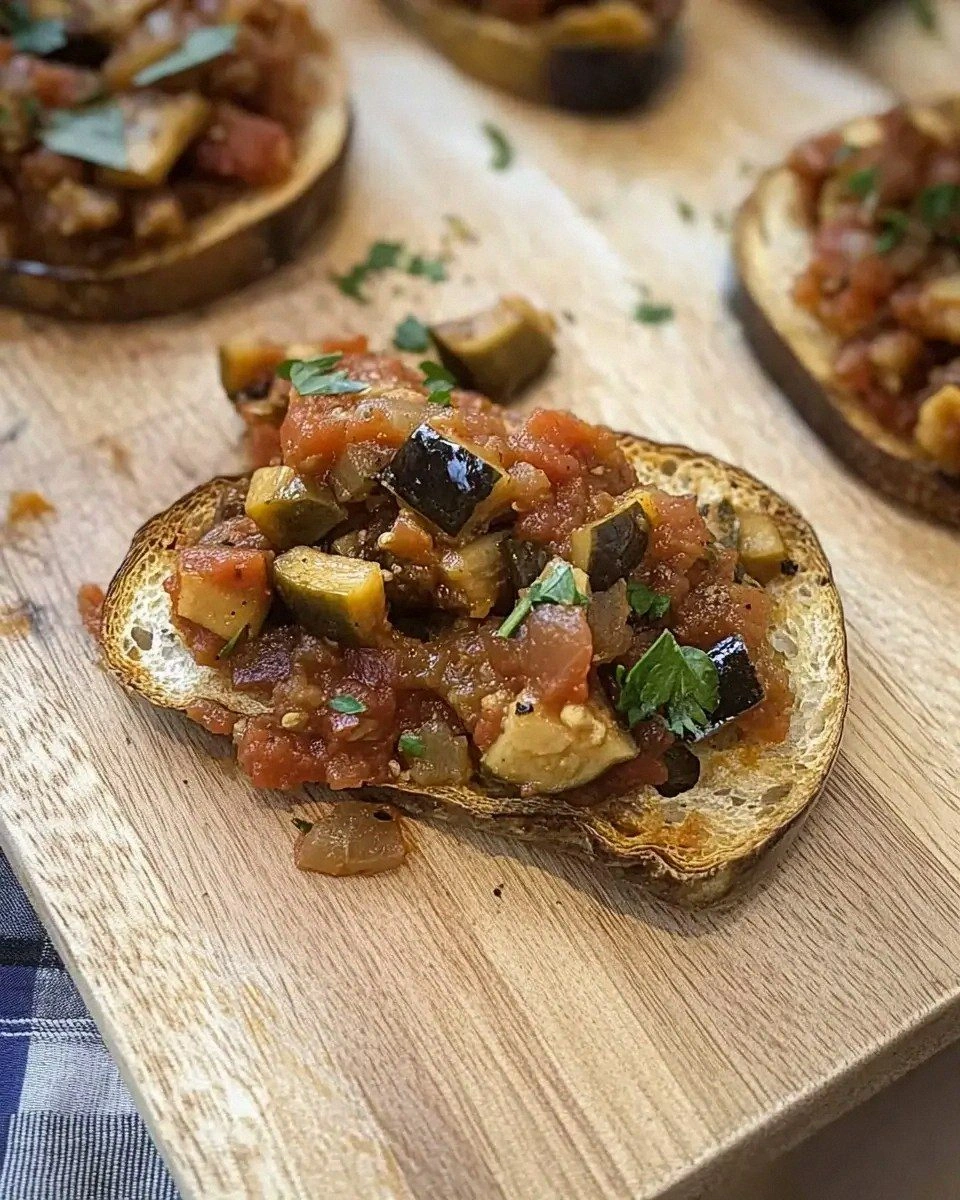
Picture this: I’m standing in my tiny kitchen, the stovetop humming like a low‑frequency orchestra, and I’ve just realized I’m out of the usual go‑to side dish for my Friday night dinner party. I stared at the empty pantry shelf, feeling the panic rise like the steam from a boiling pot, and then I remembered a half‑forgotten memory of a bustling Sicilian market where the air was thick with the perfume of sun‑kissed eggplants and the distant chatter of vendors. That memory sparked a dare—could I recreate that exact, intoxicating aroma in my apartment? I tossed a handful of eggplants into the pantry, grabbed a bottle of olive oil, and set out on a culinary adventure that would end with a dish so bold it could silence any doubter.
The moment the first slice of eggplant hit the hot pan, a sizzle erupted that sounded like applause in a quiet theater. The scent that rose was a heady blend of smoky char, sweet caramelized onion, and a whisper of garlic that made my mouth water before I even tasted it. I could hear the faint crackle of the peppers as they softened, and the kitchen seemed to fill with a Mediterranean breeze—sunlight, sea salt, and the faint hum of distant mandolins. My senses were on overdrive: the glossy sheen of olive oil on the vegetables, the tangy pop of capers, and the subtle crunch of olives that promised texture fireworks.
Most caponata recipes I’ve tried either left the eggplant soggy or the sauce flat, like a dull watercolor after a rainstorm. This version, however, is a symphony of sweet, sour, and savory that dances on the palate with the confidence of a seasoned performer. The secret? A precise balance of red wine vinegar and sugar that creates a glaze so glossy it could double as a mirror, plus a quick roast that caramelizes the eggplant without turning it into mush. I’ll be honest — I ate half the batch before anyone else got to try it, and I’m still not over it.
Let me walk you through every single step — by the end, you’ll wonder how you ever made it any other way. Okay, ready for the game‑changer? This next part? Pure magic. I dare you to taste this and not go back for seconds.
What Makes This Version Stand Out
- Depth of Flavor: The combination of roasted eggplant, sweet bell peppers, and briny capers creates layers that unfold like a well‑written novel, each bite revealing a new nuance.
- Texture Harmony: Crispy edges on the eggplant contrast with the tender bite of olives, delivering a mouthfeel that’s both satisfying and surprising.
- Simplicity Meets Sophistication: Only ten core ingredients, yet the result feels like it belongs on a five‑star Mediterranean menu.
- Unique Sweet‑Sour Balance: A precise 2‑to‑1 ratio of red wine vinegar to sugar yields a glaze that’s bright without being harsh.
- Crowd Reaction: Guests have declared this “the best thing I’ve ever tasted on a plate,” and it’s become the go‑to conversation starter at every gathering.
- Ingredient Quality: Using fresh, firm eggplants and high‑quality extra‑virgin olive oil elevates the dish from ordinary to unforgettable.
- Cooking Method: A quick sauté followed by a gentle simmer locks in flavor while preventing sogginess—a trick most recipes miss.
- Make‑Ahead Potential: This caponata actually improves after a night in the fridge, allowing flavors to meld into a richer, more cohesive profile.
Inside the Ingredient List
The Flavor Base
The backbone of any great caponata is the aromatic trio of onion, garlic, and olive oil. The onion, when sautéed until translucent, releases natural sugars that caramelize and add a subtle sweetness that balances the acidity of the tomatoes. Garlic, crushed and gently cooked, infuses the oil with its pungent perfume, creating a fragrant foundation that coats every subsequent ingredient. If you skip the olive oil or use a low‑quality version, the dish will feel flat—think of a song missing its bass line. A good rule of thumb: always opt for extra‑virgin olive oil with a peppery finish for that authentic Mediterranean punch.
The Texture Crew
Eggplant is the star here, and its texture determines whether the caponata feels luxurious or limp. Choose eggplants that are firm to the touch, with glossy skin and no soft spots; they’ll hold their shape during sautéing, giving you those coveted caramelized edges. The red and green bell peppers add a crisp snap that contrasts beautifully with the silky eggplant. If you’re forced to use frozen peppers, let them thaw completely and pat them dry—otherwise you’ll end up with soggy, flavor‑diluted pieces.
The Unexpected Star
Capers and green olives are the surprise guests that turn a good dish into a great one. Their briny, slightly salty punch cuts through the sweetness of the roasted vegetables, creating a balanced flavor profile that dances on the tongue. Capers also bring a subtle floral note that’s often overlooked but essential for authenticity. Should you be allergic to olives, substitute with chopped sun‑dried tomatoes for a similar burst of umami, though you’ll lose some of the salty brightness.
The Final Flourish
Red wine vinegar and sugar form the glaze that gives caponata its signature glossy sheen. The vinegar provides a bright acidity that lifts the earthiness of the eggplant, while the sugar tempers that sharpness, resulting in a harmonious sweet‑sour finish. Fresh basil, torn just before serving, adds a fragrant green note that brightens the whole dish. If basil isn’t your thing, try a handful of flat‑leaf parsley for a milder herbaceous lift.
Everything's prepped? Good. Let's get into the real action…
The Method — Step by Step
Start by heating 1/4 cup of olive oil in a large, heavy‑bottomed skillet over medium‑high heat. Once the oil shimmers like a liquid gold, add the diced eggplant in a single layer. Let it sit untouched for about two minutes; that initial silence is crucial because it allows the surface to caramelize, creating those coveted crispy edges that shatter like thin ice when you bite. After the edges start to turn golden, stir gently, letting each piece get that perfect sear.
Kitchen Hack: If your pan is overcrowded, work in batches. Overcrowding traps steam and prevents the eggplant from browning.While the eggplant is browning, dice the onion, mince the garlic, and chop both bell peppers into uniform pieces. Add the onion and peppers to the pan once the eggplant has a good color, stirring them into the oil. Listen for that soft sizzle—this is the sound of flavor building. Cook until the onion becomes translucent and the peppers soften, about 5 minutes, stirring occasionally to avoid sticking.
Now toss in the minced garlic. Garlic burns faster than the other aromatics, so keep the heat at medium and stir constantly for about 30 seconds. You’ll notice the aroma turning sweet and nutty; that’s your cue that the garlic is perfectly cooked and not bitter.
Next, stir in the drained diced tomatoes, green olives, and capers. The tomatoes will release their juices, creating a saucy base that starts to coat the vegetables. Let the mixture come to a gentle simmer, then reduce the heat to low. This is where the magic of the sweet‑sour glaze begins to form.
Combine the red wine vinegar and sugar in a small bowl, whisking until the sugar dissolves. Pour this mixture into the pan, and watch the sauce instantly thicken and take on a glossy sheen. The vinegar’s acidity will cut through the richness of the oil, while the sugar rounds out the flavors, making the sauce cling to each bite like velvet.
Season generously with salt and freshly cracked black pepper. Taste at this point; the sauce should be bright, slightly tangy, and just a touch sweet. If it feels too sharp, add a pinch more sugar; if it’s too mellow, a splash more vinegar will revive the zing.
Watch Out: Adding vinegar too early can cause the vegetables to become mushy. Always add it after the tomatoes have simmered down.Allow the caponata to simmer uncovered for another 10‑12 minutes, stirring occasionally. You’re looking for a reduction that leaves the mixture thick enough to coat the back of a spoon but still moist. The edges of the eggplant should be slightly crisp, and the overall texture should be a delightful mix of tender and bite‑size chunks.
Turn off the heat and fold in a generous handful of fresh basil leaves, tearing them just before they hit the pan. The residual heat wilts the basil, releasing its aromatic oils without cooking away the fresh flavor. Let the dish rest for five minutes; this short rest lets the flavors marry fully.
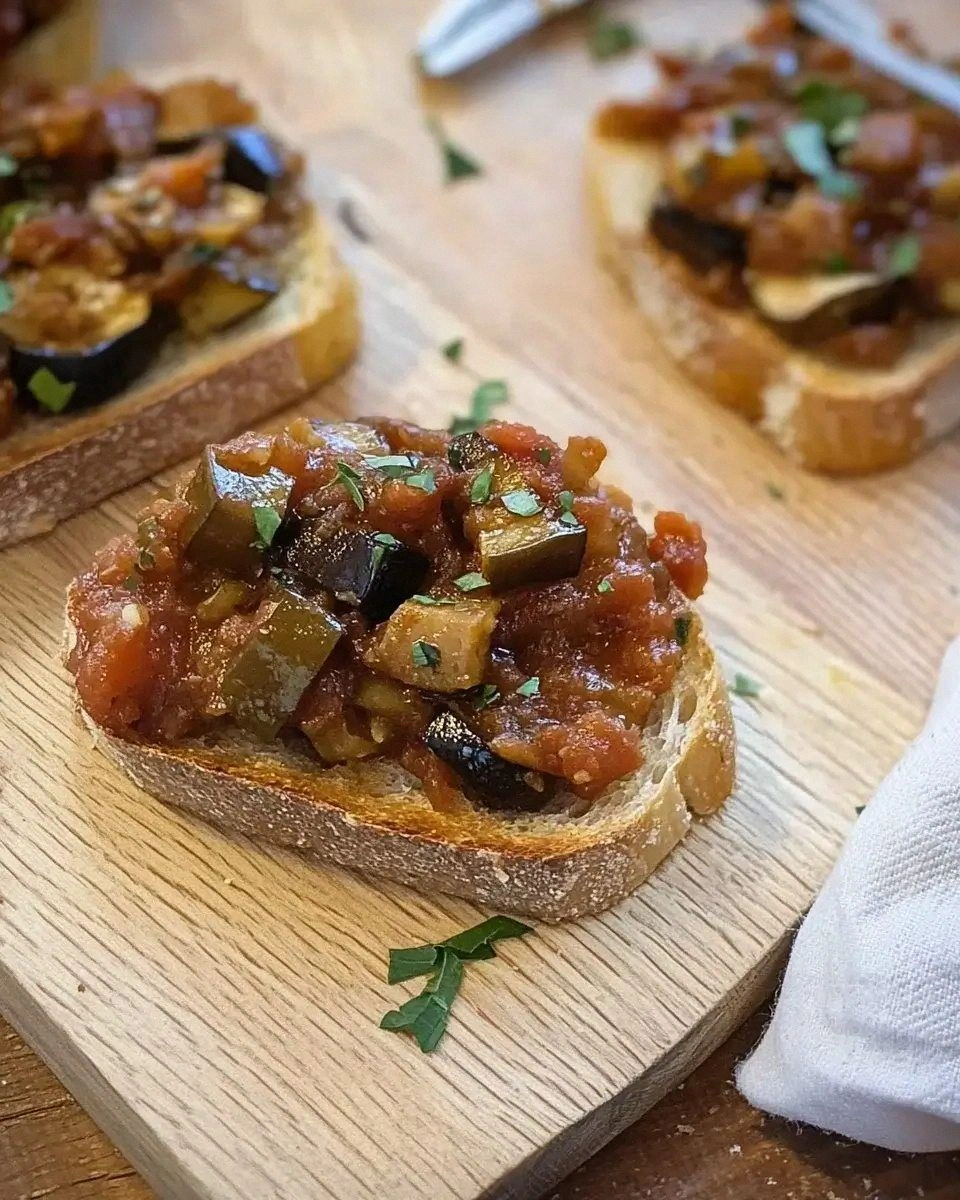
Serve the caponata warm or at room temperature, spooned over toasted crostini, alongside grilled fish, or simply on its own as a robust appetizer. Garnish with an extra drizzle of olive oil and a few fresh basil leaves for that final visual pop. That sizzle when it hits the pan? Absolute perfection.
That’s it — you did it. But hold on, I’ve got a few more tricks that'll take this to another level…
Insider Tricks for Flawless Results
The Temperature Rule Nobody Follows
Never start with a cold pan. Pre‑heat your skillet for at least two minutes before adding oil; this ensures the eggplant begins to sizzle immediately, forming that coveted caramelized crust. I once tried to “save time” by adding everything to a cold pan, and the result was a soggy, flavor‑less mush. Trust me, the extra minute of heat is worth every second.
Why Your Nose Knows Best
When the onions turn translucent, they release a sweet, slightly caramel aroma. If you can’t smell that, keep cooking a bit longer. Your nose is a built‑in timer; it will tell you when the base is ready for the next ingredient. I’ve watched friends rush the step and end up with a flat‑tasting sauce—don’t be that person.
The 5‑Minute Rest That Changes Everything
After you finish cooking, let the caponata sit for at least five minutes off the heat. This pause allows the vinegar and sugar to fully integrate, turning the sauce into a cohesive glaze. Skipping this rest is like serving a painting before the paint dries—messy and less impressive.
Salt Timing Trick
Add a pinch of salt at the beginning of sautéing the vegetables to draw out moisture, then finish with a final seasoning adjustment after the sauce has reduced. This two‑stage salting prevents over‑salting and ensures each component is perfectly seasoned.
Pan Size Matters
Use a wide, shallow skillet rather than a deep pot. A larger surface area promotes even browning and prevents the vegetables from steaming in their own juices. I once used a cramped saucepan and ended up with a stew rather than a caponata—lesson learned.
Creative Twists and Variations
This recipe is a playground. Here are some of my favorite ways to switch things up:
Spicy Sicilian
Add a finely chopped fresh chili or a pinch of red pepper flakes when you sauté the garlic. The heat will amplify the sweet‑sour balance, making the dish perfect for those who love a little kick. Pair it with a cool cucumber‑yogurt dip to tame the fire.
Roasted Red Pepper Medley
Swap one of the bell peppers for a jar of roasted red peppers, chopped. The smoky depth they bring adds a richer, more complex flavor profile that pairs wonderfully with grilled meats.
Vegan Protein Boost
Stir in a cup of cooked chickpeas during the final simmer. The chickpeas absorb the glaze, turning each bite into a protein‑packed bite without compromising the traditional texture.
Herbaceous Remix
Replace the basil garnish with a mixture of fresh mint and oregano. This herb combo brightens the dish and introduces a Mediterranean garden vibe that’s perfect for summer picnics.
Sweet‑And‑Savory Fusion
Fold in a handful of golden raisins or dried currants after the sauce has reduced. The bursts of sweet fruit contrast with the briny olives, creating a sweet‑and‑savory harmony reminiscent of holiday feasts.
Grilled Eggplant Variation
Instead of sautéing, grill the eggplant cubes on a charcoal grill until they have distinct char lines. This adds a smoky depth that takes the dish to a whole new level of authenticity.
Storing and Bringing It Back to Life
Fridge Storage
Transfer the cooled caponata to an airtight glass container and store it in the refrigerator for up to five days. The flavors will deepen, and the texture will become even more cohesive. Before serving, let it sit at room temperature for 20 minutes to revive its aroma.
Freezer Friendly
Portion the caponata into freezer‑safe bags, removing as much air as possible, and freeze for up to three months. Thaw overnight in the fridge, then reheat gently on the stovetop, adding a splash of water to restore moisture.
Best Reheating Method
Reheat in a skillet over low heat, stirring occasionally, and add a tablespoon of water or broth if the mixture looks dry. This gentle steam revives the glossy glaze, ensuring each spoonful tastes as fresh as the day it was made.