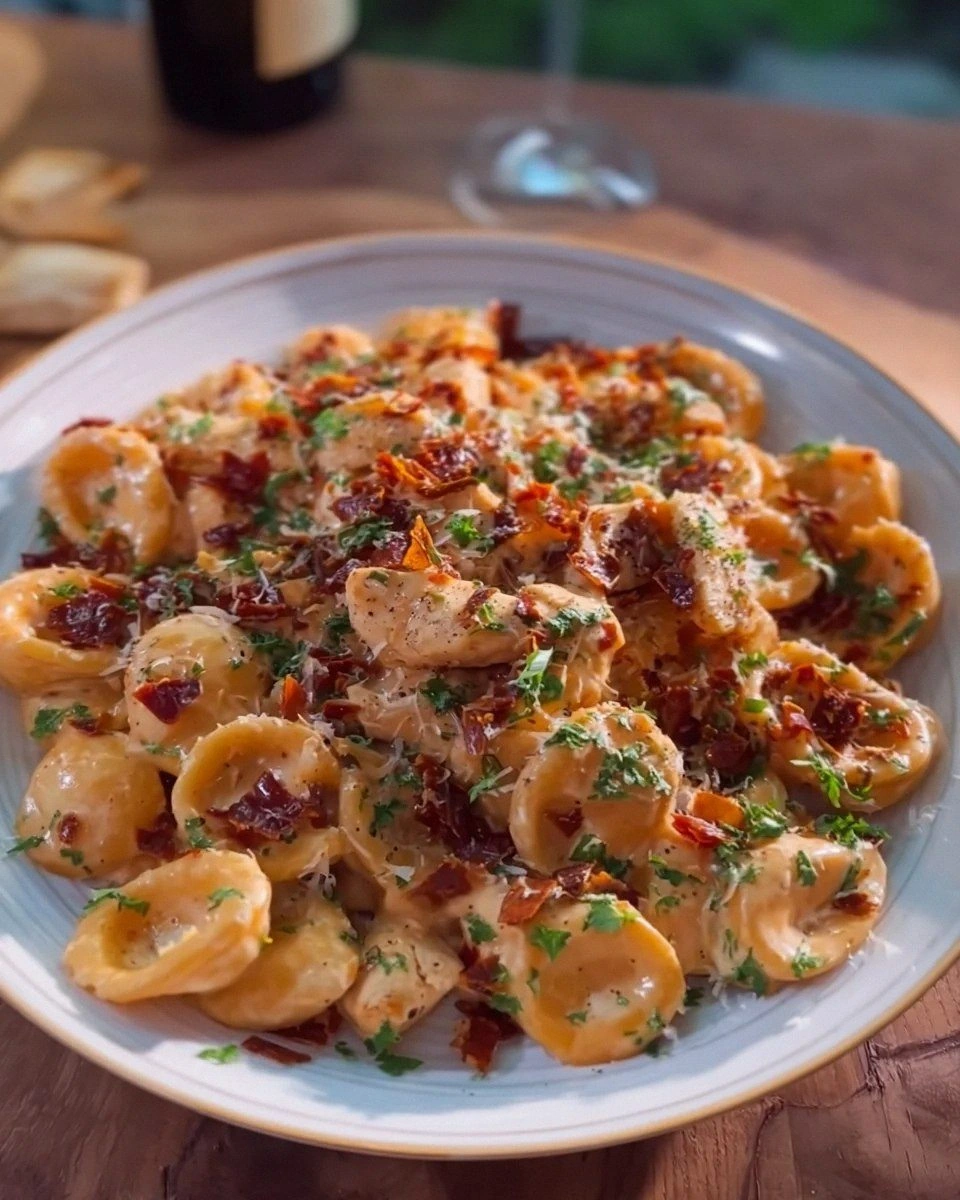
I was standing in my tiny kitchen, eyes glued to a burnt toast that had turned a dark, ominous shade of charcoal. The smell of scorched bread wafted through the air, and I thought, “I’m never making breakfast again.” That night, I decided to experiment, to rescue the day with something that would lift the mood and satisfy the hunger that had been gnawing at me. The result? A sandwich that feels like a hug in every bite, and it’s the kind of comfort food that turns a bad day into a bright one.
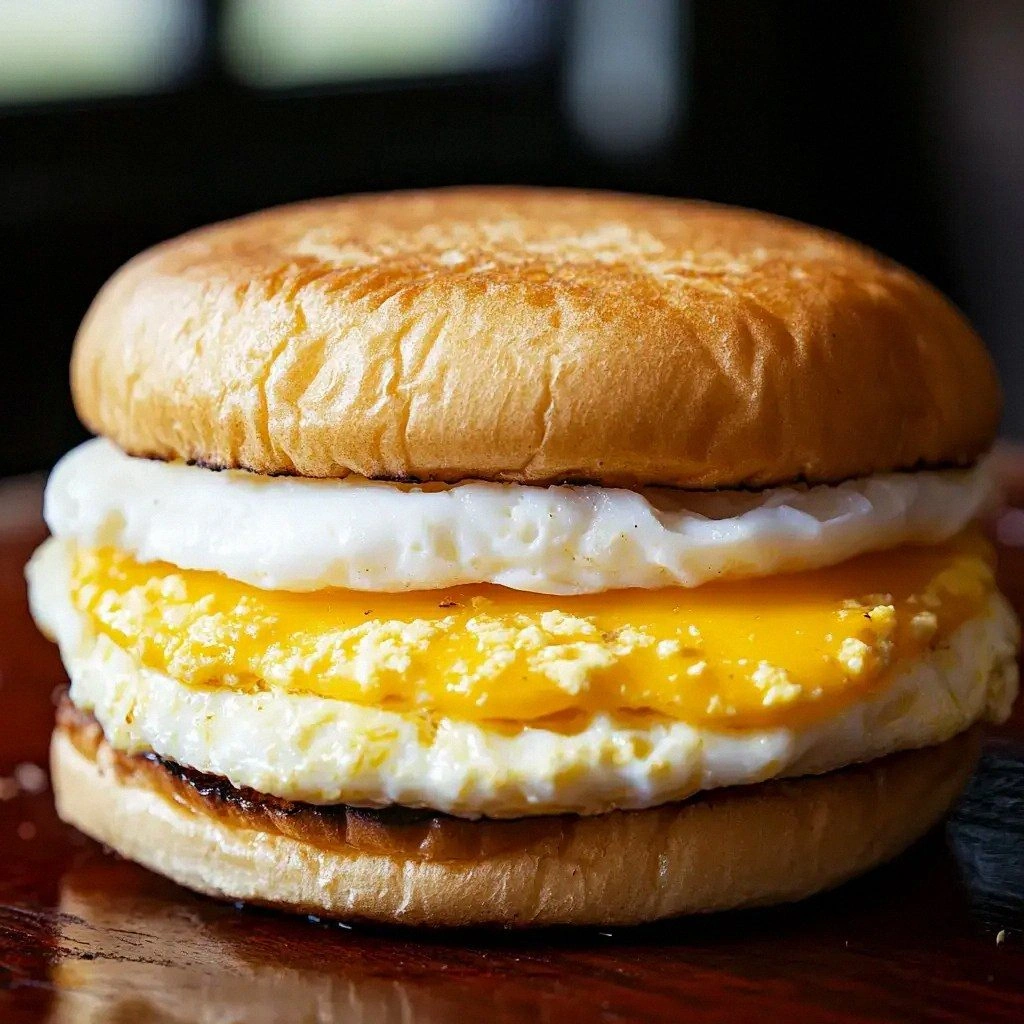
Picture this: the bread is golden and crisp, the eggs are fluffy with a delicate, almost cloud‑like texture, and the cheese melts into a silky, molten river that coats every corner of the sandwich. The aroma is a blend of buttery richness, a hint of garlic from the pan, and the subtle earthiness of fresh herbs. When you take a bite, the crunch gives way to a buttery melt, and the savory juices dance across your palate. The sound of the first bite is that satisfying crackle, a small triumph over the kitchen mishap that started it all.
What makes this version stand out is that it’s not just a sandwich—it’s a symphony of flavors, textures, and techniques that most recipes miss. It uses a simple pan‑toasting method that locks in moisture while creating a caramelized crust, a technique I learned from a chef who swears by it. It also balances the richness of eggs and cheese with a touch of acidity from fresh herbs, preventing the sandwich from feeling heavy. The result is a sandwich that’s both indulgent and surprisingly light, a paradox that will keep you coming back for seconds.
I dare you to taste this and not go back for seconds. I’ll be honest—I ate half the batch before anyone else got to try it. The next part of this recipe is where the magic happens, and I’m excited to walk you through each step. By the end, you’ll wonder how you ever made it any other way.
What Makes This Version Stand Out
- Flavor: The combination of eggs, sharp cheddar, and fresh herbs creates a layered taste profile that is both comforting and complex. The herbs add a bright counterpoint that lifts the richness of the cheese.
- Texture: The sandwich boasts a crisp exterior and a silky, molten interior. The contrast keeps each bite exciting and prevents the sandwich from becoming soggy.
- Simplicity: With only a handful of ingredients and a single pan, the recipe is approachable for beginners and efficient for seasoned cooks.
- Uniqueness: The pan‑toasting technique, combined with the optional ham or bacon, gives this sandwich a distinct edge that sets it apart from classic grilled cheese.
- Crowd Reaction: Friends who have tried it rave about how it feels like a breakfast staple that can double as a quick lunch or late‑night snack.
- Ingredient Quality: Using high‑quality cheddar and fresh bread ensures that every bite delivers maximum flavor.
- Cooking Method: The single‑pan approach eliminates the need for a separate skillet for eggs, saving time and cleanup.
- Make‑Ahead Potential: The sandwich can be assembled ahead of time and reheated without losing its crunch or melt.
Inside the Ingredient List
The Flavor Base
Eggs are the heart of this sandwich. They bring a creamy, protein‑rich foundation that balances the sharpness of the cheddar. If you skip the eggs, you’ll lose the luxurious mouthfeel and the sandwich will feel more like a plain cheese melt. For a richer flavor, use a combination of whole eggs and a splash of milk; it makes the eggs fluffier and less dense.
Cheddar cheese is the star that delivers that signature melt. A sharp cheddar adds a bite, while a milder cheddar offers a smoother, more buttery taste. If you’re feeling adventurous, try a blend of cheddar and Gruyère for a nutty undertone. The cheese also provides a slight umami punch that elevates the entire sandwich.
The Texture Crew
Bread slices are the canvas. A sturdy, crusty loaf holds up to the eggs and cheese without becoming mushy. Opt for a sourdough or a hearty whole‑grain bread to add a chewy bite. If you use a softer bread, consider toasting it first to maintain structure.
Butter is essential for that glossy finish and a subtle, savory flavor that coats the bread. A small amount of butter also creates a barrier that keeps the sandwich from becoming soggy. If you prefer a lighter version, swap butter for olive oil, but be prepared for a slightly different mouthfeel.
The Unexpected Star
Fresh herbs—parsley or chives—bring a burst of green and a bright, slightly peppery note that cuts through the richness. They also add a pop of color that makes the sandwich visually appealing. If you’re out of fresh herbs, a pinch of dried oregano or a dash of smoked paprika can work as a stand‑in.
The Final Flourish
Optional ham or bacon adds a smoky, salty dimension that makes the sandwich feel like a hearty breakfast. If you choose ham, slice it thin to ensure it melts smoothly. Bacon, on the other hand, offers a crisp texture that contrasts nicely with the soft eggs. Either option can be omitted for a vegetarian version.
Everything’s prepped? Good. Let’s get into the real action.
The Method — Step by Step
- Heat a cast‑iron skillet over medium heat and add 1 tablespoon of butter. Let it melt until it starts to foam but not brown. This creates a buttery base that prevents sticking and gives the bread a golden crust. Watch the butter; once it turns a light amber, it’s ready.
- While the skillet warms, lightly toast the bread slices on a separate pan or toaster until they’re just beginning to brown. The goal is a slightly crispy exterior that can hold the eggs and cheese without becoming soggy. Set them aside on a plate.
- Crack four eggs into a bowl, whisk gently with a pinch of salt and pepper until the whites and yolks are fully blended but not frothy. The whisked eggs will cook more evenly and create a smooth, fluffy texture. If you prefer a richer taste, add a tablespoon of milk.
- Pour the eggs into the hot skillet, tilting the pan to spread them into a thin, even layer. Let them cook for about 30 seconds until the edges start to set, then gently lift the edges with a spatula to let the uncooked egg flow underneath. This technique ensures a perfectly cooked, fluffy layer.
- Sprinkle 1 cup of shredded cheddar cheese evenly over the eggs, followed by a handful of chopped fresh herbs. The heat will melt the cheese into a silky, golden layer that coats the eggs. If you’re using ham or bacon, add it now for a smoky kick.
- Place two toasted bread slices on top of the cheese, pressing gently to seal the sandwich. Flip the entire sandwich with a spatula, ensuring the cheese stays in place. Cook for another 2–3 minutes, until the bottom slice is golden brown and the cheese has fully melted.
- Using the spatula, carefully slide the sandwich onto a cutting board. Let it rest for 30 seconds; this allows the juices to redistribute and prevents the sandwich from tearing apart. Slice in half diagonally for an elegant presentation.
- Serve immediately with a side of fresh fruit or a drizzle of hot sauce if you like a little heat. The sandwich is best enjoyed hot, when the cheese is still molten and the bread remains crisp.
That’s it — you did it. But hold on, I’ve got a few more tricks that will take this to another level. Stick around for the insider tips and variations that will make this sandwich a staple in your breakfast rotation.
Insider Tricks for Flawless Results
The Temperature Rule Nobody Follows
The key to a perfect sandwich is medium heat. Too low, and the bread will stay soggy; too high, and the eggs will burn. I like to set my stove to a medium‑low setting and let the skillet preheat for a full minute before adding butter. This ensures a steady, even heat that allows the cheese to melt slowly without scorching.
Why Your Nose Knows Best
Before flipping the sandwich, pause for a second and inhale. The aroma will tell you if the cheese is melting properly and if the bread is toasted to perfection. A buttery, slightly smoky scent is a sign that everything is on track. If the smell is too mild, give it another minute; if it’s too intense, lower the heat.
The 5-Minute Rest That Changes Everything
After flipping, let the sandwich sit on a plate for 30 seconds. This brief rest allows the cheese to set just enough to hold the sandwich together while still remaining gooey. A friend once skipped this step, and the sandwich collapsed in the middle, turning a masterpiece into a sad mess.
The Right Butter to Use
Unsalted butter gives you full control over the salt level. If you’re using salted butter, reduce the added salt by half. A high‑butter‑fat content (80% or higher) yields a richer flavor and a better crust. Butter that’s been stored at room temperature will spread more easily, making the toasting process smoother.
The Secret Herb Mix
If you’re craving a deeper flavor, mix chopped parsley with a teaspoon of dried oregano before sprinkling it over the eggs. The combination adds a subtle herbal depth that elevates the sandwich from good to unforgettable. Don’t be afraid to experiment; a pinch of smoked paprika can also give a smoky undertone.
Creative Twists and Variations
This recipe is a playground. Here are some of my favorite ways to switch things up:
Spinach & Feta Version
Swap cheddar for feta and add fresh spinach to the eggs. The feta’s tang balances the spinach’s earthiness, creating a Mediterranean flair that’s perfect for a brunch date.
Mushroom & Swiss Delight
Sauté sliced mushrooms in butter until caramelized, then layer them with Swiss cheese. The mushrooms bring umami, while the Swiss offers a smooth melt that pairs beautifully with the eggs.
Sriracha & Pepper Jack Twist
Use pepper jack cheese and drizzle a few drops of Sriracha over the eggs before adding the cheese. The heat from the sauce complements the peppery notes, making this sandwich a spicy adventure.
Avocado & Bacon Upgrade
Add sliced avocado and crispy bacon to the sandwich. The creamy avocado cuts through the richness, while bacon adds a satisfying crunch and smoky flavor that elevates the dish.
Vegan Egg-Free Take
Replace eggs with a thick, creamy tofu scramble seasoned with turmeric for color. Pair it with vegan cheddar and a slice of plant‑based bread for a wholesome, dairy‑free option.
Storing and Bringing It Back to Life
Fridge Storage
Store any leftover sandwich in an airtight container for up to 2 days. Wrap the sandwich in parchment paper before sealing to keep the bread from drying out. When you’re ready to eat, reheat in a skillet for 1–2 minutes on medium to restore the crunch.
Freezer Friendly
For longer storage, wrap the sandwich tightly in foil and place it in a freezer bag. It will keep for up to 3 months. Thaw overnight in the refrigerator and then reheat in a skillet or oven at 350°F for 10 minutes.
Best Reheating Method
The secret to reheating without losing moisture is to add a splash of water to the skillet before covering it with a lid. The steam will gently reheat the sandwich, keeping the cheese melty and the bread crisp. Avoid microwaving, as it tends to make the bread soggy.