I remember the night I tried to rescue a soggy, over‑cooked batch of fish from the bottom of the fridge. I was desperate for something that would turn that disappointment into a triumph, and I stumbled across a recipe that promised a crispy, oven‑fried fish that would have you shouting, “I dare you to taste this and not go back for seconds!” The moment that golden crust hit the air, the kitchen filled with an aroma that felt like a warm hug, and the fish inside was tender, flaky, and bursting with citrus. That was the spark that turned a culinary mishap into a revelation.
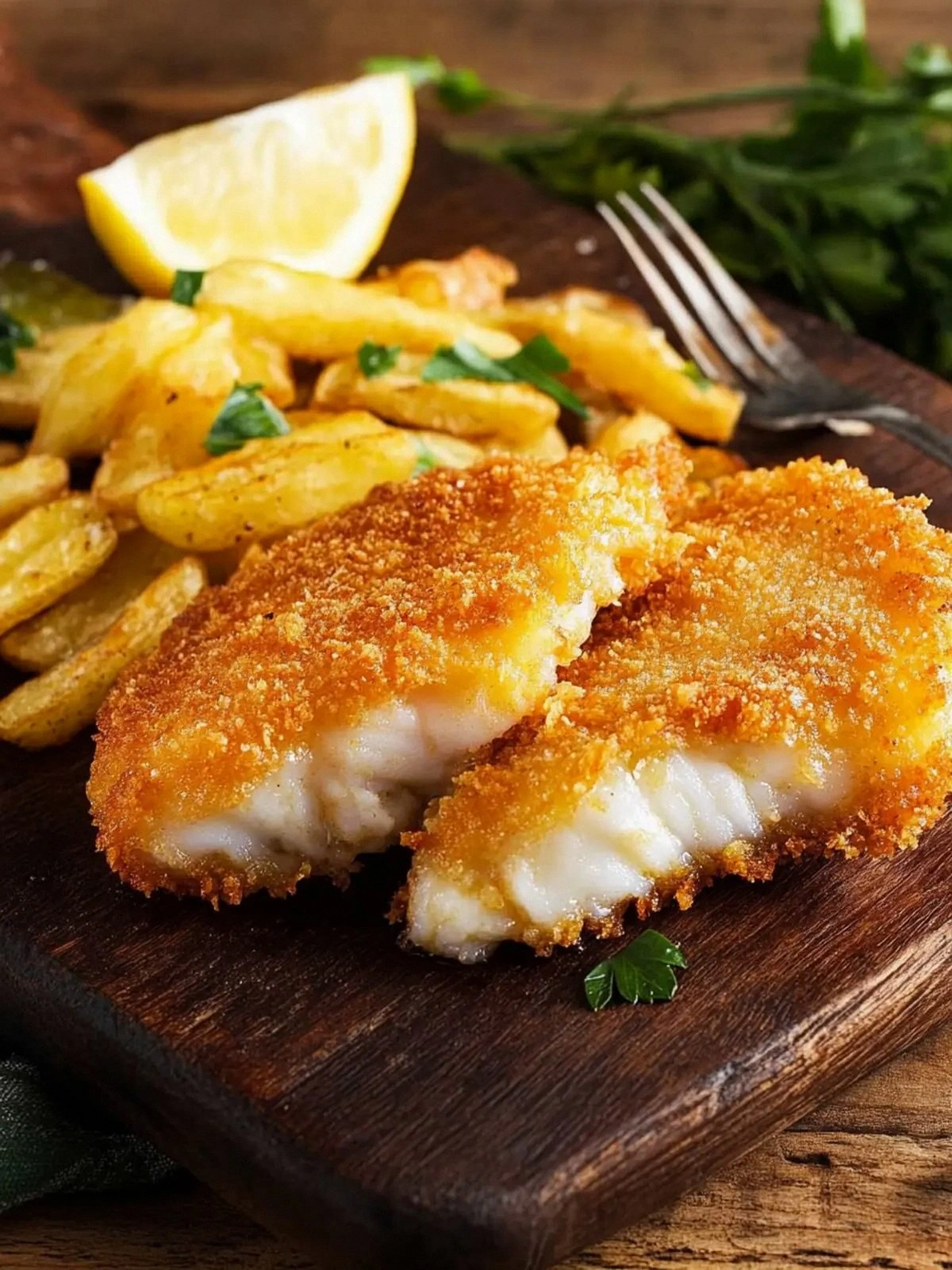
Picture this: the sound of the oven door slamming shut, the hiss of hot air circulating, and the faint, comforting crackle as the breadcrumbs begin to toast. The fish fillets, once bland and lifeless, now gleam with a glossy sheen of lemon‑oil glaze. As you lift a piece, the coating shatters like thin ice, revealing a perfectly flaky interior that practically melts in your mouth. The scent of paprika and fresh lemon wafts through the kitchen, drawing your family in for a taste test that will become the highlight of any dinner.
What makes this version stand out is not just the crispy texture—it’s the balance of flavors, the ease of preparation, and the way it turns a simple fish fillet into a showstopper. I’ve spent years experimenting with marinades, coatings, and baking temperatures, and this recipe is the culmination of those trials. It’s hands down the best version you’ll ever make at home, and it’s so straightforward that even a kitchen novice can master it. The secret? A light citrus‑oil wash, a seasoned breadcrumb coating, and a precise oven temperature that creates a golden crust without drying out the fish.
By the end of this post, you’ll wonder how you ever made it any other way. I’ll walk you through every single step, from selecting the right fillet to plating the final dish, and I’ll throw in a few micro‑challenges along the way. Ready for the game‑changer? Let’s dive in.
What Makes This Version Stand Out
- Taste: The lemon‑oil wash brightens the fish, while the paprika adds a subtle smokiness that lingers. The seasoned breadcrumbs give a savory crunch that balances the delicate seafood.
- Texture: The coating crisps to a golden shell that shatters with every bite, revealing a moist, flaky interior that’s almost buttery.
- Ease: No deep‑frying required—just a quick preheat, a light coating, and a few minutes in the oven. It’s a hassle‑free way to get restaurant‑style results.
- Ingredient Quality: Fresh, firm fillets paired with high‑quality breadcrumbs and a splash of fresh lemon juice elevate the dish above the ordinary.
- Crowd Reaction: Friends and family will be begging for seconds, and you’ll be the hero who delivered the crispy, flavorful masterpiece.
- Make‑Ahead Potential: You can coat the fillets ahead of time and refrigerate them until you’re ready to bake—perfect for busy weeknights.
- Healthier Alternative: Oven‑baked instead of deep‑fried, this version cuts calories while still delivering that satisfying crunch.
- Versatility: It pairs beautifully with a simple green salad, coleslaw, or even a light pasta, making it a flexible centerpiece for any meal.
Inside the Ingredient List
The Flavor Base
Lemon juice is the unsung hero that cuts through the richness of the fish and provides a bright, zesty finish. It also helps keep the fillets moist by preventing them from drying out during baking. If you can’t find fresh lemons, a tablespoon of bottled lemon juice works fine, but the flavor will be slightly less vibrant. The small amount of vegetable oil is essential—it gives the coating a glossy sheen and helps the breadcrumbs adhere without making the fish greasy.
The Texture Crew
Seasoned breadcrumbs are the backbone of the crispy exterior. They need to be freshly made or lightly toasted to achieve that satisfying crunch. If you prefer a more refined texture, you can pulse the breadcrumbs in a food processor until they’re fine and then stir in a pinch of dried herbs like thyme or oregano. The paprika adds a subtle smoky note that rounds out the flavor profile; it’s not overpowering but adds depth. Salt and pepper are minimal, but they’re crucial for balancing the acidity of the lemon.
The Unexpected Star
The fish fillets themselves are the star, but their quality determines the outcome. Look for fillets that are firm to the touch, have a mild scent, and are a uniform thickness for even cooking. Salmon, cod, or tilapia all work well, but for the most delicate flavor, try a mild white fish like haddock. If you’re buying frozen, thaw them fully before cooking to avoid uneven baking.
The Final Flourish
Lemon wedges are optional but highly recommended for that fresh burst of citrus right before serving. They add a pop of color and a zesty finish that cuts through the richness of the breadcrumbs. A sprinkle of fresh parsley or dill gives a herbal brightness and a touch of color to the plate. The finishing touch is a light drizzle of olive oil or a pat of butter, which can be added if you want a richer, buttery finish.
Everything’s prepped? Good. Let’s get into the real action.
The Method — Step by Step
- Preheat the oven to 425°F (220°C) and line a baking sheet with parchment paper. The high temperature is key for creating a crisp exterior while keeping the interior tender. Lightly spray the parchment with cooking spray to prevent sticking. This step ensures even heat distribution across the sheet.
- Pat the fish fillets dry with paper towels. A dry surface allows the breadcrumb coating to adhere properly and prevents a soggy crust. I always use a clean towel and press firmly, especially on the edges where moisture tends to collect. This simple step makes all the difference in texture.
- In a shallow bowl, whisk together 1 tablespoon lemon juice, 4 teaspoons vegetable oil, ½ teaspoon paprika, ¼ teaspoon salt, and ¼ teaspoon pepper. The citrus brightens the flavor while the oil locks in moisture. The paprika adds a gentle smokiness that complements the fish. This mixture is the secret to a tender interior.
- Place seasoned breadcrumbs in a second shallow dish. The breadcrumbs should be freshly made or lightly toasted. This gives a golden crunch that stands up to the oven. You can add a pinch of dried herbs like thyme or oregano if you like. The key is an even coating that won’t puff up.
- Coat each fillet in the lemon‑oil mixture, then dredge in breadcrumbs, pressing gently to adhere. Watch out: if the coating is too thick, it will puff up and lose crispness. Keep the coating even and light for maximum crunch. The fish should be fully covered but not weighed down.
- Arrange the coated fillets on the prepared baking sheet, leaving space between each piece. If you’re in a hurry, you can flip them halfway through baking. This step ensures each side gets a crisp edge that shatters like thin ice. The spacing allows hot air to circulate around each fillet.
- Bake for 12–15 minutes, or until the fish flakes easily and the coating is golden. The internal temperature should read 145°F (63°C). The aroma will fill the kitchen and make everyone stare. The fish should feel firm to the touch and easily separate from the parchment.
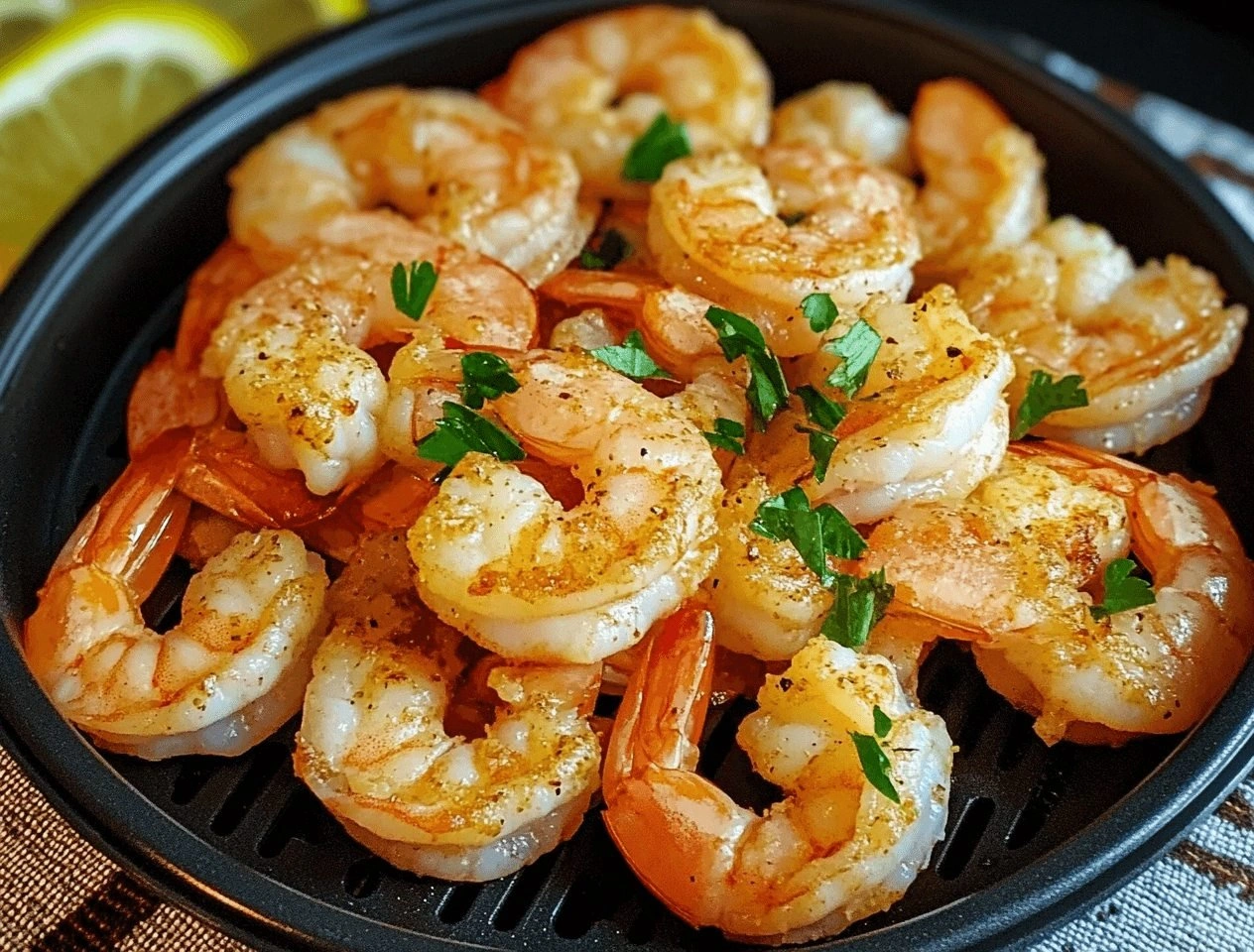
- Finish with a squeeze of fresh lemon wedges and a sprinkle of parsley. This brightens the dish and balances the savory crust. Serve immediately with a side of coleslaw or a simple green salad. Enjoy the burst of flavor that makes this dish unforgettable.
That’s it—you did it! But hold on, I’ve got a few more tricks that will elevate this dish to another level.
Insider Tricks for Flawless Results
The Temperature Rule Nobody Follows
Many people bake at a lower temperature, thinking it will cook the fish more gently. However, the high heat is essential for crisping the breadcrumbs. If you lower the temperature, the coating will steam instead of crisping, leaving a soggy crust. Aim for 425°F (220°C) and keep the baking time short.
Why Your Nose Knows Best
As the fish bakes, the aroma will change from citrusy to buttery. When the scent turns slightly caramelized, it’s a sign the coating is golden and ready. Trust your nose; it’s the most reliable indicator of doneness.
The 5‑Minute Rest That Changes Everything
After removing the fish from the oven, let it rest for five minutes. This allows the juices to redistribute, ensuring the interior stays moist. It also gives the coating a moment to firm up, making it easier to plate without sticking.
Skip the Oil, Not the Flavor
If you’re watching calories, you can replace the vegetable oil with a light spray of olive oil. The spray still provides the necessary moisture for the breadcrumbs. Just be careful not to over‑spray; you want a thin, even coating.
Use a Wire Rack for Even Baking
Placing the fillets on a wire rack set over the baking sheet allows air to circulate around the fish. This prevents the bottom from becoming soggy and ensures a uniformly crispy crust. If you don’t have a rack, simply flip the fillets halfway through baking.
Add a Dash of Smoked Paprika for Depth
If you want a richer flavor, replace the regular paprika with smoked paprika. The subtle smokiness will complement the fish and give the coating a deeper color. It’s a small change that makes a big impact.
Creative Twists and Variations
This recipe is a playground. Here are some of my favorite ways to switch things up:
Spicy Cajun Crunch
Add a teaspoon of Cajun seasoning to the breadcrumb mix. The heat pairs well with the mild fish, creating a spicy kick that’s perfect for summer barbecues. Serve with a cool yogurt sauce to balance the heat.
Herb‑Infused Delight
Replace the paprika with a blend of dried basil, oregano, and thyme. The herbaceous notes elevate the dish into a Mediterranean vibe. Pair with a lemon‑olive oil dressing for a refreshing side.
Asian Fusion Twist
Swap the breadcrumbs for crushed rice crackers and add a splash of soy sauce to the lemon‑oil mix. The result is a crispy, umami‑rich coating that pairs wonderfully with a cucumber salad.
Coconut‑Crusted Variation
Mix shredded coconut with the breadcrumbs for a tropical twist. The coconut adds a subtle sweetness that balances the lemony tang. This version is a hit at beachside gatherings.
Breakfast‑Style Breakfast
Serve the fish with a side of scrambled eggs and toast. The crispy fish adds a savory crunch to the classic breakfast combo. It’s a protein‑packed start to the day.
Gluten‑Free Option
Use gluten‑free breadcrumbs or crushed cornflakes instead of regular breadcrumbs. The coating remains crispy while keeping the dish safe for those with gluten sensitivities. The flavor stays the same, just with a different texture.
Storing and Bringing It Back to Life
Fridge Storage
Store leftovers in an airtight container in the refrigerator for up to 3 days. The crispness will slightly diminish, but the flavor remains intact. Keep the fish separate from other strong odors to avoid flavor transfer.
Freezer Friendly
Freeze the coated fillets on a parchment‑lined tray before transferring them to a freezer bag. They stay good for up to 2 months. When ready, bake directly from the freezer at 425°F (220°C) for 10 minutes, then finish the remaining time from the recipe.
Best Reheating Method
Reheat in a 350°F (175°C) oven for 8–10 minutes. Add a tiny splash of water to the baking sheet; the steam will keep the fish from drying out and restore the crispness. A quick broil for 1–2 minutes can also revive the coating if you need a crunch.