I still remember the night when the kitchen became a battlefield. A friend dared me to turn a plain chicken breast into something that would make the whole house smell like a Michelin‑grade restaurant. I grabbed a handful of herbs, a splash of lemon, and a generous pour of heavy cream, and the air was instantly electrified with the promise of decadence. The sizzle that hit the pan was a thunderclap, and the aroma that rose was a sweet, citrus‑y, buttery cloud that made even the most skeptical diners pause. That moment taught me that the secret to a standout dish is not in the number of ingredients, but in how each one sings in harmony.
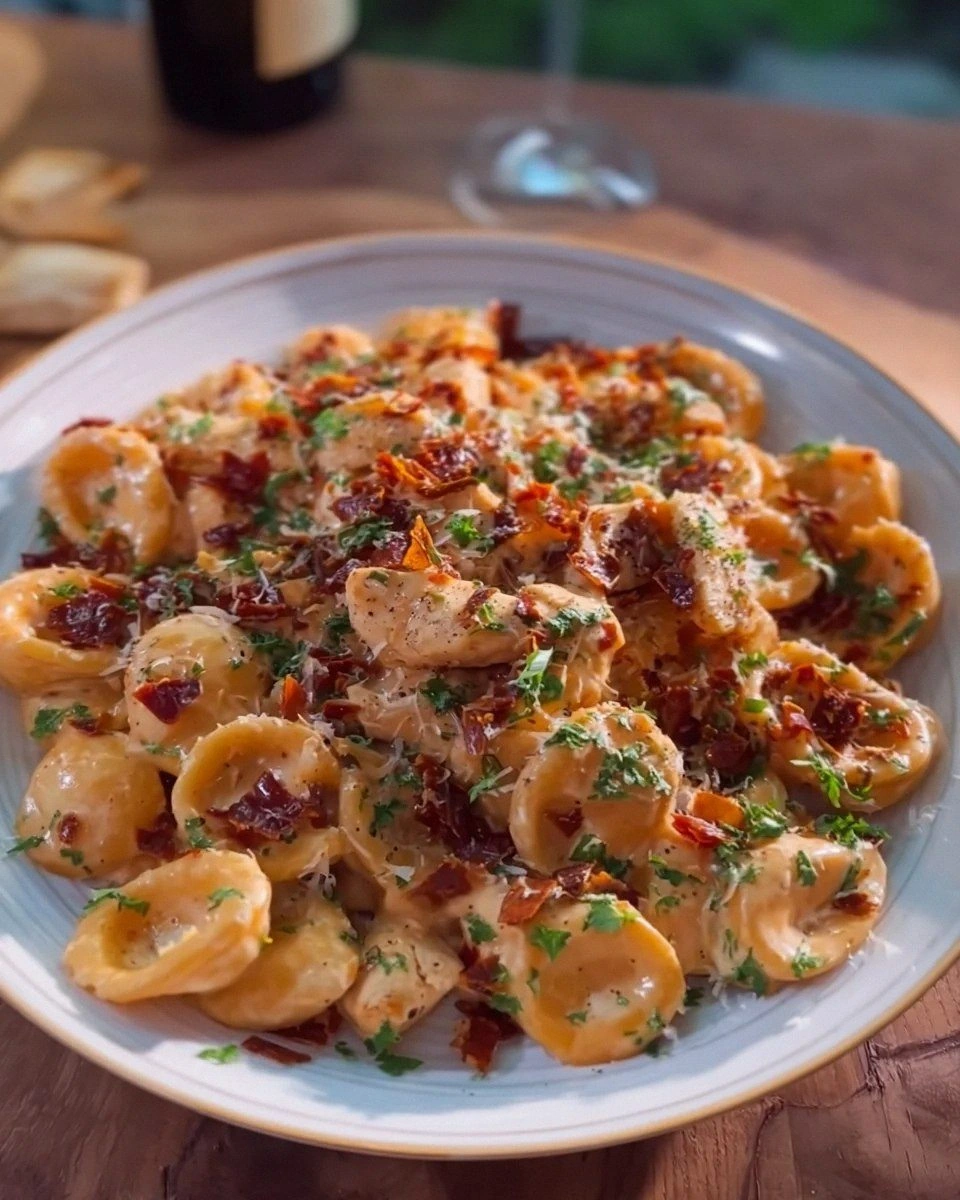
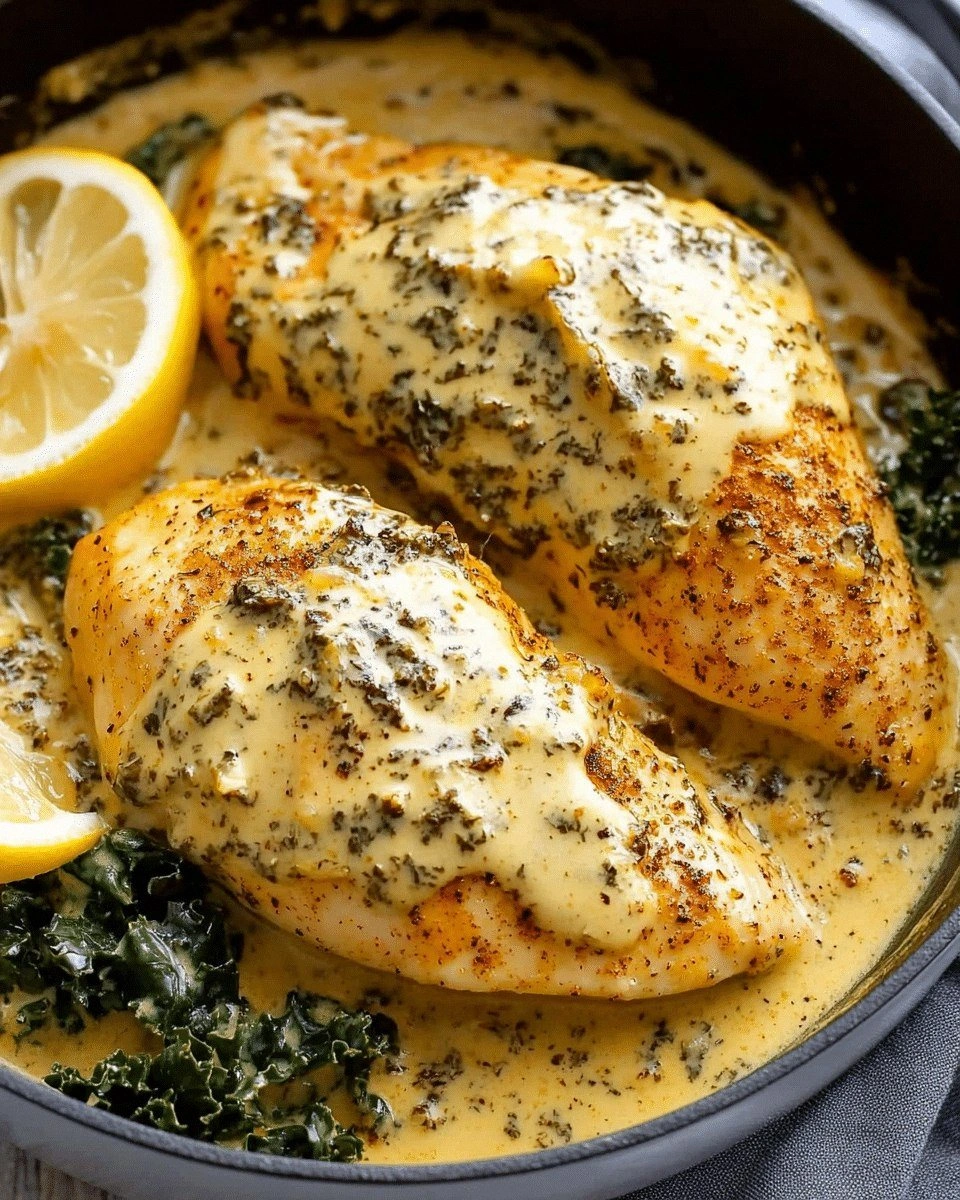
Fast forward to today, and I’ve distilled that lesson into the ultimate version of Creamy Lemon Parmesan Chicken. It’s a dish that feels like a warm hug on a cold night yet brightens up a sunny brunch table. The sauce coats the chicken like velvet, with a tang that cuts through the richness without overpowering it. The kale adds a subtle earthiness that balances the citrus, while the lemon zest gives a bright, almost citrusy pop that lingers on the palate. Every bite is a reminder that great cooking is less about following rules and more about daring to taste, tweak, and triumph.
What sets this version apart is that it’s a single‑pan masterpiece that saves time, reduces cleanup, and delivers flavor fireworks. I’ve tweaked the seasoning blend to elevate the natural sweetness of the chicken, added a splash of white wine to lift the sauce, and finished with a dramatic drizzle of lemon‑infused butter that turns the dish from good to unforgettable. If you’ve ever struggled to keep the chicken juicy or the sauce from becoming too heavy, this recipe is your new best friend. And trust me, I dare you to taste this and not go back for seconds.
I’m not just talking about a recipe; I’m sharing a ritual. Picture yourself pulling this out of the oven, the whole kitchen smelling incredible, and the family gathering around the table like a well‑planned celebration. The moment the golden, bubbling sauce meets the plate, you’ll hear that satisfying hiss that says everything is on track. I’ll be honest — I ate half the batch before anyone else got to try it. If you’re ready for a culinary adventure that feels like a triumph, let’s dive in and walk through every single step.
What Makes This Version Stand Out
- Flavor: The balanced blend of lemon, Parmesan, and herbs creates a bright, savory profile that’s both comforting and refreshing.
- Texture: The creamy sauce coats the chicken like velvet, while the kale adds a satisfying bite without compromising the tenderness.
- Ease: One pan, one pot, and a simple seasoning mix mean less cleanup and more time to enjoy.
- Ingredient Quality: Using organic, fresh ingredients elevates the dish to a restaurant‑grade experience.
- Versatility: It pairs beautifully with pasta, rice, or a crisp green salad, making it suitable for dinner parties or weeknight meals.
- Crowd‑Pleaser: The vibrant color and aromatic sauce turn any gathering into a memorable feast.
- Make‑Ahead Potential: The sauce can be prepared in advance and reheated without losing its silky texture.
- Health Conscious: With a good balance of protein, healthy fats, and greens, it satisfies both taste buds and nutritional goals.
Alright, let's break down exactly what goes into this masterpiece. I’ve packed this dish with flavors that dance on your tongue and techniques that keep the chicken juicy and the sauce silky.
Inside the Ingredient List
The Flavor Base
The heart of the dish starts with 2 lbs of organic chicken breasts, which provide a clean, tender canvas for the sauce. The combination of sea salt, black pepper, dried oregano, smoked paprika, and dried thyme forms a seasoning matrix that enhances the chicken’s natural flavor without masking it. If you skip the paprika, the dish loses that subtle smoky depth that makes the sauce feel more complex. For a more robust flavor, you can add a pinch of cayenne pepper, but keep it light to preserve the lemony brightness.
The Texture Crew
Heavy cream and chicken stock form the silky body of the sauce, creating a luscious coating that clings to the chicken and kale. The white cooking wine not only deglazes the pan but also adds acidity that balances the richness of the cream. When the sauce thickens, the butter is stirred in last to add gloss and a buttery finish that makes the sauce feel like a silky ribbon. If you prefer a lower‑fat version, substitute half the cream with Greek yogurt, but add a splash of milk to keep the sauce smooth.
The Unexpected Star
Freshly grated Parmesan cheese is the secret to that nutty, umami punch that elevates the entire dish. The cheese melts into the sauce, giving it a subtle thickness and a golden hue. If you’re lactose intolerant, try a plant‑based Parmesan alternative or a small amount of nutritional yeast for a cheesy flavor without the dairy. The lemon zest is a bright burst that cuts through the richness; if you don’t have a zester, a microplane works just as well.
The Final Flourish
Chopped kale adds a green pop of color and a slight bitterness that balances the sweetness of the lemon. The thinly sliced lemon halves, with the skin on, are the final touch; they are placed on the pan to steam the sauce, infusing it with a subtle citrus aroma that lingers. If kale is not your preference, spinach or Swiss chard work beautifully, offering a softer texture and a milder flavor. Remember, the lemon slices should be thin to avoid bitterness, and you can reserve them for garnish if you like a more dramatic presentation.
Everything's prepped? Good. Let’s get into the real action.
The Method — Step by Step
- Begin by patting the chicken breasts dry with paper towels. This ensures a golden sear rather than a soggy crust. Season both sides generously with sea salt, black pepper, dried oregano, smoked paprika, and dried thyme. Let the chicken rest at room temperature for 10 minutes to absorb the flavors.
- Heat a large skillet over medium‑high heat and add 1 tbsp of extra‑virgin olive oil. Once the oil shimmers, place the chicken in the pan, skin side down if applicable. Sear for 4–5 minutes until a golden crust forms; flip and sear the other side for 3–4 minutes. The goal is a caramelized exterior that locks in juices.
- Remove the chicken and set aside. In the same pan, reduce heat to medium and add 4 tbsp of unsalted butter. Let it melt, then toss in 4 minced garlic cloves. Cook for 30 seconds until fragrant, being careful not to burn the garlic.
- Deglaze the pan with 3 tbsp of white cooking wine, scraping up any browned bits. Let the wine reduce by half, which concentrates the flavor and removes the alcohol bite.
- Pour in 1½ cups of organic heavy cream and 1 cup of organic chicken stock. Stir continuously until the mixture reaches a gentle simmer. The sauce should thicken slightly and develop a silky consistency.
- Add 1 cup of freshly grated Parmesan cheese and 1 tsp of lemon zest. Stir until the cheese melts completely, creating a glossy, cohesive sauce. Taste and adjust seasoning with ½ tsp sea salt, ½ tsp black pepper, and ½ tsp dried rosemary if desired.
- Return the chicken to the pan, nestling it into the sauce. Add 1 cup of chopped kale and ½ lemon, thinly sliced, placing the slices on top of the chicken to steam. Reduce heat to low, cover, and let it cook for 8–10 minutes until the chicken reaches an internal temperature of 165 °F (74 °C) and the kale is wilted.
- Once cooked, remove the pan from heat. Let the dish rest for 2 minutes; this allows the juices to redistribute, ensuring every bite remains moist. Plate the chicken, spooning generous amounts of sauce over the top, and garnish with a few lemon slices for visual flair.
That’s it — you did it. But hold on, I've got a few more tricks that'll take this to another level. These insider tips will ensure your dish is consistently flawless and ready to impress.
Insider Tricks for Flawless Results
The Temperature Rule Nobody Follows
Many cooks think higher heat is always better, but for chicken, a medium‑high sear followed by a gentle simmer is key. The initial sear creates a caramelized crust that seals in juices, while the lower heat prevents the cream from curdling. I’ve found that using a thermometer to monitor the internal temperature gives you peace of mind; once it hits 165 °F, you’re done.
Why Your Nose Knows Best
Your sense of smell is your best judge of doneness. When the sauce is ready, it should emit a rich, buttery aroma with a hint of citrus. If the smell feels flat or overly acidic, let it simmer a bit longer. A well‑balanced scent signals that the flavors have melded perfectly.
The 5‑Minute Rest That Changes Everything
After removing the chicken from the heat, let it rest for five minutes. This rest period allows the juices to redistribute, preventing the chicken from drying out when you cut into it. I’ve seen this simple step transform a good dish into a memorable one.
The Butter Finish for Extra Gloss
Adding a tablespoon of cold butter at the end of cooking gives the sauce a glossy sheen and a silky mouthfeel. The cold butter creates a small emulsion that coats the chicken evenly. If you’re watching calories, you can skip this step, but the visual and textural payoff is worth it.
The Lemon Slice Trick
Placing thin lemon slices on top of the chicken while it simmers releases a subtle citrus aroma that permeates the sauce. The lemon’s skin also adds a slight bitterness that balances the cream’s richness. Remove the slices before serving if you prefer a cleaner presentation.
The Garlic Timing Secret
Cook the garlic only for 30 seconds before adding the wine; overcooking garlic can produce a bitter taste that ruins the sauce. I’ve seen people sauté garlic until it turns golden and then add the wine, which results in a harsh flavor. Timing is everything.
Creative Twists and Variations
This recipe is a playground. Here are some of my favorite ways to switch things up:
Spinach & Sunflower Seeds
Swap kale for fresh spinach for a milder green. Add a handful of toasted sunflower seeds for a nutty crunch that complements the creamy sauce. This version is perfect for those who prefer a lighter texture.
Pesto Infusion
Stir in a couple of tablespoons of basil pesto into the sauce just before adding the chicken. The pesto adds a herby depth and a splash of green color, turning the dish into a Mediterranean delight.
Smoky Chipotle
Replace smoked paprika with chipotle powder for a smoky, slightly spicy kick. Pair this version with a side of corn‑roasted quinoa for a fiesta‑inspired meal.
Mushroom Medley
Saute sliced mushrooms with the garlic before adding the wine. The earthy mushrooms pair beautifully with the lemony sauce, creating a comforting, umami‑rich dish.
Creamy Tomato Twist
Add a cup of sun‑dried tomatoes, chopped, to the sauce. The tomatoes bring a sweet acidity that balances the cream and lemon, giving the dish a vibrant, Mediterranean flair.
Herb‑Crusted Chicken
Coat the chicken with a mixture of breadcrumbs, grated Parmesan, and dried herbs before searing. The crust adds a crunchy texture that contrasts with the silky sauce, making each bite exciting.
Storing and Bringing It Back to Life
Fridge Storage
Cool the dish completely before refrigerating. Store in an airtight container for up to 3 days. When reheating, add a splash of milk or cream to restore the sauce’s silky texture.
Freezer Friendly
The dish freezes well for up to 2 months. Separate the sauce from the chicken if you prefer to thaw them individually. Use a freezer‑safe container and label with the date.
Best Reheating Method
Reheat gently over low heat on the stovetop, stirring frequently. Add a tiny splash of water or broth to keep the sauce from drying out. Finish with a drizzle of fresh lemon juice to revive the bright citrus notes.