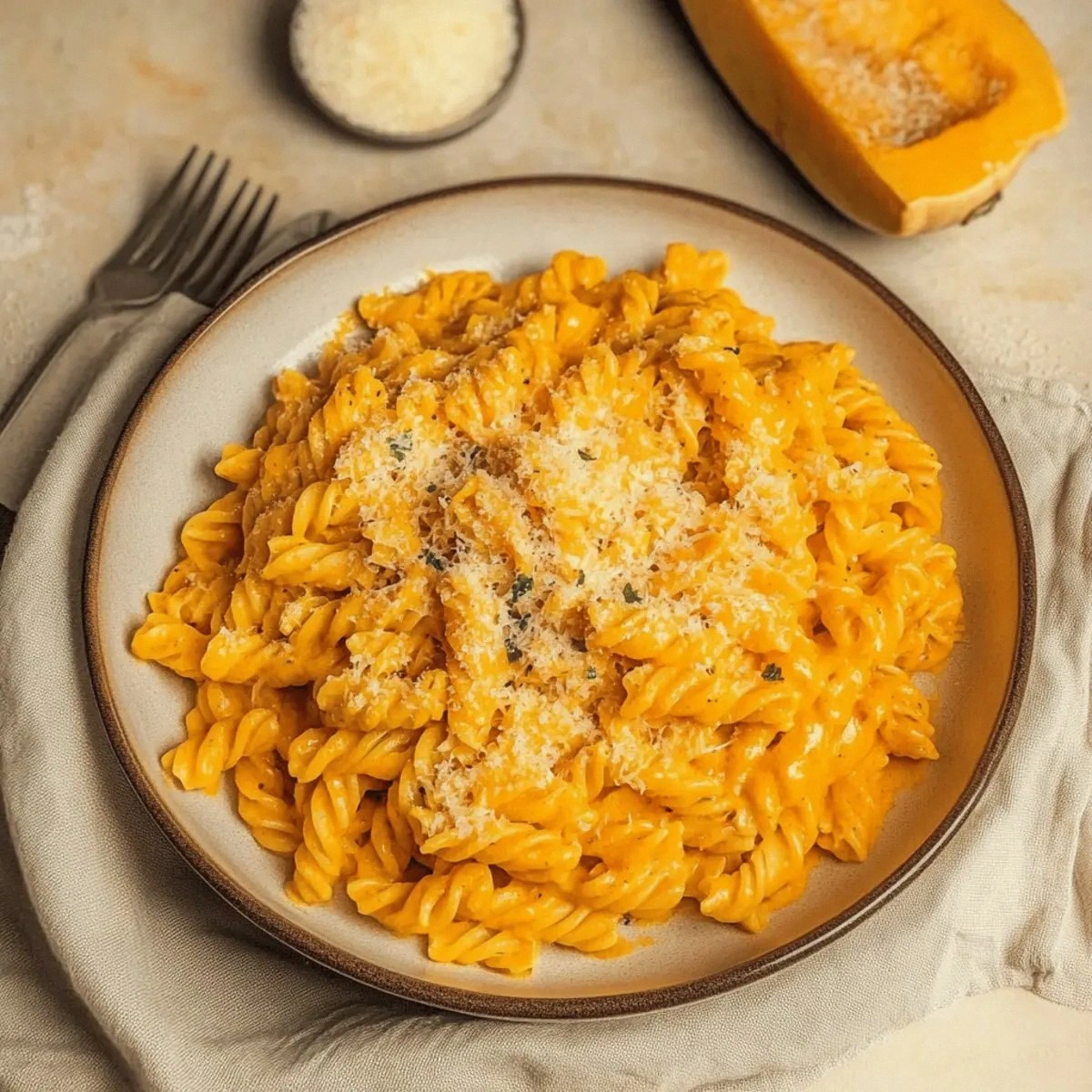
I burnt the first batch so badly the smoke alarm started singing opera. There I was, standing in my tiny kitchen at 11:47 p.m., waving a dish towel like a maniac while the neighbors banged on the ceiling with a broomstick. Classic Tuesday night, right? But here's the thing — that culinary disaster led me to the most luscious, soul-warming pasta sauce I've ever tasted. The kind that makes you close your eyes involuntarily on the first bite, like you're starring in your own food commercial. Creamy butternut squash sauce that coats every noodle like liquid autumn, with depth so rich you'll swear there's heavy cream hiding in there (spoiler: there isn't).
Picture this: outside, the wind is whipping leaves against your window like nature's own percussion section. Inside, your kitchen smells like someone bottled October and set it simmering on the stove. The sauce bubbles gently, turning from bright orange to this burnished gold that makes your stomach growl like an impatient bear. That first taste? It's like someone took your favorite cashmere sweater and turned it into food — warm, comforting, and impossibly smooth. My roommate walked in while I was testing batch number four, took one bite, and immediately texted her mom to brag about her living situation. That's the level of domestic magic we're dealing with here.
Most recipes get this completely wrong. They either roast the squash until it's dryer than your aunt's Thanksgiving turkey, or they dump in so much cream you might as well call it soup. Here's what actually works: letting the vegetables do the heavy lifting. The butternut squash brings natural sweetness and body, the tomatoes add brightness to cut through richness, and the onions melt into something so silky you'll wonder why you ever bothered with dairy. The result? A sauce that tastes like it took hours of careful reduction but actually comes together faster than ordering takeout.
Okay, ready for the game-changer? We're using frozen butternut squash. I know, I know — fresh sounds better, but hear me out. Frozen squash is picked at peak ripeness and flash-frozen within hours, locking in nutrients and flavor that "fresh" supermarket squash lost days ago sitting in transit. Plus, no wrestling with a knife the size of a small sword trying to break down one of nature's most user-unfriendly vegetables. Let me walk you through every single step — by the end, you'll wonder how you ever made it any other way.
What Makes This Version Stand Out
- Velvet Revolution: This sauce achieves restaurant-level silkiness without a drop of cream, butter, or cheese. The secret lies in the natural pectins released when butternut squash breaks down, creating a texture so smooth it makes silk jealous. Your pasta will wear this sauce like a custom-tailored Italian suit.
- Weeknight Warrior: From freezer to table in under 45 minutes, this recipe respects your schedule. While the squash simmers, you can boil pasta, set the table, maybe even pour yourself a glass of wine. Multitasking never tasted so gourmet.
- Pantry Perfect: Every ingredient lives happily in your kitchen year-round. Frozen squash, canned tomatoes, dried herbs — no special grocery runs required. Yet the result tastes like something you'd pay $24 for at that trendy farm-to-table place downtown.
- Leftover Legend: This sauce actually improves overnight as flavors meld and deepen. Make a double batch Sunday night, and you've got instant gourmet meals waiting in your fridge. Monday lunch just became the highlight of your coworkers' day.
- Crowd Confuser: Serve this to guests and watch them struggle to identify the secret ingredient. "Is it pumpkin? Sweet potato? Some exotic cheese?" The butternut squash creates this mysterious, complex flavor that keeps everyone guessing and coming back for more.
- Texture Tango: Unlike heavy Alfredo that sits in your stomach like a brick, this sauce feels surprisingly light while still satisfying that creamy pasta craving. It's comfort food that won't require a post-dinner nap.
- Color Psychology: That gorgeous golden-orange hue isn't just pretty — it triggers appetite and happiness receptors in your brain. Science says so, and who are we to argue with science when it tastes this good?
Alright, let's break down exactly what goes into this masterpiece...
Inside the Ingredient List
The Flavor Base
Frozen butternut squash is your golden ticket here — literally and figuratively. Those perfectly cubed orange gems are harvested at peak sweetness and flash-frozen within hours, capturing flavors that "fresh" supermarket squash lost during its week-long journey to your cart. When they hit hot oil, something magical happens: the edges caramelize while the centers steam tender, creating layers of flavor from sweet toasty bits to creamy interiors. Skip the fresh stuff unless you're getting it from a farmers market or your own garden, because supermarket squash that's been sitting around tastes like disappointment with a side of stringy texture.
Your yellow onion isn't just filler — it's the aromatic backbone that transforms this from "sweet vegetable puree" into "complex, restaurant-worthy sauce." As it cooks low and slow, the sulfur compounds break down into natural sugars, adding depth that makes people ask "what's that amazing flavor?" Dice it small so it melts completely into the sauce, becoming invisible flavor ninjas rather than obvious onion chunks. If you're out of yellow onions, shallots work beautifully here too, adding a slightly more sophisticated, delicate sweetness.
The Texture Crew
Fresh chopped tomatoes bring brightness and acidity that cuts through the squash's natural sweetness, preventing the sauce from becoming one-dimensional. They also contribute natural pectins that help thicken the sauce without any added starches. During testing, I tried using all canned tomatoes and ended up with something that tasted like marinara's confused cousin. The fresh tomatoes break down just enough to disappear into the sauce while maintaining that garden-fresh taste that makes this feel like summer and autumn had a delicious baby.
Olive oil isn't just for preventing sticking — it's your primary fat for carrying flavors and creating that luxurious mouthfeel. When you heat olive oil with onions, you're essentially creating a flavor extraction machine, pulling out fat-soluble compounds that water alone can't capture. Don't substitute with vegetable oil unless you want your sauce to taste like, well, nothing. The peppery, fruity notes of good olive oil complement the sweet squash perfectly, like they were destined to meet in your skillet.
The Seasoning Squad
Salt isn't just salt here — it's the magical ingredient that makes every other flavor sing louder. Without proper seasoning, this sauce tastes like baby food. With it? Pure autumnal magic. Add it in layers: a pinch when sweating the onions, more when the squash goes in, and a final adjustment at the end. Your taste buds will thank you, and so will anyone lucky enough to share your table.
Black pepper brings subtle heat and complexity that prevents the sauce from becoming cloyingly sweet. Freshly ground is non-negotiable — pre-ground pepper tastes like dusty nothing, while fresh has bright, almost citrusy notes that wake up the entire dish. The pepper hits different parts of your palate than the sweet squash, creating a full-mouth experience rather than a one-note wonder.
Dried thyme might seem like an afterthought, but it's the herb whisper that ties everything together. Its earthy, slightly minty flavor bridges the gap between sweet vegetables and savory herbs, making the sauce taste like it simmered all day even though it only took 30 minutes. During recipe testing, batches without thyme tasted flat and confused, like they couldn't decide if they were dinner or dessert.
The Pasta Partners
Your pasta choice matters more than you think. Short shapes like penne or rigatoni catch the sauce in their tubes and ridges, while long pasta like fettuccine or linguine creates those Instagram-worthy twirls that hold maximum sauce. The pasta water — oh, the pasta water — is liquid gold. Its starch helps the sauce cling to every noodle like they were made for each other, creating that restaurant-quality coating that makes people close their eyes when they eat.
Don't even think about rinsing your pasta after cooking. That starch you just washed down the drain? That's the difference between sauce that slides off and sauce that hugs every noodle like a long-lost friend. The pasta water should taste like the ocean — salty and full of possibility. Reserve it before draining, because trying to scoop starchy water from already-drained pasta is like trying to catch smoke with your bare hands.
Everything's prepped? Good. Let's get into the real action...
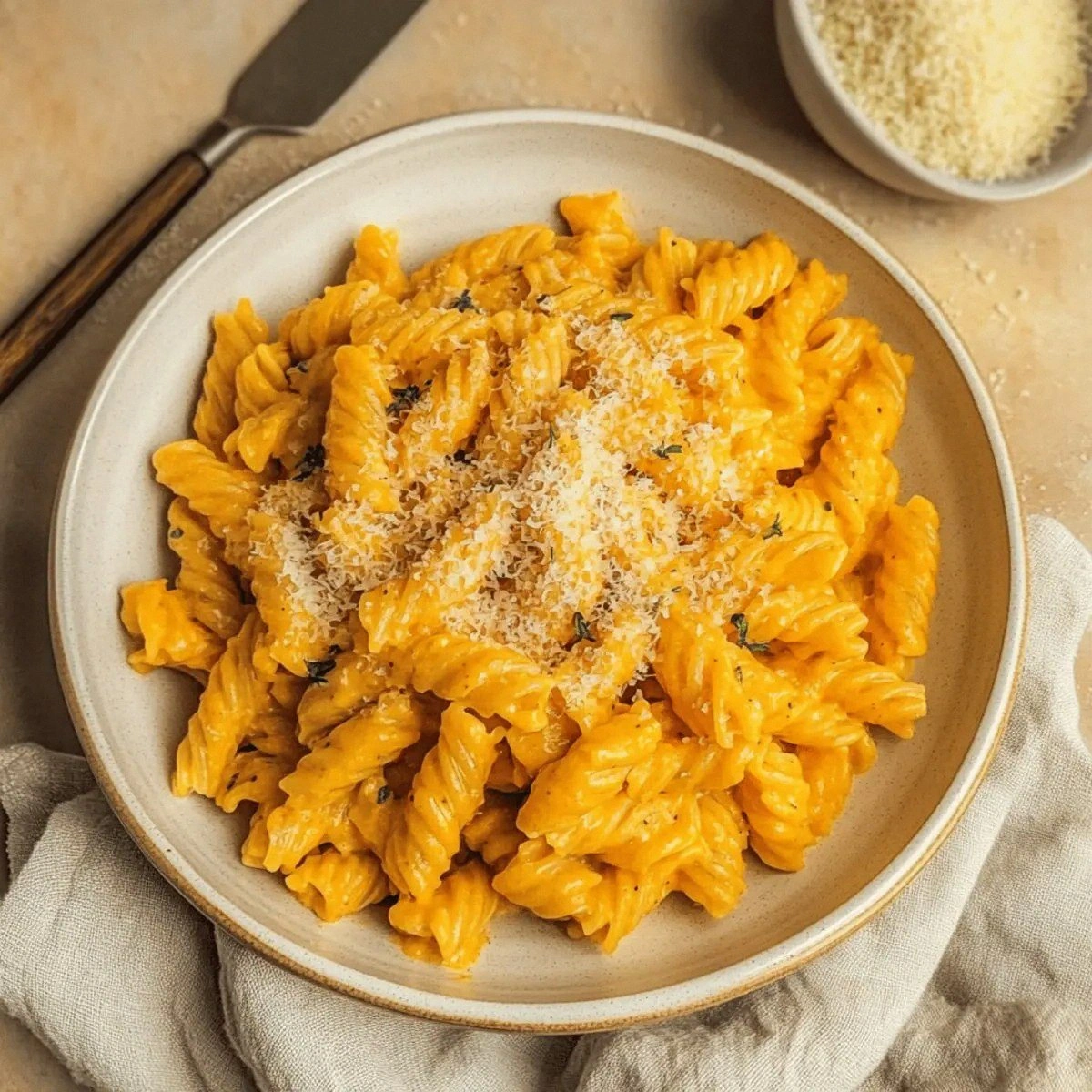
The Method — Step by Step
- Start with a cold pan and your olive oil — this prevents the oil from burning and gives the onions time to release their moisture gradually. Add your diced onion with a generous pinch of salt, then turn the heat to medium. That sizzle when it hits the pan? Absolute perfection. Stir occasionally, but not constantly — you want those golden-brown bits that form when onion meets hot metal. After about 8 minutes, your kitchen should smell like someone's cooking something incredible, and the onions should look translucent and slightly caramelized around the edges.
- Now watch this part closely. Add your frozen butternut squash directly from the bag — no need to thaw. The cold squash hitting hot oil creates a temperature differential that means business. Stir for about 2 minutes, letting the edges of the squash get some color while the centers stay frozen. This two-texture approach is what separates amateur hour from restaurant quality. The squash will start releasing steam as it thaws, creating a sauna effect that cooks it perfectly from the outside in.
- Season aggressively with salt, pepper, and thyme. This is where most recipes go wrong — they wait until the end to season, but the vegetables need salt throughout cooking to release their liquids and concentrate flavors. Stir everything together and let it cook for another 3-4 minutes, stirring occasionally. You want the squash to be tender but not falling apart, like a good relationship — soft enough to work with but still holding its shape.
- Add your chopped tomatoes and watch the magic happen. They'll start breaking down immediately, releasing juices that deglaze the pan and pick up all those beautiful browned bits. This is pure flavor country, folks. Let everything simmer together for about 5 minutes, stirring occasionally. The tomatoes should lose their raw edge and start looking like they're part of the team rather than new kids on the block.
- Okay, ready for the game-changer? Transfer everything to a blender or use an immersion blender right in the pan. Blend until completely smooth — we're talking silk scarf smooth, not chunky sweater smooth. This should take about 30 seconds in a high-powered blender or 60-90 seconds with an immersion blender. The color should be a vibrant orange that makes you think of autumn leaves and cozy sweaters.
- While your sauce is blending, cook your pasta in heavily salted water. I'm talking ocean-level salty — this is your only chance to season the pasta itself. Reserve at least 1/3 cup of the starchy pasta water before draining. The pasta should be al dente, which means it still has a slight bite in the center. Mushy pasta is a crime against Italian cuisine and your taste buds.
- Pour your blended sauce back into the pan over low heat. Add your drained pasta directly to the sauce, along with a splash of that precious pasta water. This is the moment of truth — toss everything together for about 2 minutes, letting the starch in the water help the sauce cling to every noodle. The sauce should coat the pasta like velvet, not pool in the bottom of the pan like soup.
- Taste and adjust seasoning. This is crucial — the pasta might need more salt, especially if you were conservative earlier. The sauce should taste bright and balanced, not flat or one-note. If it needs more richness, add a drizzle of olive oil. If it needs brightness, a squeeze of lemon juice works wonders. Trust your taste buds — they know what they want.
- Serve immediately in warmed bowls. Cold bowls are pasta's enemy — they steal heat faster than a pickpocket in Rome. Garnish with fresh herbs if you're feeling fancy, or just dive in with a fork and zero regrets. This next part? Pure magic.
That's it — you did it. But hold on, I've got a few more tricks that'll take this to another level...
Insider Tricks for Flawless Results
The Temperature Rule Nobody Follows
Your pan temperature is everything here. Too hot and your onions burn before they sweeten, too cool and they steam into mush without developing any flavor. The sweet spot is medium heat, where onions sizzle gently but don't brown immediately. Test by hovering your hand over the pan — you should feel heat but not intense burning. A friend tried skipping this step once and ended up with sauce that tasted like bitter disappointment. Don't be like my friend.
The same rule applies when you add the frozen squash. The pan should be hot enough to create immediate sizzling but not so hot that the oil smokes. That temperature differential between hot oil and frozen vegetables creates the perfect cooking environment — the outside caramelizes while the inside steams tender. It's like having two cooking methods happen simultaneously, which is why this sauce achieves such complex flavors in such a short time.
Why Your Nose Knows Best
Your nose is your most underutilized kitchen tool. When the onions are properly caramelized, your kitchen should smell like you're cooking something incredible — slightly sweet, deeply savory, with hints of golden brown deliciousness. If it smells like nothing, keep cooking. If it smells like burning, you've gone too far and need to start over (or at least lower the heat immediately).
The same principle applies to the squash. When it's perfectly cooked, you'll smell a nutty, almost popcorn-like aroma. That's the natural sugars caramelizing, creating hundreds of flavor compounds that make this sauce taste like it simmered all day. Trust your nose — it's been evolving for millions of years to detect exactly these kinds of flavor developments.
The 5-Minute Rest That Changes Everything
After blending, let the sauce rest for five minutes before adding the pasta. This isn't just chef theatrics — it's science in action. The sauce needs time for the flavors to meld and the texture to stabilize. Freshly blended sauce can taste slightly raw and separated, but five minutes of rest allows everything to come together into a harmonious whole. Plus, it gives you time to cook and drain your pasta without rushing.
During this rest, the sauce will thicken slightly as steam escapes and the pectins from the vegetables have time to work their magic. Stir it once halfway through — you'll notice the texture becomes more cohesive and luxurious. This is the difference between amateur and professional results, and it costs you nothing but five minutes.
The Seasoning Sweet Spot
Seasoning is not a one-and-done deal — it's a journey. Add salt in layers: a pinch when the onions start, more when the squash goes in, and a final adjustment at the end. Each addition serves a different purpose — the first draws moisture from the vegetables, the second enhances browning, and the third balances the final dish. Under-seasoned sauce tastes like baby food, while over-seasoned sauce makes you reach for water instead of seconds.
The key is tasting constantly. After each addition of salt, taste a small spoonful. The flavor should become more vibrant and defined, not just saltier. When it's perfectly seasoned, you'll taste the squash more clearly, the tomatoes will pop, and everything will taste like the best version of itself. It's like turning up the brightness on a photo — everything becomes more vivid and appealing.
Creative Twists and Variations
This recipe is a playground. Here are some of my favorite ways to switch things up:
The Mediterranean Makeover
Add a handful of Kalamata olives and a teaspoon of lemon zest to the finished sauce for a bright, briny punch that transports you straight to a Greek island. The olives' saltiness plays beautifully against the sweet squash, while lemon zest adds sunshine that makes the whole dish sing. Top with crumbled feta and fresh oregano for the full Mediterranean experience. Your taste buds will think they're on vacation.
Smoky Southwest Version
Swap the thyme for smoked paprika and add a chipotle pepper in adobo sauce when blending. The result is a sauce with deep, complex heat that builds slowly rather than punching you in the face. Stir in some black beans and corn for a Southwest-inspired pasta that tastes like autumn in Santa Fe. Garnish with cilantro and a squeeze of lime for brightness that cuts through the richness.
Asian-Inspired Umami Bomb
Replace the olive oil with sesame oil, add a tablespoon of miso paste when blending, and finish with a splash of rice vinegar. The miso adds incredible umami depth while the rice vinegar provides brightness that keeps everything balanced. Top with toasted sesame seeds and scallions for a fusion dish that somehow makes perfect sense. It's like autumn took a trip to Tokyo and came back with stories to tell.
The Protein-Packed Powerhouse
Stir in a can of white beans or chickpeas during the last few minutes of cooking for a protein boost that turns this into a complete meal. The beans absorb the sauce's flavors while adding creamy texture and staying power that'll keep you full for hours. Perfect for those nights when you need comfort food that won't leave you hungry an hour later.
Spicy Autumn Heat
Add a pinch of red pepper flakes when cooking the onions, then blend in a roasted red pepper for subtle heat and extra sweetness. The result is a sauce with gentle warmth that spreads through your chest like a cozy blanket. Not enough to make you sweat, just enough to make things interesting. Perfect for those who like their comfort food with a little edge.
Green Goddess Version
Blend in a handful of fresh spinach or kale for a nutrient boost that turns the sauce an even more vibrant color. The greens disappear completely into the sauce, adding nutrients without affecting the flavor. It's like sneaking vegetables into a picky eater's diet, except you're the picky eater and you won't even notice. Plus, the color becomes absolutely Instagram-worthy.
Storing and Bringing It Back to Life
Fridge Storage
This sauce keeps beautifully in the refrigerator for up to five days, and honestly, it tastes even better on day two or three as the flavors have time to meld and deepen. Store it in an airtight container — I prefer glass because it doesn't absorb stains or odors like plastic. Press plastic wrap directly against the surface before sealing to prevent that annoying skin from forming. When you're ready to use it, you might notice it thickened considerably in the cold. That's normal and easily fixed.
The pasta itself is best stored separately from the sauce to prevent it from becoming mushy. Keep cooked pasta tossed with a tiny bit of olive oil in a separate container, then combine with sauce when reheating. If you've already mixed them together, no worries — just know that the pasta will continue absorbing liquid and become softer over time. Still delicious, just different texture.
Freezer Friendly
This sauce freezes like a dream for up to three months, making it perfect for meal prep or those nights when cooking feels impossible. Freeze in portion-sized containers or ice cube trays for easy defrosting. The texture might separate slightly upon thawing, but a quick whisk or blend brings it right back to its former glory. Pro tip: freeze flat in zip-top bags to save space and speed up thawing time.
When freezing pasta dishes, slightly undercook the pasta since it will continue softening during reheating. Freeze sauce and pasta separately if possible, or if combined, use within one month for best quality. Label everything with the date — future you will thank present you when you're not playing freezer roulette at 7 p.m. on a Tuesday.
Best Reheating Method
Gentle is the name of the game here. Reheat sauce slowly over low heat, stirring frequently to prevent scorching. Add a splash of water, broth, or milk to loosen it up — the sauce will have thickened considerably in storage. If using a microwave, heat in 30-second bursts, stirring between each interval. The goal is to warm it through without cooking it further, which can dull the flavors and change the texture.
For pasta that's been stored with sauce, add a tablespoon of water per serving before reheating. Cover and microwave for 60-90 seconds, then stir and check. The steam helps revive the sauce and prevents the pasta from drying out. If reheating on the stove, use low heat and add liquid as needed. And now the fun part — it's time to eat like you mean it.