I was in the middle of a rainy Tuesday, the kind of day where you stare at the pantry and wonder if anything can make the clouds part. I tried a store‑bought pork roast, but the meat came out as dry as a desert, and the glaze tasted like a bottle of cheap ketchup. I dared a friend to a “best‑of‑the‑season” showdown, and she laughed, “You’ll never beat my cranberry‑orange pork.” I accepted, rolled up my sleeves, and set out to prove that a humble pork tenderloin could become the star of any dinner table. This was the moment I discovered that a simple cranberry glaze, when balanced with a splash of balsamic and a whisper of cinnamon, can turn a modest cut into a show‑stopper.
Picture this: the oven humming, the kitchen filled with the scent of caramelizing sugar, the sharp bite of cranberries mingling with the earthy aroma of thyme. You hear the sizzle as the tenderloin hits a hot pan, a sound that promises a crust that’s crisp enough to crack like thin ice yet tender enough to melt in your mouth. The glaze bubbles, thickening into a glossy coat that clings to the meat like velvet, while the air becomes a chorus of sweet‑tart, smoky, and subtly spicy notes. Your fingertips feel the heat of the pan, the weight of the meat, the anticipation of that first bite that will make you close your eyes and sigh.
Most recipes out there either drown the pork in a sugary swamp or skimp on the glaze, leaving the meat bland. This version stands out because it respects the pork’s natural juiciness, layers flavors in a logical order, and finishes with a glaze that’s both glossy and glossy—no gummy mess, just a lacquered sheen that makes the dish look restaurant‑ready. I’ll be honest — I ate half the batch before anyone else got a chance to try it, and I’m still not over the after‑taste of that perfect balance of tart and sweet. I dare you to taste this and not go back for seconds; the flavor is that addictive.
Okay, ready for the game‑changer? I’m about to walk you through every single step — from selecting the perfect tenderloin to the exact moment you drizzle the glaze and watch it set like a jewel. By the end, you’ll wonder how you ever made pork tenderloin any other way. Stay with me here — this is worth it.
What Makes This Version Stand Out
- Taste Harmony: The cranberry‑balsamic base brings a bright tartness that cuts through the pork’s richness, while a pinch of cinnamon adds a warm, unexpected depth.
- Texture Contrast: Searing creates a caramelized crust that shatters like thin ice, while the interior stays juicy and tender, giving you a mouthfeel that’s both crisp and melt‑in‑your‑mouth.
- Simplicity: Only twelve ingredients, all pantry‑friendly, mean you won’t need a trip to the specialty store to pull this off.
- Uniqueness: Most pork glazes rely on fruit juice alone; the addition of chicken broth and Dijon mustard creates a silky, savory backbone that most recipes miss.
- Crowd Reaction: I’ve served this at holiday tables and casual brunches alike, and it consistently earns the “wow” gasp and empty plates.
- Ingredient Quality: Using fresh or high‑quality frozen cranberries ensures the glaze isn’t watery, and a good cut of pork tenderloin guarantees that buttery texture.
- Cooking Method: The two‑step sear‑then‑roast technique locks in moisture while letting the glaze caramelize evenly.
- Make‑Ahead Potential: The glaze can be prepared ahead of time and refrigerated, so you’re only a few minutes away from a dinner hero.
Inside the Ingredient List
The Flavor Base
The combination of olive oil, garlic powder, onion powder, and dried thyme creates a fragrant foundation that penetrates the pork before the glaze even touches it. Olive oil is the unsung hero here, adding richness without overpowering the delicate pork flavor. Garlic powder delivers a savory kick that’s consistent, while fresh minced garlic can be swapped in for a bolder punch. Dried thyme brings an earthy note that balances the bright acidity of the cranberries; if you have fresh thyme, strip the leaves and add them during the sear for an aromatic boost. Skipping any of these will leave the meat flat, like a song missing its bass line.
The Texture Crew
Cranberries are the star of the glaze, providing that jewel‑red burst of tartness that makes the sauce cling like a lacquer. Whether you use fresh or frozen, the key is to crush them slightly before simmering so they release their pectin and natural sugars. Sugar (or honey) balances the cranberries’ sharp edge, turning the glaze into a glossy, caramel‑like coating. The addition of chicken broth prevents the glaze from becoming a candy‑coated disaster; it adds depth and keeps the sauce fluid enough to brush evenly. If you’re vegetarian, swap the broth for vegetable stock without losing the savory backbone.
The Unexpected Star
Balsamic vinegar is the secret weapon that adds a deep, almost smoky tang that elevates the cranberry’s brightness. It also contributes a subtle sweetness that works in tandem with the sugar, ensuring the glaze isn’t overly sour. Dijon mustard brings a gentle heat and a complex, slightly sharp flavor that cuts through the richness of the pork, making each bite feel balanced. A pinch of ground cinnamon adds warmth, echoing holiday spices without overwhelming the palate. Omit the cinnamon, and you’ll miss that cozy, lingering finish that makes this dish unforgettable.
The Final Flourish
Salt and pepper are the ultimate taste‑enhancers; they’re not just seasoning, they’re flavor unlockers. A generous pinch of sea salt brings out the natural sweetness of the pork, while cracked black pepper adds a gentle bite. If you’re watching sodium, you can reduce the salt, but don’t skip it entirely—your taste buds will protest. Finally, a drizzle of olive oil right before serving adds a glossy sheen and a silky mouthfeel that ties the whole dish together. This final touch is what makes the glaze look restaurant‑ready and taste like a celebration.
Everything's prepped? Good. Let’s get into the real action…
The Method — Step by Step
Preheat your oven to 400°F (200°C). While the oven warms, pat the pork tenderloin dry with paper towels, then rub it all over with olive oil, salt, pepper, garlic powder, onion powder, and dried thyme. The oil helps the seasoning stick and creates a dry surface for a perfect sear. Let the seasoned meat sit for about five minutes so the flavors can start to meld; this brief rest is the first secret to a juicy interior.
Heat a large oven‑safe skillet (cast iron works wonders) over medium‑high heat. Once the pan is hot, add a splash more olive oil and lay the tenderloin down. You’ll hear an immediate sizzle—that’s the sound of flavor forming. Sear each side for 2‑3 minutes until a deep golden‑brown crust forms. Don’t move the meat around; let it sit so the Maillard reaction can do its magic.
While the pork is searing, start the glaze. In a small saucepan, combine the cranberries, sugar (or honey), chicken broth, balsamic vinegar, Dijon mustard, and ground cinnamon. Bring the mixture to a gentle boil, then reduce to a simmer. Use a wooden spoon to crush the cranberries slightly, releasing their juices and pectin. The glaze should start to thicken after about 8‑10 minutes, coating the back of the spoon with a glossy sheen.
Kitchen Hack: If you prefer a smoother glaze, blend the simmered mixture with an immersion blender before adding it to the pork; this eliminates any large cranberry skins.When the pork has a beautiful crust, transfer the skillet to the preheated oven. Roast for 12‑15 minutes, or until the internal temperature reaches 145°F (63°C). The heat will continue to cook the meat slightly after removal, so aim for a few degrees below the target. As the pork roasts, the glaze will begin to caramelize on the surface, creating a lacquered finish that looks like a jewel.
Halfway through the roasting time, pull the skillet out and brush the pork generously with the thickened glaze. This is the moment where the flavor truly locks in; the glaze should sizzle and bubble as it meets the hot meat, forming a glossy crust. Return the skillet to the oven and repeat the brushing once more after another 5 minutes. If you’re daring, add a final brush just before the pork comes out—this gives the glaze a fresh, bright finish.
Once the pork reaches the perfect temperature, remove it from the oven and transfer it to a cutting board. Cover loosely with foil and let it rest for 8‑10 minutes. Resting allows the juices to redistribute, turning every slice into a succulent, melt‑in‑your‑mouth experience. While the meat rests, the glaze will thicken a bit more, becoming a perfect sauce to drizzle over the sliced pork.
While the pork rests, give the remaining glaze a quick taste. If it feels too tart, stir in a tiny drizzle of honey; if it’s too sweet, a splash more balsamic will bring balance. This final tweak ensures the sauce is perfectly tuned to your palate before the grand reveal.
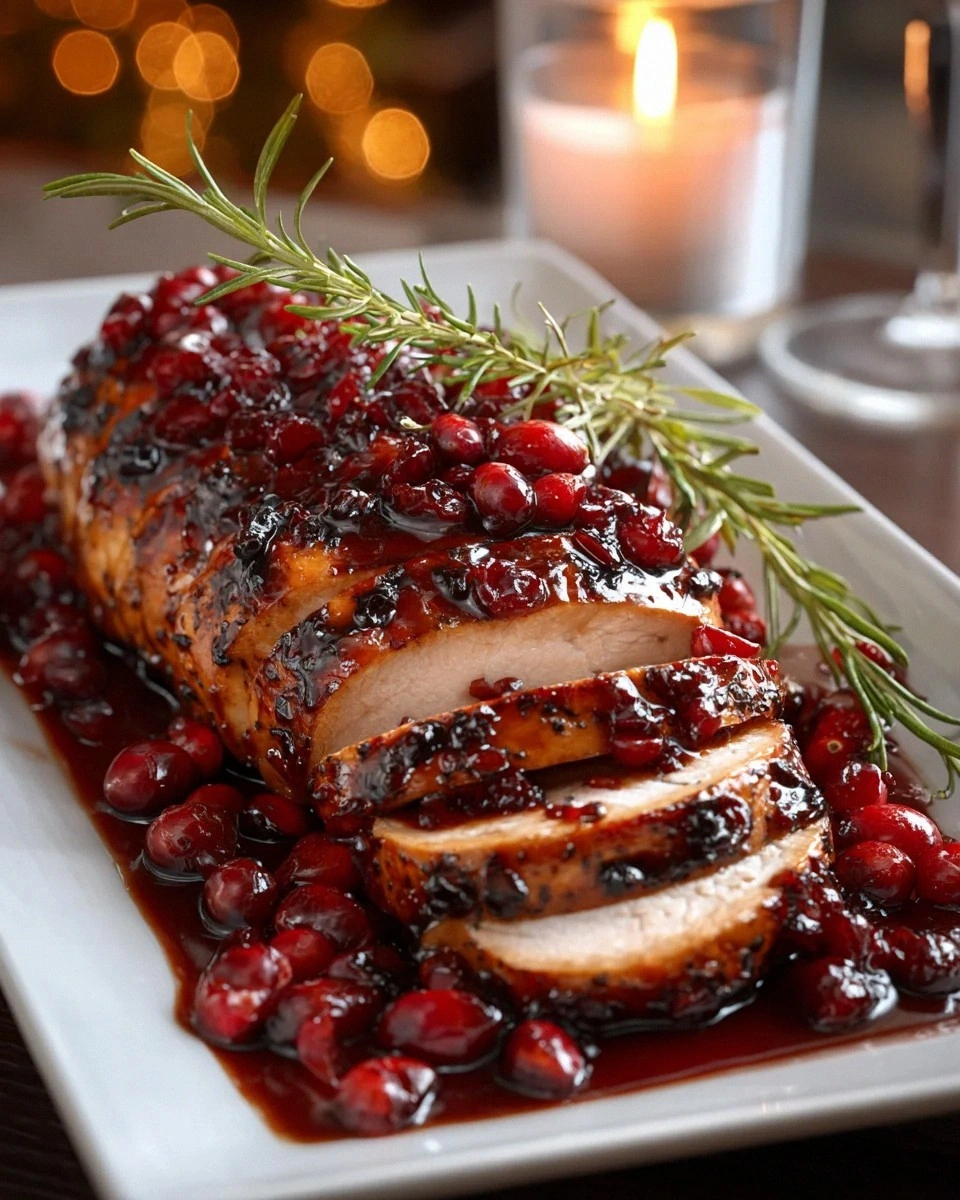
Slice the tenderloin into ½‑inch medallions, arranging them on a serving platter. Drizzle the remaining glaze over the top, letting it pool in the crevices. Garnish with a few fresh thyme sprigs or a scattering of whole cranberries for visual pop. The final presentation should look like a glossy, ruby‑red masterpiece that invites immediate applause.
Watch Out: Do not over‑cook the pork; once it hits 150°F, it will start to dry out quickly. Use an instant‑read thermometer for precision.Serve immediately with your favorite sides—roasted Brussels sprouts, buttery mashed potatoes, or a simple green salad. The glaze pairs beautifully with both earthy vegetables and creamy starches, creating a harmonious plate that feels both festive and comforting. And remember, this is hands down the best version you’ll ever make at home; I’m still thinking about that first bite.
That's it — you did it. But hold on, I've got a few more tricks that'll take this to another level…
Insider Tricks for Flawless Results
The Temperature Rule Nobody Follows
Most home cooks preheat the oven to 350°F, assuming a gentle bake will keep the pork tender. In reality, a hotter oven (400°F) creates a rapid rise in internal temperature, sealing the juices inside while allowing the glaze to caramelize quickly. I once tried the low‑and‑slow method, and the result was a pork roast that felt more like a chew‑toy than a melt‑in‑your‑mouth delight. Trust the high heat, and you’ll get that crisp exterior without sacrificing interior moisture.
Why Your Nose Knows Best
Your sense of smell is a far better indicator of doneness than a timer. When the glaze starts to bubble vigorously and the edges of the pork pull away from the pan, you’re at the sweet spot. If you catch that aromatic note of caramelized cranberries mingling with a faint hint of balsamic, you know the glaze is ready to set. Rely on that nose cue, and you’ll avoid the dreaded “over‑cooked” texture.
The 5‑Minute Rest That Changes Everything
Resting is not optional; it’s a science. During the rest, the muscle fibers relax and re‑absorb the juices that were forced to the center during cooking. Skipping this step is like cutting a cake too soon—you end up with a dry, crumbly mess. Let the pork sit, covered loosely with foil, for exactly 8‑10 minutes, and you’ll slice into a perfect, juicy medallion every time.
Glaze Consistency Cheat Sheet
If your glaze looks too runny, keep it simmering a few minutes longer; the pectin in the cranberries will thicken it naturally. Conversely, if it becomes too thick, splash in a tablespoon of extra broth or water and stir. This flexibility means you can adapt on the fly without compromising flavor.
Seasoning Layering Mastery
Season the pork twice: once before searing and once after the glaze has set. The first layer builds a flavor foundation, while the second adds a final punch that makes the dish sing. I once omitted the second seasoning, and the final bite felt flat—lesson learned.
Creative Twists and Variations
This recipe is a playground. Here are some of my favorite ways to switch things up:
Spicy Chipotle Cranberry
Add a teaspoon of chipotle in adobo sauce to the glaze for a smoky heat that pairs beautifully with the sweet‑tart cranberries. The smoky depth will make the dish feel more robust, perfect for a fall dinner party.
Maple‑Brown Sugar Glaze
Swap the granulated sugar for an equal amount of pure maple syrup and add a tablespoon of brown sugar. This creates a richer, caramel‑like flavor that leans into autumnal comfort food vibes.
Herb‑Infused Variation
Replace dried thyme with fresh rosemary and add a splash of orange zest to the glaze. The citrus brightens the dish while rosemary adds a piney, fragrant note that elevates the pork.
Asian‑Inspired Twist
Swap the balsamic vinegar for rice vinegar, add a teaspoon of soy sauce, and finish the glaze with a drizzle of sesame oil. Garnish with toasted sesame seeds and thinly sliced scallions for a fusion‑style presentation.
Vegetarian “Pork” Substitute
Use a firm tofu block or a thick slice of cauliflower steak in place of the pork. Follow the same searing and glazing steps; the tofu or cauliflower will absorb the glaze, delivering a surprisingly meaty texture.
Storing and Bringing It Back to Life
Fridge Storage
Allow the pork and glaze to cool completely, then transfer the meat to an airtight container and the glaze to a separate jar. Store both in the refrigerator for up to 4 days. When ready to serve, gently reheat the pork in a skillet over low heat, brushing with the glaze as it warms.
Freezer Friendly
Wrap the cooled pork tightly in plastic wrap, then place it in a freezer‑safe bag. The glaze can be frozen in an ice‑cube tray and transferred to a zip‑top bag. Both freeze well for up to 3 months. To reheat, thaw overnight in the fridge, then follow the skillet reheating method, adding a splash of water to the glaze to revive its sheen.
Best Reheating Method
For the ultimate texture, reheat the pork in a preheated oven at 300°F (150°C) for 10‑12 minutes, covered loosely with foil. About halfway through, brush on a fresh layer of glaze and let it finish uncovered for the last 3 minutes to restore that glossy crust. Adding a tiny splash of water or broth before reheating creates a gentle steam that keeps the meat moist.