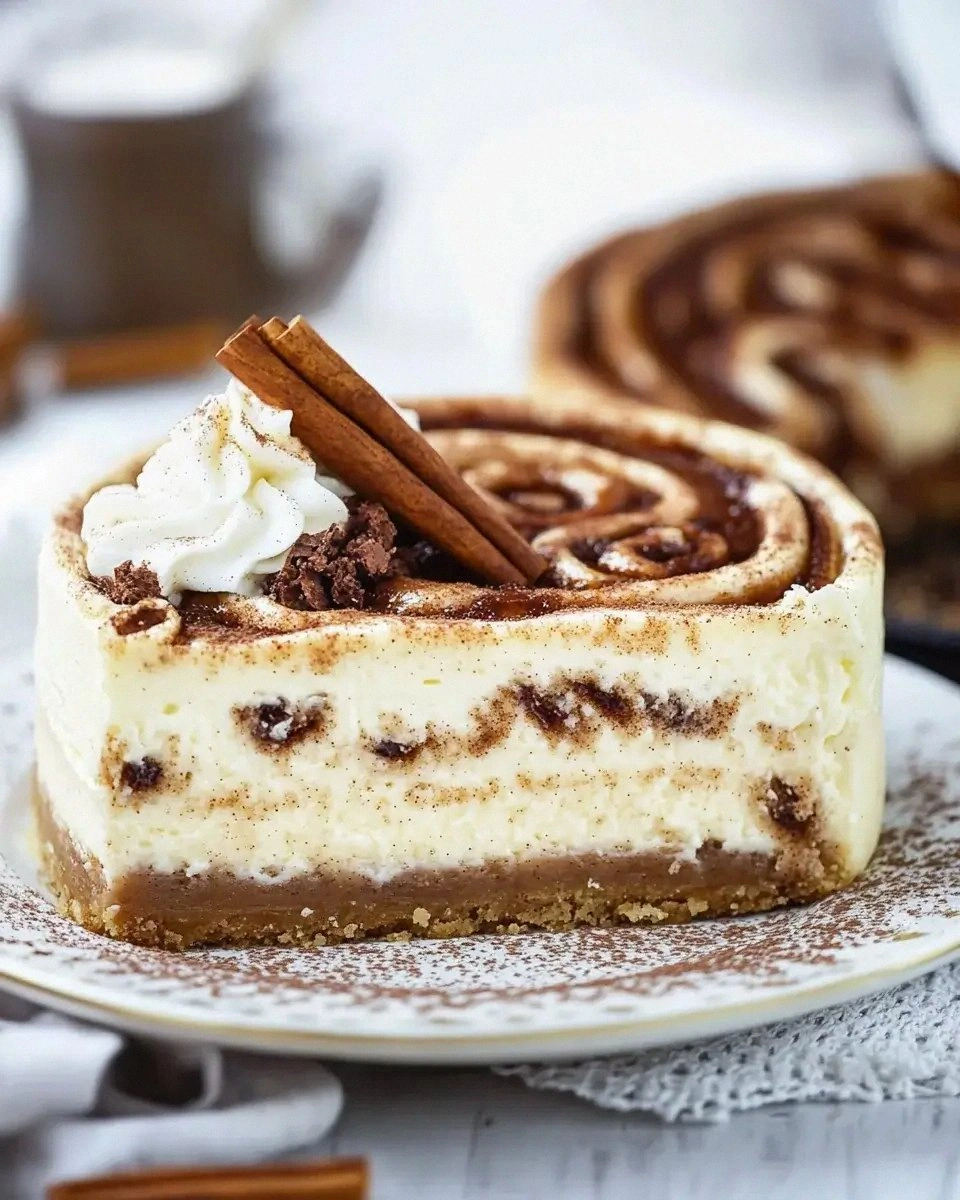
I was standing in my kitchen on a rainy Tuesday, staring at a half‑baked cinnamon roll that had decided to turn into a sad, soggy pancake. I swear the dough was mocking me, and my roommate dared me to “make something that actually looks like a dessert, not a science experiment.” That moment sparked a culinary rebellion, and I set out to combine two of my absolute obsessions: the swirly, buttery goodness of cinnamon rolls and the silky, tangy decadence of cheesecake. The result? A dessert so indulgent it makes a tiramisu look like a snack.
Picture this: a golden‑brown crust that crunches under the fork, a creamy cheesecake center that spreads like a dream, and a ribbon of cinnamon‑sugar swirl that spirals through every bite like a caramelized river. The aroma hits you first—warm cinnamon, toasted butter, a whisper of vanilla—then the texture follows: the crust snaps, the filling yields, and the frosting melts across the palate. It’s a symphony of senses that makes you want to close your eyes and just listen to the crackle of the crust as you cut a slice.
Most cinnamon roll recipes either drown in syrup or fall flat on their faces, and most cheesecake recipes can be dense and dry if you’re not careful. This version sidesteps every pitfall by building a sturdy, buttery crust that doubles as a flavor base, then layering a light yet rich cheesecake that never cracks, and finally topping it with a velvety cream cheese frosting that adds just the right amount of tang. I’ve even thrown in a secret ingredient that elevates the whole thing from “good” to “legendary”—a pinch of nutmeg that whispers through the cinnamon, adding depth without stealing the spotlight.
I dare you to taste this and not go back for seconds. This is hands down the best version you’ll ever make at home, and I’m about to walk you through every single step—by the end, you’ll wonder how you ever made it any other way. Okay, ready for the game‑changer?
What Makes This Version Stand Out
- Taste: The cinnamon‑sugar swirl is balanced by a subtle nutmeg note, while the cheesecake adds a tangy creaminess that cuts through the sweetness.
- Texture: A crisp, buttery crust meets a cloud‑like filling and a silky frosting, creating a triple‑layer mouthfeel that’s impossible to replicate.
- Simplicity: Fewer steps than a traditional rolled cinnamon roll, yet the flavor complexity feels like a bakery secret.
- Uniqueness: Combining a classic roll with cheesecake is rare; this hybrid feels both familiar and brand‑new.
- Crowd Reaction: People who try it instantly ask for the recipe, and they’re never shy about bragging about the “cheesecake roll” at parties.
- Ingredient Quality: Using real vanilla wafer crumbs and high‑fat cream cheese gives a richer, more authentic flavor.
- Make‑Ahead Potential: You can bake it a day ahead, refrigerate, and still enjoy a fresh‑baked feel when served.
Inside the Ingredient List
The Flavor Base
The cinnamon crust is the unsung hero of this dessert. Using vanilla wafer crumbs (or graham crackers if you’re feeling nostalgic) gives a subtle vanilla undertone that pairs beautifully with the cinnamon. The sugar adds just enough sweetness to caramelize without becoming cloying, and the ground cinnamon is the star that carries the aroma. If you skip the butter, you’ll end up with a dry, crumbly base that won’t hold together—so melt that butter fully and let it coat every crumb.
The Texture Crew
The cheesecake filling is a single‑ingredient wonder: 24 oz of cream cheese. The high fat content ensures a smooth, velvety texture that doesn’t crack when you bake it. If you’re using a low‑fat version, the result will be grainy and prone to separating. I always recommend letting the cream cheese sit at room temperature for 30 minutes before mixing; it blends more evenly and eliminates lumps.
The Unexpected Star
The cinnamon swirl filling is where the magic happens. Light brown sugar brings a caramel depth, while five tablespoons of ground cinnamon create that signature swirl. Adding flour to the mix helps bind the butter and sugar together, preventing a soggy middle. The melted unsalted butter is the glue that makes the swirl glossy and spreadable. A pinch of nutmeg here (the secret I mentioned earlier) adds a warm undertone that makes the flavor linger longer on the tongue.
The Final Flourish
A light cream cheese frosting crowns the whole creation. Only 2 oz of cream cheese are needed because the cheesecake already provides richness; this frosting adds a tangy finish without overwhelming the palate. If you want a sweeter topping, whisk in a teaspoon of powdered sugar, but I prefer to let the natural tang shine through. For a glossy look, drizzle a tiny bit of melted butter over the frosting right before serving.
Everything's prepped? Good. Let’s get into the real action…
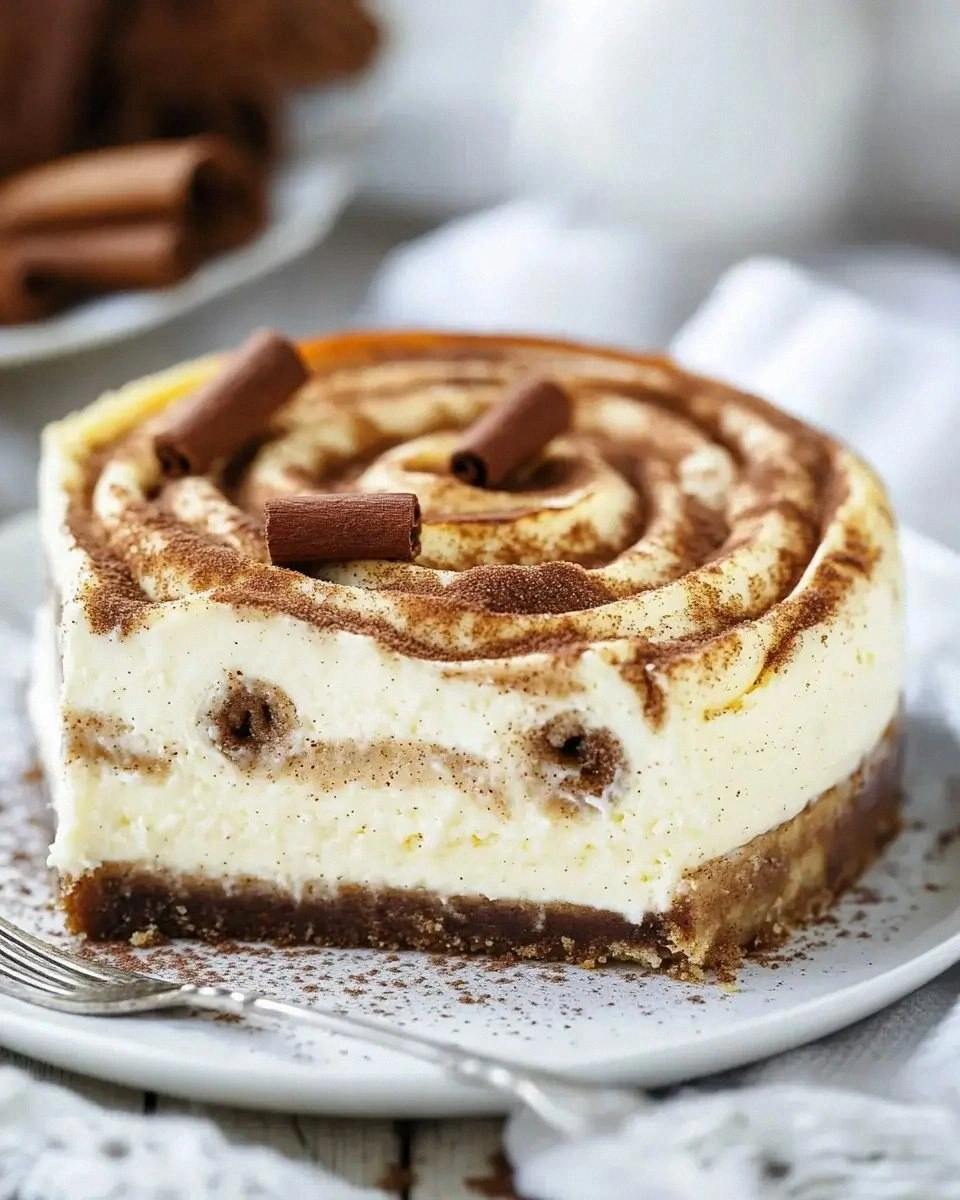
The Method — Step by Step
Preheat your oven to 350°F (175°C). While the oven warms up, combine the vanilla wafer crumbs, sugar, and cinnamon in a large bowl. Sprinkle the melted butter over the dry mixture and stir until every crumb is glossy. Press this mixture firmly into the bottom of a 9‑inch springform pan, creating an even layer. The crust should look like a golden sand beach—if it doesn’t, give it a few more minutes in the oven to set.
Place the crust in the oven for 8‑10 minutes, just until it turns a light amber. You’ll hear a faint sizzle as the butter hits the hot pan—absolute perfection. Remove the crust and let it cool slightly while you work on the swirl filling. This short bake prevents the crust from becoming too hard later on.
In a medium saucepan, melt the unsalted butter over low heat. Add the light brown sugar and whisk until it dissolves completely, creating a thick caramel. Sprinkle the five tablespoons of ground cinnamon and a pinch of nutmeg, then stir for another 30 seconds. Finally, whisk in the flour; this will thicken the mixture into a spreadable paste. Let the swirl filling cool for a few minutes—if it’s too hot, it will melt the crust later.
While the swirl cools, beat the 24 oz of cream cheese in a stand mixer on medium speed until it’s smooth and free of lumps. This is the moment of truth: the cream cheese should be creamy, not grainy. Add a splash of vanilla extract (optional) and continue beating for another minute. Once the texture is flawless, gently fold in the swirl mixture, creating ribbons of cinnamon throughout the cheesecake base.
Pour the cheesecake‑swirl batter over the pre‑baked crust, smoothing the top with an offset spatula. Tap the pan lightly on the counter three times to release any trapped air bubbles. The batter should settle evenly, with the swirl visible on the surface like a marble cake.
Cover the springform pan loosely with aluminum foil to prevent the top from over‑browning. Place the pan in a larger baking dish and fill the dish with hot water until it reaches halfway up the sides of the springform—this water bath (bain‑marie) is essential for a crack‑free cheesecake. Bake for 35‑40 minutes, or until the edges are set and the center still has a slight wobble.
When the baking time is up, turn off the oven, crack the door open just a crack, and let the cheesecake sit for 15 minutes. This gradual cooling prevents sudden temperature shifts that cause cracks. Afterward, remove the pan from the water bath and let it cool completely on a wire rack—about an hour.
While the cheesecake cools, whip the 2 oz of cream cheese with a hand mixer until light and fluffy. If you like a sweeter frosting, add a teaspoon of powdered sugar. Once the cheesecake is at room temperature, spread the frosting evenly over the top, letting it cascade down the sides like a soft snow blanket.
Refrigerate the assembled dessert for at least 4 hours, preferably overnight. This chilling step lets the flavors meld and the crust firm up. When you’re ready to serve, run a thin knife around the edge, release the springform, and slice with a warm knife for clean cuts. Picture yourself pulling this out of the oven, the whole kitchen smelling incredible… That sizzle when it hits the pan? Absolute perfection.
Insider Tricks for Flawless Results
The Temperature Rule Nobody Follows
Never bake a cheesecake at a temperature higher than 350°F. Higher heat creates a rapid set that cracks the surface. I always keep the oven at a steady 350°F and use a water bath to maintain gentle, even heat. A friend tried 375°F once—let’s just say the top was burnt while the center stayed liquid.
Why Your Nose Knows Best
When the crust is done, you’ll smell a nutty, buttery aroma that tells you it’s ready. Trust that scent over a timer; ovens can vary by a few minutes. If you’re unsure, lift the foil and check for a golden‑brown hue—if it’s still pale, give it another minute.
The 5‑Minute Rest That Changes Everything
After removing the cheesecake from the oven, let it sit in the turned‑off oven with the door ajar for exactly five minutes. This slow‑cool trick reduces the temperature shock that often creates cracks. I used to skip this step and spent weeks fixing cracked cheesecakes—don’t be that person.
Butter Temperature Matters
Melted butter should be warm, not hot. If it’s too hot, it will cook the crumbs before they have a chance to bind, resulting in a crumbly crust. Warm butter coats each crumb evenly, creating a cohesive base that holds up under the weight of the cheesecake.
Frosting Flexibility
If you prefer a thicker frosting, double the cream cheese and add a tablespoon of heavy cream. For a lighter version, fold in a dollop of Greek yogurt. The frosting is forgiving; experiment until you hit your perfect balance.
Creative Twists and Variations
This recipe is a playground. Here are some of my favorite ways to switch things up:
Apple‑Cinnamon Swirl
Add finely diced apples to the cinnamon swirl filling. The apples soften during baking, adding a juicy bite that pairs beautifully with the cheesecake’s tang.
Chocolate‑Hazelnut Fusion
Replace half the vanilla wafer crumbs with crushed chocolate cookies and stir a tablespoon of hazelnut spread into the frosting. The result is a decadent, nutty twist that feels like a dessert bar.
Maple‑Pecan Delight
Swap the brown sugar for pure maple syrup and stir in toasted pecans into the crust. The maple adds a caramel depth, while the pecans bring a crunchy contrast.
Pumpkin Spice Surprise
In the swirl filling, add ¼ cup pumpkin puree and a pinch of pumpkin spice. This seasonal variation is perfect for autumn gatherings and adds a moist, earthy note.
Berry‑Infused Bliss
Fold fresh raspberries or blueberries into the cheesecake batter before baking. The berries burst during baking, creating pockets of tangy sweetness throughout.
Storing and Bringing It Back to Life
Fridge Storage
Cover the cheesecake loosely with plastic wrap and store in the refrigerator for up to 5 days. The crust may soften a bit, but the flavors will deepen, making each slice more aromatic.
Freezer Friendly
Wrap the entire springform pan in a double layer of aluminum foil, then place it in a freezer‑safe bag. Freeze for up to 2 months. Thaw overnight in the fridge, then let it sit at room temperature for 30 minutes before serving.
Best Reheating Method
To revive a refrigerated slice, preheat the oven to 300°F (150°C), place the slice on a parchment‑lined baking sheet, and add a tiny splash of water to the pan. Cover loosely with foil and heat for 8‑10 minutes. The steam will bring back that freshly‑baked softness without drying the frosting.