I still remember the exact moment I realized my kitchen needed a serious upgrade. It was a rainy Saturday, the kind where you stare out the window, hear the drizzle tap against the glass, and suddenly crave something that feels like a hug and a high‑five at the same time. I was halfway through a batch of ordinary pizzelle, and they turned out as flat as a pancake—no crunch, no drama, just a sad little biscuit. Then my cousin, who swears by Italian desserts, dared me to combine the airy elegance of a pizzelle with the creamy decadence of a cannoli. I laughed, I accepted the challenge, and the rest is a deliciously chaotic story you’re about to read.
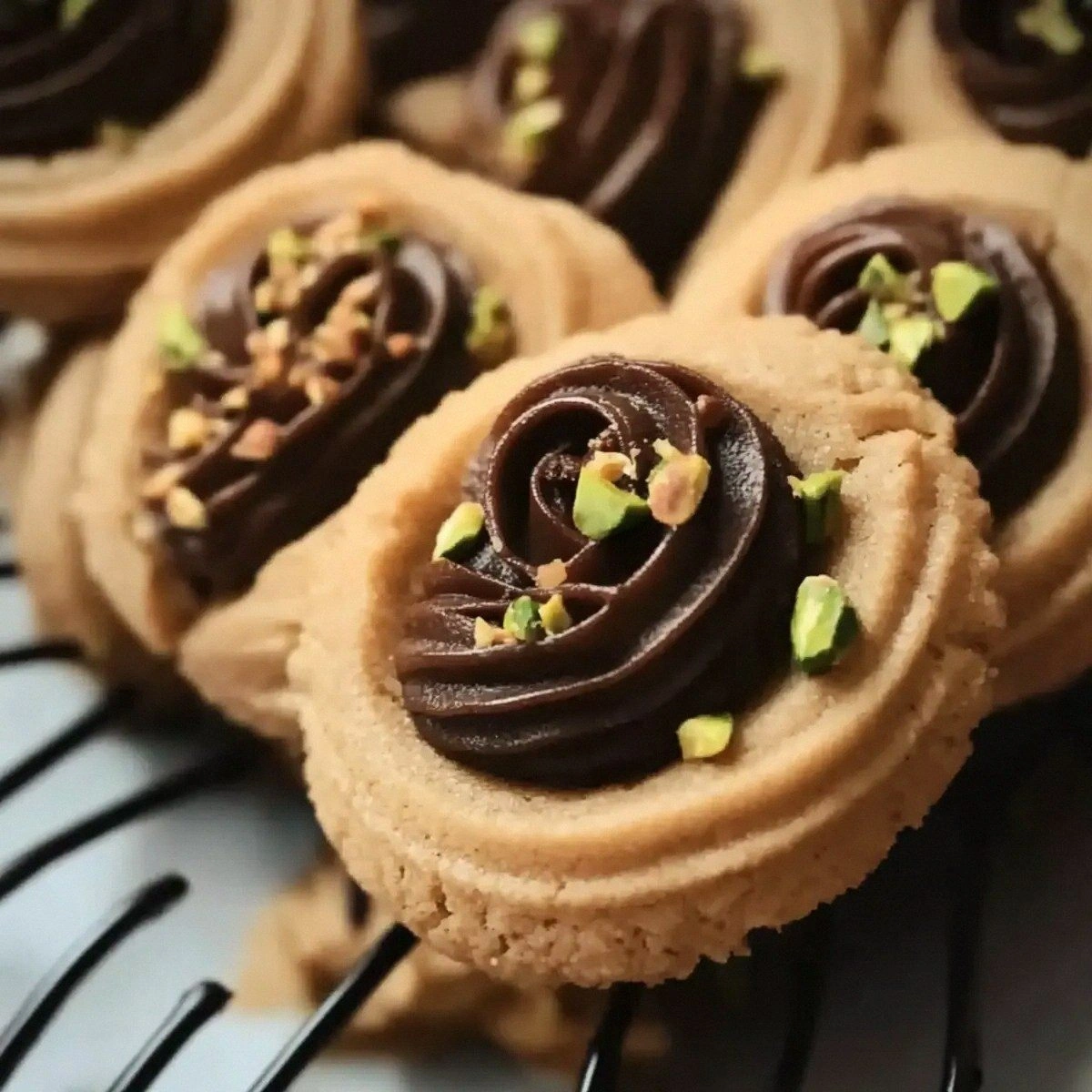
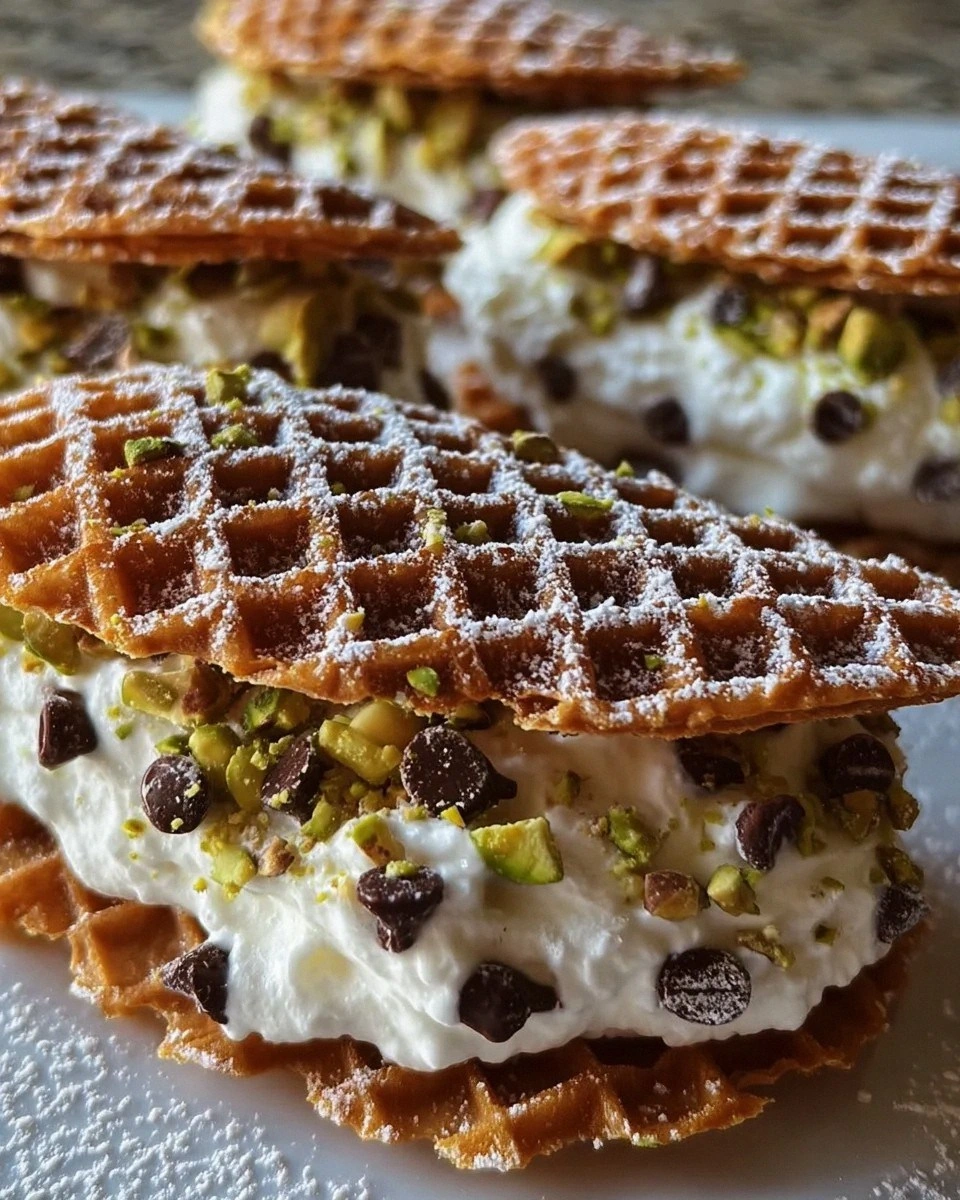
Picture this: a golden‑brown pizzelle with a subtle cocoa hue, its edges crisp enough to snap like a fresh‑baked wafer, the scent of melted butter and dark chocolate swirling in the air like a sweet perfume. When you slice it open, a cloud of ricotta‑sweetened filling oozes out, studded with tiny chocolate chips that melt just enough to create a silky ribbon. The first bite is a symphony—crunch, melt, and a whisper of vanilla that lingers on the palate like a memory you can’t shake. I dare you to taste this and not go back for seconds; the combination is so addictive it practically writes its own fan club.
Most recipes for chocolate pizzelle treat them as a simple snack, and most cannoli recipes treat the filling as a separate, stand‑alone treat. Most chefs get this completely wrong. The magic here is in marrying the two, letting the crispy waffle‑like shell act as a sturdy yet tender vehicle for the luscious filling. I’ll be honest — I ate half the batch before anyone else got a chance to try it, and that’s because the flavor hit my tongue like a fireworks show on the Fourth of July. This version stands out because it balances texture, flavor, and visual wow‑factor without demanding a professional kitchen.
And now the fun part: a secret ingredient that most people overlook—a splash of whole‑milk ricotta that adds body without heaviness, and a pinch of espresso powder that deepens the chocolate notes without tasting like coffee. Okay, ready for the game‑changer? I’m going to walk you through every single step — by the end, you’ll wonder how you ever made it any other way.
What Makes This Version Stand Out
- Texture: The pizzelle shell is crisp on the outside, yet soft enough inside to give way to the creamy filling without cracking. It’s like biting into a chocolate‑kissed cloud that shatters just enough to reveal the treasure within.
- Flavor Depth: Cocoa, ricotta, and a whisper of espresso create a layered taste that evolves from bitter to sweet, finishing with a buttery afterglow that lingers.
- Simplicity: Only twelve ingredients, all pantry‑friendly, and a single piece of equipment—the pizzelle iron—makes it approachable for even the most timid home cook.
- Uniqueness: No other dessert lets you sandwich a cannoli filling between two perfectly patterned pizzelle; it’s a visual and gustatory surprise that feels both familiar and novel.
- Crowd Reaction: Guests often declare this the “best thing they’ve ever had at a party,” and you’ll find yourself fielding requests for the recipe within minutes of serving.
- Ingredient Quality: Using high‑quality cocoa and fresh ricotta makes a world of difference; the result is richer, smoother, and more indulgent.
- Cooking Method: The pizzelle iron gives you those iconic lattice patterns while ensuring even browning—no need for a waffle maker or oven sheets.
- Make‑Ahead Potential: You can bake the shells ahead of time and store the filling separately, then assemble just before serving for ultimate convenience.
Inside the Ingredient List
The Flavor Base
All‑purpose flour is the backbone of the shell, providing structure while keeping the bite light. If you swapped it for cake flour, the result would be too tender and prone to breaking. For a gluten‑free version, try a 1:1 blend of rice flour and tapioca starch, but expect a slightly different crumb.
Unsweetened cocoa powder brings the deep, earthy chocolate flavor that makes this dessert feel indulgent. Use a Dutch‑process cocoa for a smoother, less acidic taste; regular cocoa will give you a brighter, more bitter edge that some people love.
The Texture Crew
Granulated sugar not only sweetens the batter but also helps create those tiny caramelized pockets that pop when you bite. If you prefer a less crunchy texture, you can reduce the sugar by a tablespoon, but you’ll lose a bit of the caramel snap.
Butter, melted and cooled, adds richness and helps the edges crisp up. Using clarified butter (ghee) can raise the smoke point, giving you a cleaner, less buttery flavor if you tend to over‑cook the shells.
The Unexpected Star
Ricotta cheese is the secret hero of the filling. Its mild, creamy profile lets the chocolate shine without becoming cloyingly sweet. If you can’t find fresh ricotta, a blend of mascarpone and a splash of milk works in a pinch, though the texture will be a touch richer.
A pinch of espresso powder is the silent assassin that deepens the chocolate notes, making the flavor feel more complex. Skip it, and you’ll still have a good dessert, but it won’t have that “wow” depth that makes the palate sing.
The Final Flourish
Mini chocolate chips add bursts of melted chocolate that contrast beautifully with the creamy ricotta. If you’re feeling adventurous, swap half of them for chopped toasted hazelnuts for a crunchy surprise.
Vanilla extract ties all the flavors together, providing a warm, aromatic backdrop that prevents any single component from dominating. Use pure vanilla for the best aroma; imitation can taste flat.
Everything’s prepped? Good. Let’s get into the real action…
The Method — Step by Step
In a large mixing bowl, whisk together the flour, cocoa powder, granulated sugar, baking powder, and salt. This dry blend should look uniformly brown and free of lumps. I like to sift the cocoa and flour together to guarantee a feather‑light batter that spreads evenly in the iron.
Next, create a well in the center and whisk in the eggs, melted butter, milk, and vanilla until the mixture is smooth and glossy. You’ll notice the batter thickening slightly—this is perfect; it means the shells will hold their shape without spreading too thin.
Preheat your pizzelle iron to medium‑high (about 350°F/175°C). If your iron has a temperature dial, aim for a light amber glow on the indicator light. A properly heated iron is crucial; too cool and the pizzelle will be soggy, too hot and they’ll burn before the chocolate aroma has a chance to develop.
While the iron heats, lightly brush the plates with a touch of melted butter or spray with non‑stick cooking spray. This ensures the shells release cleanly and retain those iconic lattice patterns.
Spoon about a tablespoon of batter onto each iron plate, spreading it just to the edges. Close the lid and let the pizzelle cook for 45‑60 seconds. You’ll hear a gentle sizzle, and the edges will start to pull away from the plates—this is your cue that they’re ready.
When the shells turn a deep, chocolatey brown with a glossy finish, use a silicone spatula to lift them onto a cooling rack. The moment they hit the rack, they’ll continue to firm up, giving you that perfect snap.
While the shells cool, whisk together the ricotta, powdered sugar, vanilla, and espresso powder in a medium bowl until smooth and slightly fluffy. The mixture should be thick enough to hold its shape when piped, but still spreadable with a spatula.
Fold in the mini chocolate chips gently, reserving a handful for garnish. The chips should be evenly distributed, creating little pockets of molten chocolate that will surprise the eater.
To assemble, place a generous dollop of the ricotta filling on the flat side of one pizzelle, then gently press a second pizzelle on top, creating a sandwich. Press lightly so the edges seal without crushing the delicate lattice.
For an extra visual pop, drizzle a thin line of melted chocolate across the top and sprinkle the reserved mini chips. This not only looks stunning but adds an additional layer of flavor that melts into the bite.
Finally, arrange the sandwiches on a serving platter, dust lightly with powdered sugar, and add a few fresh berries for color contrast. The dust adds a snow‑kissed look, while the berries provide a bright acidity that cuts through the richness.
Serve them at room temperature for the best texture, or pop them in the microwave for 10 seconds if you prefer a warm, gooey center. Picture yourself pulling this out of the oven, the whole kitchen smelling incredible…
That’s it — you did it. But hold on, I’ve got a few more tricks that’ll take this to another level, because a good dessert never stops evolving.
Insider Tricks for Flawless Results
The Temperature Rule Nobody Follows
Your pizzelle iron should never be set to “high” straight away. Start at medium, let the batter spread, then increase to high for the last 10 seconds. This two‑stage heating gives you a crisp exterior without burning the interior, a technique I learned after a disastrous first batch that turned black.
Why Your Nose Knows Best
When the shells are nearly done, you’ll notice a sweet, buttery aroma that rises from the iron. That scent is your cue that the caramelization is perfect. Trust your nose more than the timer; every iron is slightly different, and the smell tells you exactly when to pull the shells.
The 5‑Minute Rest That Changes Everything
After you whisk the ricotta filling, let it sit for five minutes. This short rest allows the powdered sugar to fully dissolve and the espresso powder to infuse, resulting in a smoother, more cohesive filling. Skipping this step is the fastest way to end up with a grainy mess.
The Secret of the Perfect Fill
If your ricotta filling feels too thick, whisk in a teaspoon of heavy cream at a time until you reach a spreadable consistency. Conversely, if it’s too runny, fold in a tablespoon of powdered sugar. This balance ensures the filling stays inside the sandwich without oozing out.
Cooling Is Not Optional
Allow the baked pizzelle to cool completely on a wire rack before assembling. Warm shells will steam the filling, making it soggy and preventing the crisp‑to‑soft contrast that defines this dessert. Patience here pays off in texture.
The Final Garnish Trick
A quick dust of flaky sea salt on the top of each sandwich elevates the chocolate flavor, adding a subtle mineral bite that cuts through the sweetness. It’s the same trick pastry chefs use on caramel to make it unforgettable.
Creative Twists and Variations
This recipe is a playground. Here are some of my favorite ways to switch things up:
White Chocolate & Raspberry
Swap the dark cocoa for white chocolate chips and fold in a tablespoon of raspberry puree into the ricotta filling. The pink swirl adds a tart contrast that brightens the dessert, perfect for spring gatherings.
Nutty Hazelnut Crunch
Replace half the mini chocolate chips with toasted, chopped hazelnuts and add a splash of hazelnut liqueur to the filling. The nutty aroma pairs beautifully with the chocolate, creating a flavor reminiscent of a classic Italian gianduja.
Spiced Chai Infusion
Add a pinch of ground cinnamon, cardamom, and ginger to the batter, and stir a teaspoon of chai tea concentrate into the ricotta mixture. The warm spices turn the sandwich into a cozy, autumn‑ready treat.
Mint Chocolate Delight
Incorporate a few drops of peppermint extract into the filling and sprinkle crushed peppermint candies on top before the final dust. The refreshing mint cuts through the richness, making it a hit at holiday parties.
Gluten‑Free Almond Flour Version
Swap the all‑purpose flour for almond flour, and add a tablespoon of tapioca starch to improve structure. The result is a slightly denser shell with a nutty undertone that pairs nicely with the ricotta.
Storing and Bringing It Back to Life
Fridge Storage
Place the assembled sandwiches in an airtight container lined with parchment paper. They’ll stay fresh for up to three days. If you notice any condensation, pat the tops gently with a paper towel before serving.
Freezer Friendly
Separate the shells and filling, then freeze each in zip‑top bags. The shells freeze well for up to two months; the ricotta filling stays smooth for about a month. When ready, thaw the shells at room temperature and gently re‑whisk the filling before re‑assembling.
Best Reheating Method
To revive a chilled sandwich, place it on a microwave‑safe plate, sprinkle a tiny splash of water (about a teaspoon) around the edges, and heat for 10‑12 seconds. The steam generated brings back the crisp‑to‑soft contrast without drying the filling.