Introduction
Picture this: I was in a frantic rush, juggling a toddler’s tantrum, a pot of boiling pasta, and a half‑baked cake that smelled like regret. The oven door was stuck, the timer had already ticked past the sweet spot, and the batter was a sad, uneven brown patch. In that moment, I remembered the recipe my grandma swore by—a carrot cake that turned every disaster into a dessert triumph. I dared myself to try it again, and what followed was a revelation that has since become my go‑to comfort food.
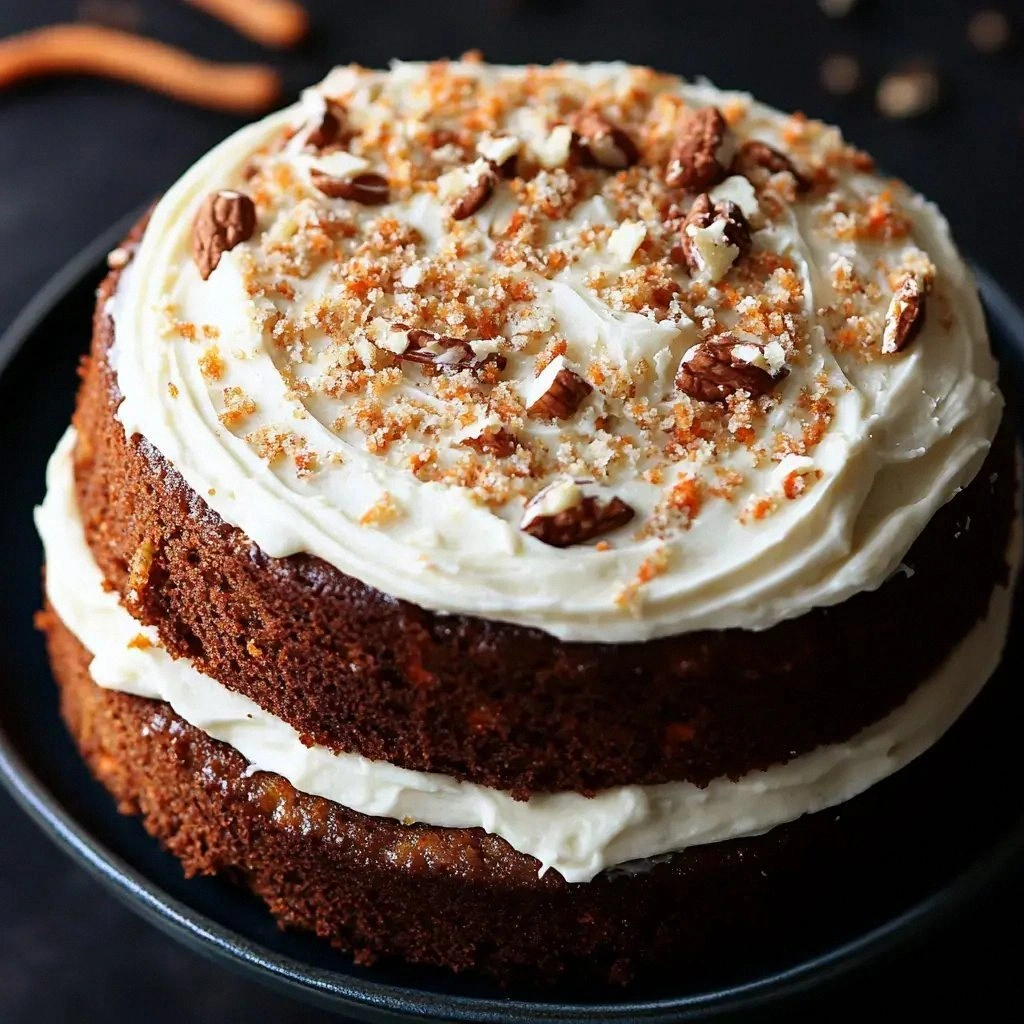
When you first slice into this cake, the aroma hits you like a warm hug—spiced cinnamon mingling with the earthy sweetness of grated carrots, all under a blanket of buttery crumb. The texture is a paradoxical blend of moistness and slight chew, with a gentle crunch from the walnuts that crack like tiny ice shards. The frosting, a silky cream cheese blend, coats each bite like velvet, leaving a hint of tang that balances the sugar. If you close your eyes, you can almost hear the gentle pop of the oven timer as the cake rises, the faint clatter of mixing bowls, and the soft sigh of the kitchen settling into calm.
What sets this version apart isn’t just the ingredients; it’s the meticulous balance between technique and flavor. I’ve refined the batter to keep it airy yet dense enough to hold the frosting without sinking. The carrots are grated finely to distribute sweetness evenly, while the dry mix is folded in just enough to avoid overmixing—otherwise you get a cake that’s as flat as a pancake. This is hands down the best version you'll ever make at home, and I’m about to spill every secret that makes it that way.
Ready for the game‑changer? The twist? A splash of orange zest in the batter that elevates the citrus notes, and a pinch of freshly ground nutmeg that adds a subtle warmth you won’t expect. I dare you to taste this and not go back for seconds. Let me walk you through every single step—by the end, you'll wonder how you ever made it any other way.
What Makes This Version Stand Out
- Flavor: The subtle citrus from orange zest lifts the natural sweetness of carrots, creating a bright, layered taste that feels fresh even on a quiet Sunday afternoon.
- Texture: A moist crumb that doesn’t clump, thanks to a precise ratio of wet to dry ingredients and gentle folding, ensures each bite is a perfect bite‑size experience.
- Frosting: Cream cheese frosting that is silky yet firm, holding its shape on a warm day and providing a tangy counterpoint to the sweet cake.
- Ingredient Quality: Fresh, organic carrots and high‑grade butter give the cake a depth of flavor that store‑bought mixes can’t match.
- Make‑Ahead: The cake can be baked up to 48 hours early and refrigerated, while the frosting can be prepared a day ahead—ideal for last‑minute parties.
- Visual Appeal: The golden brown top with a slight caramelized crust, paired with a glossy frosting finish, makes it Instagram‑ready.
- Versatility: Works beautifully as a dessert, a brunch centerpiece, or even a festive holiday treat when you add a sprinkle of nutmeg or a dusting of powdered sugar.
- Audience: Whether you’re a novice baker or a seasoned pro, the clear instructions and subtle tweaks make this cake accessible to all.
Alright, let's break down exactly what goes into this masterpiece…
Inside the Ingredient List
The Flavor Base
Flour is the silent hero, providing structure without overpowering the other flavors. Using all‑purpose flour keeps the cake light, but a touch of whole wheat can add nuttiness if you’re feeling adventurous. Skip flour, and you’ll end up with a sticky batter that won’t hold its shape—think of it as the scaffolding of your edible masterpiece.
Baking powder and baking soda are the leavening duo that lift the cake to fluffy perfection. The powder offers a quick rise, while the soda reacts with the acidity of the carrots and vanilla, creating bubbles that keep the crumb airy. If you omit either, the cake will be dense and flat, like a pancake that never got the right heat.
Cinnamon is the star spice, infusing the batter with warmth and depth. A good rule of thumb: 2 teaspoons for every 2 cups of flour. If you’re a cinnamon purist, consider adding a pinch of cloves for a subtle complexity. Without it, the cake feels bland, like a plain toast.
Salt is the flavor enhancer that balances sweetness and brings out the richness of the carrots. A teaspoon is enough to tie everything together. Too little salt, and the cake tastes like a sugar bowl; too much, and you’ll have a salty surprise that ruins the experience.
The Texture Crew
Granulated sugar adds sweetness and helps with browning. It caramelizes slightly during baking, giving the cake a golden crust. Brown sugar, on the other hand, introduces molasses flavor and extra moisture, preventing the cake from drying out. Together, they create a harmonious sweet profile.
Vegetable oil is the secret to a moist crumb. Unlike butter, oil doesn’t create a solid structure, allowing the cake to stay tender. A cup of oil is standard for this recipe; if you’re looking for a healthier twist, replace half with unsweetened applesauce.
Eggs bind everything together and add richness. Four large eggs provide the right balance of moisture and structure. If you’re vegan, try flax eggs—mix 4 tablespoons of ground flaxseed with 1 cup of water and let sit for 5 minutes.
Vanilla extract is the aromatic glue that holds the flavors together. Two teaspoons are enough to elevate the cake from ordinary to extraordinary. A touch of almond extract can be a fun substitution if you’re in the mood for something different.
The Unexpected Star
Grated carrots bring natural sweetness and a subtle earthy note. Two cups of finely grated carrots ensure that every bite has a burst of flavor. If you’re short on carrots, shredded zucchini can be a great low‑calorie alternative.
Walnuts add crunch and a nutty undertone. Half a cup is sufficient to give the cake a satisfying texture. For a vegan version, replace walnuts with chopped almonds or pecans.
Raisins provide chewy bursts of sweetness that contrast nicely with the cake’s softness. Half a cup is ideal; if you prefer a drier cake, omit them entirely.
Shredded coconut offers a tropical twist and a subtle chew. A quarter cup adds just enough to enhance the cake’s flavor without overpowering the carrots.
The Final Flourish
For the frosting, cream cheese is the base; it gives the frosting a rich, tangy profile that balances the cake’s sweetness. Eight ounces of softened cream cheese are required for a smooth, spreadable consistency.
Unsalted butter adds richness and helps the frosting stay silky. A quarter cup melted at room temperature works best; if you prefer a firmer frosting, chill the butter before mixing.
Powdered sugar is the sweetener that creates the frosting’s smooth texture. Two cups give the frosting just the right thickness. If you want a lighter frosting, use a mixture of powdered sugar and a splash of milk.
Vanilla extract in the frosting rounds out the flavor profile, giving it a warm, comforting finish. One teaspoon is enough to lift the entire dessert.
Everything's prepped? Good. Let's get into the real action…
The Method — Step by Step
- Preheat your oven to 350°F (175°C) and grease a 9×13 inch baking pan. Line the bottom with parchment for a non‑stick finish. The oven should be at the right temperature; if it’s too hot, the cake will rise too quickly and crack. I’ve seen this happen when the oven’s thermostat is off—always preheat for at least 10 minutes.
- In a large mixing bowl, combine the flour, baking powder, baking soda, cinnamon, and salt. Sift them together to remove any lumps. This dry blend is the backbone of your cake; a smooth mix means a uniform crumb.
- In a separate bowl, whisk together the eggs, sugar, brown sugar, oil, vanilla, and orange zest until the mixture is glossy and well blended. The wet ingredients should be smooth; if you see lumps, give it another whisk. The orange zest will give the batter a bright, citrusy aroma that will linger.
- Gradually add the dry ingredients to the wet mixture, stirring until just combined. Be careful not to overmix, as this can lead to a dense cake. Think of it like folding in a delicate soufflé—gentle motions keep the batter airy.
- Fold in the grated carrots, walnuts, raisins, and coconut. The batter should be thick but still pourable. The carrots should be evenly distributed; you want a consistent flavor in every slice.
- Pour the batter into the prepared pan and spread it evenly with a spatula. The batter should fill the pan to the top without spilling over. This is the moment of truth—watch the batter rise.
- Bake for 30–35 minutes, or until a toothpick inserted into the center comes out clean. The cake should smell toasty, with a faint caramelization on the edges. If you see the top browning too quickly, tent it with foil.
- Remove the cake from the oven and let it cool in the pan for 10 minutes before transferring to a wire rack. This resting period allows the cake to set and prevents it from cracking.
- While the cake cools, prepare the frosting: beat the cream cheese and butter until fluffy, then gradually add powdered sugar and vanilla. The frosting should be smooth and spreadable; if it’s too thick, add a splash of milk.
- Once the cake is completely cooled, spread the frosting evenly over the top. For an extra touch, drizzle a little melted chocolate or sprinkle extra walnuts. The finished cake should look glossy and inviting.
That's it — you did it. But hold on, I've got a few more tricks that'll take this to another level…
Insider Tricks for Flawless Results
The Temperature Rule Nobody Follows
Many bakers think that preheating the oven to the exact temperature is enough, but the real trick is to let the oven stabilize for at least 10 minutes before sliding the pan in. This ensures a consistent bake and prevents the cake from having a raw center. I once baked a cake at 350°F and it came out dense because the oven had been cycling on and off; a steady heat is the secret.
Why Your Nose Knows Best
Smell the batter as it rises. A sweet, caramel scent indicates the sugars are caramelizing properly, while a faint, burnt aroma means the oven is too hot. Trust your nose—if it says “stop,” pause the bake and let the cake settle.
The 5-Minute Rest That Changes Everything
After removing the cake from the oven, let it sit in the pan for exactly 5 minutes before transferring to a wire rack. This short rest allows the structure to set, reducing cracks and giving the frosting a better hold. I’ve seen cakes that cracked right after cooling; that 5‑minute pause saves the day.
Use a Light Touch When Folding
When incorporating the dry mix into the wet batter, use a spatula and fold in a gentle, circular motion. Over‑whipping creates gluten, which makes the cake tough. Think of it like folding a blanket—just enough to keep it soft.
Keep the Frosting Cool Until Serving
If you’re baking ahead, keep the frosting in the fridge until you’re ready to serve. This prevents it from melting into the cake and losing its structure. A quick chill before spreading gives you a firm, glossy finish.
Creative Twists and Variations
This recipe is a playground. Here are some of my favorite ways to switch things up:
Nutty Carrot Delight
Swap walnuts for pistachios or pecans for a different crunch. The nutty flavor pairs beautifully with the citrus zest and adds a pop of color.
Spiced Pumpkin Carrot Cake
Replace half the carrots with pumpkin puree and add a pinch of nutmeg. This variation is perfect for fall, delivering a warm, comforting taste.
Chocolate Carrot Cake
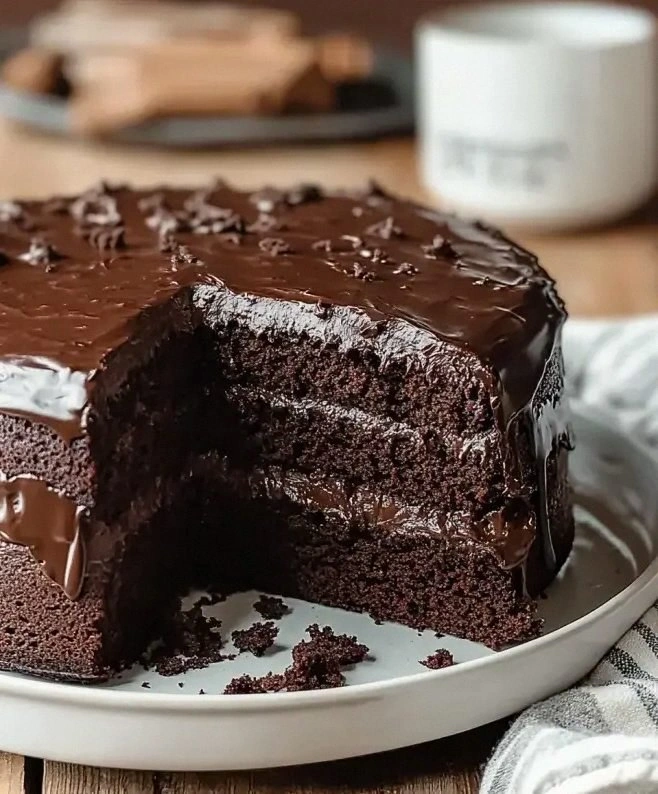
Fold in 1/2 cup of dark chocolate chips and a tablespoon of cocoa powder. The chocolate deepens the flavor profile and turns the cake into a decadent dessert.
Vegan Carrot Cake
Use flax eggs, replace butter with coconut oil, and choose a dairy‑free cream cheese alternative. The result is a moist, fluffy cake that satisfies even the most discerning vegan palate.
Carrot & Coconut Cake
Increase coconut to 1 cup and add shredded sweet potato for extra moisture. The tropical notes will transport you to a sunny beach.
Carrot Cake Muffins
Divide the batter into 12 muffin tins and bake for 20 minutes. These portable treats are ideal for brunch or a quick snack.
Storing and Bringing It Back to Life
Fridge Storage
Wrap the cooled cake tightly in plastic wrap and store it in the refrigerator for up to 5 days. The frosting will stay firm, and the cake will remain moist. When you’re ready to serve, let it sit at room temperature for 20 minutes to soften.
Freezer Friendly
Wrap the cake in two layers of aluminum foil, then place it in a freezer bag. It can be frozen for up to 3 months. Thaw overnight in the fridge, then bring to room temperature before frosting.
Best Reheating Method
To revive a chilled cake, preheat your oven to 300°F (150°C). Place the cake on a baking sheet and warm for 10 minutes. Add a splash of water to the pan to create steam; this keeps the crumb from drying out and restores its original softness.