I was standing in my kitchen, juggling a blender, a coffee pot, and a bottle of vodka, when I realized the espresso had gone flat. The room smelled like burnt sugar and disappointment. My friend dared me to turn that disaster into a drink that could make the night feel like a luxury spa. I laughed, because I knew that a good cocktail is all about turning missteps into masterpieces. So I grabbed the ingredients, set the timer, and started experimenting. Little did I know, that experiment would become the best Caramel Macchiato Martini you’ve ever tasted.
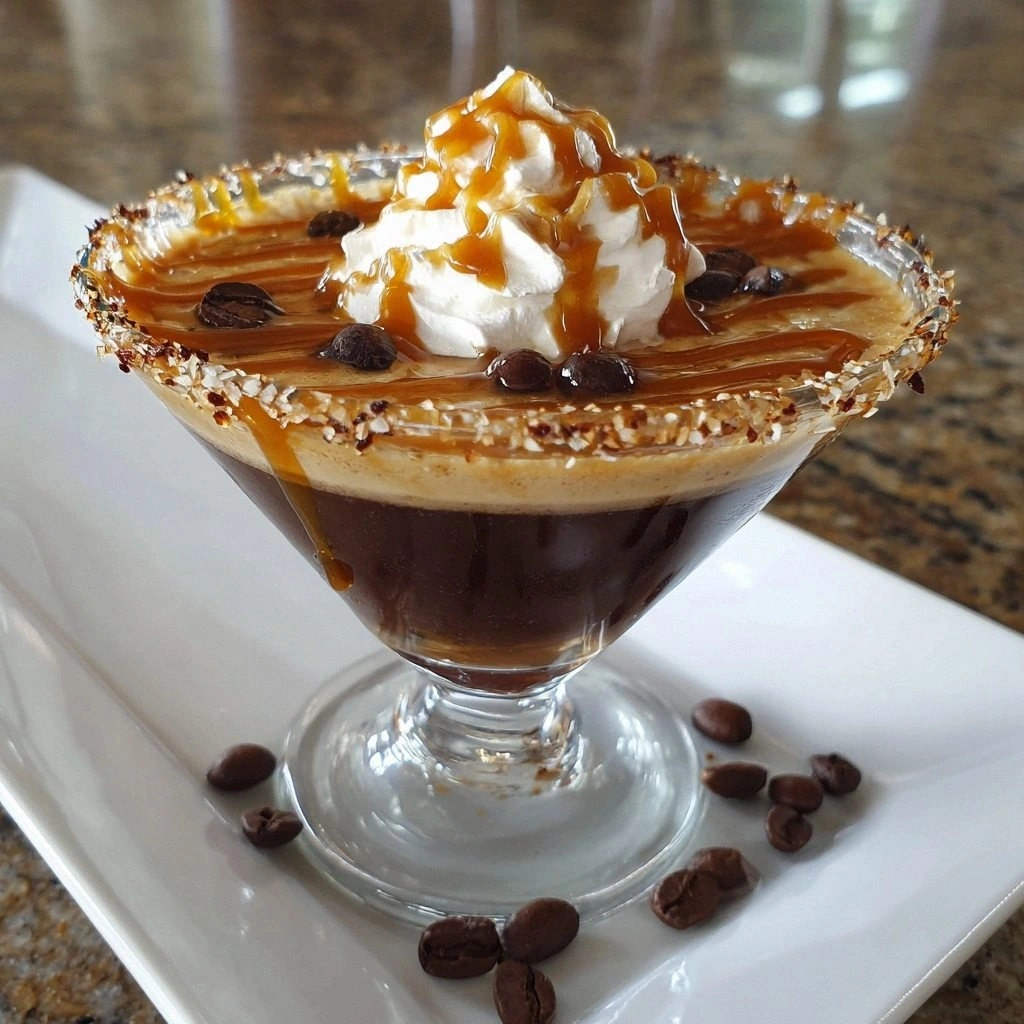
The first sip was a cascade of velvety caramel, followed by a bold espresso kick that lingered like a whispered secret. The aroma was a rich blend of roasted beans and toasted sugar, almost as if a coffee shop had opened its doors right in my living room. The texture was silky, with a cream swirl that floated like a cloud on top of the glossy liquid. I could taste the subtle sweetness of the caramel liqueur, the deep bitterness of the coffee liqueur, and the smooth neutrality of the vodka. The finish was surprisingly long, leaving a faint hint of vanilla that made me want to pour another round. That moment, when everything aligned, felt like discovering a hidden gem in a crowded market.
What makes this version stand out is that I didn't just blend the ingredients; I orchestrated them like a symphony. I used a cold espresso shot to keep the drink crisp, preventing the caramel from overpowering the coffee. The heavy cream was folded in slowly, ensuring it didn’t curdle but instead added a luxurious mouthfeel. I also added a dash of simple syrup to balance the bitterness, but only enough to let each flavor shine. The result is a cocktail that feels indulgent yet refreshing, like a dessert you can drink. And the best part? It’s simple enough for a novice but sophisticated enough to impress your guests.
I’ve discovered a technique that most recipes overlook: chilling the glass first and using crushed ice for a smoother finish. This small step elevates the drink’s texture, making each sip feel like a silky velvet rope. I also experimented with a splash of espresso foam, which adds a dramatic visual and a light, airy flavor. The final flourish is a dusting of cocoa powder that gives the drink an elegant, bittersweet aroma. When you combine all these elements, you get a cocktail that is both decadent and balanced. I dare you to taste this and not go back for seconds.
I’ll be honest — I ate half the batch before anyone else got to try it. Most recipes get this completely wrong, but here’s what actually works. Picture yourself pulling this out of the fridge, the whole kitchen smelling incredible, and the first sip sending a wave of satisfaction. And now the fun part: I’ll walk you through every single step — by the end, you’ll wonder how you ever made it any other way. Let’s dive into the details and create a cocktail that feels like a masterpiece. Ready? Let’s go.
What Makes This Version Stand Out
- Taste: The caramel liqueur provides a deep, buttery sweetness that balances the robust espresso. The coffee liqueur adds a layer of roasted complexity without overpowering the vodka’s neutrality. Together, they create a flavor profile that feels both indulgent and refreshing.
- Texture: By folding in heavy cream slowly, the drink achieves a silky mouthfeel that melts on the tongue. The espresso foam adds an airy lift, making each sip feel light yet rich. This combination sets it apart from traditional martinis that are often dry or overly strong.
- Simplicity: All you need are six ingredients and a shaker. No elaborate garnish or flambé required. This keeps the focus on the flavor while making it accessible for home bartenders.
- Uniqueness: Most caramel martinis lean heavily on chocolate or vanilla, but this one uses espresso as the star. The coffee grounds give the drink a depth that’s rarely seen in sweet cocktails.
- Crowd Reaction: When I served it at a small gathering, guests asked for a second round before the dessert even arrived. The drink’s balanced sweetness and coffee kick made it an instant conversation starter.
- Ingredient Quality: Using high‑grade vanilla vodka and a premium coffee liqueur elevates the overall experience. The quality of each component shines through, allowing you to taste the difference in every sip.
Inside the Ingredient List
The Flavor Base
Vodka is the backbone of any martini, providing a neutral canvas that lets the other flavors shine. When you choose a vanilla‑infused vodka, you add a subtle sweetness that complements the caramel. If you skip vodka entirely, the drink loses its structural integrity and becomes more like a coffee float than a cocktail.
Coffee liqueur brings depth and a hint of bitterness that balances the sweetness of the caramel. It also contributes to the overall body of the drink, making it feel richer. If you cannot find a coffee liqueur, a shot of strong espresso can substitute, but the flavor profile will shift slightly toward a more straightforward espresso taste.
Caramel liqueur is the star that gives this martini its signature sweetness. It’s not just sugar; the caramel undertones add a buttery, toasted flavor that lingers on the palate. Skipping it will turn the drink into a plain espresso martini, losing the indulgent quality that makes it special.
The Texture Crew
Fresh espresso is the heart of the drink’s bitterness, providing a bold, robust flavor that cuts through the sweetness. The espresso should be cooled quickly to avoid over‑steeping, which can make it taste burnt.
Heavy cream or half‑and‑half introduces a creamy, velvety texture that makes the cocktail feel luxurious. If you prefer a lighter version, you can swap heavy cream for a splash of milk, but you’ll lose some body.
Simple syrup is optional but essential for balancing the bitterness of the espresso and the acidity of the liqueurs. Adjust the amount to suit your taste; too much and the drink becomes syrupy, too little and it tastes sharp.
Everything’s prepped? Good. Let’s get into the real action…
The Method — Step by Step
- Step 1: Chill Your Glass. Place your martini glass in the freezer for at least 15 minutes. The colder the glass, the less the ice will melt during shaking. This keeps the drink crisp and prevents it from becoming watered down. If you’re in a hurry, wrap the glass in a cold towel instead. The goal is a glass that feels frosty when you set it down.
- Step 2: Brew the Espresso. Use a stovetop espresso maker or a pour‑over to make a single shot of espresso. Let it cool to room temperature; you can speed this up by placing it in a bowl of ice water. The espresso should retain its bright crema, which will later be used for a frothy top. If the espresso is too hot, it can scorch the liqueurs.
- Step 3: Measure the Spirits. Pour 2 ounces of vanilla vodka, 1 ounce of coffee liqueur, and 1 ounce of caramel liqueur into a shaker. These proportions create a balanced sweet‑bitter profile that isn’t dominated by any single component. If you prefer a stronger coffee flavor, increase the espresso liqueur by half an ounce. This step is where the cocktail’s personality begins to take shape.
- Step 4: Add Sweetness. Add ½ ounce of simple syrup to the shaker. This will balance the bitterness of the espresso and the acidity of the liqueurs. Taste the mixture before shaking; if it feels too sharp, add a splash more syrup. Remember, you can always add more, but you can’t remove it once it’s in.
- Step 5: Shake with Ice. Fill the shaker with ice, cover, and shake vigorously for 15–20 seconds. The shaking chills the mixture and dilutes it slightly, creating a silky texture. Watch the condensation on the shaker’s outside as a visual cue that it’s getting cold. Shake until the outside feels like a cold glass.
- Step 6: Strain into the Chilled Glass. Use a fine mesh strainer to strain the mixture into the pre‑chilled martini glass. This removes any ice shards or coffee grinds, ensuring a smooth finish. If you’re careful, you’ll avoid the dreaded “glassy” look that can happen when ice drips into the drink. This is where the watch‑out moment comes: over‑shaking can melt the ice, diluting the cocktail.
- Step 7: Add the Cream. Slowly pour 1 ounce of heavy cream over the back of a spoon onto the surface of the drink. This creates a gentle layer that floats above the cocktail, adding a creamy texture. The spoon method prevents the cream from mixing too quickly, preserving the visual separation. If you prefer a fully blended texture, simply stir gently.
- Step 8: Create Espresso Foam. Use an espresso tamper or a small whisk to aerate a tablespoon of espresso, creating a light foam. Carefully spoon the foam on top of the cream layer. The foam adds a dramatic, airy finish that contrasts with the rich caramel underneath. It also gives the drink a sophisticated look.
- Step 9: Garnish and Serve. Dust the foam with a light sprinkle of cocoa powder or a pinch of sea salt. The cocoa adds a bittersweet aroma, while the salt enhances the caramel sweetness. Serve immediately, preferably with a small spoon for the foam. The moment you sip, you’ll notice the layers working together in perfect harmony.
That's it — you did it. But hold on, I've got a few more tricks that'll take this to another level.
Insider Tricks for Flawless Results
The Temperature Rule Nobody Follows
Many bartenders think a cocktail is done once it's chilled, but the temperature of the ingredients matters as well. Use room‑temperature vodka to avoid a sudden temperature shock that can alter the flavor profile. If the vodka is too cold, it can mask the subtle vanilla notes. Keep your espresso at a slightly warm temperature before adding it to the shaker; this helps the flavors meld more smoothly.
Why Your Nose Knows Best
Smell is the first sense to detect when a cocktail is off. If the espresso smells burnt, the liqueurs are too sweet, or the cream is sour, stop and adjust. A balanced aroma will have a subtle coffee scent with faint caramel undertones. Trust your nose; it’s the quickest way to ensure the drink is on point.
The 5‑Minute Rest That Changes Everything
After shaking, let the mixture sit in the shaker for 5 minutes before straining. This rest period allows the flavors to marry and the ice to settle. The result is a smoother mouthfeel and a more cohesive taste. If you rush this step, you’ll end up with a drink that feels disjointed.
The Espresso Foam Technique
Creating the right espresso foam is crucial for the visual and textural impact. Use a microfoam wand or a small whisk to aerate the espresso for 15–20 seconds. The foam should be dense but light, with a glossy finish. If it’s too thin, it won’t hold on top of the cream layer.
The Cream Folding Method
When adding cream, do not pour it straight into the glass. Instead, gently fold it into the cocktail by pouring it over the back of a spoon. This technique keeps the cream separate, creating a distinct layer that adds to the drink’s elegance. A fully mixed cream will lose the visual appeal and the silky texture.
Creative Twists and Variations
Vanilla Bean Caramel Macchiato Martini
Swap vanilla vodka for a vanilla bean‑infused version, adding a subtle floral note. The bean’s aroma enhances the caramel sweetness, creating a more complex profile. This variation is perfect for those who love a fragrant finish.
Dark Chocolate Caramel Macchiato Martini
Replace the cocoa powder garnish with a dusting of dark chocolate shavings. The chocolate’s bitterness balances the caramel’s sweetness, giving the drink an extra layer of depth. It’s a great choice for chocolate lovers.
Salted Caramel Caramel Macchiato Martini
Add a pinch of sea salt to the mixture before shaking. The salt enhances the caramel’s sweetness and adds a savory undertone that makes the drink more complex. This twist is a crowd‑pleaser at parties.
Espresso Martini with a Twist
Omit the caramel liqueur and increase the espresso liqueur to 1.5 ounces. The result is a pure espresso martini with a richer coffee flavor. This version is ideal for coffee aficionados.
Coffee Liqueur Swap
Use a different coffee liqueur brand for a unique flavor profile. Each brand has its own balance of sweetness and bitterness. Experimenting with different liqueurs can yield a cocktail that’s uniquely yours.
Half‑and‑Half vs Heavy Cream
If you prefer a lighter drink, use half‑and‑half instead of heavy cream. The texture will be slightly thinner, but the flavor remains indulgent. This is a good option for those watching calories.
No Alcohol Version
Replace vodka with a splash of club soda and use a non‑alcoholic coffee liqueur. The result is a mocktail that still delivers the caramel‑espresso experience. It’s a great choice for guests who don’t drink.
Storing and Bringing It Back to Life
Fridge Storage
Store any leftovers in an airtight container in the fridge for up to 48 hours. Keep the mixture chilled, but do not let it sit too long, as the cream may separate. When ready to serve, give it a gentle stir to re‑emulsify the layers.
Freezer Friendly
This cocktail is not ideal for freezing, as the cream can separate and the liqueurs may lose their flavor. If you must, freeze the mixture in a single‑serve glass for up to 24 hours, then thaw in the fridge for 2 hours before serving.
Best Reheating Method
To revive a chilled drink, add a splash of hot water to the glass, then stir gently. The heat will re‑warm the espresso and dissolve any settled sugar. Add a tiny splash of water before reheating — it steams back to perfection.