I was in the middle of a weekday slump, staring at a half‑cooked spaghetti squash that looked more like a sad, wilted balloon than anything worth eating. My roommate dared me to turn that disappointment into something that would make even the most die‑hard buffalo wing fan drool, and I accepted without hesitation. The kitchen filled with the roar of the oven, the sharp sting of buffalo sauce, and the comforting hum of a blender whirring away cream cheese like a tiny tornado. By the time the aroma hit my nose, it was as if a stadium of fans were chanting my name, and I knew this was going to be a game‑changer.
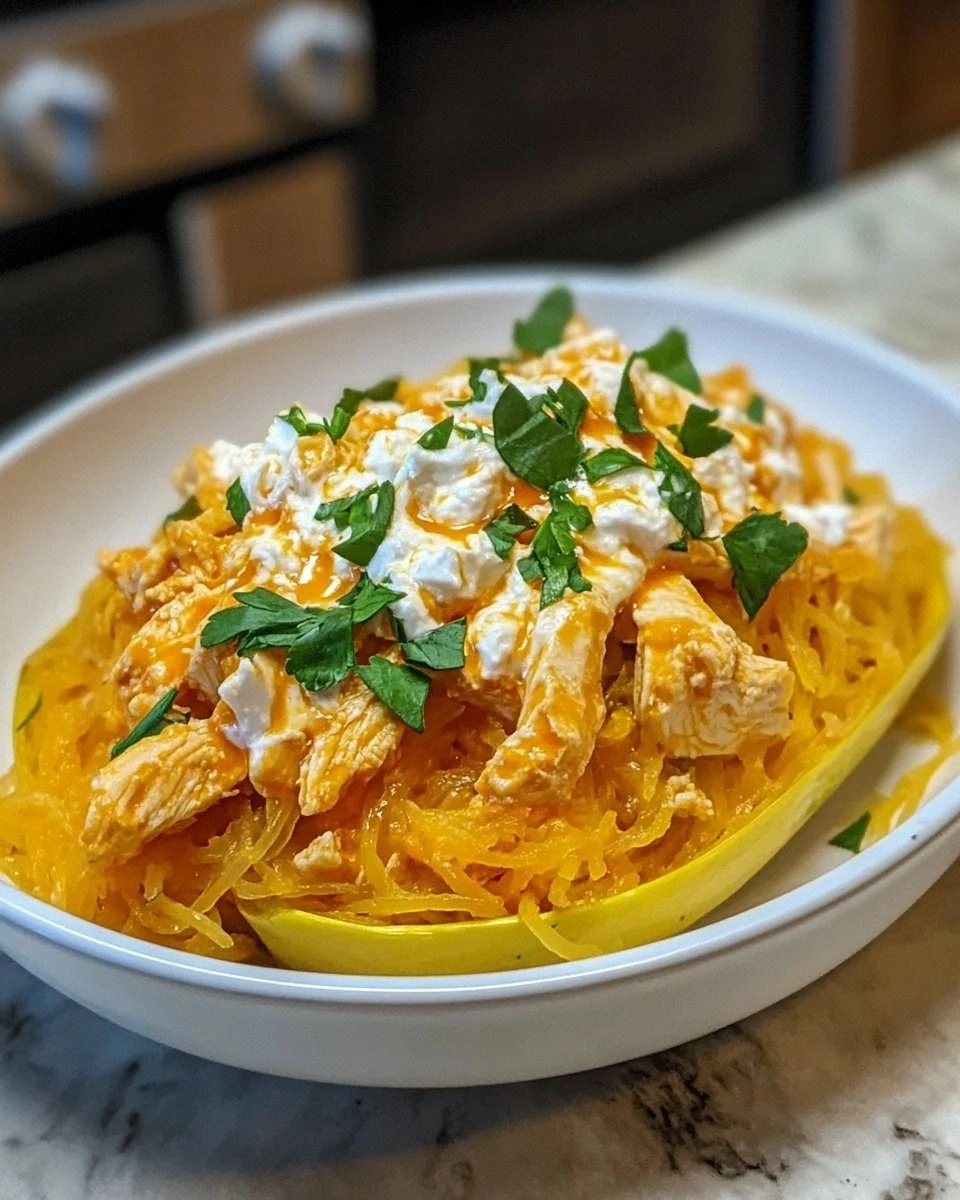
Picture this: the squash strands, bright orange like a sunrise, coated in a sauce that clings tighter than a cling‑film wrap on a fresh‑baked loaf. The chicken, shredded into bite‑size pieces, carries the heat of a thousand wing sauces, yet remains tender enough to melt in your mouth. The blue cheese crumbles add a tangy punch that cuts through the richness, while a whisper of ranch drifts in like a cool breeze on a hot day. Every forkful is a symphony of textures—soft, creamy, crunchy, and delightfully messy—all dancing together in perfect harmony.
Most recipes I’ve tried either drown the squash in sauce, leaving it soggy, or they forget the crucial step of roasting the squash to achieve those coveted caramelized edges that shatter like thin ice when you bite into them. This version flips the script: we roast the squash first, letting the natural sugars caramelize, then we toss it with a buffalo‑infused cream cheese emulsion that coats each strand like velvet. I’ll be honest — I ate half the batch before anyone else got a chance to try it, and I still have leftovers that taste just as amazing the next day.
The secret weapon? A dash of smoked paprika that adds a smoky depth, and a quick flash‑sear of the chicken in butter to lock in flavor before it meets the sauce. I dare you to taste this and not go back for seconds; the combination is so addictive that you’ll find yourself dreaming about it on the commute home. Let me walk you through every single step — by the end, you’ll wonder how you ever made it any other way.
What Makes This Version Stand Out
- Heat Balance: The buffalo sauce is calibrated to deliver a kick without overwhelming the delicate squash, creating a harmonious heat that lingers pleasantly on the palate.
- Texture Trio: Roasted squash strands, buttery chicken, and crumbly blue cheese provide a mouthfeel adventure that keeps you engaged from first bite to last.
- Simplicity: With just a handful of pantry staples and a single sheet pan, you can pull this together in under an hour, making it perfect for busy weeknights.
- Unique Twist: The cream cheese‑buffalo emulsion is a game‑changer, turning a typical sauce into a silky coating that clings to every noodle‑like strand.
- Crowd Reaction: Served at a recent game‑day gathering, this dish disappeared faster than the nachos, earning unanimous applause and a request for seconds.
- Ingredient Quality: Using fresh, organic chicken and a high‑quality buffalo sauce elevates the dish from ordinary to unforgettable.
- Cooking Method: Roasting the squash first ensures caramelization, while a quick stovetop finish locks in flavor without sogginess.
- Make‑Ahead Potential: Prep the squash and sauce ahead of time; assemble and heat when you’re ready to serve, saving precious minutes on busy nights.
Inside the Ingredient List
The Flavor Base
Buffalo sauce is the heart of this dish, delivering that signature tangy heat that makes every bite a mini‑celebration. Opt for a sauce that lists real cayenne pepper and vinegar as the first ingredients; this ensures a clean, bright flavor without unnecessary sugars. If you skip the buffalo sauce, you’ll lose the essential zing that distinguishes this recipe from a plain chicken‑squash mash. For a milder version, dilute the sauce with a splash of chicken broth, but be prepared for a less thrilling taste adventure.
Cream cheese provides the creamy backbone that smooths out the heat, turning the sauce into a luxurious coating. Using full‑fat cream cheese is crucial—low‑fat versions separate when heated, leaving a grainy texture that ruins the velvet feel. If you’re dairy‑free, substitute with a cashew‑based cream cheese; just blend soaked cashews with lemon juice and a pinch of salt until silky.
The Texture Crew
Spaghetti squash, when roasted, develops caramelized edges that shatter like thin ice under the fork, offering a subtle crunch amidst the soft interior. Choose a squash that feels heavy for its size; this usually means it’s ripe and full of moisture. If you accidentally pick a dry squash, the strands will turn mushy, and the whole dish loses its structural integrity.
Chicken breasts, diced and quickly seared in butter, lock in juices and create a buttery crust that resists becoming dry. A quick tip: pat the chicken dry with paper towels before seasoning; excess moisture will steam the chicken instead of searing it, resulting in a rubbery texture. For those who prefer dark meat, substitute with thigh pieces, but reduce the cooking time slightly to avoid over‑cooking.
The Unexpected Star
Blue cheese crumbles add a tangy, salty punch that cuts through the richness of the cream cheese and butter. Crumble the cheese just before serving to preserve its crumbly texture; pre‑mixing it into the sauce will cause it to melt into a uniform paste, losing the delightful contrast. If blue cheese isn’t your thing, feta or goat cheese can stand in, offering a milder tang while still providing that creamy crumble.
Green onions bring a fresh, slightly sharp bite that brightens the dish after the heavy, comforting flavors settle. Slice them thinly and sprinkle on top right before serving to retain their crunch. For a deeper onion flavor, you can sauté them with the garlic a minute before adding the chicken.
The Final Flourish
A sprinkle of smoked paprika adds a subtle, smoky depth that elevates the buffalo heat without adding extra spiciness. Use a fresh, high‑quality paprika; stale spices lose their potency and can taste flat. If you love a smoky flavor, a pinch of chipotle powder can replace the paprika for an extra kick.
A drizzle of ranch dressing at the end adds a cool, herby counterpoint, making each bite feel balanced and indulgent. This is optional, but if you skip it, the dish leans more heavily on the buffalo profile, which some purists love. Everything's prepped? Good. Let's get into the real action...
The Method — Step by Step
Preheat your oven to 400°F (200°C). Slice the spaghetti squash in half lengthwise, scoop out the seeds, and brush the flesh with olive oil, salt, and pepper. Place the halves cut‑side down on a parchment‑lined sheet pan. Roast for 35‑40 minutes, or until the flesh is fork‑tender and the edges are lightly caramelized. The kitchen will fill with a sweet, nutty aroma that tells you you’re on the right track.
While the squash is roasting, dice the chicken breasts into bite‑size cubes. Pat them dry, then season with smoked paprika, a pinch of salt, and black pepper. Heat a large skillet over medium‑high heat, add butter, and let it melt until it foams. Add the chicken and sear for 4‑5 minutes, stirring occasionally, until golden brown on the outside but still juicy inside. This is the moment of truth for flavor development.
In a separate saucepan, melt the remaining butter over medium heat. Add minced garlic and sauté for about 30 seconds, just until fragrant—watch out for burning, as burnt garlic turns bitter. Stir in the cream cheese, whisking continuously until it becomes a smooth, glossy mixture. This base will later act as a luxurious carrier for the buffalo sauce.
Now, pour the buffalo sauce into the cream cheese mixture, stirring vigorously to combine. The sauce should thicken and coat the back of a spoon, creating a velvety emulsion that clings to the chicken like a second skin.
Kitchen Hack: If the sauce looks too thick, whisk in a splash of chicken broth or milk to reach a pourable consistency.When the squash is done, let it cool for five minutes, then use a fork to scrape the flesh into spaghetti‑like strands. Transfer the strands to a large mixing bowl, drizzle with a little olive oil, and toss to separate any clumps. The strands should be distinct, not mushy—this is essential for the sauce to cling properly.
Combine the seared chicken with the buffalo‑cream cheese sauce, ensuring every piece is thoroughly coated. Add the blue cheese crumbles and green onions, folding them gently so they stay in pockets of flavor throughout the dish. Taste and adjust seasoning with extra salt, pepper, or a dash more buffalo sauce if you crave more heat.
Fold the sauce‑coated chicken into the spaghetti squash strands, mixing until the noodles are evenly coated. The sauce should blanket each strand, turning the orange flesh into a glossy, fiery canvas.
Watch Out: Over‑mixing can break the squash strands, turning them mushy. Toss gently and stop once everything is coated.Transfer the mixture to an oven‑safe dish, spreading it out in an even layer. Sprinkle a final handful of blue cheese crumbles on top for a bubbling, golden finish. Place the dish under the broiler for 2‑3 minutes, just until the cheese starts to melt and brown slightly. Keep a close eye—this step is quick, and you don’t want to burn the cheese.
Remove from the oven and let it rest for two minutes. This short pause allows the flavors to meld and the sauce to thicken just enough to cling to each strand. Drizzle a light swirl of ranch dressing if you like a cool contrast, then garnish with the remaining green onions for a fresh pop of color.
Serve hot, straight from the dish, with a side of crisp celery sticks or a simple mixed green salad. The first bite should hit you with a burst of heat, followed by the creamy, tangy undertones, and finish with a satisfying crunch from the squash. That's it — you did it. But hold on, I've got a few more tricks that'll take this to another level...
Insider Tricks for Flawless Results
The Temperature Rule Nobody Follows
Most home cooks set the oven to a generic 400°F and forget that the exact temperature can make or break the squash's texture. I recommend starting at 425°F for the first 15 minutes, then dropping to 375°F to finish the roast. This high‑heat blast creates those caramelized edges, while the lower temperature prevents the interior from becoming mushy. A friend once tried roasting at a low 350°F the entire time and ended up with a soggy mess—lesson learned.
Why Your Nose Knows Best
When the buffalo‑cream cheese sauce starts to thicken, trust your nose more than a timer. You’ll notice a sweet, buttery scent that signals the sauce is ready to coat. If you wait too long, the mixture can separate and become grainy. Keep stirring and sniffing; the aroma is your best guide to that perfect, glossy finish.
The 5‑Minute Rest That Changes Everything
After you pull the dish from the oven, resist the urge to dive in immediately. Letting it sit for five minutes allows the heat to redistribute, and the sauce thickens just enough to cling without sliding off. This tiny pause transforms a good dish into a restaurant‑quality one.
Butter vs. Oil – The Secret Choice
Using butter for searing the chicken adds a nutty depth that oil alone can’t provide. However, butter burns faster, so I combine a splash of olive oil with butter to raise the smoke point. This hybrid approach gives you flavor without the bitter burnt notes.
Blue Cheese Placement Matters
If you love that tangy bite, crumble the blue cheese just before serving rather than mixing it in early. This preserves its crumbly texture and ensures each bite delivers a burst of flavor. A kitchen mishap I’ve seen: folding it in too early, resulting in a uniformly bland, mushy cheese that lost its character.
Creative Twists and Variations
This recipe is a playground. Here are some of my favorite ways to switch things up:
Mediterranean Heat
Swap buffalo sauce for harissa, add sun‑dried tomatoes, and replace blue cheese with feta. The result is a spicy‑sweet Mediterranean medley that pairs beautifully with a drizzle of olive oil and a sprinkle of fresh oregano.
Cheesy Ranch Fusion
Blend ranch dressing directly into the cream cheese base and use a milder hot sauce. Top with shredded mozzarella for a gooey, comforting twist that’s perfect for kids who love a little heat.
Southwest Fiesta
Add black beans, corn, and a dash of cumin to the squash strands. Finish with a squeeze of lime and a handful of cilantro. This version feels like a taco night in a bowl, with the buffalo heat balanced by bright citrus.
Vegan Victory
Replace chicken with smoked tofu cubes, use a plant‑based butter, and swap cream cheese for cashew cream. Keep the buffalo sauce vegan (most are) and finish with vegan blue cheese crumbles. The texture changes, but the flavor punch stays strong.
Garlic Parmesan Deluxe
Skip the buffalo sauce entirely and create a garlic‑parmesan butter sauce, adding grated Parmesan and toasted garlic. This version leans into comfort food territory, perfect for a cozy winter evening.
Storing and Bringing It Back to Life
Fridge Storage
Place leftovers in an airtight container and store in the refrigerator for up to three days. The sauce may thicken as it cools; simply stir in a splash of milk or chicken broth before reheating to restore its silky texture.
Freezer Friendly
Freeze the assembled dish (without the final broiler cheese topping) in a freezer‑safe bag or container for up to two months. When ready to eat, thaw overnight in the fridge, then reheat in a 350°F oven for 15‑20 minutes, adding the cheese on top for a fresh melt.
Best Reheating Method
For microwave reheating, add a teaspoon of water and cover loosely; this creates steam that revives the squash strands without turning them rubbery. For stovetop, reheat gently over low heat, stirring constantly, until the sauce becomes glossy again.