I’ll be honest — I ate half the batch before anyone else got to try it, and that was the moment I realized I had stumbled onto something truly spectacular. It all started on a rainy Thursday when my kitchen was a battlefield of soggy toast, over‑cooked pasta, and a lingering scent of burnt garlic that clung to the ceiling fan like a bad memory. I was desperate for a rescue mission, something that would make my taste buds sing and my fridge feel like a boutique market instead of a leftover graveyard. That’s when a friend dared me to combine bourbon and fresh peaches with salmon, insisting it would be a disaster; I laughed, rolled my eyes, and thought, “Okay, ready for the game‑changer?” Little did I know that the sweet‑smoky marriage of bourbon and peach would turn into a glaze so glossy it could double as a mirror for my reflection.
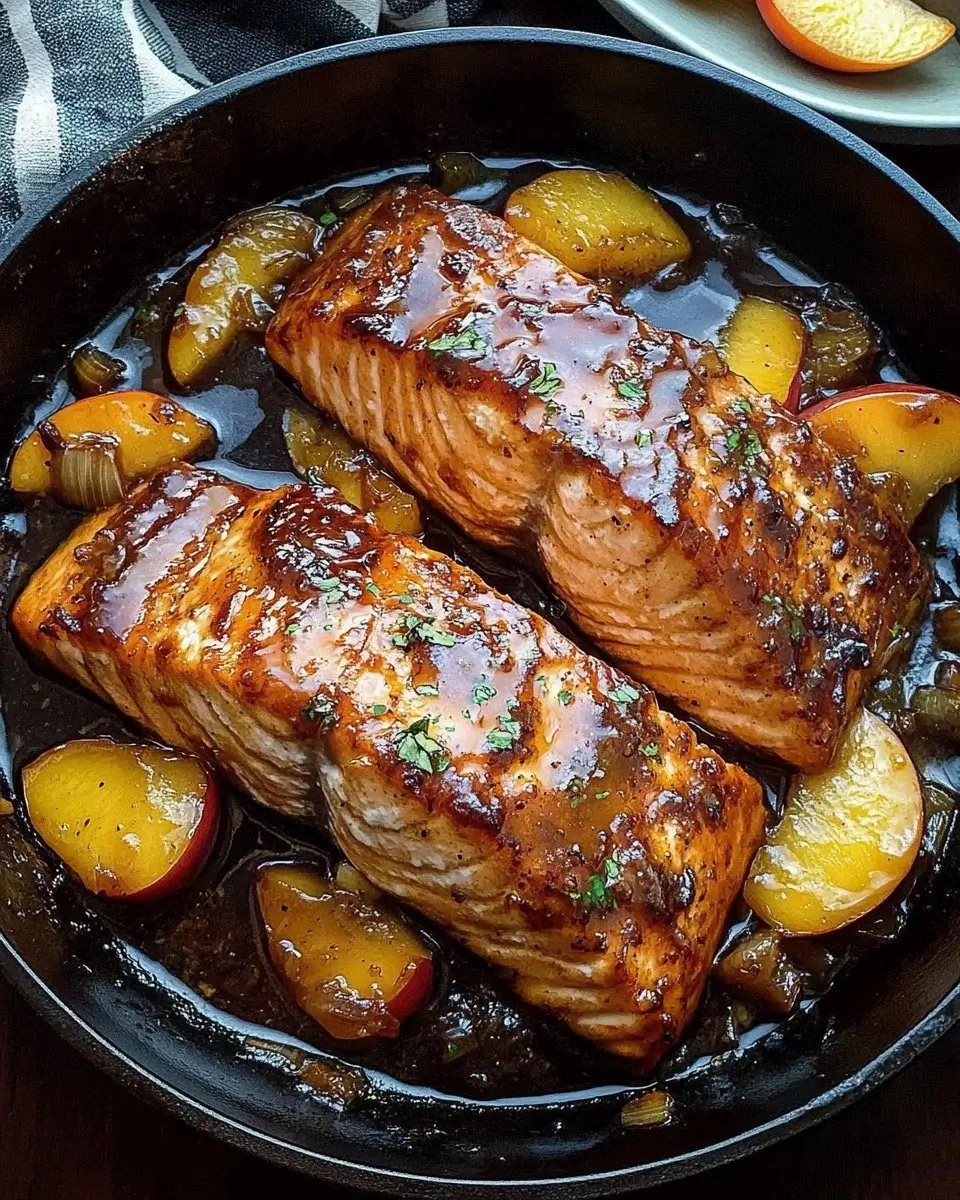
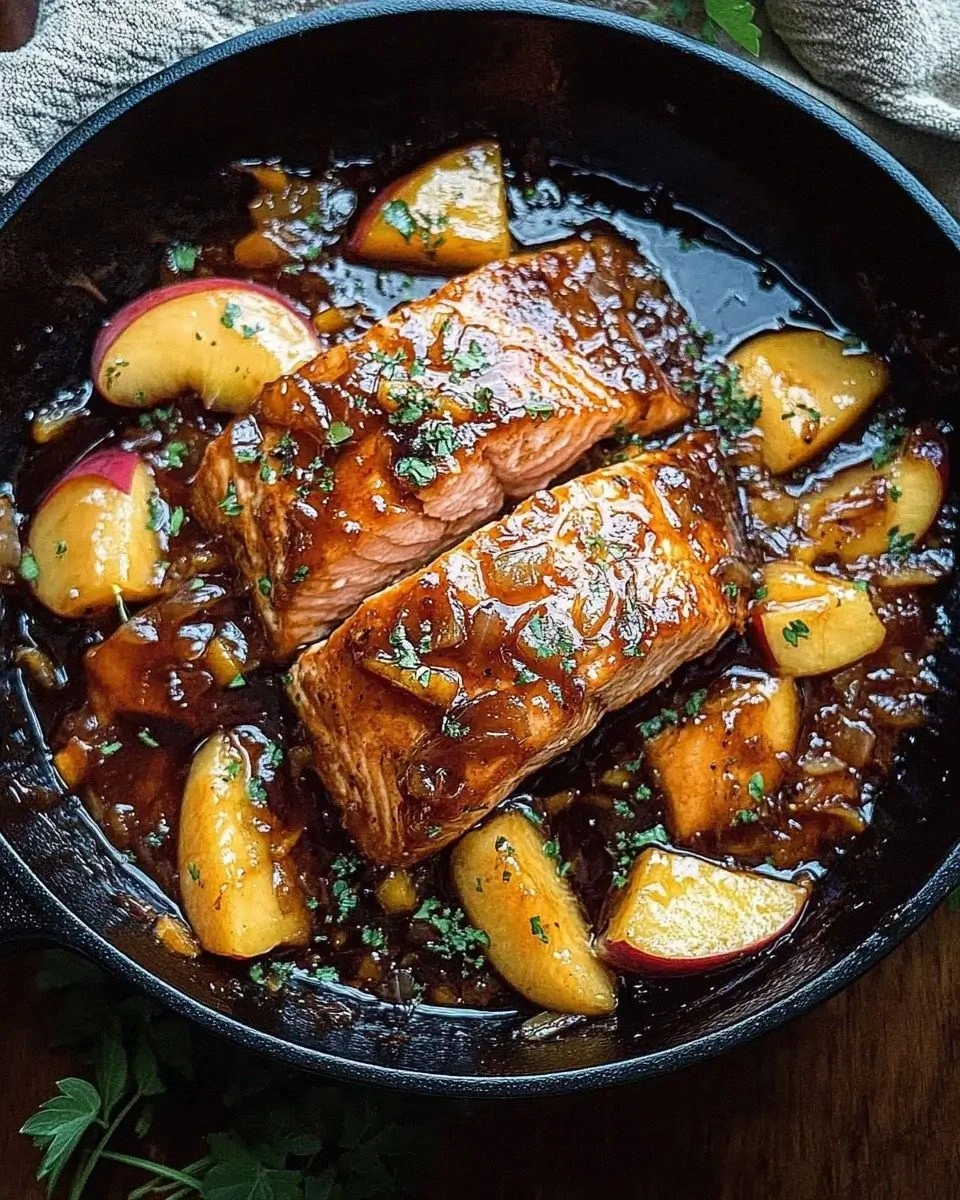
Picture yourself pulling this out of the pan, the whole kitchen smelling incredible, a caramel‑gold sheen glistening over the pink flesh like sunrise on a lake. The aroma is a seductive mix of buttery salmon, the fruity perfume of ripe peach, and the warm, almost woody whisper of bourbon that makes you want to inhale deeply, close your eyes, and imagine you’re on a Southern porch at dusk. When the first bite hits, the glaze coats the salmon like velvet, delivering a sweet‑tangy snap that makes the flesh practically melt in your mouth while the edges crisp just enough to give a satisfying crunch that shatters like thin ice. That sizzle when it hits the pan? Absolute perfection. I dare you to taste this and not go back for seconds.
Most recipes get this completely wrong. They either drown the fish in a sugary mess that masks the delicate flavor of salmon, or they skimp on the glaze, leaving you with a bland, dry piece of protein that feels like a culinary betrayal. Here’s what actually works: a balanced trio of bourbon, peach, and a whisper of honey that amplifies the natural sweetness without overwhelming it, paired with a dash of Dijon and soy for depth, and a light dusting of garlic powder that adds an aromatic backdrop. The secret weapon? Fresh, ripe peaches that bring a juicy burst, and a quick sear that locks in moisture while creating that coveted caramelized crust. Most home cooks skip the finishing parsley garnish, but that bright green pop is the visual cue that says, “I put effort into this.”
I’m about to walk you through every single step — by the end, you’ll wonder how you ever made it any other way. We’ll start with the ingredient lineup, move through the glaze creation, master the searing technique, and finish with a few insider tricks that will elevate your dish from good to legendary. So grab your apron, preheat that skillet, and let’s dive into the ultimate bourbon peach glazed salmon experience.
What Makes This Version Stand Out
- Flavor Harmony: The bourbon adds a smoky depth that pairs perfectly with the natural sweetness of peaches, while honey and soy create a glossy, balanced glaze that never overpowers the salmon.
- Texture Contrast: A quick, high‑heat sear gives the fish a crisp, caramelized exterior that contrasts beautifully with the buttery, flaky interior.
- Simplicity: Only eleven ingredients, most of which you already have in your pantry, and the entire process takes under an hour.
- Uniqueness: Few home‑cooked salmon recipes dare to incorporate bourbon; this one does it with finesse, delivering a restaurant‑quality flavor profile.
- Crowd Reaction: Guests often claim it’s the best salmon they’ve ever tasted, and the glaze’s glossy finish makes it Instagram‑ready.
- Ingredient Quality: Fresh peaches and high‑grade bourbon are the stars; they elevate the dish from everyday to extraordinary.
- Cooking Method: The pan‑sear followed by a brief oven finish ensures even cooking without drying out the fish.
- Make‑Ahead Potential: The glaze can be prepared ahead of time and stored, so you only need to focus on the searing when you’re ready to serve.
Inside the Ingredient List
The Flavor Base
The bourbon isn’t just for show; its caramel and vanilla notes act as a flavor conduit, pulling the peach’s natural sugars into a cohesive glaze that clings to the salmon like a second skin. If you’re wary of the alcohol kick, rest assured that most of it evaporates during cooking, leaving behind a subtle warmth that deepens the overall taste. For a non‑alcoholic version, you can substitute with a splash of apple cider vinegar mixed with a touch of maple syrup, but you’ll lose that signature smoky undertone. When selecting bourbon, aim for a mid‑range brand with a smooth finish — you don’t need a premium, but avoid the cheap, harsh varieties that can dominate the palate.
The Sweet‑Savory Duo
Fresh peaches bring a juicy burst that balances the bourbon’s heat, while honey adds a mellow sweetness that rounds out the glaze without making it cloying. If peaches are out of season, frozen slices work fine; just thaw and pat them dry to avoid excess water in the sauce. The soy sauce introduces a savory umami depth, and the Dijon mustard provides a subtle tang that lifts the overall flavor profile. Swapping soy with tamari makes the dish gluten‑free, and a dash of sriracha can add a gentle heat if you like a little kick.
The Texture Crew
Olive oil is the silent hero that ensures the salmon doesn’t stick to the pan while also contributing a light, fruity note that complements the glaze. Garlic powder adds an aromatic backdrop without the risk of burning raw garlic, and the black pepper provides a gentle heat that accentuates the bourbon’s spice. Salt is essential for seasoning the fish itself, not just the glaze, as it helps draw out moisture, creating that coveted crisp exterior. If you’re on a low‑sodium diet, reduce the salt to a pinch and let the soy sauce carry most of the seasoning.
The Final Flourish
Fresh parsley isn’t just for color; its bright, slightly peppery flavor cuts through the richness of the glaze, providing a refreshing finish that balances each bite. Chop it just before serving to preserve its vivid green hue and crisp texture. For a different herb twist, try cilantro for a more tropical vibe or dill for a classic fish pairing. The key is to add the herb at the very end so its flavor remains lively and doesn’t wilt under the heat of the glaze.
Everything's prepped? Good. Let's get into the real action…
The Method — Step by Step
First, pat the salmon fillets dry with paper towels and season both sides with the 1/4 teaspoon of salt and 1/4 teaspoon of black pepper. This step is crucial because a dry surface ensures a proper sear; any moisture will steam the fish instead of crisping it. Let the seasoned fillets sit for about five minutes while you prepare the glaze, allowing the seasoning to penetrate the flesh. The anticipation builds as you hear the faint crackle of the skillet heating up — that’s the sound of flavor in the making.
Heat a large, heavy‑bottomed skillet over medium‑high heat and add the tablespoon of olive oil, swirling it to coat the surface evenly. When the oil shimmers and just begins to smoke, it’s time to lay the salmon skin‑side down (if your fillets have skin). Press gently with a spatula for the first 30 seconds to ensure even contact; you’ll notice the edges start to turn opaque, a visual cue that the heat is doing its job.
Sear the salmon for 3‑4 minutes without moving it, letting the skin become crispy and the flesh start to firm up. You’ll see the color transition from translucent to a light pink, and the edges will begin to pull away from the pan — that’s the moment of truth. Flip the fillets carefully using a fish spatula, and sear the other side for an additional 2‑3 minutes. This quick sear locks in moisture, creating a buttery interior that will later be bathed in the glaze.
While the salmon is finishing its sear, start the glaze. In a small saucepan, combine the 1 cup of fresh peach slices, 1/4 cup bourbon, 2 tablespoons honey, 1 tablespoon soy sauce, 1 teaspoon Dijon mustard, and 1/2 teaspoon garlic powder. Bring the mixture to a gentle boil over medium heat, then reduce to a simmer, allowing the peaches to break down and the alcohol to evaporate. Stir occasionally; you’ll notice the sauce thickening and the peach pieces turning into a silky puree.
Once the glaze reaches a syrupy consistency (about 5‑7 minutes), remove it from the heat and whisk in a tablespoon of fresh parsley for a pop of color and freshness. If the glaze looks too thick, add a splash of water or an extra tablespoon of bourbon to loosen it; this is where the earlier kitchen hack about constant whisking pays off, preventing curdling.
When the glaze is ready, spoon it generously over the seared salmon, turning the fillets to coat both sides. Let the glaze bubble and caramelize for about 2 minutes, allowing the sugars to adhere to the fish and create a glossy finish. This step is where the magic happens — the glaze should thicken slightly and cling like a lacquer, giving the salmon a radiant sheen.
Transfer the skillet to a pre‑heated oven at 375°F for a brief 5‑7 minute finish. This final bake ensures the interior reaches a safe temperature (145°F) while maintaining the caramelized crust. Keep a close eye on it; you want the glaze to stay glossy, not dry out. When you pull the salmon out, let it rest for 2 minutes; the residual heat will finish the cooking and allow the juices to redistribute.
Plate the salmon on warmed plates, drizzle any remaining glaze from the pan, and sprinkle a final pinch of fresh parsley for that extra visual wow factor. Serve immediately with your favorite side — think roasted asparagus, buttery rice, or a crisp mixed green salad. And now the fun part: taste test! That first bite should hit you with a sweet‑smoky burst, a tender melt, and a bright herb finish that makes you want to shout, “I’ve found my new favorite dinner!”
That's it — you did it. But hold on, I've got a few more tricks that'll take this to another level…
Insider Tricks for Flawless Results
The Temperature Rule Nobody Follows
Most home cooks rely on “medium heat” as a vague guideline, but with salmon you need a precise temperature window: 350°F to 375°F for the oven finish ensures the flesh stays moist while the glaze caramelizes. If your oven runs hot, lower it by 25°F; if it’s on the cool side, add a few extra minutes. I once tried cooking at 425°F and ended up with a burnt crust and undercooked center — a culinary disaster that taught me the value of a calibrated oven.
Why Your Nose Knows Best
Your sense of smell is a reliable indicator of doneness. When the glaze starts to emit a fragrant, caramel‑rich aroma and the edges of the salmon pull away from the pan, you know it’s ready. Trust that nose over the timer; it’s an ancient cooking instinct that never steers you wrong.
The 5‑Minute Rest That Changes Everything
After removing the salmon from the oven, let it rest uncovered for exactly five minutes. This brief pause allows the fibers to relax and the juices to redistribute, preventing a dry bite. Skipping this step is the most common mistake I see — the fish looks perfect, but the first forkful is a disappointment.
Patience with the Peaches
When simmering the peach‑bourbon mixture, resist the urge to rush. A slow, gentle simmer lets the peaches break down fully, releasing pectin that naturally thickens the glaze without the need for cornstarch. If you skim the surface too quickly, you’ll end up with a watery sauce that slides off the fish.
The Flip‑First Rule
If your salmon has skin, always start skin‑side down and never flip until the skin is crisp. Trying to flip too early results in tearing and uneven cooking. I once flipped a fillet after only a minute; the skin stuck to the pan, ripped, and the presentation suffered. Learn from my mistake and let the skin do its job.
Creative Twists and Variations
This recipe is a playground. Here are some of my favorite ways to switch things up:
Spicy Bourbon Chipotle
Add a teaspoon of chipotle in adobo sauce to the glaze for a smoky heat that complements the bourbon. The result is a bold, slightly fiery salmon that pairs beautifully with a cool cucumber salad.
Citrus‑Infused Glaze
Swap half the bourbon for fresh orange juice and add a zest of lemon to the glaze. The citrus brightens the sweet‑smoky profile, making it perfect for spring brunches.
Herbaceous Basil Twist
Replace parsley with a handful of fresh basil, and stir in a teaspoon of pesto at the end of the glaze. Basil’s sweet, peppery notes give the dish an Italian flair that works well with a side of garlic‑roasted potatoes.
Maple‑Glazed Salmon
Use pure maple syrup in place of honey and add a pinch of cinnamon to the glaze. This creates a warm, autumnal version that’s perfect for cozy evenings.
Asian‑Style Soy‑Ginger
Add a tablespoon of grated ginger and a splash of rice vinegar to the glaze, swapping the bourbon for a dry sherry. The result is a bright, tangy glaze that pairs well with steamed bok choy.
Storing and Bringing It Back to Life
Fridge Storage
Cool the salmon to room temperature, then place it in an airtight container with a thin layer of the leftover glaze. It will keep for up to three days. When reheating, add a tiny splash of water or broth to the pan to create steam and prevent drying.
Freezer Friendly
Wrap each fillet tightly in parchment paper, then seal in a freezer‑safe zip‑lock bag. The glaze can be frozen separately in an ice‑cube tray and added during reheating. This method preserves flavor for up to two months.
Best Reheating Method
For the best texture, reheat the salmon in a skillet over low heat, adding a tablespoon of water and covering the pan with a lid. The steam revives the glaze’s sheen and keeps the fish moist. Microwaving is a shortcut but will sacrifice the crisp exterior.