There’s a moment in the kitchen when you realize you’ve just stumbled onto a secret recipe that will haunt your taste buds forever. I was halfway through a midnight snack run, eyes half‑closed, when my roommate’s voice crackled over the radio, “You’re going to need a better cookie recipe, or you’re going to be stuck in the same cookie loop for a year.” I laughed, scooped up a jar of Biscoff spread, and decided that that was the beginning of a new culinary adventure. The kitchen smelled like caramelized sugar and toasted coffee, a scent that promised warmth, comfort, and a hint of mischief.
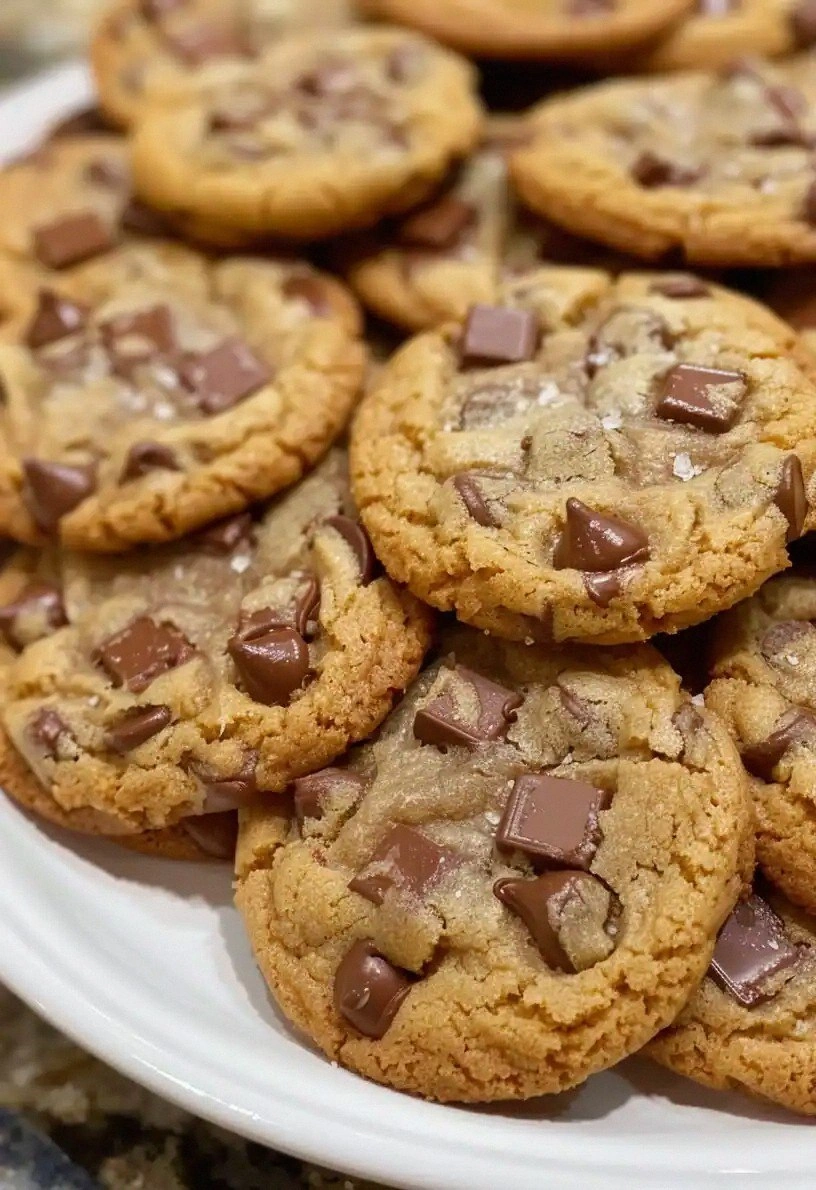
Picture this: a mound of dough on a wooden board, the buttery aroma rising, the glossy sheen of Biscoff glaze catching the light. You hear the gentle clink of the mixing bowl as the ingredients mingle, the rhythmic patter of a spoon against the countertop, and the faint crackle of the oven as it preheats. The first bite is a revelation—crisp edges that shatter like thin ice, a chewy center that melts into a velvety Biscoff sauce, and chocolate chips that burst with rich, bittersweet flavor. The texture is a paradoxical dance of crunch and melt, a sensory experience that lingers in the mouth like a well‑written story.
What makes this version stand out from every other cookie recipe you’ve tried is the meticulous balance of flavor, texture, and simplicity. I dare you to taste this and not go back for seconds, because the moment you finish the last crumb, your brain will start replaying that buttery, caramelized symphony. The secret is a deliberate layering of Biscoff and chocolate that creates a depth of flavor you won’t find in a standard chocolate chip cookie. The dough itself is a playground—soft enough to keep the center chewy, yet firm enough to hold the chocolate chips in place. I’ll be honest—once I made the first batch, I ate half the cookies before anyone else even got a chance to try them.
Most recipes get this completely wrong. Here’s what actually works: a generous amount of Biscoff spread, a balanced sugar ratio, and a precise mixing technique that locks in moisture. The result? A cookie that is hands down the best version you’ll ever make at home, with a crust that crisps to a golden brown while the interior stays delightfully chewy. Picture yourself pulling this out of the oven, the whole kitchen smelling incredible, the aroma of caramelized sugar and chocolate filling the air, and knowing that every bite is a testament to a recipe perfected through trial and error. Okay, ready for the game‑changer? Let me walk you through every single step — by the end, you’ll wonder how you ever made it any other way.
What Makes This Version Stand Out
- Flavor: The Biscoff spread adds a deep caramel‑toffee note that elevates the classic chocolate chip cookie into a gourmet experience. The combination of granulated and brown sugar creates a balanced sweetness that caramelizes beautifully.
- Texture: The dough’s unique ratio of butter to Biscoff spread locks in moisture, producing a chewy center while the edges crisp to a golden perfection.
- Simplicity: Despite its luxurious taste, the recipe requires only ten minutes of prep and one mixing step, making it a quick win for busy evenings.
- Uniqueness: The topping of extra Biscoff spread creates a glossy glaze that caramelizes in the oven, giving each cookie a signature sheen.
- Crowd Reaction: Friends who’ve tried it swear the cookies are “the best Biscoff thing they’ve ever had.” The combination of flavors makes for an instant crowd‑pleaser.
- Ingredient Quality: Using unsalted butter and high‑quality Biscoff spread ensures a richer flavor profile and consistent results.
- Cooking Method: The single‑mix technique prevents over‑mixing, preserving the cookie’s structure and preventing a dry crumb.
- Make‑Ahead Potential: The dough can be frozen for up to a month, and the cookies stay fresh in an airtight container for a week.
Inside the Ingredient List
The Flavor Base
The 1 cup of unsalted butter is the foundation of the cookie’s mouthfeel. Butter provides richness, helps with browning, and contributes to that irresistible melt‑in‑your‑mouth texture. If you’re looking for a dairy‑free version, you can use an equal amount of coconut oil; just keep in mind the flavor profile will shift slightly toward a tropical note. The 1 cup of Biscoff spread is the star ingredient, infusing the dough with caramel‑toffee sweetness and a subtle spice. Biscoff’s signature flavor comes from a blend of caramelized sugar, toasted almonds, and a dash of cinnamon, giving the cookies a complex depth that standard chocolate chip cookies can’t match. The 1 cup of granulated sugar balances the Biscoff’s sweetness, preventing the dough from becoming too heavy, while the 1 cup of packed light brown sugar adds moisture and a hint of molasses flavor. Together, these sugars create a caramelized crust that’s both sweet and slightly savory.
The Texture Crew
The 2 large eggs act as a binder, holding the dough together and adding a subtle protein structure that gives the cookies a tender crumb. If you prefer a vegan version, replace the eggs with 2 tablespoons of flaxseed meal mixed with 6 tablespoons of water; let it sit for 5 minutes before adding. The 1 teaspoon of vanilla extract brings an aromatic lift, brightening the caramel notes of the Biscoff and the chocolate. The 3 cups of all‑purpose flour provide the cookie’s body; using a slightly lower protein flour, like cake flour, can yield an even softer bite. The 1 teaspoon of baking soda is crucial for leavening, creating tiny pockets of air that keep the cookies from becoming too dense. The ½ teaspoon of salt sharpens the sweetness and balances the overall flavor profile; it’s a small amount, but it’s essential for depth.
The Unexpected Star
The 1½ cups of semisweet chocolate chips add bursts of chocolatey richness that contrast with the caramelized Biscoff base. The chips should be evenly distributed throughout the dough to ensure each bite has a chocolate hit. If you prefer a darker, more intense chocolate flavor, swap semisweet chips for dark chocolate chunks or use a mix of dark and milk chocolate.
The Final Flourish
The additional Biscoff spread for topping is the finishing touch that gives each cookie a glossy, caramelized glaze. Spread a thin layer on top of each cookie before baking; the glaze caramelizes in the oven, creating a shiny, caramelized crust that adds visual appeal and an extra layer of flavor. If you’re short on time, you can simply drizzle a small amount of Biscoff over the baked cookies for a quick glaze.
Everything’s prepped? Good. Let’s get into the real action...
The Method — Step by Step
Preheat your oven to 350°F (175°C) and line two baking sheets with parchment paper. The parchment ensures the cookies don’t stick, allowing you to pull them out without any fuss. While the oven warms, gather all your ingredients and let the butter soften to room temperature for easier mixing. This step is crucial for a smooth dough.
In a large mixing bowl, combine the softened butter and 1 cup of Biscoff spread. Use a handheld mixer or a stand mixer on low speed to blend until the mixture is creamy and uniform. The creamy base will make the dough easier to work with and ensures the Biscoff flavor is evenly distributed.
Add the granulated and brown sugars to the butter mixture, stirring until fully incorporated. The sugars should dissolve into the fat, creating a silky texture. This is where the dough starts to look like a thick batter, which is the perfect consistency for a cookie that will hold its shape.
Beat in the eggs one at a time, ensuring each egg is fully incorporated before adding the next. The eggs bind the dough and help it rise slightly during baking. Be careful not to overmix; overmixing can create a tough cookie.
Stir in the vanilla extract, then gradually fold in the flour, baking soda, and salt. Mix until just combined; the dough should be thick but pliable. If the dough feels too dry, add a tablespoon of milk or water to bring it together.
Fold in the semisweet chocolate chips, making sure they’re evenly distributed. The chips should be spread throughout the dough to ensure each cookie has a chocolate burst. This is the moment where the cookie’s personality shines through.
Using a cookie scoop or tablespoon, drop rounded balls of dough onto the prepared baking sheets, spacing them about 2 inches apart. The spacing allows the cookies to spread evenly and prevents them from merging into one another.
Drizzle a thin layer of additional Biscoff spread over the top of each cookie. This glaze will caramelize in the oven, giving the cookies a glossy, caramelized crust. If you don’t have Biscoff on hand, a light dusting of powdered sugar can mimic the glaze effect.
Bake for 12–15 minutes, or until the edges are golden brown and the centers look set. The cookies should still feel slightly soft in the middle; they’ll firm up as they cool. The aroma will fill your kitchen with the sweet scent of caramelized sugar and chocolate.
Remove the cookies from the oven and let them cool on the sheets for 5 minutes before transferring them to a wire rack. Cooling on the sheet allows the cookies to set without cracking. Once cooled, you can store them in an airtight container for up to a week.
That’s it — you did it. But hold on, I’ve got a few more tricks that will take this to another level. These insider tips will help you perfect the texture, flavor, and overall experience of every batch.
Insider Tricks for Flawless Results
The Temperature Rule Nobody Follows
Many bakers bake at 375°F, assuming higher heat yields crisper cookies. In reality, 350°F is the sweet spot for Biscoff cookies, allowing the butter to melt slowly and the sugars to caramelize without burning. I’ve baked at 375°F once, and the result was a cookie that was too brown on the edges and still soft inside. Stick to 350°F to achieve a balanced, golden crust.
Why Your Nose Knows Best
As soon as the cookies hit the oven, the scent of caramelized sugar and chocolate will start to rise. Trust your nose: when you smell the aroma of toffee and chocolate mingling, you’re in the right spot. If the scent is faint, the oven might be too cold, and the cookies won’t develop their signature flavor.
The 5‑Minute Rest That Changes Everything
After baking, let the cookies rest on the baking sheet for 5 minutes before moving them. This rest allows the heat to redistribute, ensuring the cookies finish cooking without over‑baking. I’ve noticed that cookies that rest too long on the sheet become too crisp, so keep the timing tight.
Keep the Dough Cool
Once you’ve mixed the dough, chill it in the fridge for 30 minutes before scooping. A chilled dough results in cookies that hold their shape better and develop a more pronounced crust. If you’re in a hurry, you can skip the chill, but the texture will be slightly less refined.
Use a Light Hand When Mixing
Overmixing can develop gluten, making the cookies tough. Mix just until the ingredients are combined, and then stop. The dough should be slightly shaggy but cohesive. I’ve seen cookies that are too stiff, and they’re a sad disappointment.
Play with the Biscoff Ratio
Adjust the amount of Biscoff spread to tailor the sweetness. If you prefer a more pronounced caramel flavor, increase the Biscoff to 1¼ cups. If you want a lighter cookie, reduce it to ¾ cup and add more butter to maintain moisture. The balance is key to achieving the perfect taste.
Creative Twists and Variations
This recipe is a playground. Here are some of my favorite ways to switch things up:
Almond Crunch
Replace ½ cup of the chocolate chips with chopped toasted almonds. The crunch adds texture, and the almond flavor complements the caramel notes of Biscoff. It’s a perfect treat for nut lovers.
Minty Biscoff
Add ½ teaspoon of peppermint extract to the dough. The mint undertone pairs wonderfully with the caramel flavor, creating a refreshing cookie that’s ideal for summer afternoons.
Chocolate‑Biscoff Fusion
Swap the semisweet chocolate chips for chocolate Biscoff cookies, creating a double‑layered chocolate‑toffee experience. The result is a rich, decadent cookie that feels like a chocolate bar with a caramel twist.
Caramelized Coconut
Fold in ½ cup of toasted coconut flakes. The coconut adds a tropical aroma and a slightly chewy texture that pairs beautifully with the Biscoff glaze.
Dark Chocolate Delight
Use dark chocolate chunks instead of semisweet chips for a bittersweet profile. The dark chocolate’s higher cocoa content balances the sweetness of Biscoff, creating a sophisticated cookie.
Spiced Biscoff
Add ½ teaspoon of ground cinnamon and a pinch of nutmeg to the dough. The spices deepen the flavor profile and give the cookies a warm, cozy aroma.
Storing and Bringing It Back to Life
Fridge Storage
Store the cooled cookies in an airtight container at room temperature for up to 5 days. The airtight seal keeps them fresh and prevents them from drying out. If you notice any moisture buildup, open the container briefly to let air circulate.
Freezer Friendly
For longer storage, place the cookies on a parchment‑lined tray and freeze for up to 3 months. Once frozen, transfer them to a freezer‑safe zip‑lock bag. This method preserves the cookie’s texture and flavor for future enjoyment.
Best Reheating Method
To revive frozen or stale cookies, preheat the oven to 300°F (150°C). Place the cookies on a parchment‑lined baking sheet and heat for 5–7 minutes. The cookies will soften and regain their buttery aroma. Add a tiny splash of water before reheating to steam back to perfection.