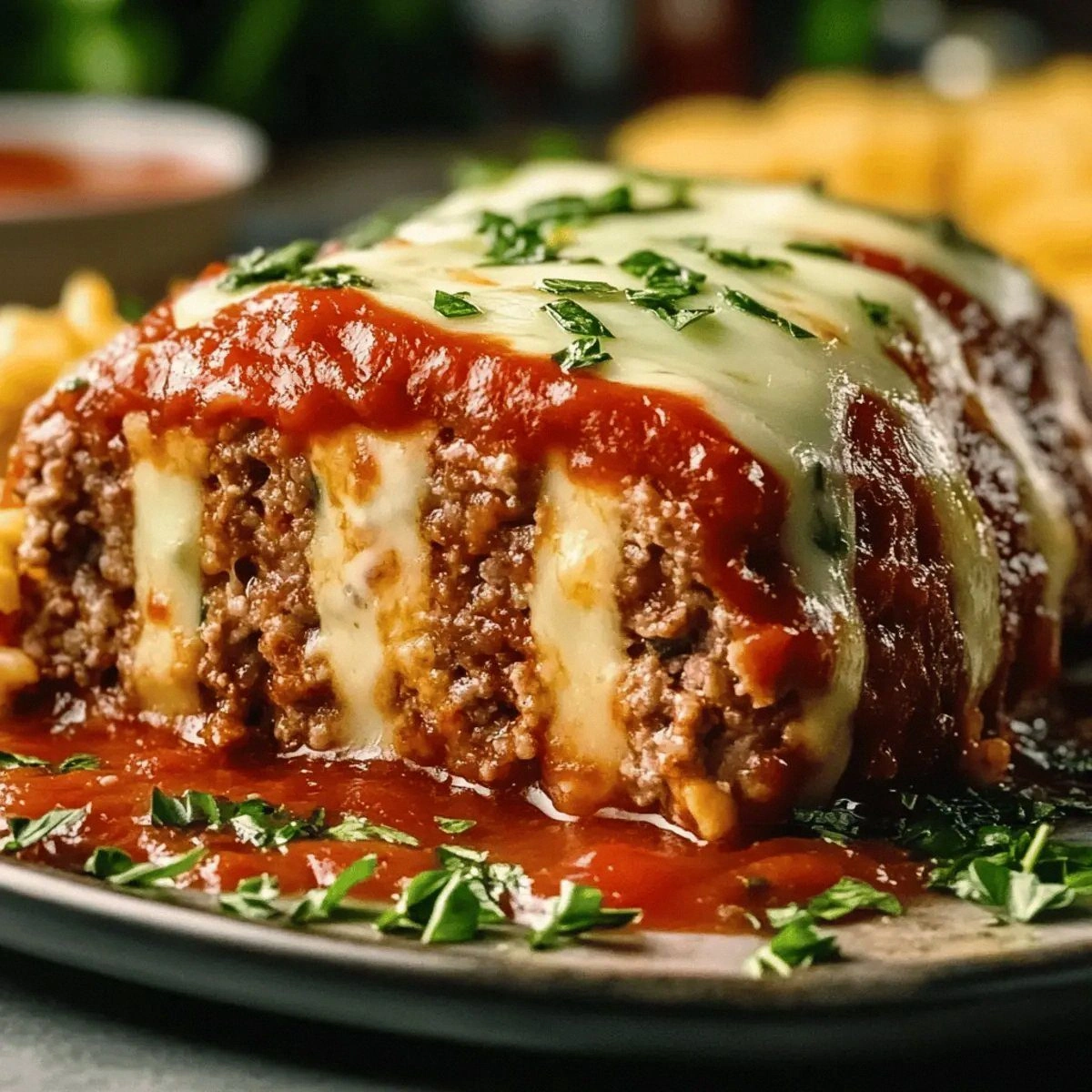
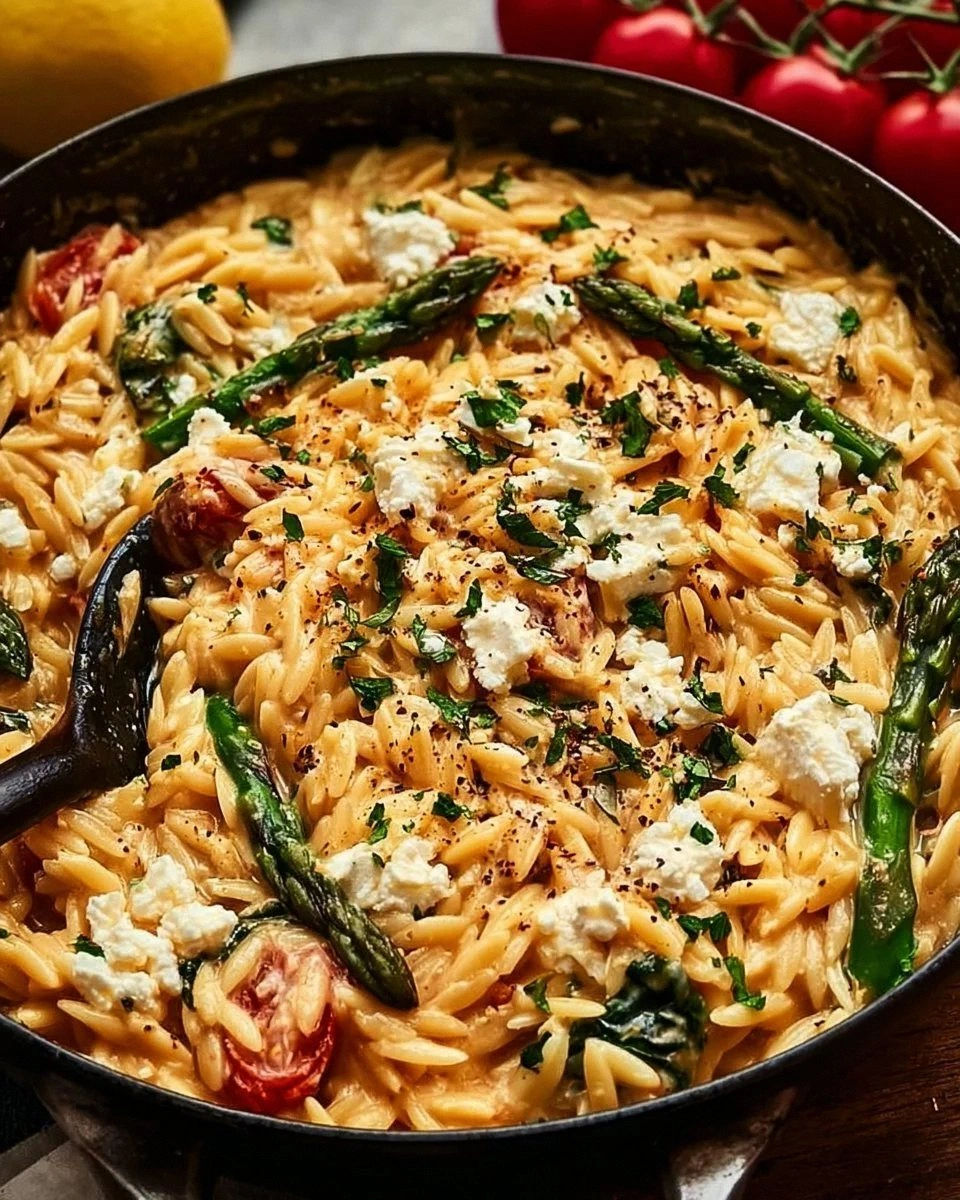
I was standing in my kitchen, staring at a bag of frozen chicken thighs, when the universe decided to test my culinary courage. A friend had dared me to turn a simple dinner into a showstopper, and I could almost hear the collective sigh of disbelief that would follow if I failed. The moment the chicken hit the hot skillet, the sizzle sounded like applause, and I knew I was about to rewrite the rulebook on how a humble protein can become the centerpiece of a meal that feels like a five‑star banquet. I’ve tried countless recipes, but none have captured the bright zing of lime, the deep warmth of fresh ginger, and the sweet‑salty harmony of soy and honey quite like this one.
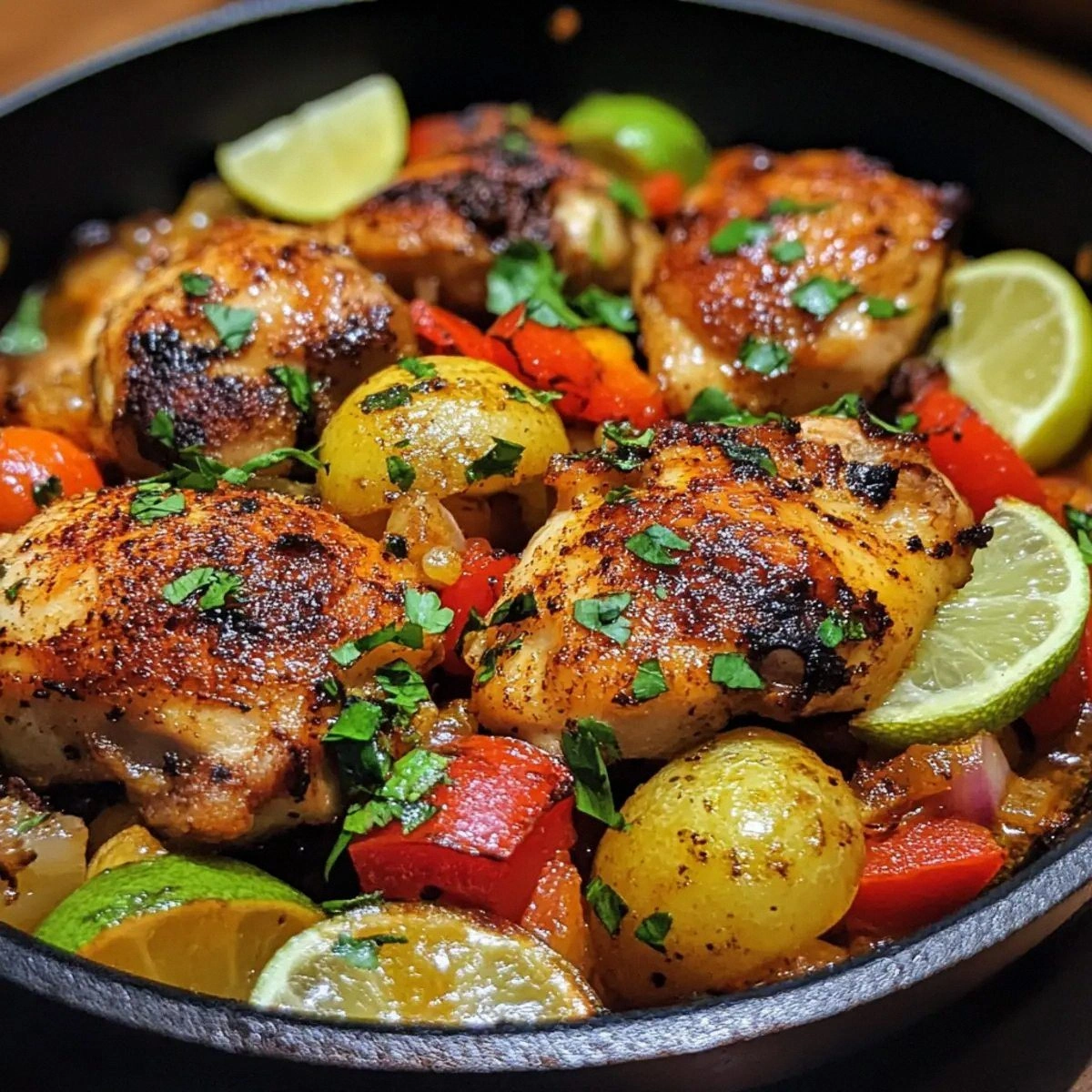
Picture this: the aroma of citrus mingles with the earthy scent of ginger, creating an instant invitation to your taste buds. The sound of the pan bubbling is the soundtrack of culinary triumph, and the sight of golden‑brown skin that cracks like brittle ice promises a juicy interior that practically melts in your mouth. Every bite is a burst of bright lime that cuts through the richness, while the honey glaze adds a glossy sheen that feels almost cinematic. If you’ve ever found yourself staring at a pantry full of ingredients and feeling stuck, this dish is your passport to a flavor adventure you’ll brag about for weeks.
What makes this version stand out is not just the ingredients, but the way they work in concert. The lime juice doesn’t just add acidity; it brightens the entire plate, turning the chicken into a canvas for a vibrant, almost tropical palette. The fresh ginger provides a peppery bite that lingers, while the honey offers a caramelized finish that balances the savory soy sauce. The combination of skin‑on thighs ensures a crispy exterior that releases a savory aroma, while the interior stays moist and tender. I dare you to taste this and not go back for seconds—once you’ve had this, the ordinary chicken dish will never feel the same again.
If you’ve ever struggled to elevate a basic protein, you’re not alone. I’ve been there, watching my chicken dry out while my friends’ dishes looked glossy and juicy. The trick is in the layering of flavors and the precise timing of each step. This recipe takes the guesswork out of the process, guiding you through a series of small, intentional actions that culminate in a dish that’s both simple and unforgettable. By the end, you’ll wonder how you ever made it any other way, and you’ll have a new go‑to recipe that will impress family, friends, or your own inner critic.
What Makes This Version Stand Out
- Taste: The marriage of lime and honey creates a sweet‑tart profile that cuts through the richness of the chicken, leaving a lingering citrus finish that keeps you reaching for more.
- Texture: The skin crisps to a golden crunch while the meat stays succulent, a contrast that feels like a symphony in your mouth.
- Ingredient Quality: Fresh ginger and high‑quality soy sauce elevate the dish beyond a generic stir‑fry, ensuring depth and authenticity.
- Ease: All steps are straightforward, with minimal prep time and a single pan, making this a winner for weeknight dinners.
- Crowd‑Pleaser: The bright, bold flavors appeal to both adventurous eaters and those who prefer a familiar, comforting dish.
- Make‑Ahead Potential: The glaze can be prepared ahead, and the chicken can be reheated without losing its juicy character.
Alright, let’s break down exactly what goes into this masterpiece…
Inside the Ingredient List
The Flavor Base
The lime juice is the star that gives this dish its signature brightness. It not only adds acidity but also helps tenderize the meat, creating a tender bite that’s almost buttery. Skipping lime would leave the dish flat and overly savory, so it’s essential to use fresh juice rather than bottled for that fresh punch.
Soy sauce brings umami depth and a salty backbone. Opt for a low‑sodium version if you’re watching your salt intake, but remember that the balance of flavors relies on its savory presence. If you’re vegan, tamari can be a suitable substitute, but the dish will lose some of its traditional Asian profile.
The Sweetness
Honey provides a natural sweetness that caramelizes on the skin, creating a glossy glaze that’s both beautiful and flavorful. A tablespoon of maple syrup could replace honey for a different nuance, but it will alter the caramelization slightly. If you prefer a lower sugar option, a splash of brown rice vinegar can add a subtle sweetness without the calories.
The Spice and Aroma
Fresh ginger is the aromatic engine of this recipe. Its peppery, slightly sweet flavor cuts through the richness of the chicken and pairs beautifully with the citrus. If you can’t find fresh ginger, a small amount of ginger powder will work, but it won’t deliver the same fresh zing.
Garlic, minced finely, adds depth and a savory note that complements the ginger. It’s the classic duo that elevates any Asian‑inspired dish. For a subtle twist, try roasting the garlic first to bring out a sweeter, more mellow flavor.
The Final Flourish
Fresh cilantro adds a burst of herbal brightness that cuts through the richness of the glaze. It’s the finishing touch that turns a great dish into a memorable one. If cilantro isn’t your favorite, a handful of chopped scallions can provide a milder green note.
Salt and black pepper are the subtle seasoning that brings everything together. The salt enhances the flavors, while the pepper adds a mild heat that balances the sweetness. Adjust to taste, but be careful not to over‑salt, as the soy sauce already contributes significant umami.
Everything’s prepped? Good. Let’s get into the real action…
The Method — Step by Step
- Pat the chicken thighs dry with paper towels; this ensures a crisp skin. Season both sides generously with salt and pepper, letting the flavors penetrate for a minute. The dry surface is crucial for that satisfying crackle when the skin hits the hot oil. Don’t rush—good seasoning is the foundation of great taste.
- Heat a large cast‑iron skillet over medium‑high heat and add the olive oil. Once the oil shimmers, place the thighs skin‑side down, leaving a little space between each piece. The oil should sizzle loudly, a sign that the pan is hot enough to sear the skin to a deep amber. This step is the moment of truth.
- Let the thighs cook undisturbed for 5–7 minutes until the skin turns golden and releases easily from the pan. Flip them gently with a spatula, then reduce the heat to medium. The edges will start pulling away from the pan, indicating that the interior is cooking through while the skin stays crisp.
- While the thighs finish cooking, whisk together the lime juice, soy sauce, honey, minced ginger, minced garlic, and chopped cilantro in a small bowl. The mixture should look glossy and fragrant. This sauce will coat the chicken like velvet, locking in moisture and flavor.
- Pour the sauce over the thighs, ensuring each piece is coated. Reduce the heat to low and let the sauce simmer for 3–4 minutes, spooning it occasionally. The glaze should thicken slightly and cling to the skin, turning the thighs into a caramelized masterpiece.
- Once the sauce has thickened to a glossy consistency, remove the skillet from heat. The chicken should still be moist, and the skin should be crisp. This is the point where the dish feels ready to serve.
- Let the thighs rest for 2 minutes on a cutting board before serving. Resting allows the juices to redistribute, keeping the meat tender and juicy. Sprinkle any remaining cilantro on top for a fresh finish.
- Serve immediately over steamed rice, quinoa, or a simple green salad. The bright lime glaze pairs beautifully with the neutral base, creating a balanced plate that feels both comforting and adventurous.
That’s it — you did it. But hold on, I’ve got a few more tricks that will take this to another level. From adjusting the glaze thickness to pairing with the right side dish, these insights will help you master the dish and keep it fresh for future meals.
Insider Tricks for Flawless Results
The Temperature Rule Nobody Follows
Many cooks think a high heat is always best for searing, but the key is a steady medium‑high temperature that allows the skin to crisp without burning. Start the pan hot, but reduce the heat after the first few minutes to keep the chicken from overcooking on the outside while the inside remains raw.
Why Your Nose Knows Best
Before flipping the thighs, listen for the sound of the skin releasing from the pan. A crisp, crackling sound indicates that the Maillard reaction is complete. If you hear a hiss but the skin is still sticking, increase the heat slightly and give it another minute.
The 5-Minute Rest That Changes Everything
Letting the chicken rest after cooking is not a luxury; it’s a necessity. The juices redistribute throughout the meat, preventing a dry bite. I’ve seen people skip this step and end up with a dry, unappealing texture. Trust me, the 5‑minute pause is worth it.
The Secret to a Non-Stick Skillet
If you’re using a non‑stick skillet, preheat it for a minute before adding oil. This helps prevent the skin from sticking and ensures a clean release. A quick test is to sprinkle a few drops of water; if they evaporate instantly, the pan is ready.
The Quick Fix for a Sticky Sauce
If the sauce thickens too quickly and starts sticking, add a splash of water or chicken broth to loosen it. This not only prevents burning but also keeps the glaze silky and glossy.
Creative Twists and Variations
This recipe is a playground. Here are some of my favorite ways to switch things up:
Spicy Pineapple Fusion
Add diced fresh pineapple and a pinch of red pepper flakes to the sauce for a tropical, spicy kick. The sweetness of the pineapple balances the heat, creating a complex flavor profile that pairs well with coconut rice.
Smoky Chipotle Twist
Replace half the soy sauce with chipotle‑in‑adobo for a smoky depth. The chipotle adds a subtle heat that complements the ginger, while the adobo sauce brings a velvety texture to the glaze.
Herb‑Infused Variation
Swap the cilantro for fresh Thai basil or mint for a different aromatic experience. Basil adds a sweet, peppery note that pairs wonderfully with the lime, while mint offers a refreshing coolness.
Low‑Calorie Version
Use a sugar‑free honey alternative and reduce the olive oil to 1 tablespoon. Pair the dish with cauliflower rice to keep the meal light without compromising flavor.
Vegan Adaptation
Replace the chicken thighs with marinated tofu cubes and use tamari instead of soy sauce. The tofu will absorb the glaze, delivering a plant‑based version that still feels indulgent.
Storing and Bringing It Back to Life
Fridge Storage
Store the cooked thighs in an airtight container in the refrigerator for up to 3 days. Keep the glaze separate if you prefer a fresher texture; you can reheat the chicken and then drizzle fresh glaze over it.
Freezer Friendly
Freeze the thighs in a single layer on a parchment paper sheet, then transfer them to a freezer bag. They stay best for up to 2 months. Thaw overnight in the refrigerator before reheating.
Best Reheating Method
Reheat in a skillet over medium heat for 5 minutes, adding a splash of water or broth to keep the meat moist. Finish with a quick drizzle of the glaze to restore the glossy finish. A tiny splash of water before reheating steams the chicken back to perfection.