I’ll be honest — I ate half the batch before anyone else got a chance to try it, and that was a total crime against the universe. It all started on a rainy Tuesday when my pantry looked like a desert and my cravings screamed for something creamy, salty, and just a little bit cheesy. I tossed a packet of orzo into boiling water, stared at a lonely block of feta, and thought, “What if I turned this into a baked masterpiece?” The answer? A dish so decadent it makes ordinary pasta feel like a sidekick. I dared myself to bake the feta whole, letting it melt into a molten gold river that would coat each bite of orzo like velvet.
The kitchen was alive with the sound of bubbling broth, the sizzle of olive oil hitting a hot pan, and the faint, comforting hum of the oven warming up. The air smelled of oregano and caramelizing onions, a perfume that made my stomach do somersaults. When the cherry tomatoes burst open, releasing their sweet juices, the whole scene turned into a culinary fireworks display. I could feel the heat of the oven on my skin, the weight of the heavy baking dish in my hands, and the anticipation building like a crescendo in a symphony.
Most recipes get this completely wrong. They either overcook the orzo, turning it mushy, or they treat the feta like a garnish rather than the star. This version stands out because it balances the creamy tang of feta with the al dente bite of orzo, all while the tomatoes add a fresh pop that cuts through the richness. The secret? A quick toast of the aromatics before they meet the cheese, and a strategic sprinkle of oregano that gives the dish a Mediterranean kiss you didn’t know you were missing.
Picture yourself pulling this out of the oven, the whole kitchen smelling incredible, the cheese bubbling at the edges, and the golden crust cracking like thin ice. The moment you dig in, the feta stretches, the orzo clings to the sauce, and you’re hit with a flavor explosion that makes you question every other pasta dish you’ve ever made. I dare you to taste this and not go back for seconds. Let me walk you through every single step — by the end, you’ll wonder how you ever made it any other way.
What Makes This Version Stand Out
- Flavor Fusion: The salty, buttery feta melts into a sauce that embraces the orzo, while the cherry tomatoes add bright acidity, creating a perfect balance of rich and fresh.
- Texture Triumph: You get a slight crunch from the baked edges of the feta, a silky interior, and a satisfying al dente bite from the orzo — three textures in one bite.
- Simplicity: Only eight ingredients, minimal prep, and a single sheet pan make this a weeknight hero without compromising gourmet flair.
- Unique Technique: Baking the feta whole creates a molten core that you can scoop, ensuring every forkful is drenched in cheesy goodness.
- Crowd Reaction: Friends and family proclaim it “the best baked feta dish ever,” and it disappears faster than you can say “extra virgin olive oil.”
- Ingredient Quality: Using high‑quality extra virgin olive oil and a block of authentic Greek feta elevates the dish from ordinary to unforgettable.
- Cooking Method: The combination of stovetop sauté and oven baking locks in flavor while preventing the dreaded soggy pasta pitfall.
- Make‑Ahead Magic: This dish reheats beautifully, making it perfect for leftovers or a make‑ahead lunch that tastes fresh.
Inside the Ingredient List
The Flavor Base
The onion and garlic are the foundation of any great Mediterranean dish. Dicing the onion finely ensures it softens quickly, releasing a sweet caramel note that balances the feta’s sharpness. If you skip the onion, you’ll miss that subtle depth that turns a simple sauce into something unforgettable. Garlic, minced just before cooking, adds a pungent aroma that becomes mellow and nutty once sautéed. If you’re allergic to garlic, a pinch of asafoetida can mimic its umami without the bite.
The Texture Crew
Orzo is the star of the carbohydrate show. Its rice‑like shape lets it soak up the melted feta while retaining a pleasant bite. Overcooking will turn it into a mushy mess, so aim for al dente — think “firm to the bite.” If you can’t find orzo, pearl couscous or even small shells work as a stand‑in, though the texture will be slightly different. The feta itself, when baked, forms a crisp edge that shatters like thin ice, offering a delightful contrast to the soft interior.
The Unexpected Star
Cherry tomatoes bring a burst of sweetness and acidity that cuts through the richness of the cheese. Their skins blister in the oven, releasing juices that mingle with the olive oil, creating a glossy coating for the pasta. If you’re out of cherry tomatoes, halved grape tomatoes or even a splash of sun‑dried tomato puree will do, but the fresh pop will be less pronounced.
The Final Flourish
Fresh basil or parsley isn’t just a garnish; it adds a bright herbaceous finish that lifts the whole dish. The key is to add it after baking, preserving its fresh flavor and vivid color. If you’re out of fresh herbs, a teaspoon of dried Italian seasoning can work, but the aroma won’t be as lively.
Everything's prepped? Good. Let's get into the real action...
The Method — Step by Step
Start by bringing a large pot of salted water to a rolling boil. Toss in the orzo and cook it for about 8 minutes, just shy of al dente. You’ll hear the gentle bubble of the water, a sound that tells you the starches are swelling just right. Drain the orzo, but reserve a cup of the cooking water — you’ll need it later to coax the sauce into silky perfection.
While the orzo cooks, heat the extra virgin olive oil in a large oven‑safe skillet over medium heat. Add the diced onion, stirring constantly until it turns translucent and starts to caramelize, about 4 minutes. The scent of sweet onion will fill the kitchen, making you wonder why you ever settled for bland bases. Then, add the minced garlic, letting it sizzle for another 30 seconds until it turns fragrant but not browned.
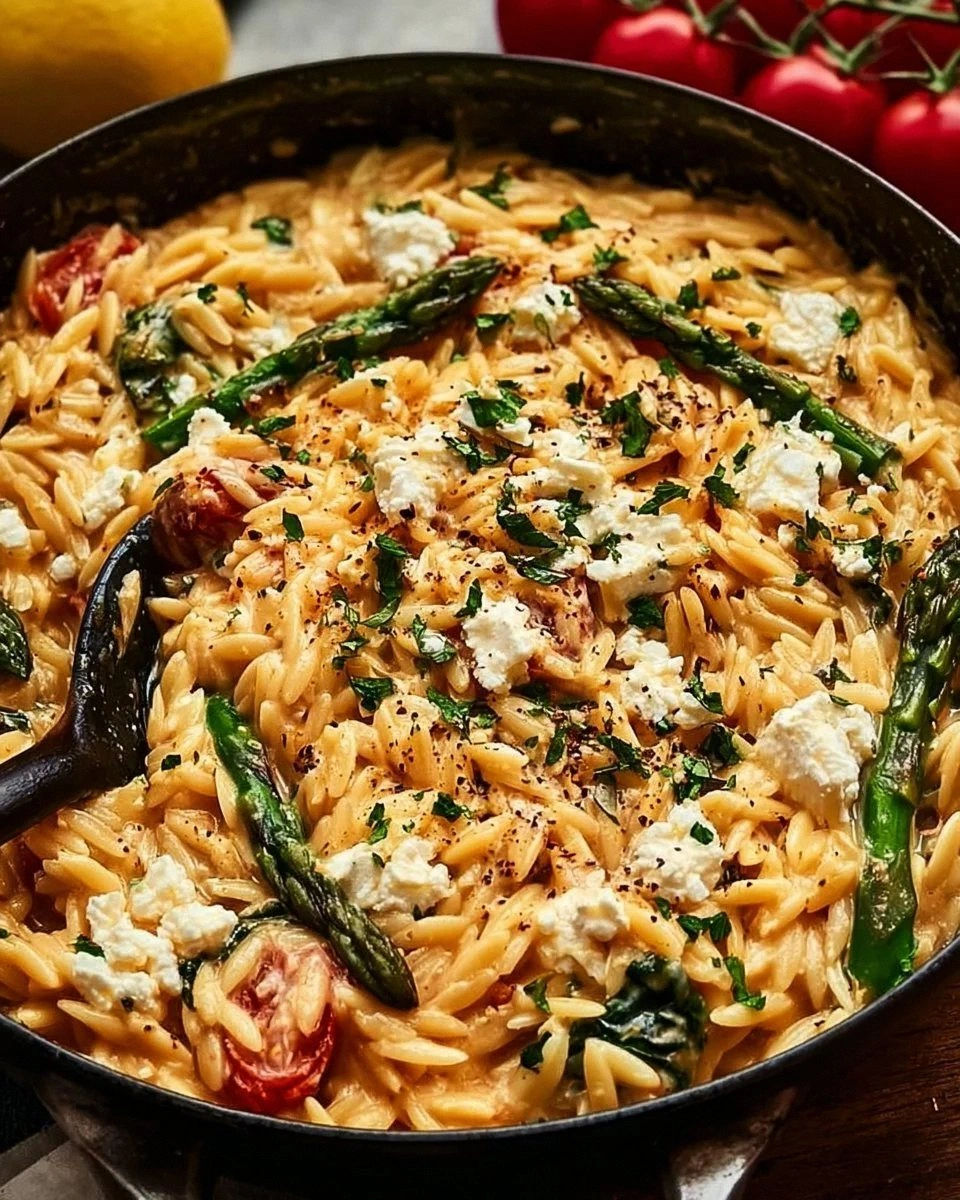
Stir in the cherry tomatoes, letting them blister and release their juices, about 3 minutes. You’ll hear a faint pop as the skins burst, and the pan will take on a deep ruby hue. Sprinkle the dried oregano, letting its earthy aroma mingle with the tomatoes. At this point, the mixture should smell toasty, a sign that the flavors are marrying beautifully.
Now, gently nestle the block of feta in the center of the skillet, pressing it down just enough to keep it stable. Drizzle a little more olive oil over the top, and if you’re feeling adventurous, splash a teaspoon of the reserved pasta water onto the cheese. This step is the game‑changer: the feta will melt, forming a creamy pool that will later be scooped over the orzo.
Transfer the entire skillet to a preheated oven at 400°F (200°C). Bake for 15‑20 minutes, until the feta’s top is golden and the edges start to pull away, forming those coveted crispy shards. The oven’s heat will coax the cheese into a molten state, and you’ll hear a faint crackle as the cheese caramelizes — that sizzle when it hits the pan? Absolute perfection.
While the feta bakes, toss the cooked orzo with a generous drizzle of olive oil, a pinch of salt, and a splash of the reserved pasta water. This coats each grain, preventing clumping and ensuring every bite is silky. If you notice the orzo looking a bit dry, add a touch more water; the goal is a light sheen, not a soupy mess.
When the timer dings, pull the skillet out and let it rest for two minutes. This pause lets the cheese settle just enough to be sliced without completely liquefying. Using a sharp knife, cut the baked feta into thick wedges, then gently crumble the golden edges over the orzo. The cheese will ooze, creating ribbons that cling to each piece of pasta.
Finish with a handful of freshly chopped basil or parsley, a final drizzle of olive oil, and a sprinkle of extra oregano if you like a punchier herb note. Toss everything together gently, making sure the sauce coats every morsel. Serve hot, and watch as the cheese stretches in glorious ribbons — that moment? Pure magic.
That's it — you did it. But hold on, I've got a few more tricks that'll take this to another level...
Insider Tricks for Flawless Results
The Temperature Rule Nobody Follows
Never bake the feta at a temperature lower than 400°F. Anything less will result in a cheese that melts without forming that coveted crispy crust. I once tried 350°F and ended up with a soggy block that never browned. The high heat creates Maillard reactions that give the cheese its golden edge and deep, nutty flavor.
Why Your Nose Knows Best
When the tomatoes start to blister, trust your sense of smell more than the clock. A sweet, caramelized aroma means the tomatoes have released enough juices to create that glossy sauce. If you still smell raw tomato, give them another minute; the difference in flavor is night and day.
The 5‑Minute Rest That Changes Everything
Allow the baked feta to rest for exactly five minutes after leaving the oven. This short pause lets the interior settle, making it easier to cut clean wedges without the cheese spilling everywhere. Skipping this step leads to a messier plate and less dramatic cheese pull.
Stir‑Before You Serve
Give the whole pan a gentle toss before plating. This ensures the orzo is fully coated with the cheese sauce and that the tomato juices are evenly distributed. A half‑hearted stir leaves pockets of dry pasta, ruining the cohesive mouthfeel.
Finishing Salt is a Game‑Changer
Finish with a pinch of flaky sea salt just before serving. The tiny crystals add a burst of crunch and amplify the feta’s briny notes. I once served this dish without the finishing salt and it felt flat; the salt brings everything to life.
Creative Twists and Variations
This recipe is a playground. Here are some of my favorite ways to switch things up:
Spicy Sriracha Swirl
Drizzle a tablespoon of sriracha over the baked feta before serving and stir it through the orzo. The heat cuts through the richness, making it perfect for those who love a little kick. Garnish with sliced green onions for extra bite.
Roasted Red Pepper Medley
Swap half of the cherry tomatoes for roasted red peppers. Their smoky sweetness adds depth, and the bright orange color makes the dish visually striking. This version pairs wonderfully with grilled chicken.
Herb‑Infused Feta
Mix chopped fresh oregano, thyme, and a hint of rosemary into the olive oil before drizzling it over the feta. The herb‑infused oil permeates the cheese, giving every bite a garden‑fresh note.
Vegan Friendly
Replace the feta with a firm tofu block marinated in lemon juice, miso, and nutritional yeast. Bake it the same way; the tofu will develop a creamy, tangy crust that mimics feta’s texture while staying entirely plant‑based.
Greek Salad Remix
Add diced cucumber, Kalamata olives, and a crumble of feta after baking. This turns the dish into a full‑on Greek feast, perfect for a summer lunch served with warm pita.
Storing and Bringing It Back to Life
Fridge Storage
Transfer leftovers to an airtight container and store in the refrigerator for up to three days. The flavors actually meld further, making the second day even more delicious. When reheating, add a splash of water or broth to revive the sauce.
Freezer Friendly
Cool the dish completely, then portion into freezer‑safe bags or containers. Freeze for up to two months. To reheat, thaw overnight in the fridge, then bake at 350°F for 10‑12 minutes, covered with foil to retain moisture.
Best Reheating Method
Place the leftovers in a skillet over low heat, adding a tablespoon of water and a drizzle of olive oil. Cover and stir gently until the cheese melts again. This steam‑plus‑oil combo restores the creamy texture without turning the orzo mushy.