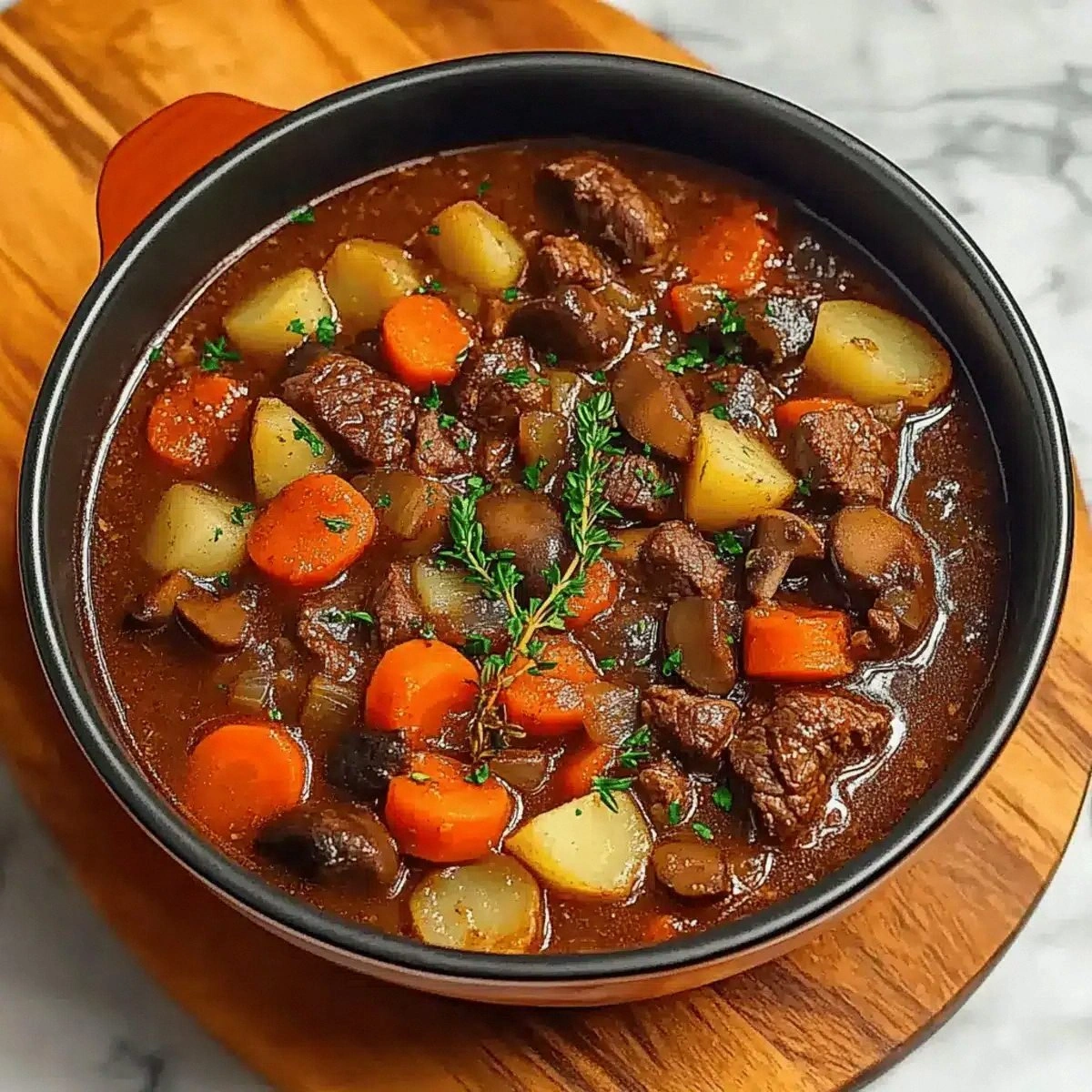
I was standing in my kitchen on a rainy Tuesday, staring at a half‑empty pantry and a sudden craving for something that could hug me from the inside out. I tried a quick ramen, but the broth was flat, the noodles limp, and the whole affair felt like a lukewarm handshake. Then, out of sheer desperation (and a dare from my roommate who claimed “nothing beats a store‑bought bowl”), I dug out a bottle of red wine, a slab of bacon, and a bag of stew beef that had been waiting for a proper invitation. The result? A soup that turned my modest kitchen into a French bistro, and I’m still hearing the echo of that first spoonful reverberate in my mind.
Picture this: the deep, ruby‑red liquid swirling in the pot, speckled with caramelized bacon, tender cubes of beef that melt like butter, and carrots that have softened into sweet, buttery ribbons. The aroma hits you first – a smoky, earthy perfume that whispers of slow‑cooked evenings and vineyards in Bordeaux. You hear the gentle simmer, a low‑key hiss that promises flavor building, and you feel the heat radiating from the pot, warming your fingertips and the air around you. When you finally taste it, the broth coats your tongue like a velvet blanket, while the veggies add a satisfying bite that makes each spoonful a textural adventure.
Most Beef Bourguignon recipes are designed for a weekend project, demanding hours of braising and a laundry list of obscure ingredients. I’ve stripped away the pretension and kept the soul, delivering a version that’s both luxurious and doable on a weeknight. The secret? A splash of pesto for a herbaceous lift, a dash of brown sugar to coax out the natural sweetness of the carrots, and a finishing butter swirl that gives the broth a glossy sheen you’d expect from a Michelin‑star kitchen. This is hands down the best version you’ll ever make at home, and I dare you to taste it and not go back for seconds.
But wait, there’s a twist you won’t see coming – a quick‑sear technique for the beef that locks in juices, and a clever use of unsalted butter at the very end to round out the flavors without drowning them. Okay, ready for the game‑changer? Let me walk you through every single step — by the end, you’ll wonder how you ever made it any other way.
What Makes This Version Stand Out
- Depth: The combination of smoked bacon and red wine creates a broth that’s richer than a Sunday roast, with layers that unfold on each bite.
- Texture: Beef cubes are seared to a caramel crust before simmering, giving you a tender interior and a slightly crisp exterior that shatters like thin ice.
- Simplicity: Despite its gourmet vibe, the recipe uses pantry staples and a single pot, meaning you spend less time cleaning and more time eating.
- Uniqueness: A dollop of pesto at the end adds a bright, herbaceous note that most traditional versions completely miss.
- Crowd Reaction: I’ve served this at dinner parties and watched guests stare at their bowls, then whisper “What’s the secret?” before diving in.
- Ingredient Quality: Using Applewood smoked bacon and a robust dry red wine elevates the flavor profile without any fancy techniques.
- Method: The quick sear + deglaze trick locks in flavor and prevents a watery broth, a common pitfall in many home‑cooked versions.
- Make‑Ahead Potential: This soup actually tastes better the next day, making it perfect for leftovers or meal‑prep.
Inside the Ingredient List
The Flavor Base
The backbone of any great soup starts with aromatics, and here we’ve got a trio that sings together: yellow onion, garlic, and tomato paste. The onion, when sautéed until translucent, releases natural sugars that caramelize, creating a subtle sweetness that balances the acidity of the wine. Garlic adds that unmistakable pungent warmth, while the tomato paste provides umami depth and a velvety texture that coats every ingredient. If you’re out of tomato paste, a splash of tomato sauce works, but expect a thinner consistency.
The Texture Crew
Beef, carrots, potatoes, celery, and mushrooms make up the hearty core. Diced stew beef should be cut into uniform 1‑inch cubes; this ensures even cooking and prevents some pieces from turning mushy while others stay tough. Carrots and potatoes add natural sweetness and body, turning the broth into a comforting blanket. Mushrooms bring an earthy, almost meaty bite that amplifies the beef’s flavor. If you’re a fan of extra earthiness, swap half the mushrooms for cremini or shiitake.
The Unexpected Star
Pesto is the surprise element that takes this soup from classic to unforgettable. The basil, pine nuts, and Parmesan in pesto lift the dish with a fresh, herbaceous pop, cutting through the richness of the bacon and beef. It’s a quick addition that doesn’t require a separate garnish – just stir it in at the end for a glossy finish. For a nut‑free version, replace pine nuts with toasted sunflower seeds; the flavor remains bright.
The Final Flourish
Butter, brown sugar, and a duo of salts (regular and kosher) are the finishing touches. Butter adds a silky mouthfeel, while a teaspoon of brown sugar coax the carrots to release their hidden sweetness, preventing any sour edge from the wine. The two salts let you fine‑tune seasoning: the regular salt builds the base flavor, and the kosher salt, added at the end, gives a burst of crispness without over‑salting. If you’re watching sodium, reduce the regular salt to 1 tsp and rely on the kosher salt for the final pop.
Everything's prepped? Good. Let’s get into the real action…
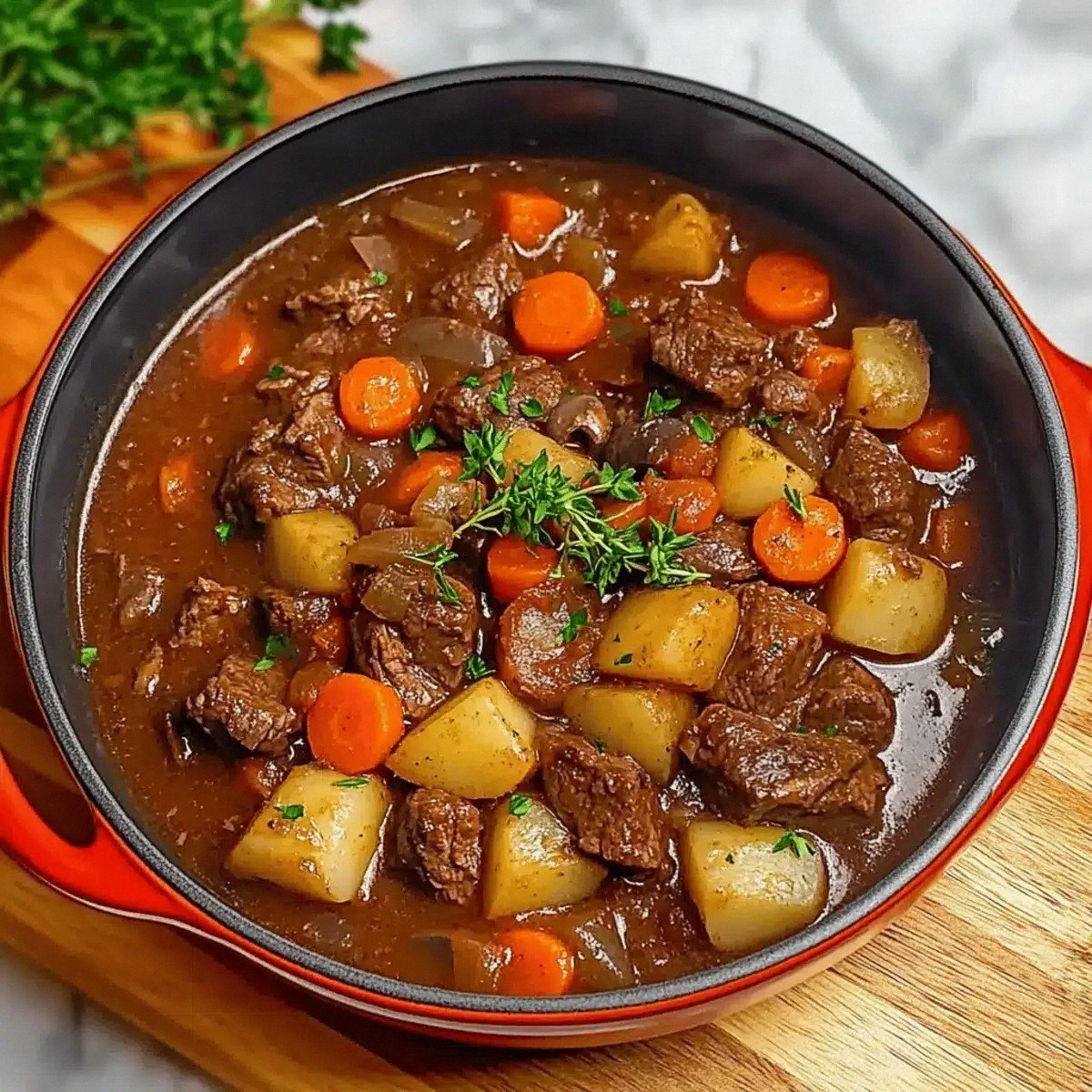
The Method — Step by Step
- Render the bacon. In a heavy‑bottomed Dutch oven, lay the 4 strips of Applewood smoked bacon over medium heat. Listen for that sizzle that signals the fat is melting – that sound is pure perfection. Cook until the strips are crisp and the fat has rendered, about 5‑7 minutes. Transfer the bacon to a paper‑towel‑lined plate, crumble it, and set aside. Kitchen Hack: Reserve the rendered bacon fat – it’s liquid gold for searing the beef and adds a smoky depth without extra oil.
- Season and sear the beef. Pat the 2 lb diced stew beef dry with paper towels; moisture is the enemy of a good sear. Toss the beef cubes with 2 tbsp all‑purpose flour, 1.5 tsp salt, and 0.5 tsp black pepper – the flour creates a light crust that locks in juices. In the hot bacon fat, brown the beef in batches, making sure not to overcrowd the pan. You’ll hear a satisfying crack as the meat hits the pan; that’s the sound of flavor forming. Once all sides are caramelized, remove the beef and set aside. Kitchen Hack: Let the beef rest on a wire rack for a minute after searing – this prevents steam from making the crust soggy.
- Sauté the aromatics. Reduce heat to medium‑low and add 1 medium yellow onion (diced) and 2 stalks celery (sliced) to the same pot. Cook, stirring occasionally, until the onion becomes translucent and the celery softens, about 4‑5 minutes. Add 3 cloves garlic (minced) and let them perfume the base for another 30 seconds – be careful not to burn them. Stir in 6 tbsp tomato paste; it should darken and thicken, releasing a sweet, roasted aroma that coats the bottom of the pot.
- Deglaze with wine. Crank the heat back up to medium‑high and pour in 2 cups dry red wine, scraping up all the browned bits (fond) stuck to the pan. Those bits are flavor fireworks – don’t skip this step! Let the wine reduce by half, about 5‑6 minutes, until it looks syrupy and the alcohol scent mellows. Watch Out: If you’re using a thin‑walled pot, reduce the wine slowly to avoid scorching the sugars that have caramelized at the bottom.
- Add broth and herbs. Return the seared beef and its flour coating to the pot, then pour in 6 cups beef broth. Toss in 4 sprigs fresh thyme and 1 large bay leaf. Bring the mixture to a gentle boil, then lower to a simmer. Cover and let it cook for 25‑30 minutes, or until the beef is fork‑tender. You’ll notice the broth thickening slightly as the flour does its job.
- Introduce the veggies. While the beef simmers, peel and cut 8 medium carrots into 1‑inch rounds, and dice 2 medium russet potatoes into bite‑size cubes. Add the carrots, potatoes, and 8 oz sliced mushrooms to the pot. Stir gently, then let the soup continue to simmer, uncovered, for another 15‑20 minutes. The vegetables should be soft but still hold shape – you want that satisfying bite.
- Finish with richness. Lower the heat to low and stir in 4 tbsp pesto, 2 tbsp unsalted butter, and 2 tsp brown sugar. The butter will melt into the broth, giving it a glossy sheen; the pesto brightens the flavor, and the brown sugar balances the acidity of the wine. Taste and adjust seasoning with the remaining 0.5 tsp kosher salt if needed. Finally, crumble the crispy bacon back into the soup, letting it re‑hydrate for a minute.
- Serve and savor. Ladle the soup into deep bowls, ensuring each serving gets a generous mix of beef, veg, and bacon. For an extra touch, drizzle a tiny drizzle of extra‑virgin olive oil or a sprinkle of fresh parsley. Picture yourself pulling this out of the pot, the whole kitchen smelling incredible, and the first spoonful delivering a warm, velvety hug. That’s the moment of truth – and trust me, it’s pure magic.
That's it — you did it. But hold on, I've got a few more tricks that'll take this to another level…
Insider Tricks for Flawless Results
The Temperature Rule Nobody Follows
Never drop cold beef straight into a hot pan; let it sit at room temperature for 15 minutes. This prevents the meat from shocking and releasing excess moisture, which would otherwise steam rather than sear. A quick tip: while the beef rests, you can prep your veggies – a true multitask win.
Why Your Nose Knows Best
When the wine is reducing, trust your sense of smell more than the timer. If the aroma shifts from sharp alcohol to a sweet, almost caramel scent, you’ve hit the perfect reduction point. Over‑reducing will make the broth bitter, while under‑reducing leaves a harsh edge.
The 5‑Minute Rest That Changes Everything
After the soup has finished cooking, remove it from heat and let it rest, covered, for five minutes. This pause lets the flavors meld, much like a good wine needs time to breathe. I’ve tasted soups straight off the stove that were good, and the same soup after a brief rest that was transcendent.
Butter Finish for a Silky Finish
Stirring in cold butter at the end (the classic “mount” technique) creates an emulsion that coats every ingredient in a glossy veil. It’s the secret behind many restaurant‑style soups. If you forget, you can still swirl in a splash of cream for a similar effect, but butter is the gold standard.
Season in Stages
Add salt at two points: first with the flour coating on the beef, and again after the final simmer. This layered seasoning ensures the broth isn’t flat and that each component is seasoned evenly. A friend once tried to skip the second salting – let’s just say the soup tasted like watered‑down broth and the lesson stuck.
The Power of Fresh Herbs
Fresh thyme and a bay leaf are great, but I like to finish with a handful of chopped flat‑leaf parsley right before serving. The bright green specks not only add color but also a fresh, peppery note that cuts through the richness. If you’re a fan of lemon, a tiny zest twist can also lift the whole bowl.
Creative Twists and Variations
This recipe is a playground. Here are some of my favorite ways to switch things up:
Mushroom‑Only Umami Bomb
Swap the beef for an extra cup of mixed wild mushrooms (cremini, shiitake, oyster). Sauté them longer to develop a deep earthy flavor, and add a splash of soy sauce for a savory boost. Perfect for vegetarians who still crave that hearty depth.
Spicy Bordeaux
Add 1 tsp smoked paprika and a pinch of cayenne when you sauté the aromatics. The heat pairs beautifully with the sweet carrots and the richness of the broth, giving the soup a subtle kick that warms you from the inside out.
Herbaceous Green
Replace the pesto with a handful of fresh basil leaves and a drizzle of olive oil at the end. This version feels lighter, letting the herb flavor shine without the nuts, and works great in spring when basil is at its peak.
Root Vegetable Medley
Add parsnips and turnips alongside the carrots for an earthy sweetness that complements the beef. These root veggies hold their shape well and add a subtle nutty note that deepens the overall flavor.
Cheesy Finish
Stir in ½ cup shredded Gruyère right before serving, allowing it to melt into the broth. The cheese adds a luxurious creaminess and a slightly nutty undertone that pairs perfectly with the bacon.
Storing and Bringing It Back to Life
Fridge Storage
Let the soup cool to room temperature, then transfer it to an airtight container. It will keep fresh for up to 4 days. When reheating, add a splash of water or broth and stir gently over low heat to restore its silky texture.
Freezer Friendly
Portion the soup into freezer‑safe bags or containers, leaving a little headroom for expansion. It freezes beautifully for up to 3 months. To thaw, move it to the fridge overnight, then reheat on the stove, adding a drizzle of water if it looks too thick.
Best Reheating Method
Reheat gently on the stovetop over medium‑low heat, stirring occasionally. Avoid a rapid boil – that can cause the beef to toughen and the broth to separate. A tiny splash of water or broth right before serving will steam the soup back to its original luscious consistency.