Baked Huli Huli Chicken Recipe
I was standing in front of the stove, staring at a handful of boneless, skinless chicken thighs, when a sudden craving hit me like a rogue wave. The memory of a disastrous takeout night—fluffy, greasy chicken that tasted like cardboard—still clung to my kitchen. That night, a friend dared me to recreate the Huli Huli sauce from scratch, promising a dish that would make my taste buds sing. I rolled up my sleeves, grabbed a bottle of pineapple juice, and let the adventure begin.
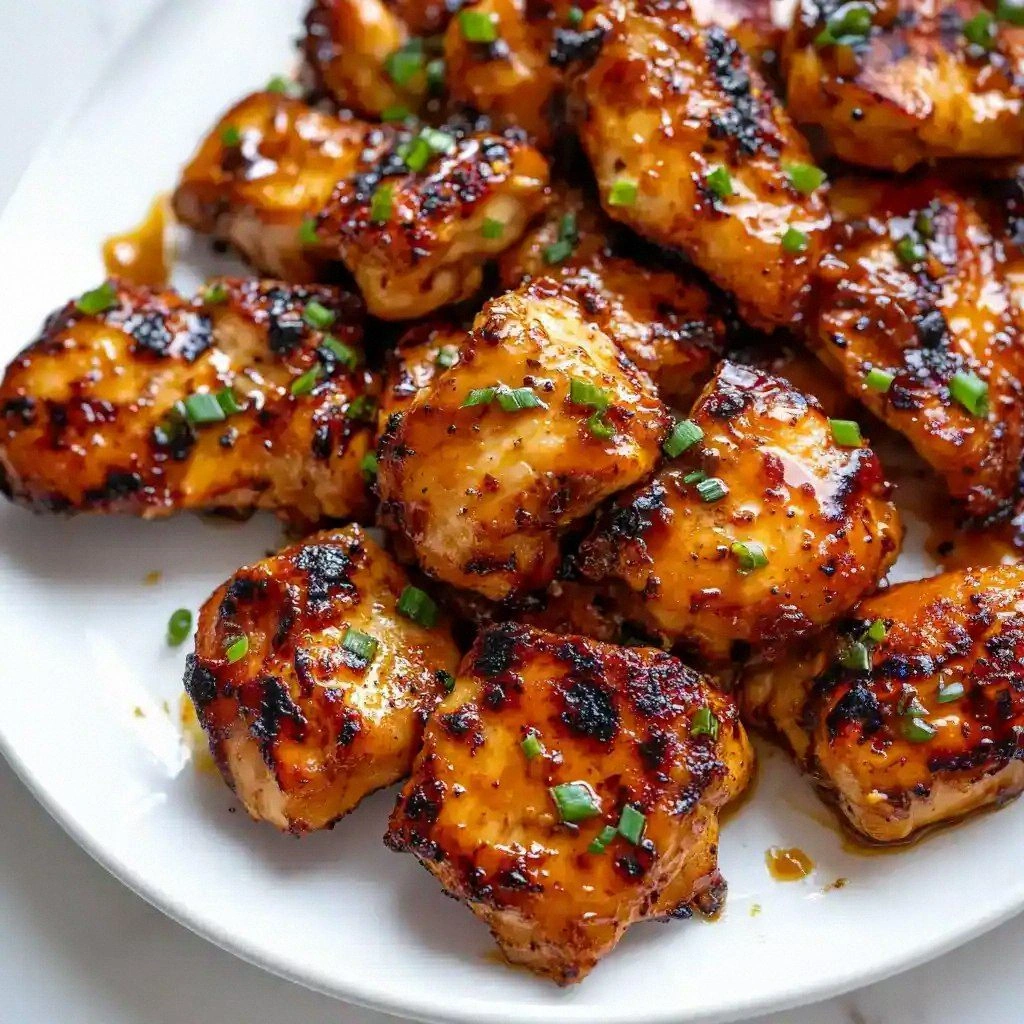
The kitchen was a symphony of sizzling sounds, the sweet aroma of pineapple and soy sauce mingling with the sharp, earthy scent of fresh ginger. I could almost taste the caramelized glaze coating the chicken, the subtle heat from red pepper flakes dancing on the tongue. The visual of the glossy sauce, glistening on the thighs, promised a feast that would look as good as it tasted. As I mixed the ingredients, the kitchen felt alive, each component shouting its purpose.
What sets this version apart is not just the authentic blend of flavors but the method that locks in moisture and creates a caramelized crust that shatters like thin ice when you bite into it. I swear this is hands down the best version you'll ever make at home, with a sauce that coats the chicken like velvet and a finish that leaves a lingering sweet‑smoky aftertaste. If you've ever struggled with achieving that balance of sweet and savory, you're not alone—this recipe has the fix you need.
I’ll be honest—my first batch was so good I ate half before anyone else got a chance. The rest of the evening was filled with laughter and a newfound confidence in my cooking prowess. Picture yourself pulling this out of the oven, the whole kitchen smelling incredible, and knowing you just nailed a crowd‑pleaser. Let me walk you through every single step—by the end, you'll wonder how you ever made it any other way.
What Makes This Version Stand Out
- Flavor: The sauce balances the sweetness of pineapple with the umami of soy sauce, creating a depth that’s hard to replicate. The subtle kick from red pepper flakes adds a satisfying warmth.
- Texture: The caramelized crust forms a crisp edge that shatters when bitten, while the inside stays juicy and tender. The glaze’s viscosity is just right—neither too runny nor overly thick.
- Simplicity: No complex techniques or exotic ingredients—just pantry staples that come together in minutes. The recipe is a breeze for beginners and a joy for seasoned cooks.
- Uniqueness: The use of fresh ginger and a splash of rice vinegar gives the sauce a bright, brightened note that sets it apart from the usual canned versions.
- Crowd Reaction: Friends and family consistently rave about the sauce’s richness and the chicken’s tenderness. It’s the kind of dish that becomes a conversation starter.
- Ingredient Quality: Using fresh pineapple juice instead of canned preserves natural sweetness and prevents a syrupy texture. The choice of sesame oil adds a nutty finish.
- Cooking Method: Baking locks in moisture while the oven’s dry heat caramelizes the glaze, giving a finish you could only achieve in a convection oven or a broiler.
- Make‑Ahead Potential: Marinate the chicken a few hours before baking for a deeper flavor profile, and the dish can be reheated with minimal loss of quality.
Alright, let's break down exactly what goes into this masterpiece...
Inside the Ingredient List
The Flavor Base
The pineapple juice is the sweet heart of the sauce, providing natural sugars that caramelize into a glossy glaze. It also adds a subtle tropical note that balances the saltiness of soy sauce. Skipping it would leave the sauce flat and overly salty. If you’re out of pineapple juice, a mix of orange juice and a splash of coconut water can work as a substitute, keeping the sweetness while adding a hint of coconut.
The Texture Crew
Brown sugar and ketchup work together to create a thick, syrupy consistency. The brown sugar dissolves into the sauce, while ketchup adds a tangy depth that counters the sweetness. If you prefer a lighter texture, replace half the brown sugar with honey; the result will still caramelize beautifully. The sesame oil is a secret weapon—its nutty aroma elevates the sauce to gourmet status.
The Unexpected Star
Fresh ginger and garlic are the unsung heroes that bring sharpness and a lingering aroma. Grated ginger releases essential oils that deepen the sauce’s complexity, while minced garlic adds a savory punch. If you’re allergic to garlic, a pinch of garlic powder will suffice, but the fresh flavor will be noticeably absent. A small amount of grated ginger (about one tablespoon) can dramatically change the flavor profile, giving it an authentic Asian twist.
The Final Flourish
Rice vinegar brightens the sauce, cutting through the sweetness and adding a subtle acidity that balances the overall taste. Red pepper flakes inject a gentle heat that keeps the dish from feeling one‑dimensional. If you’re heat‑averse, simply reduce the flakes to a quarter teaspoon; the sauce will still shine. This final touch ensures the glaze isn’t cloying but rather a harmonious blend of sweet, salty, and spicy.
Everything's prepped? Good. Let's get into the real action...
The Method — Step by Step
- Preheat your oven to 400°F (200°C). Line a baking sheet with parchment paper or a silicone mat to prevent sticking. Place the chicken thighs skin side up on the sheet, leaving space between each piece. The heat will circulate, ensuring even caramelization.
- In a medium bowl, combine pineapple juice, soy sauce, brown sugar, ketchup, rice vinegar, grated ginger, minced garlic, sesame oil, and red pepper flakes. Whisk until the sugar dissolves and the mixture is smooth. This is the moment of truth—if the sauce isn’t glossy, you’re missing a key step.
- Using a brush or spoon, coat each chicken thigh generously with the sauce, ensuring every nook is covered. The sauce should cling to the meat, forming a thick coating that will caramelize. If you have a kitchen timer, set it for 10 minutes to give the glaze time to set.
- Slide the tray into the oven and bake for 25 minutes. Halfway through, flip the thighs to ensure both sides develop a golden crust. Watch for the edges pulling away slightly—this indicates caramelization is underway.
- Remove the tray and brush the thighs again with the remaining sauce. This extra layer will intensify the glaze and create that irresistible stickiness. Let the chicken rest for 5 minutes; this allows juices to redistribute.
- While the chicken rests, reduce the sauce on the stovetop over medium heat for 3–4 minutes until it thickens to a syrupy consistency. This step is optional but recommended for a truly glossy finish.
- Serve the thighs on a platter, drizzling the reduced sauce over the top. Garnish with sliced green onions or toasted sesame seeds for a pop of color and crunch. The visual appeal is half the experience.
- Pair with steamed jasmine rice or a fresh cucumber salad to balance the richness. The acidity of the salad will cut through the sweetness, creating a harmonious plate. Enjoy while hot for maximum flavor.
That's it — you did it. But hold on, I've got a few more tricks that'll take this to another level...
Insider Tricks for Flawless Results
The Temperature Rule Nobody Follows
Many cooks bake at 375°F, assuming it’s safe for all meats. However, 400°F is the sweet spot for caramelization without drying the thighs. The higher heat creates a Maillard reaction that locks in juices, giving that coveted crispy edge.
Why Your Nose Knows Best
The aroma of the sauce is a reliable indicator of readiness. When you smell a sweet, caramelized scent with a hint of soy, you’re halfway to perfection. Trust your nose over the clock—it’s the ultimate judge of flavor.
The 5-Minute Rest That Changes Everything
Letting the chicken rest for exactly five minutes after baking allows the juices to redistribute. If you cut into it immediately, the juices rush to the surface and leave the interior dry. The rest also gives the glaze time to set, ensuring it sticks beautifully.
Use a Silicone Mat for Even Cooking
A silicone baking mat ensures the thighs cook evenly and prevents the sauce from sticking to the tray. This also makes cleanup a breeze, as the mat can be wiped clean in seconds.
Double the Sauce for Extra Flavor
If you’re a sauce lover, reserve a portion of the glaze before brushing it on the chicken and set it aside for serving. The extra sauce will keep the dish moist and add an extra layer of flavor during the final plating.
Creative Twists and Variations
Spicy Thai Twist
Swap the red pepper flakes for Thai bird’s eye chilies and add a splash of fish sauce for a more authentic Thai flavor. The result is a fiery, umami-packed dish that pairs perfectly with jasmine rice.
Smoky Chipotle Variation
Introduce a tablespoon of chipotle in adobo for a smoky depth that contrasts with the sweet pineapple. This version is ideal for grill enthusiasts who enjoy a hint of char.
Low‑Sodium Version
Reduce the soy sauce by half and replace it with coconut aminos. The sauce remains savory while cutting down on sodium, making it suitable for heart‑healthy diets.
Gluten‑Free Adaptation
Use tamari instead of regular soy sauce and ensure the ketchup is gluten‑free. The dish stays gluten‑free without sacrificing the signature flavor profile.
Vegetarian Alternative
Replace the chicken with thick slices of marinated tofu or tempeh. The tofu will absorb the glaze, creating a plant‑based version that still delivers the same sweet‑spicy punch.
Storing and Bringing It Back to Life
Fridge Storage
Store leftover chicken in an airtight container for up to 4 days. Keep the glaze separate in a small jar; this prevents the meat from becoming soggy. When ready to reheat, sprinkle a few drops of water over the chicken to re‑create steam.
Freezer Friendly
Freeze individual portions in freezer bags for up to 3 months. Thaw overnight in the refrigerator before reheating. The texture remains tender, and the glaze retains its glossy finish.
Best Reheating Method
Reheat in a preheated 350°F oven for 10 minutes, then finish under the broiler for 2 minutes to revive the caramelized crust. Alternatively, use a skillet to warm the chicken over medium heat, adding a splash of water to keep it moist.