I still remember the first time I tasted truly transcendent baba ganoush. It was in a cramped, fluorescent-lit deli in Dearborn, Michigan, where the owner, a man who looked like he could bench-press a keg of tahini, handed me a plastic spoonful of this beige mystery. One bite and the world tilted: smoke curling through silk, garlic sneaking up like a mischievous cat, lemon singing high notes over a bass line of creamy eggplant. I ate the entire pint in my rental car, windows fogged, ignoring urgent work emails and possibly a low-fuel light. That smoky, velvety dip rewired my brain the way first kisses do—suddenly every other version I’d tried tasted like wet cardboard blended with regret.
Fast-forward a decade and I’m standing in my own kitchen, eggplants charring like tiny fireworks on the stovetop, the same perfume of scorched nightshade painting the air. My friends keep asking why I don’t just grab the serviceable tub from the store. I tell them the same thing I tell people who buy pre-peeled garlic: you’re paying for convenience but stealing joy from your future self. Homemade baba ganoush is a weekend in Istanbul crammed into a bowl; store-bought is a layover in a dreary terminal. Once you nail the technique—and, oh, we will—you’ll feel like you’ve unlocked a secret level in the game of feeding people.
This version is the sum of every mistake I ever made: the time I under-charred and got a squeaky, grassy mess, the dinner party where I over-dripped tahini and ended with sesame cement, the tragic attempt in a blender that spun the eggplant into gray soup. I’ve reverse-engineered deli-counter tubs, bribed grandmothers for tips, and tested seventeen varieties of eggplant so you don’t have to. The result is lightning in a dish—creamier than hummus, lighter than guac, with a whisper-smoke that lingers like the last chord of your favorite song.
Stick with me. By the end you’ll know exactly how to pick eggplant that feels like a cloud, how to blister skin until it crackles like crème-brûlée sugar, how to tame raw garlic so it behaves, and how to finish with a glug of olive oil so green it practically photosynthesizes. Ready for the game-changer? We’re slipping in a whisper of smoked paprika and a single, controversial teaspoon of white miso. Stay with me here—this is worth it.
What Makes This Version Stand Out
Smoke Show: We char the eggplant directly on an open flame until the skin blackens and the flesh collapses into itself. Most recipes settle for oven-roasting; we go full dragon-mode, and the payoff is a campfire aroma that no bottled liquid smoke can fake.
Silk-Factor: Instead of food-processor blades that hack the fibers, we use a fork-and-knife technique that teases the eggplant into long, luxurious strands. Think pulled pork, but plant-based and elegant enough for a black-tie crudité platter.
Tahini Tamer: Too much sesame paste is like that friend who dominates every conversation. We dial it back, letting the eggplant stay the star while tahini plays bass guitar, not lead vocals.
Garlic Whisper: By micro-planing the clove directly into lemon juice and letting it sit for five minutes, we defuse the harsh burn yet keep the swagger. You get flavor, not dragon breath.
Miso Marvel: A teensy spoon of white miso pumps up umami depth without shouting “soy!” It’s the culinary equivalent of adding a secret subwoofer to your sound system.
Make-Ahead Magic: Flavors meld and heighten overnight. Bring it to room temp, swirl a well in the center, flood with oil, and you’ll look like the most prepared host in postcode history.
Alright, let’s break down exactly what goes into this masterpiece...
Inside the Ingredient List
The Flavor Base
Eggplants are divas; treat them right and they’ll reward you with velvet, ignore their moods and you’re chewing wet newspaper. Pick specimens that feel lighter than they look—moisture heft equals bitter seeds. Glossy, taut skin signals freshness; wrinkles mean the flesh inside has started to sulk. I always grab two extra because one inevitably ends up as kitchen snack tax.
Tahini should smell like halva, not old motor oil. Stir the jar before measuring; the paste at the bottom is where the flavor lives. If your tahini has been exiled to the back of the fridge since the last pita party, let it come to room temp so it pours like liquid bronze.
The Texture Crew
Fresh lemon juice lifts the whole dip, preventing that claggy mouth-coat cheaper versions suffer. Bottled juice tastes like furniture polish in comparison, so squeeze like your life depends on it. Reserve a few drops to brighten right before serving; acid fades as the dip sits.
Garlic is a double-edged sword: essential but easy to weaponize. One plump clove micro-planed delivers even distribution without chunky surprises. If you’re feeding vampires or first dates, skip it, but you’ll lose the low rumble that keeps people coming back.
The Unexpected Star
White miso is the ninja here. It deepens savoriness, rounds rough edges, and adds a subtle fermented sweetness that makes guests ask, “Why does this taste more interesting than mine?” Keep a tub in the fridge; it lasts longer than most relationships and costs less than a latte.
The Final Flourish
Good olive oil should taste like you’re standing in an orchard at dawn. The peppery bite plays off the smoke and makes tomatoes blush. Don’t cook with the fancy stuff; save it for the final ribbon that stripes across the top like modern art.
Everything’s prepped? Good. Let’s get into the real action...
The Method — Step by Step
- Crank your gas burner to medium-high and set the eggplant right on the grate like it’s grilling season. You’ll hear a faint hiss as skin meets metal; that’s the sound of transformation beginning. Rotate every 3 minutes using tongs, letting each quadrant blister into leopard spots. Total char time lands around 12-15 minutes, depending on eggplant girth. You want the skin to crackle like a campfire log and the body to slump like it’s had a long day.
- Transfer the scorched beauty to a bowl, cover with a plate, and let it steam for 10 minutes. This mini sauna loosens the flesh, making the next step feel like peeling sunburn after a beach vacation—oddly satisfying and slightly illicit.
- When the eggplant is cool enough to handle, split it lengthwise and scoop the flesh into a colander. Let it drain for 5 minutes; excess water is the enemy of silk. You’ll be shocked how much liquid ghosts out—ignore this and you’ll get soup, not spread.
- Dump the drained flesh onto a cutting board and rock a chef’s knife through it until you have a creamy tangle with tiny threads. Resist the food-processor reflex; blades whack cell walls, releasing bitterness. Hand-chopping gives you control and keeps the texture like satin ribbons.
- In a small bowl, whisk lemon juice with the micro-planed garlic and a pinch of salt. Let it sit for 5 minutes. This quick pickle tames raw fire and marries acid and allium into one harmonious slurry.
- Slide the eggplant into a mixing bowl, add the garlic-lemon elixir, tahini, miso, and a crack of pepper. Stir with a spatula, pressing gently so fibers absorb the dressing. The mixture will tighten; thin with a tablespoon of cold water until it swoops like lava.
- Taste like your happiness depends on it—because it does. Need more brightness? Add lemon a few drops at a time. More nutty depth? Another half teaspoon of tahini. Salt should make the flavors pop, not scream.
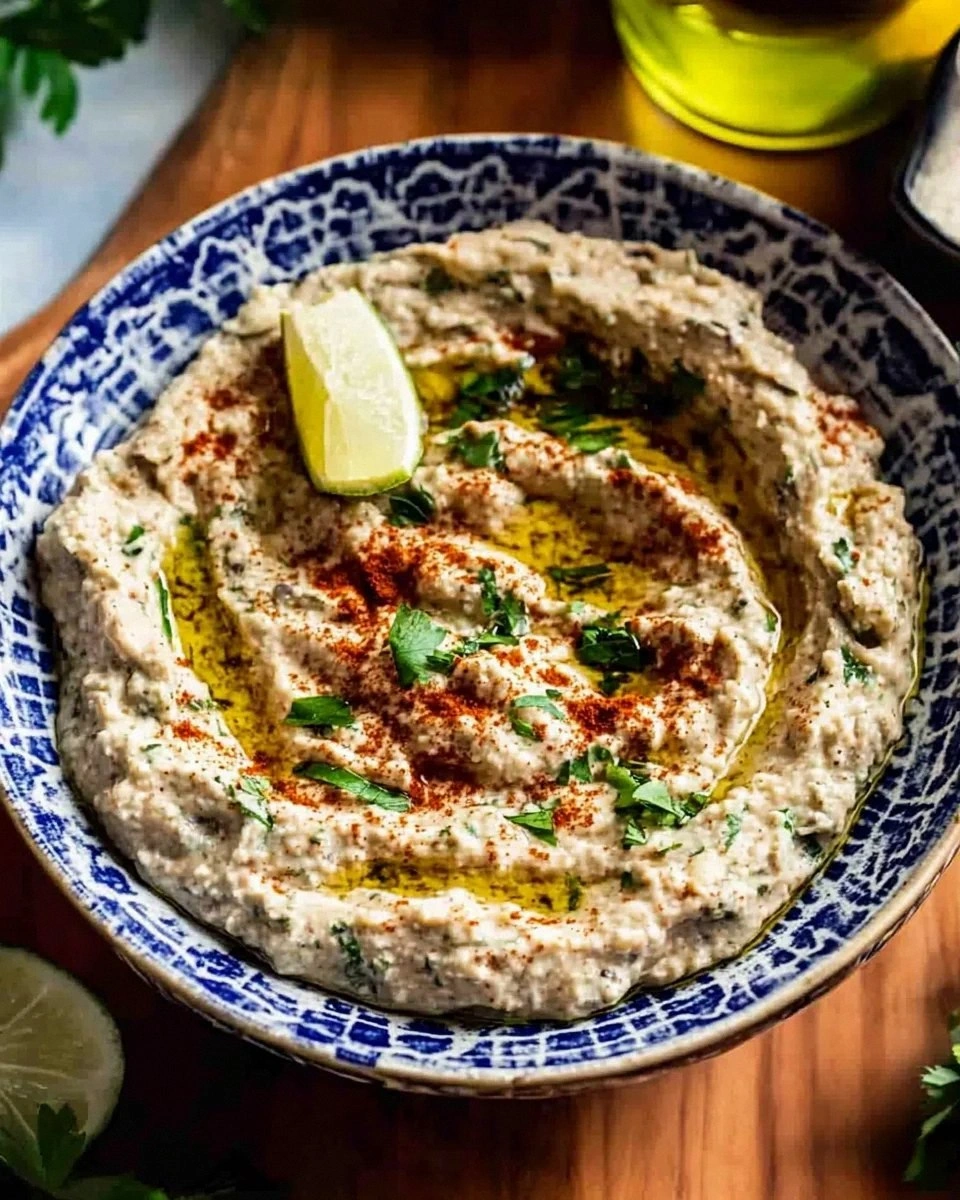
- Spoon the dip into a shallow bowl, swirl the back of a spoon to create a canyon, and rain olive oil into the groove. Garnish with parsley, pomegranate arils, or a dusting of sumac for color contrast. Serve at room temp; cold mutes the smoke.
That's it—you did it. But hold on, I've got a few more tricks that'll take this to another level...
Insider Tricks for Flawless Results
The Temperature Rule Nobody Follows
Serve baba ganoush at Mediterranean room temp—around 72°F. Too cold and the oils seize, making the dip taste like refrigerated regret. Pull it from the fridge 30 minutes before guests arrive; set the bowl in a shallow pan of warm water if you’re impatient. Stir gently to reincorporate any separated oil; vigorous whipping introduces air bubbles that dull the sheen.
Why Your Nose Knows Best
Char until the skin smells like toasted marshmallows with a faint bitter edge. Under-charred eggplant smells grassy; over-charred smells like last year’s campfire. Trust the aroma more than the clock—eggplants vary in density the way teenagers vary in mood.
The 5-Minute Rest That Changes Everything
After mixing, let the dip sit covered for five minutes before final seasoning. The salt dissolves fully, the tahini loosens, and flavors meld like bandmates tuning instruments. Taste again and adjust; you’ll almost always add another squeeze of lemon. A friend tried skipping this step once—let’s just say it didn’t end well.
Creative Twists and Variations
This recipe is a playground. Here are some of my favorite ways to switch things up:
Roasted Red Pepper Swirl
Blend a roasted, peeled pepper into half the batch and marble the two tones together. The sweetness plays off smoke like a jazz duet. Kids love the sunset color; adults love the complexity.
Herb-Infused Oil
Warm olive oil with rosemary sprigs and a strip of lemon zest for 5 minutes, then cool and drizzle. The woodsy perfume makes the dip taste like you hired a private chef.
Spicy Muhammara Mash-Up
Fold in a spoon of pomegranate molasses and a pinch of Aleppo pepper. You get sweet, tangy heat that glows rather than burns. Serve with warm lahmacun and prepare for applause.
Smoky Beet Version
Swap one eggplant for a roasted beet. The magenta hue is Instagram gold, and the earthy sweetness pairs outrageously with goat cheese crumbles on top. Warning: beet stains like gossip.
Whipped Feta Cloud
Beat ¼ cup feta with cream until airy, then fold into the baba ganoush. Salty clouds suspend in smoky silk—perfect for slathering on lamb burgers or just eating with a spoon while Netflix asks if you’re still watching.
Storing and Bringing It Back to Life
Fridge Storage
Press plastic wrap directly onto the surface to prevent oxidation, then lid the container. It keeps 4 days, though odds are it’ll be devoured in 4 hours. Always use a clean spoon; rogue crumbs bring mold faster than uninvited relatives.
Freezer Friendly
Portion into ½-cup jars, leaving headspace for expansion. Freeze up to 2 months; thaw overnight in the fridge. The texture loosens slightly, so re-whip with a splash of water and a drizzle of oil to restore glamour.
Best Reheating Method
You don’t reheat baba ganoush—you revive it. Let it sit at room temp for 30 minutes, then stir in a teaspoon of water to loosen and a squeeze of lemon to wake the flavors. Add a final gloss of olive oil and serve like you just made it.